
Antique Stemware
Antique stemware gathers centuries of craftsmanship, offering drinking glasses and goblets shaped by Georgian, Victorian, and later hands for the table.
Antique Stemware
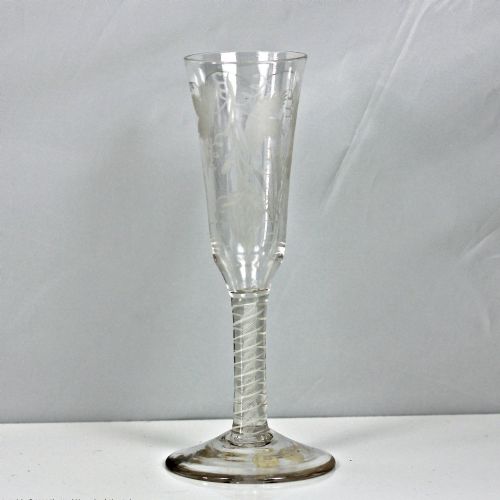
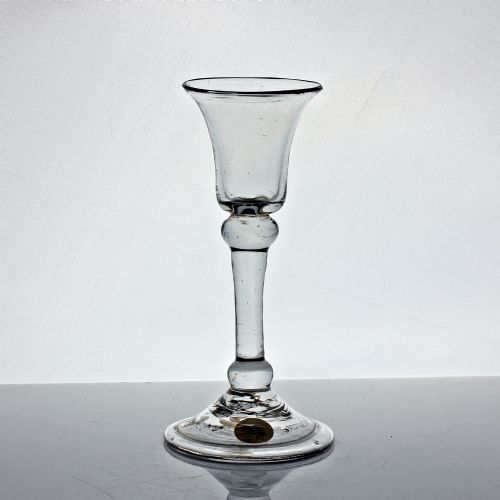
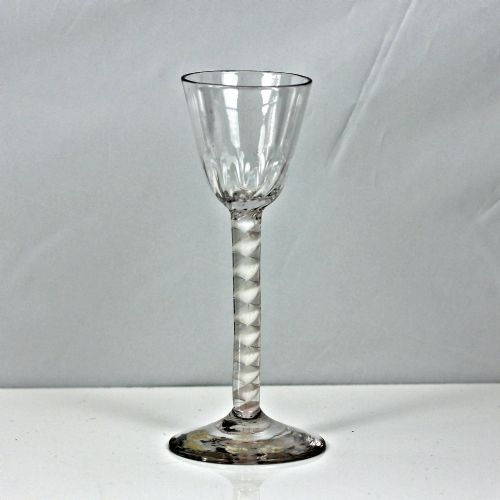
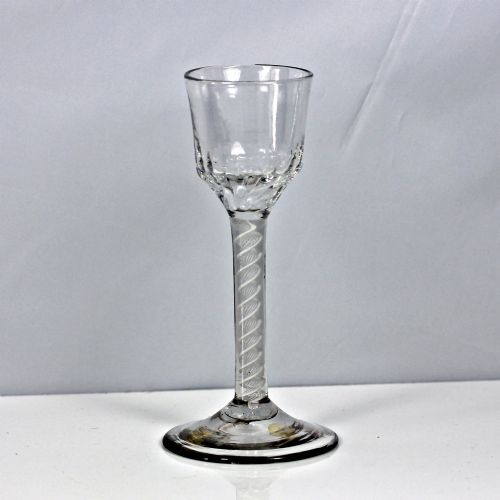
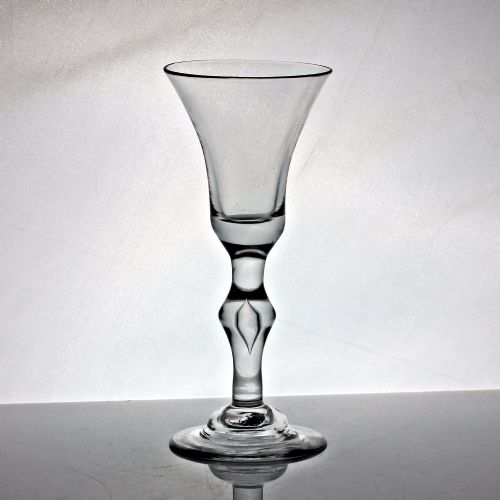
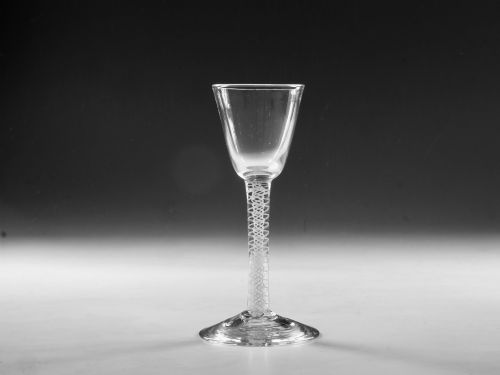
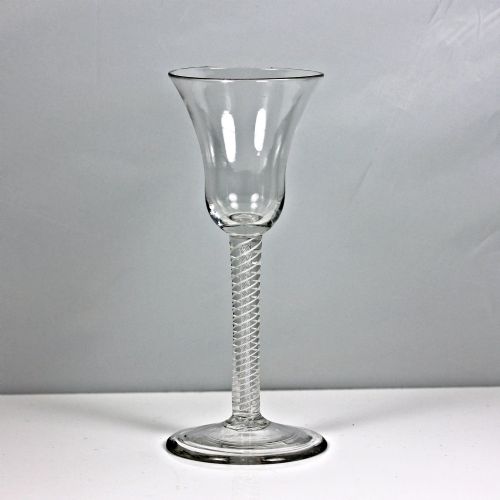
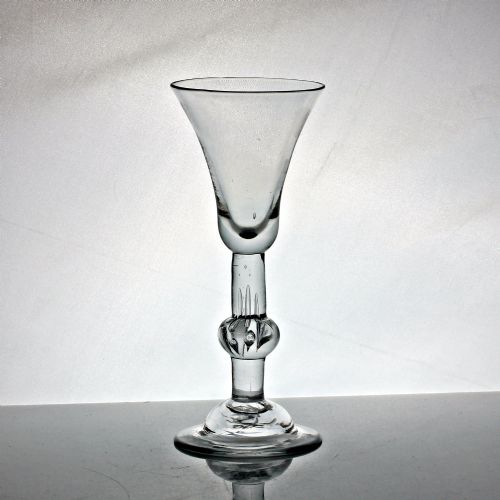
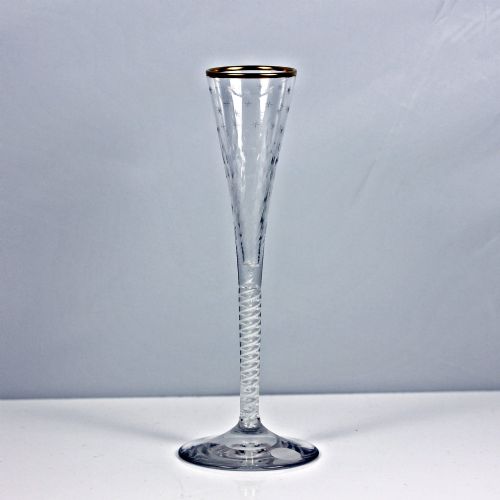
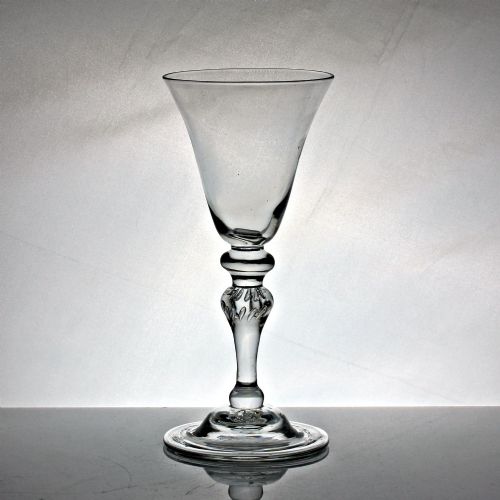
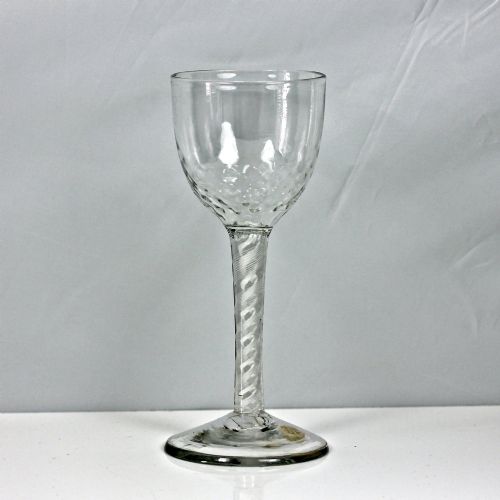
The most common examples on this page are Georgian and Victorian lead glass wine glasses and rummers. These pieces range from plain and balustroid stems to complex air twists and opaque twists.
Materials and methods
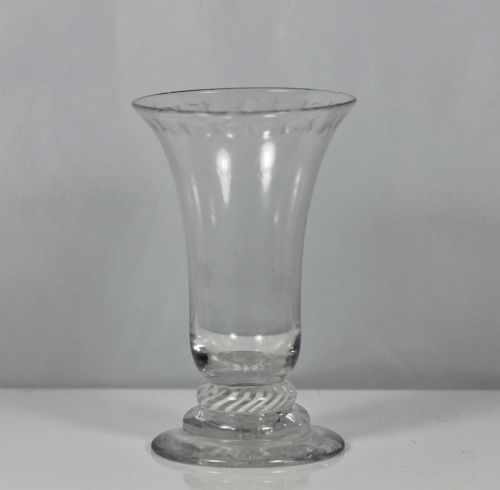
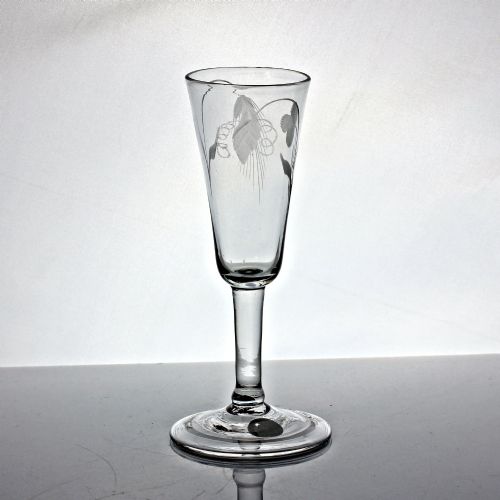
The pieces rely primarily on lead glass, clear glass, lead crystal, and flint glass, shaped through blowing and manipulation while hot. Makers added decorative surface work including wheel engraving, star-etching, thumb-cutting, and polychrome enamel or gilding.
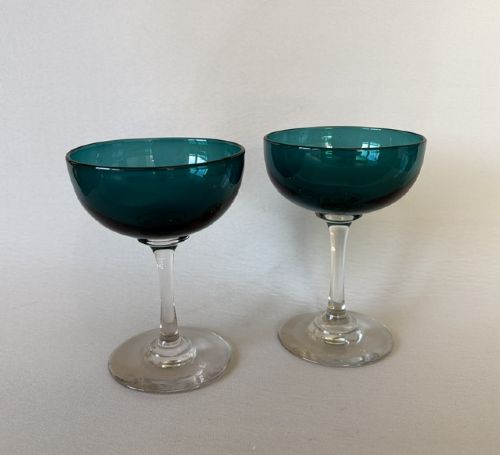
Specific forms utilise distinct structural components, such as folded feet for stability, knops on stems, and applied colour overlays in green or aqua.
Object forms span wine glasses, rummers, champagne coupes, hock glasses, and cocktail sets.
Markers of distinction
Quality rests in the precision of the glassmaker's hand, seen in the clarity of the metal, the balance of the stem, and the crispness of facet cutting or wheel engraving. Complexity within the stem, such as multi-spiral air twists or double series opaque twists, elevates the standard.
Completeness of a matched set and the presence of specialised decoration, like Jacobite motifs or hand-painted enamel, distinguish exceptional examples from standard drinking vessels.
Nathan and Hayes·Theresienthal·Baccarat·Moser
The Antique Stemware Glossary
- Air twist
- A stem containing elongated internal air bubbles drawn into spiral threads. This technique creates a delicate shimmering effect inside the glass.
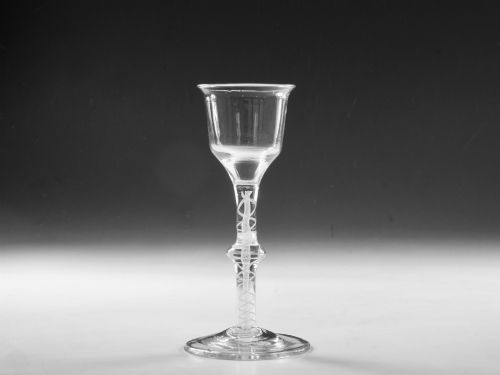
- Opaque twist
- A stem enclosing white or coloured enamel glass rods twisted into spiral patterns. These were mastered by English glasshouses in the eighteenth century.
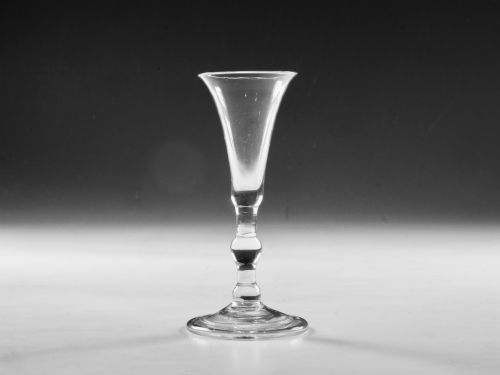
- Baluster
- A heavy, thick stem shape inspired by architectural pillars, often featuring knops or swells. It is typical of early lead glass drinking vessels.
- Rummer
- A large, sturdy goblet used for beer, ale, or wine during the Georgian and Victorian eras. They usually sit on a short stem with a wide foot base.
- Coupe
- A shallow, broad-bowled glass designed for champagne or dessert. The form became popular during the Victorian period and the early twentieth century.
Antique Stemware: Frequently Asked Questions
Can I use antique stemware daily?
Many people enjoy using their glasses for special occasions or quiet evenings. Handle them carefully by the stem rather than the bowl to protect delicate structures.
Because eighteenth and nineteenth-century glass is irreplaceable, reserve use for careful guests who understand the fragile nature of old tablewares.
How do I identify a Georgian wine glass?
Look for heavy lead glass construction with a characteristic dark greyish tone or oily surface sheen. Many feature distinctive stem formations like air twists, balusters, or folded feet.
Examine the pontil mark on the underside of the base. A rough or polished pontil scar indicates hand-blown production typical of the eighteenth century.
What is the difference between a rummer and a wine glass?
Rummers are substantially larger and heavier drinking vessels designed for robust everyday beverages like ale, beer, or larger pours of wine. They possess thick bowls and shorter stems.
Wine glasses are smaller, more delicate, and proportioned specifically for smaller quantities of wine, often featuring elaborate stem variations like opaque twists.