
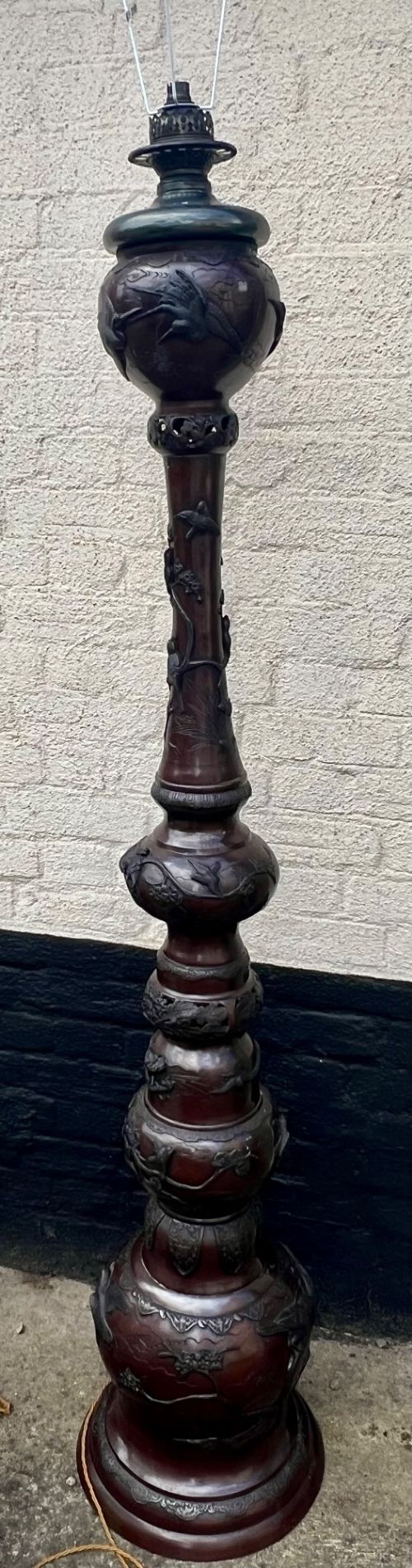
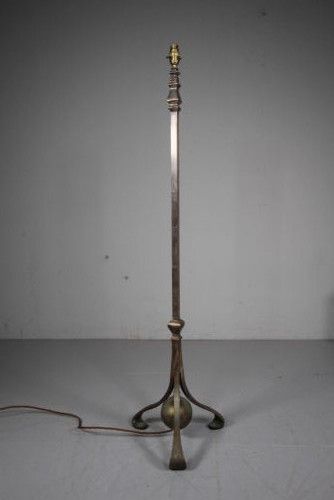
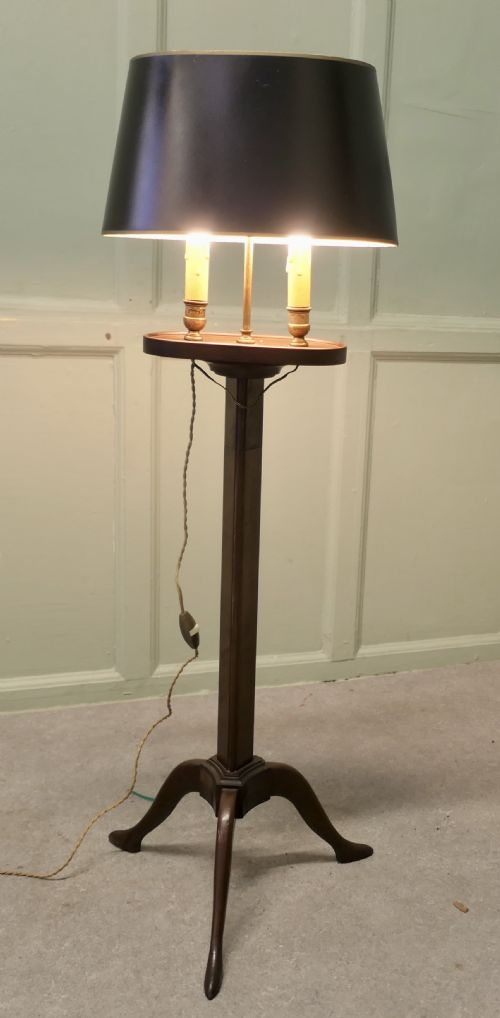
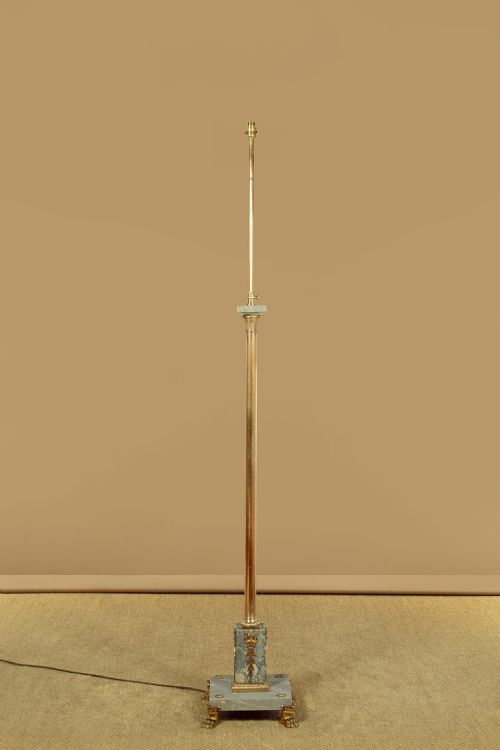

Antique Standard Lamp Base
An antique standard lamp base anchors a room with vertical presence, offering a sturdy architectural stand designed to hold a shade and illuminate a corner.
Antique Standard Lamp Base
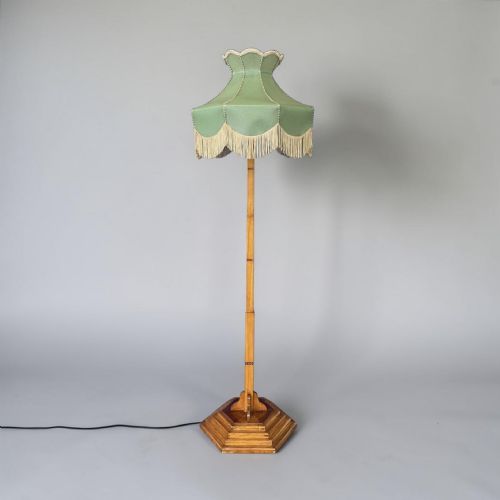
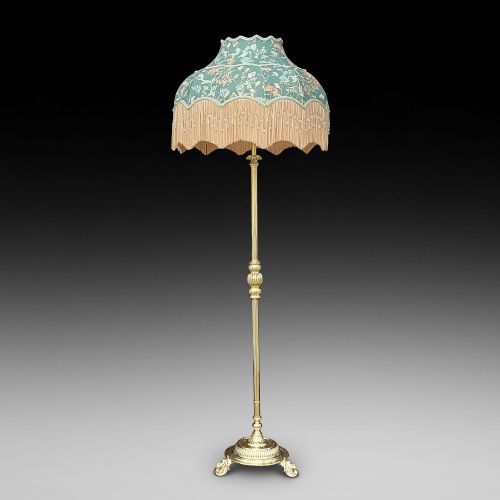
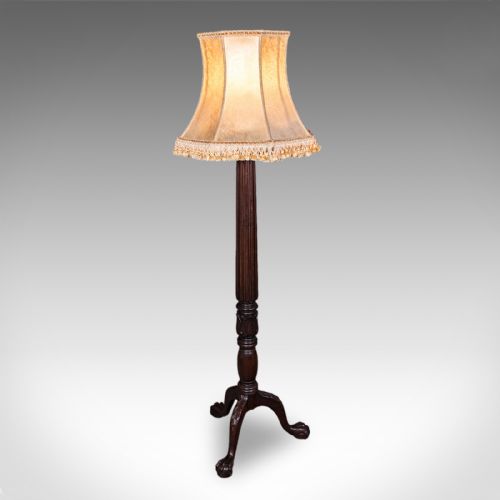
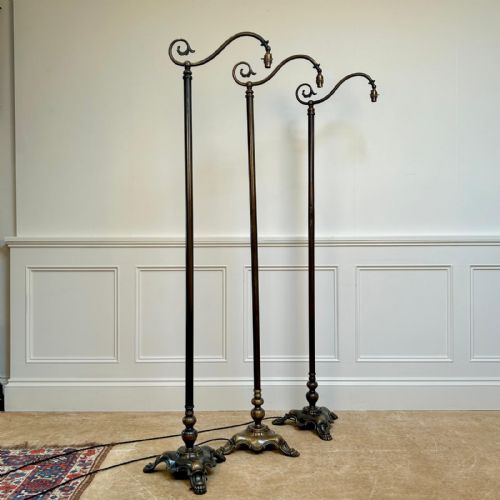
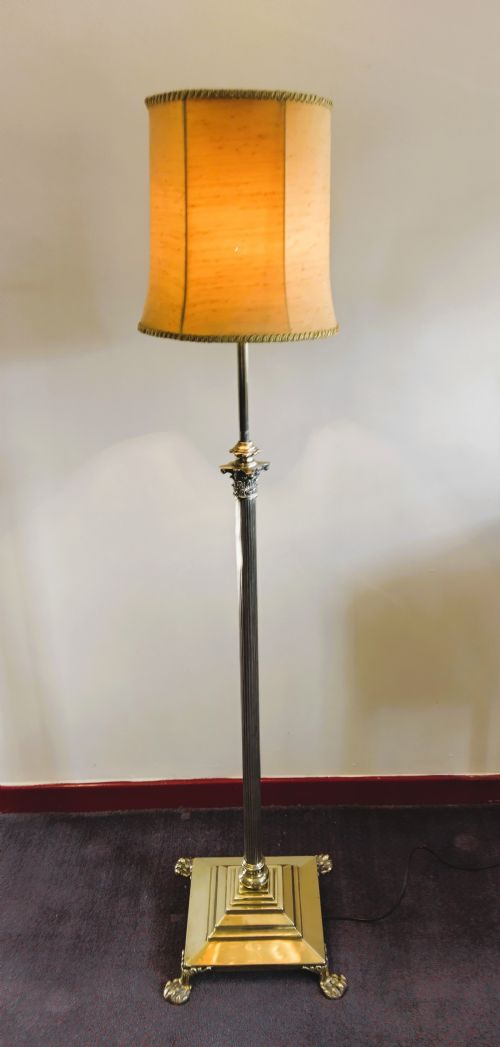
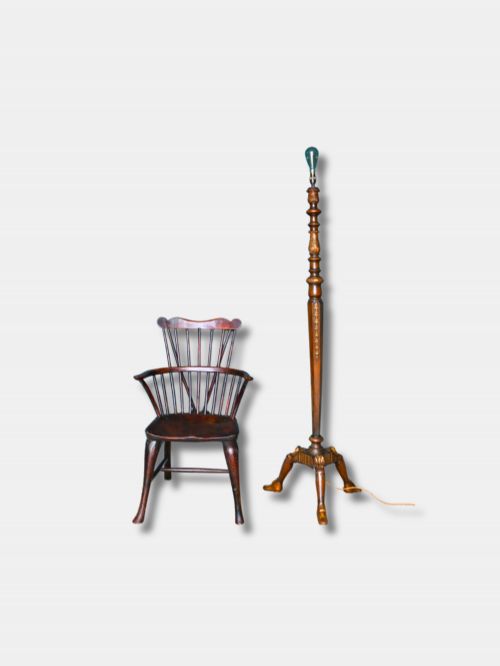
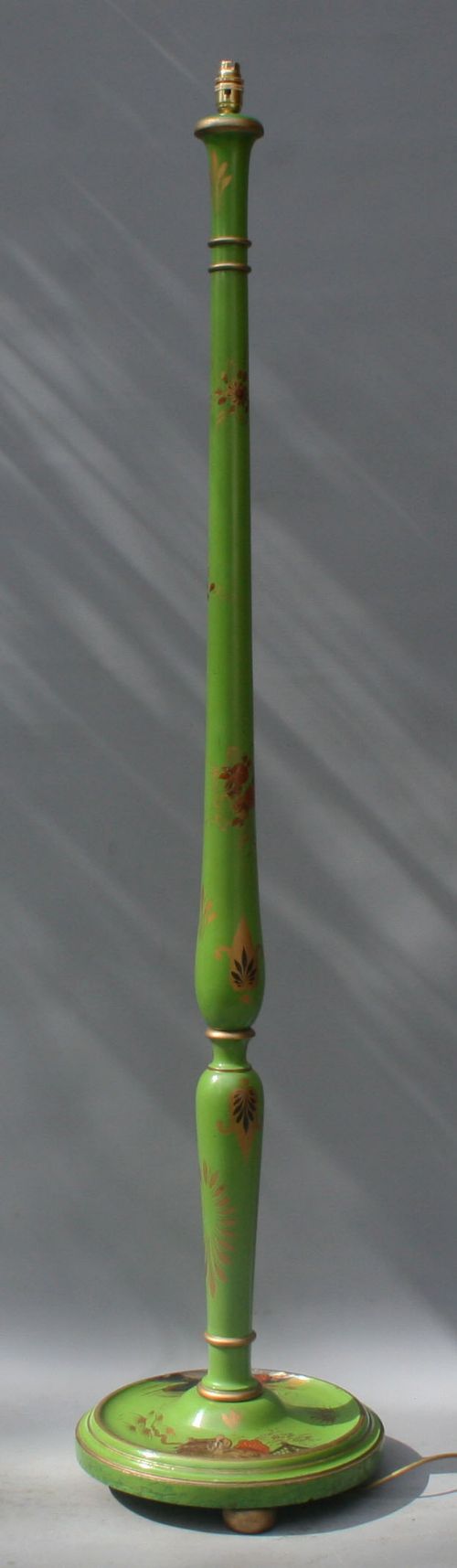
An antique standard lamp base provides a tall vertical support for interior lighting, originating in periods from the nineteenth century through to the early decades of the twentieth century. These pieces stand independently on the floor, holding electrical or converted oil fittings at height.
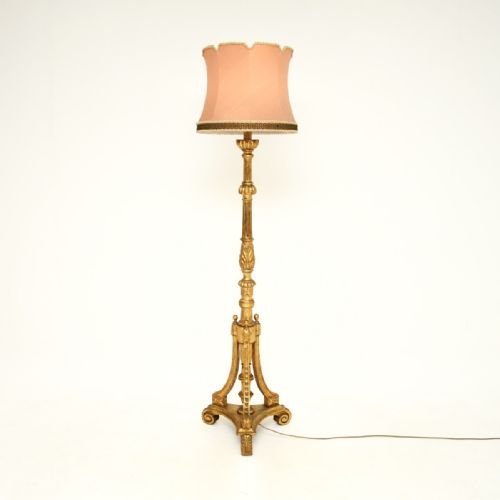
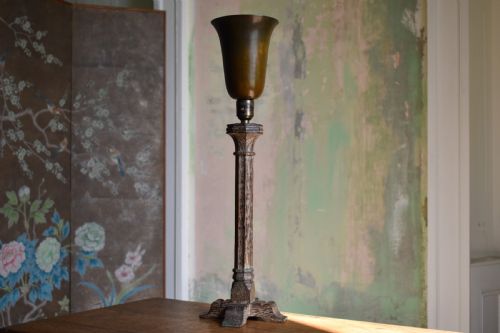
The selection here encompasses several distinct stylistic revivals and design movements, including Victorian, Edwardian, Art Deco, Art Nouveau, and Neoclassical styles. Materials range from turned mahogany, walnut, oak, and pine to polished brass, cast iron, bronze, and gilt wood.
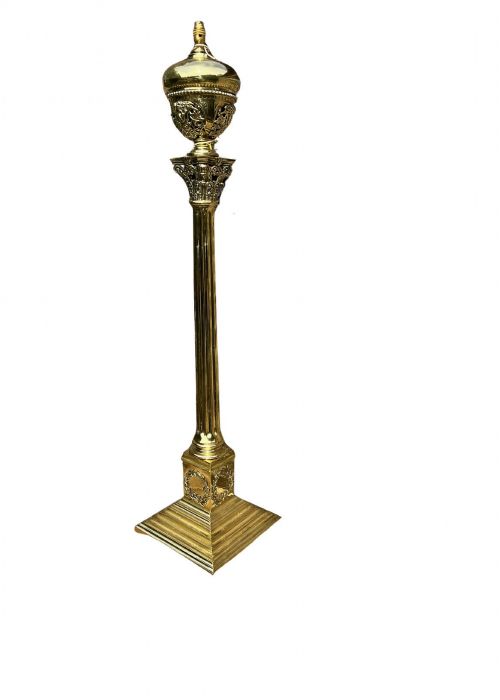
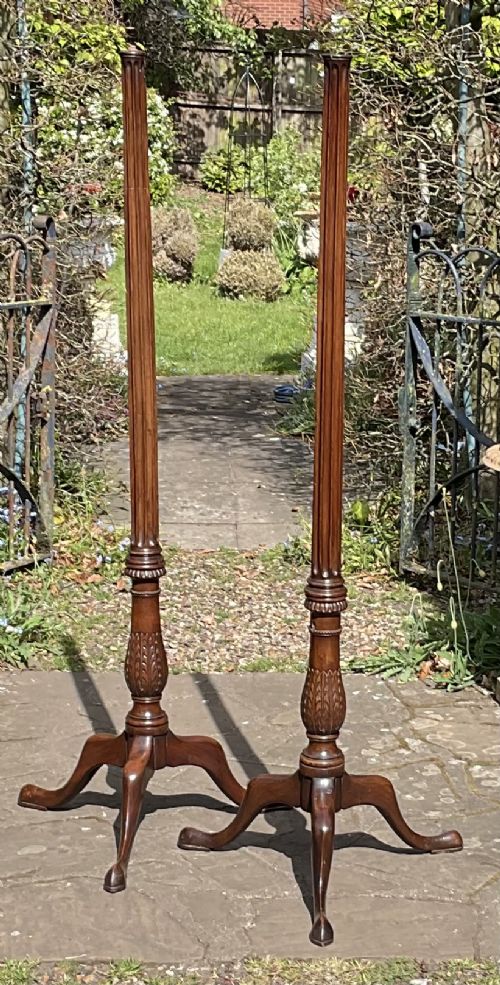
Most examples function as floor lamps or standard lamps, though related floor candelabras and converted oil lamps also appear. Many incorporate adjustable height mechanisms, tripod supports, or Corinthian column details.
Materials and construction methods
Cabinetmakers shaped timber elements such as mahogany, walnut, and oak using traditional turning and carving techniques, often finishing them with gilt or limed surfaces. Metal bases utilised brass, cast iron, and bronze, sometimes featuring openwork casting or silver plating.
Adjustable models relied on sliding brass inner shafts secured by thumbscrews or keys, allowing the total height to change. Weighted internal or cast iron base plates ensured stability for the tall wooden or metal columns.
Bookworms and bibliophiles occasionally appear cast in bronze, holding their ground among the timber columns.
Distinctions in quality and execution
Quality reveals itself in the crispness of carved wooden ornament, the weight and thickness of cast brass or bronze components, and the stability of the base. Superior examples maintain smooth operation in their height adjustment mechanisms without wobble in the upright shaft.
Finishes also separate standard production from finer work, with hand-gilt surfaces, detailed floral openwork, and carefully selected timber grains such as figured walnut or flame mahogany commanding greater visual presence.
The Antique Standard Lamp Base Glossary
- Standard lamp
- A term historically used in Britain to describe a floor-standing lamp base designed to sit beside a chair or table.
- Corinthian column
- A classical architectural column design featuring ornate acanthus leaves at the capital, frequently adapted for brass lamp standards.
- Tripod base
- A three-legged support structure commonly found beneath wooden and metal lamp columns to ensure floor stability.
- Bouillotte
- A style of adjustable candle lamp or lighting standard originating in France, often featuring a central metal shaft and candle arms.
Antique Standard Lamp Base: Frequently Asked Questions
What shade size suits a standard lamp?
The shade diameter should generally match the widest part of the lamp base or span roughly one-third of the total height of the stand. Proportion depends on the visual weight of the column, whether heavy carved oak or slender brass.
Matching the shade drop to the harp or carrier height keeps the bulb hidden and balances the silhouette of the piece in the room.
How do I date a wooden lamp base?
Dating relies on timber species, turning profiles, and construction methods corresponding to known periods like the Victorian era or Art Deco movement. Mahogany and walnut point towards earlier nineteenth-century or Edwardian cabinetmaking.
Base weights, screw types, and switches added during conversions also provide clues to the decade of manufacture or subsequent adaptation.
Can I adjust the height on these lamps?
Many brass and metal standard lamps feature an adjustable inner sleeve operated by a thumbscrew or key. This mechanism allowed Victorian and Edwardian readers to raise or lower the light source.
Wooden standards are typically fixed in height, relying on their inherent tall proportions to cast light across seating areas.