



Antique Stamp Holder
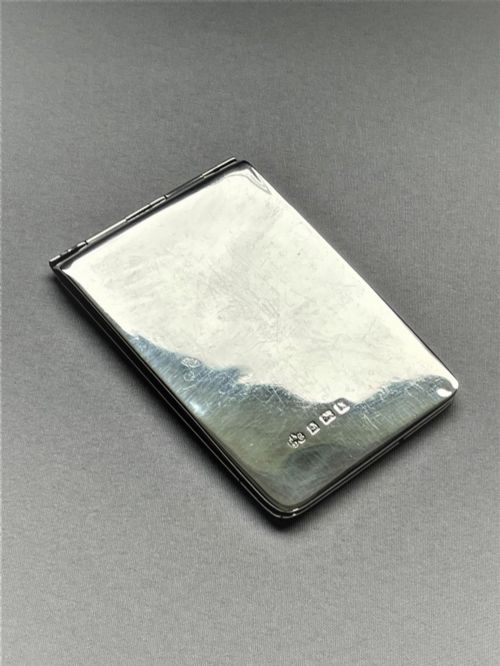
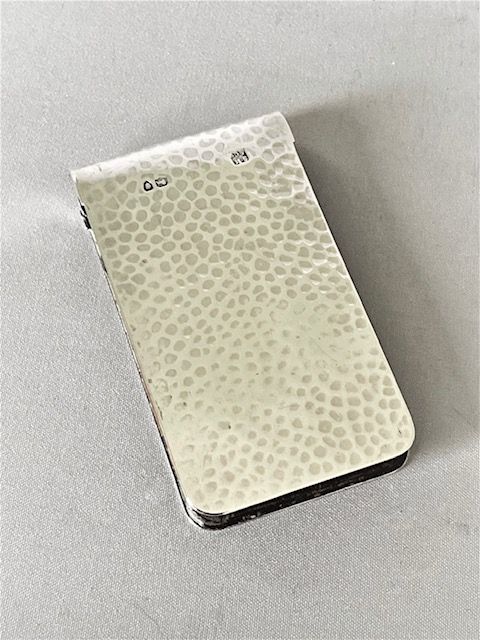
An antique stamp holder is a small desk accessory designed to keep postage neat, most frequently found in sterling silver from the Edwardian and Victorian eras.
Antique Stamp Holder
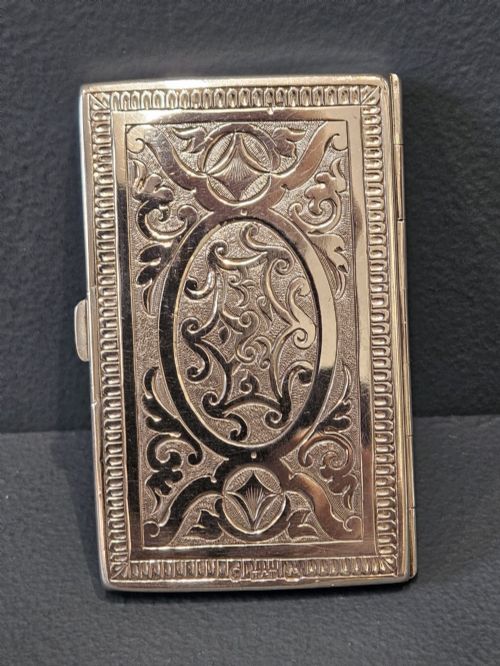
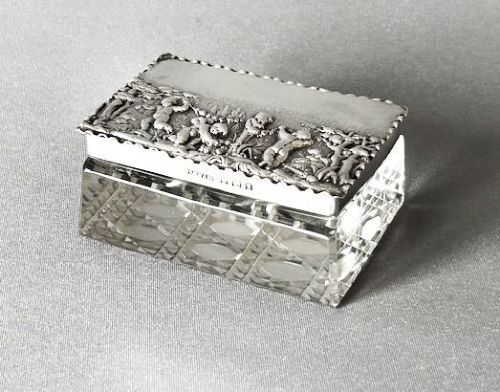
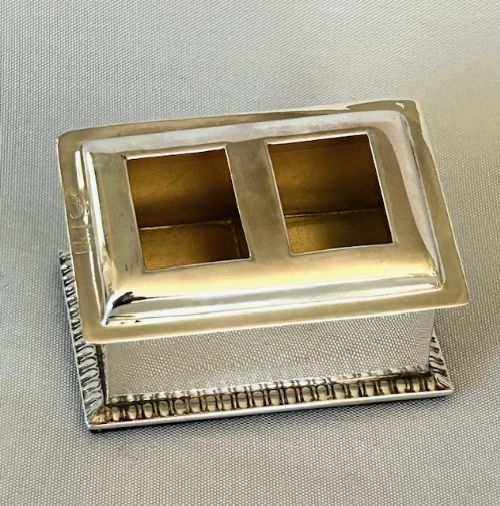
An antique stamp holder encompasses desk accessories and small receptacles created to store postage safely on a writing surface. The pieces most commonly met on this page belong to the Edwardian and Victorian periods, taking forms such as double stamp boxes, slide-opening cases, and novelty miniatures.
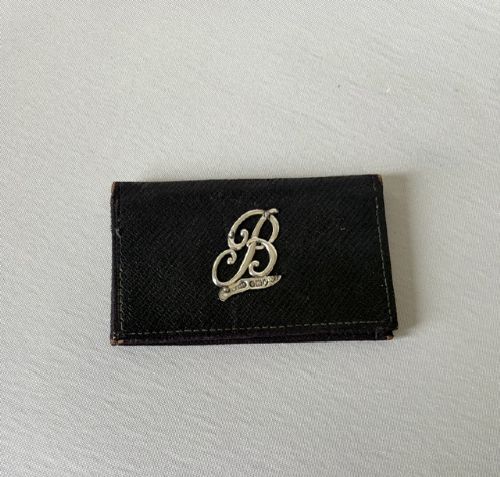
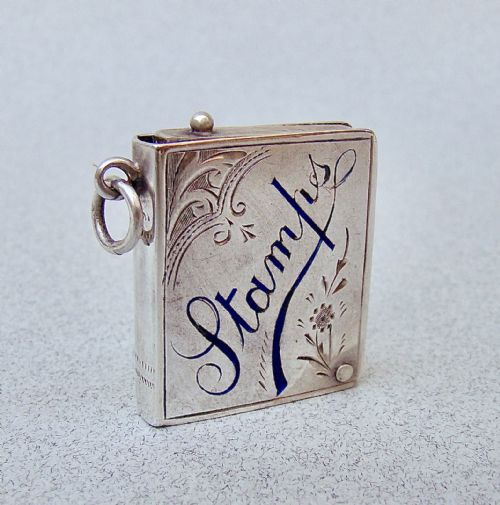
Makers shaped these items as envelopes, books, wallets, or garden wheelbarrows, reflecting a Victorian and Edwardian taste for novelty in everyday desk accessories. Materials range from sterling silver and glass to brass, leather, and cast iron, showing how varied desk equipment was in the nineteenth and early twentieth centuries.
Collectors encounter single and double trough-shaped boxes alongside combination pieces that house stamps alongside sovereigns, vestas, or pencils. These diverse forms demonstrate the practical demands of correspondence before the widespread use of self-adhesive stationery.
Materials and methods of construction
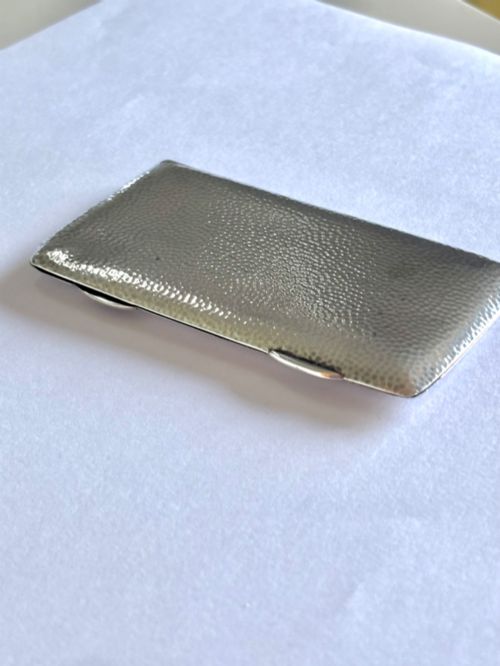
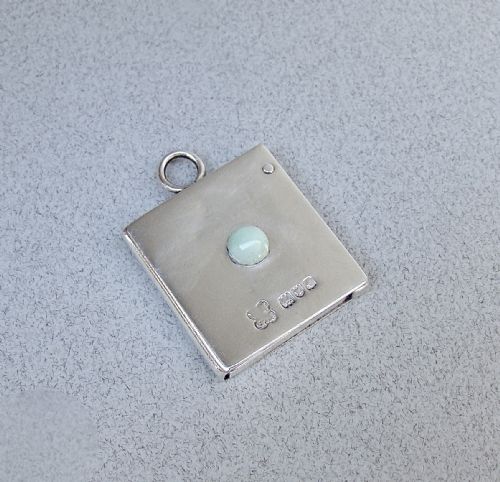
Silversmiths shaped sterling silver into hinged boxes, wallets, and novelty shapes through sheet metal working, pressing, and soldering. Engraving and chasing frequently decorated the exterior surfaces of these silver pieces.
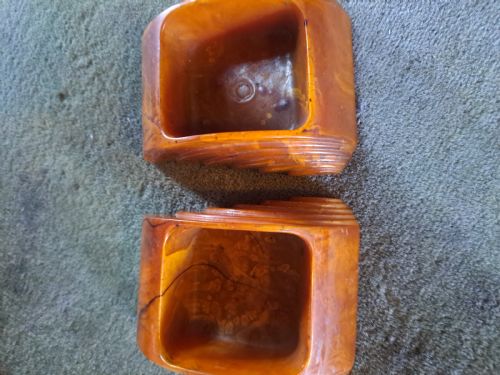
Brass and cast iron provided heavier, sturdier options for desk accessories, whilst glass combined with sterling silver to form transparent stamp boxes. Specialised items also incorporated materials like leather, enamel, and amber bakelite for contrasting textures and decorative appeal.
Antique Stamp Holder Retail Price Guide 2026
Typical asking prices for stamp holder among the pieces listed under this phrase on Sellingantiques today, from the lower quarter to the upper quarter. They describe what is for sale here now, not the wider market.
A tiny silver wheelbarrow ready to deliver your postage across the desk.
Assessing craftsmanship and finish
Quality rests upon the crispness of the chasing, the precision of engraved ornamentation, and the structural integrity of hinges and closures. Finer examples display sharp detailing on novelty forms like garden trugs or books, whereas simpler items rely entirely on plain polished metal.
Maker marks and clear hallmarking contribute significantly to the standing of a piece, identifying workshops such as Crisford and Norris or Sampson Morden. The choice of materials, from solid sterling silver to combined glass and metal, further separates standard desk items from more ambitious commissions.
Willian Aitken·Crisford And Norris·Sampson Morden·W And G Neal·Albert Ernest Jenkins·Levi And Salaman
The Antique Stamp Holder Glossary
- Sterling silver
- A silver alloy containing 92.5 percent pure silver by mass and 7.5 percent other metals, usually copper. This standard alloy dominates the metalwork of Edwardian and Victorian desk pieces.
- Hallmark
- An official stamp applied by an assay office to indicate the purity of a precious metal, the maker, and the year of manufacture. British items frequently display town marks and date letters alongside the maker's initials.
- Vesta
- A small pocket box designed to hold matches, often combined with stamp cases and sovereign holders in multi-function pocket accessories.
- Novelty piece
- An object shaped to resemble something unrelated to its function, such as a garden wheelbarrow, book, or envelope. These playful forms were widely produced during the late nineteenth and early twentieth centuries.
- Chasing
- A metalworking technique where the smith pushes metal inward using a hammer and punch to create a raised design on the front. It differs from engraving, which removes metal from the surface.
Antique Stamp Holder: Frequently Asked Questions
How were antique stamp boxes used?
These boxes sat upon writing desks to keep gummed postage stamps dry, organised, and clean before use. Many featured internal divisions to separate different denominations of stamps.
Some designs were made as pocket wallets or sliding cases for travel, allowing correspondents to carry stamps away from the desk.
What periods do these pieces come from?
The pieces seen here date predominantly from the Victorian, Edwardian, and George V periods, spanning the nineteenth and early twentieth centuries.
Design styles shifted from elaborate mid-Victorian brass and silver work to lighter Edwardian novelties and occasional Art Deco pieces.
Are all stamp holders made of silver?
Silver is the most common material recorded, but makers also utilised brass, glass, leather, cast iron, and early plastics like bakelite.
Combination items frequently mixed silver with glass interiors or paired stamp storage with sovereign cases, pencils, and vestas.
What is a novelty stamp holder?
Novelty items are pieces shaped to mimic everyday objects, such as miniature garden wheelbarrows, trugs, envelopes, or leather-bound books.
These whimsical designs appealed to Edwardian buyers who enjoyed witty desk accessories that hid their practical purpose.