


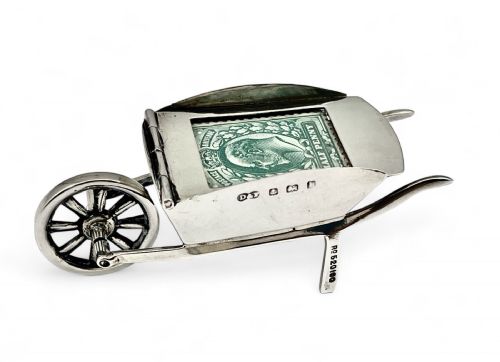

Edwardian Stamp Case
An edwardian stamp case brings miniature silver artistry to the desk, offering a tactile piece of postal history that collectors prize for inventive novelty forms.
Edwardian Stamp Case
Makers also produced inventive novelty designs shaped as garden wheelbarrows, garden trugs, satchels, and purses alongside standard wallet combinations. These items reflect a period when everyday desktop items received whimsical, highly detailed treatment from silversmiths.
Most examples originate from the Edwardian period or the broader span of the early twentieth century, carrying hallmarks from assay offices such as Birmingham and Chester. They function equally well today as small trinket holders or pocket keepsakes for daily use.
Quality variations
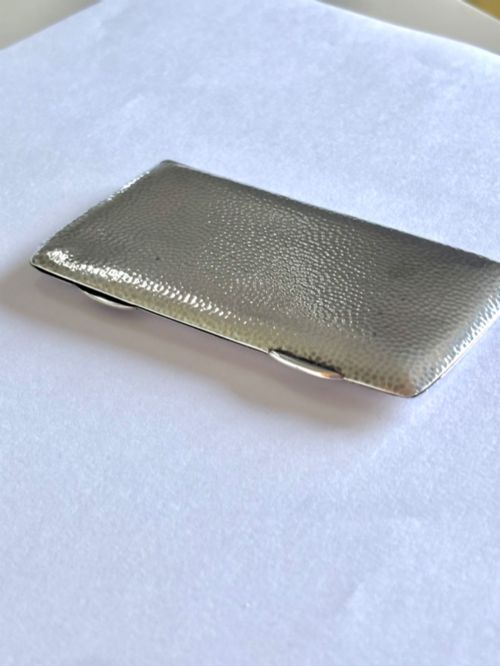
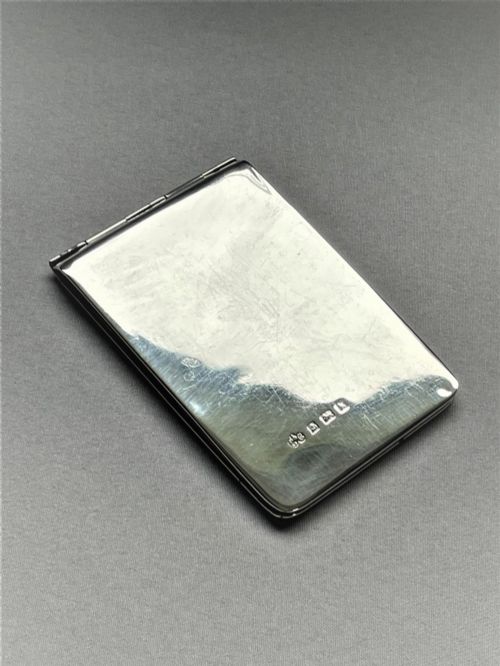
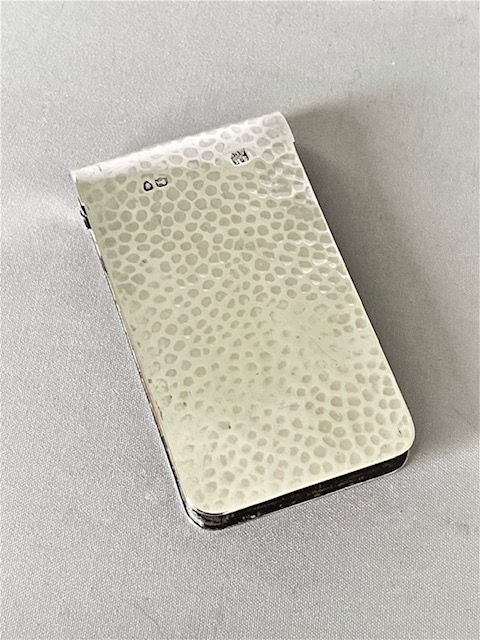
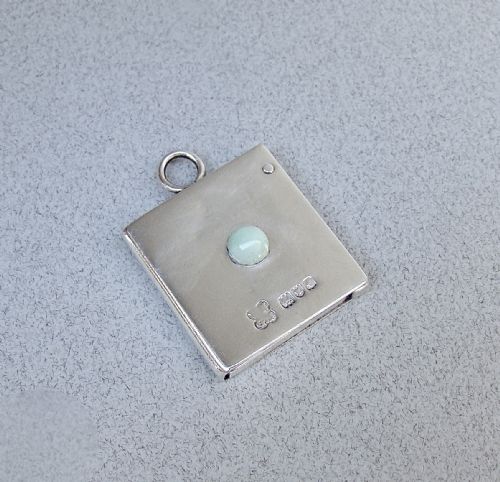
Quality rests on the crispness of the maker's hallmarks and the structural integrity of tiny hinges and catches that must still operate smoothly today. Surface decoration marks the divide between standard production items and superior pieces, particularly where hand-engraving or spot-hammering remains sharp and deep.
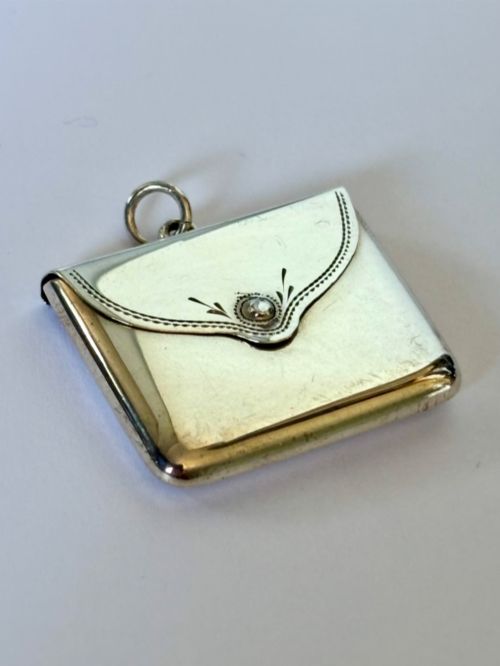
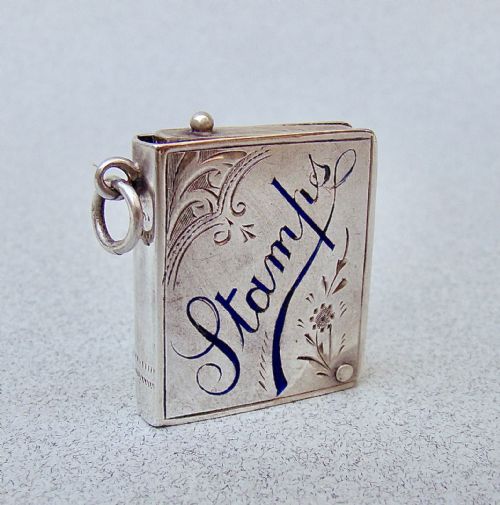
Novelty forms demand greater sculptural ambition from the silversmith, meaning pieces shaped as envelopes, books, or garden trugs command higher regard when proportion and detail align convincingly. The inclusion of secondary materials like enamel or turquoise elevates the visual ambition of the piece.
Silversmiths turned mundane postal administration into high art by crafting solid silver garden wheelbarrows designed to hold tiny postage stamps.
Willian Aitken·Crisford and Norris·Sampson Morden·W and G Neal·Albert Ernest Jenkins·Levi and Salaman·Sydney and Co·Gourdel Vales and Co
The Edwardian Stamp Case Glossary
- Hallmark
- Official marks stamped onto precious metals indicating purity, the assay office, and the year of manufacture. These tiny impressions provide the primary evidence for dating an edwardian stamp case.
- Vesta case
- A small pocket container designed for holding matches, frequently combined with stamp compartments in dual-purpose Edwardian accessories.
- Sterling silver
- An alloy consisting of ninety-two point five percent silver and seven point five percent other metals, typically copper. This standard composition appears across almost all silver items listed here.
- Arts and Crafts
- A design movement emphasising handcraftsmanship and simple forms over mass production. Pieces from this style often feature distinctive hammered surfaces.
- Assay office
- An organisation that tests the purity of precious metals and stamps the corresponding hallmarks. Common locations found on these pieces include Birmingham and Chester.
Edwardian Stamp Case: Frequently Asked Questions
What were stamp cases used for?
These miniature containers kept gummed postage stamps flat, dry, and ready for use in an era of heavy letter writing. People kept them on writing desks or carried them in pockets and handbags.
Because stamps easily stuck together in humid weather, these dedicated cases provided a practical solution for daily correspondence.
How do I date an edwardian stamp case?
Dating relies entirely on the small hallmarks stamped directly into the silver by official assay offices. These letter codes and symbols reveal the exact year and city of manufacture.
Stylistic cues like envelope flaps or book bindings help narrow the period when hallmarks are rubbed or unclear.
Are these cases still useful today?
Many collectors use them to store modern stamps, business cards, pills, or tiny keepsakes. Their small dimensions make them ideal pocket companions or display items on a shelf.
The sturdy silver construction ensures that the mechanical hinges and clasps continue to function reliably after a century.
Why do some cases have multiple compartments?
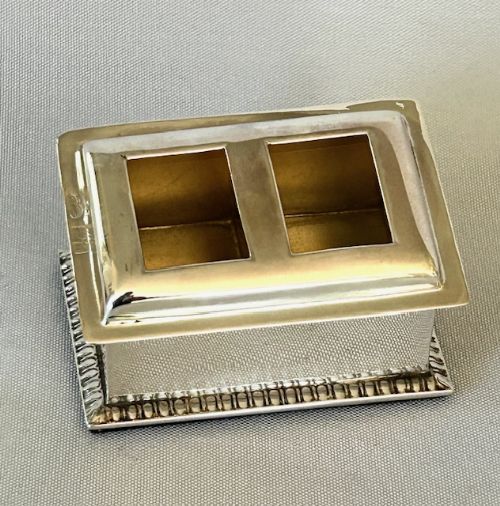
Double and triple stamp boxes allowed Victorians and Edwardians to carry different denominations of stamps simultaneously for inland and foreign postage rates.
Divided interiors kept penny stamps separate from higher-value issues required for overseas letters.