



Antique Staffordshire Statue
An antique staffordshire statue captures the charm of nineteenth century hearths through figures of animals and notable personalities.
Antique Staffordshire Statue
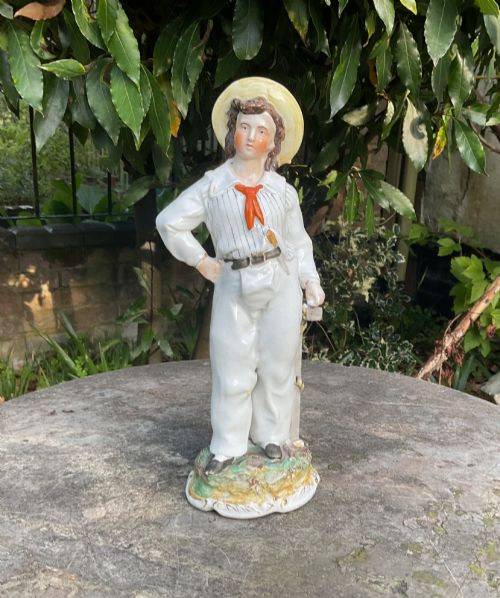
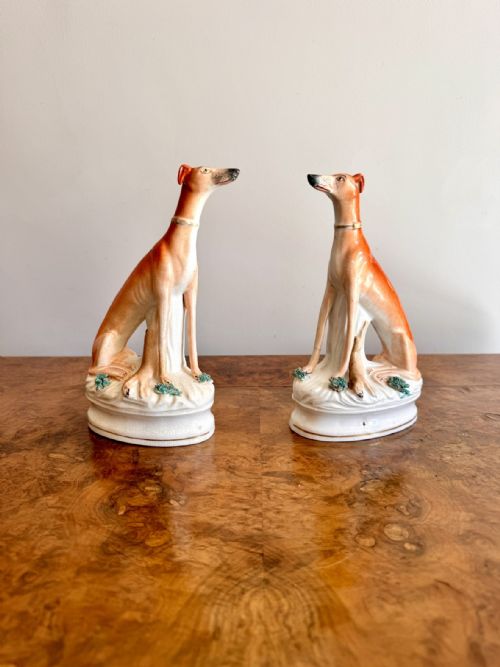
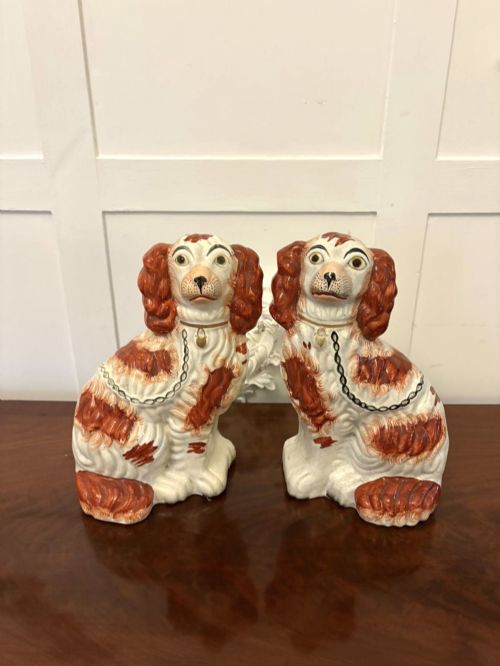
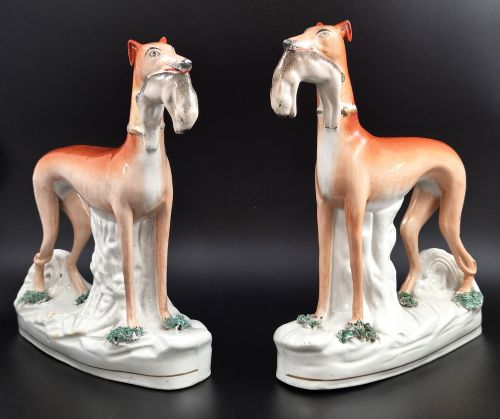
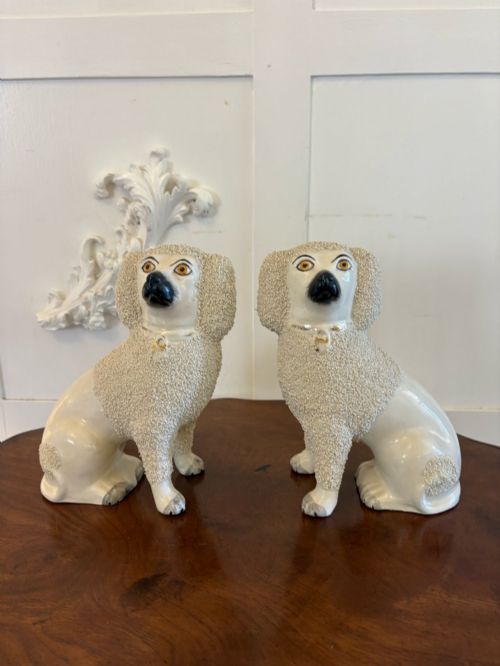
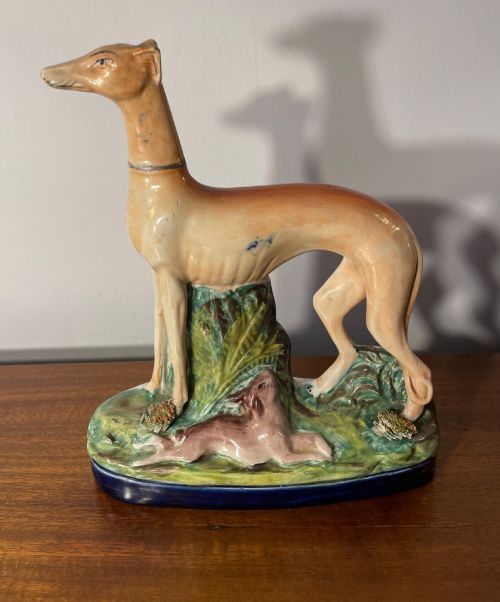
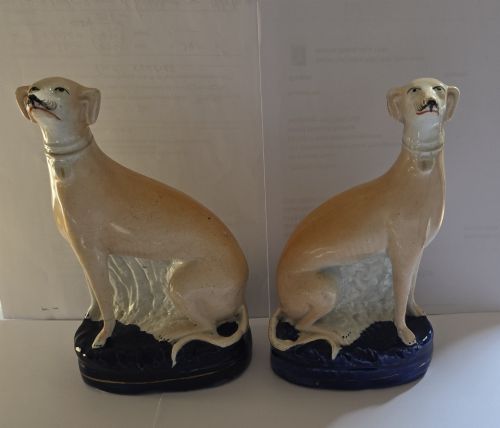
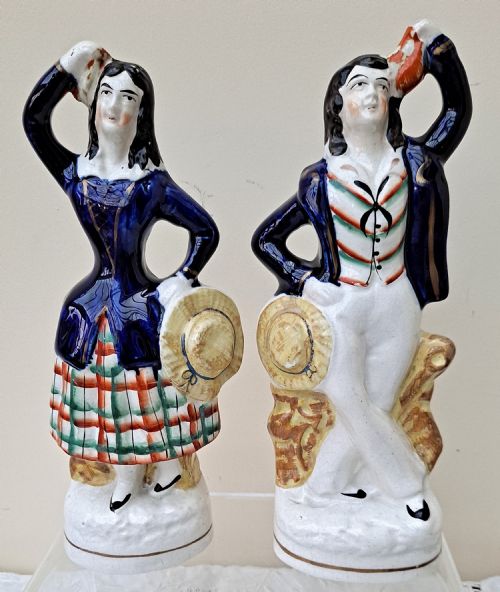
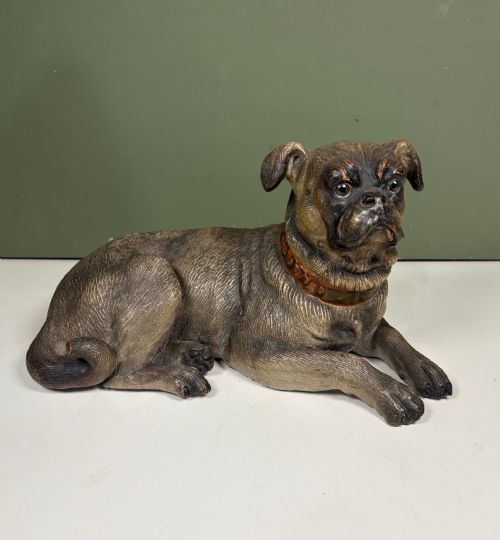
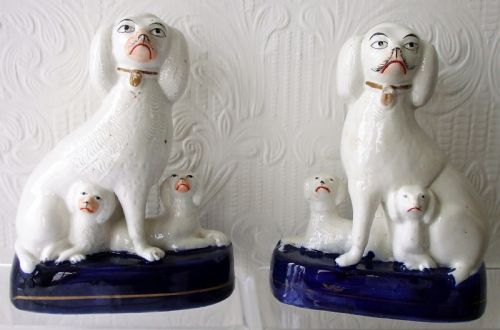
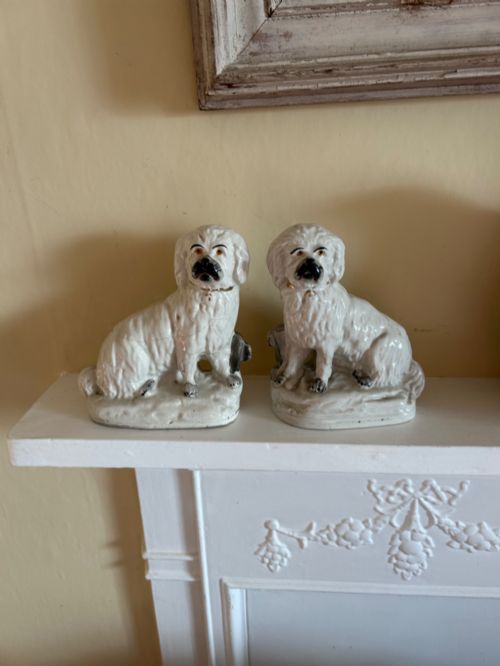
An antique staffordshire statue represents the rich output of pottery figures from the ceramic factories in the Midlands, spanning the eighteenth and nineteenth centuries. Buyers searching this phrase most frequently encounter Victorian mantelpiece ornaments, particularly pairs of spaniels, greyhounds, poodles and pugs.
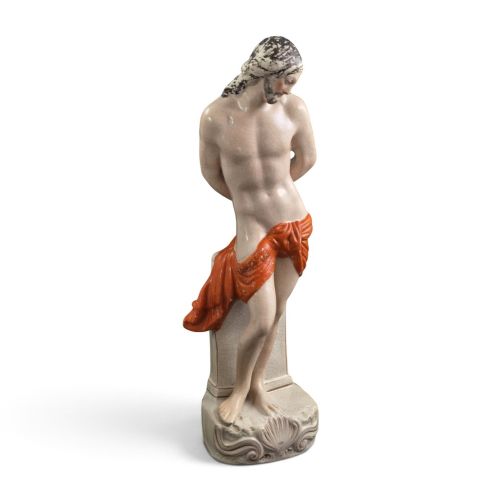
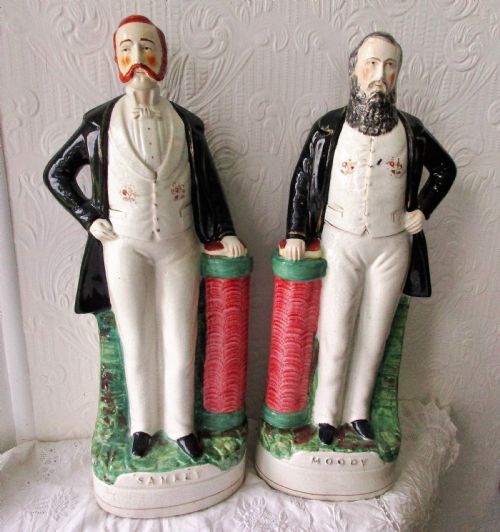
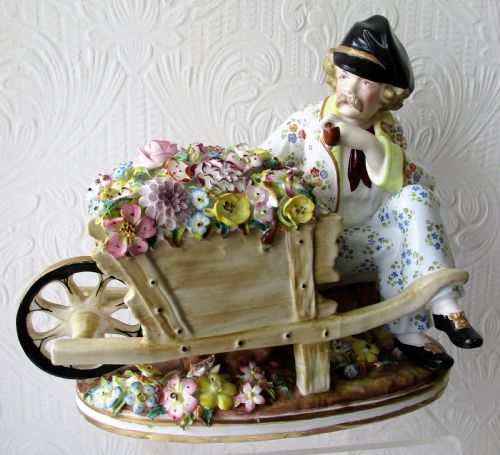
The subjects extend beyond domestic animals to encompass theatrical personalities, literary characters, royalty and biblical scenes like the Vicar and Moses or Abraham offering up Isaac. Many of these ceramic figures served utilitarian functions alongside decoration, including spill vases and quill holders.
Examples range from early pearlware pieces dating to the eighteenth century through to late Victorian and Edwardian productions. The groupings include recumbent lions, equestrian figures such as Joan of Arc, and portrait figures depicting historical events or contemporary public figures.
How They Were Made
Earlier productions relied upon pearlware bodies with underglaze or overglaze polychrome decoration, while later Victorian pieces utilised refined earthenware and porcelain. The kiln firing set the ceramic body and fixed the vibrant enamel colours used by the decorators.
Antique Staffordshire Statue Retail Price Guide 2026
Typical asking prices for staffordshire statue among the pieces listed under this phrase on Sellingantiques today, from the lower quarter to the upper quarter. They describe what is for sale here now, not the wider market.
Pugs and poodles smugly share mantel space with solemn lions and temperance reformers.
What Varies in Quality
Artistic execution separates superior models from standard production, visible in the precision of the moulding and the delicacy of the hand painting on faces and coats. Modelling that captures lively expressions and accurate anatomy, particularly on animals like greyhounds and spaniels, distinguishes the finest pieces.
The retention of original enamel paint and gold leaf without excessive rubbing elevates a figure's visual impact. Scale and proportion also influence desirability, with unusually large models or well-matched pairs commanding particular attention from collectors.
John Bevington·Ralph Wood·Wooley
The Antique Staffordshire Statue Glossary
- Pearlware
- A refined earthenware body developed in the late eighteenth century featuring a subtle bluish glaze that pooled in recesses. This precursor to later Victorian bodies often carried bright enamel colours.
- Spill vase
- A hollow cylindrical container attached to a figure, designed to hold taper spills used for lighting pipes or candles. These practical additions are frequently modelled as tree trunks beside animals.
- Enamel paint
- Vitreous pigments applied over the fired glaze and subjected to a lower temperature kiln firing to fix the colours. This technique allowed for the bright palettes seen on Victorian portrait figures.
- Quill holder
- A ceramic base incorporating small receptacles intended for resting writing quills or pens on a desk. They share similar figural subjects with standard mantelpiece ornaments.
- Earthenware
- A porous ceramic body fired at lower temperatures, commonly utilised for Staffordshire pottery figures. It requires a glaze to render it impermeable to liquids.
Antique Staffordshire Statue: Frequently Asked Questions
How do I identify a Victorian Staffordshire dog?
Victorian Staffordshire dogs are typically modelled as seated spaniels, greyhounds, poodles or pugs, often produced in pairs facing one another. They frequently feature hand-painted details, gilt highlights, and distinct facial markings characteristic of nineteenth-century ceramic production.
Examining the base often reveals a hollow interior and vent holes typical of press-moulded earthenware. The presence of crazing in the glaze further points to the age and material authenticity of these mantelpiece figures.
Were these figures meant for display?
These ceramic pieces served primarily as decorative ornaments for the mantelpiece in nineteenth-century homes, reflecting the tastes and moral interests of the period. Figures depicting literary characters, temperance themes, and royalty provided conversational focal points for the parlour.
Certain forms also fulfilled practical household duties alongside their decorative role. Spill vases held tapers for lighting fires, while quill holders accommodated writing instruments on desks.
What is the difference between pearlware and later earthenware?
Pearlware is an earlier ceramic body developed in the late eighteenth century, distinguished by a pale blue-tinted glaze that pooled in crevices. It represents a transitional phase toward the whiter bodies used in the nineteenth century.
Later Victorian pieces generally utilised a standard earthenware body covered in a clearer glaze, decorated with robust enamel paints and sometimes gold leaf. These later figures often exhibit bolder colour palettes and heavier moulding.
How should I clean my antique figures?
Dust these ceramic pieces gently using a soft, dry brush to prevent accumulation in the crevices of the moulded details. Avoid submerging them in water or using harsh chemical cleaners, as this can damage the delicate overglaze enamel paint and gold leaf.
Display them away from direct sunlight and areas of high humidity to protect the glaze and body. Careful handling prevents chipping on fragile elements like protruding ears or paws.