

Antique Square Accent Table
An antique square accent table brings compact geometry and period warmth to a room, functioning effortlessly beside seating or in quiet corners.
Antique Square Accent Table
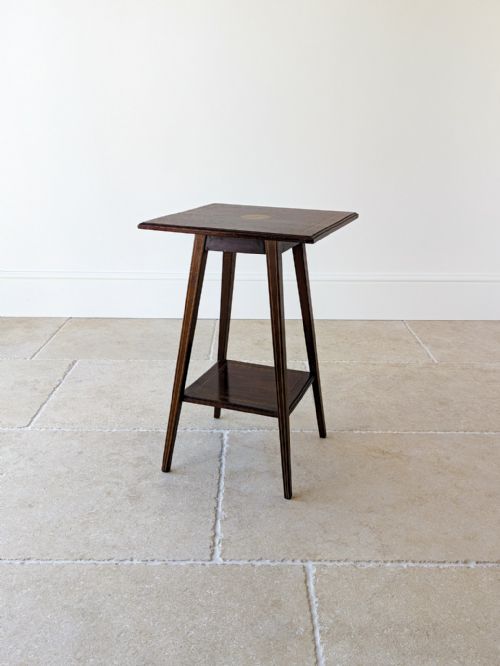
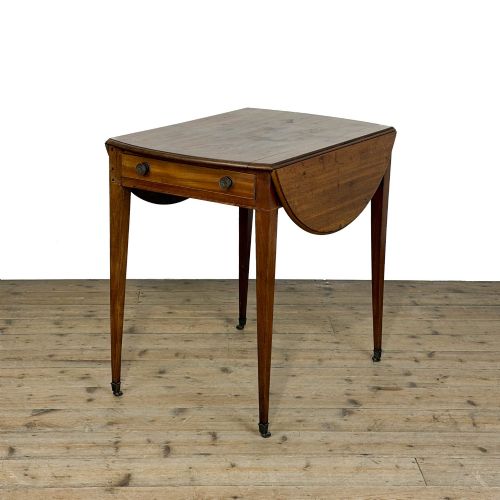
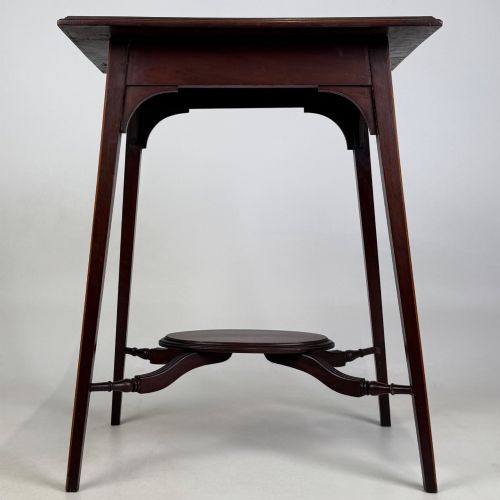
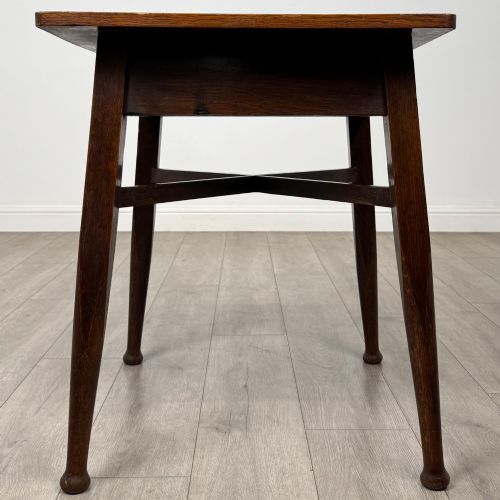
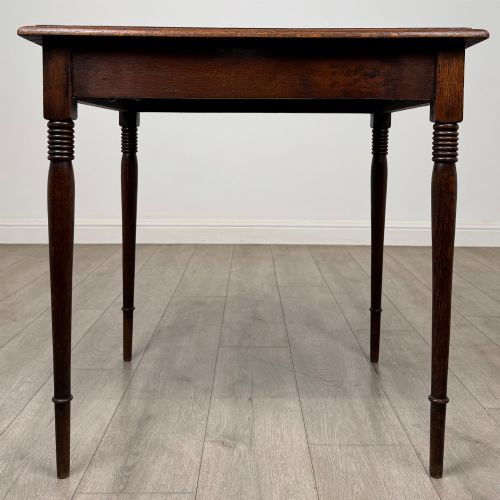
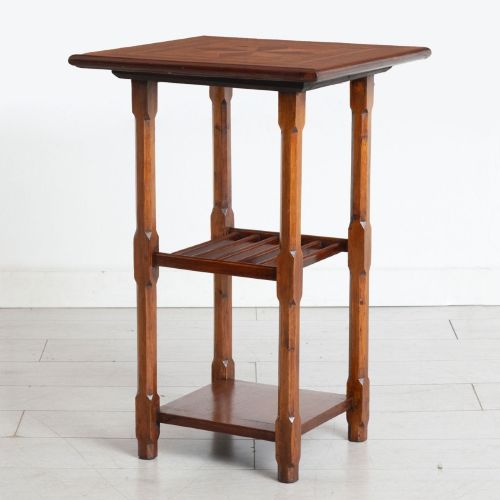
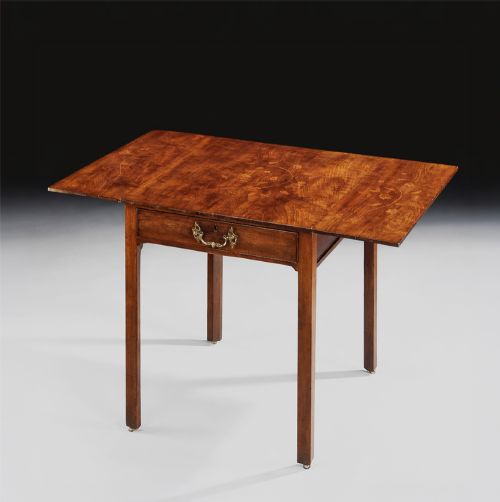
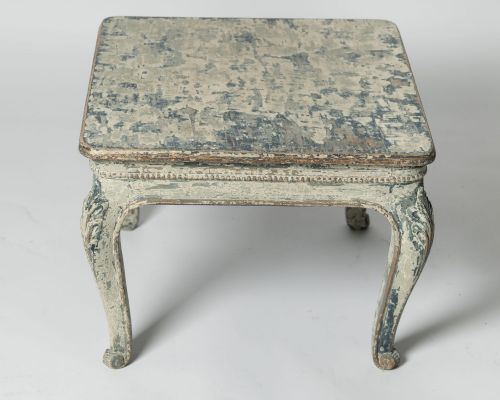
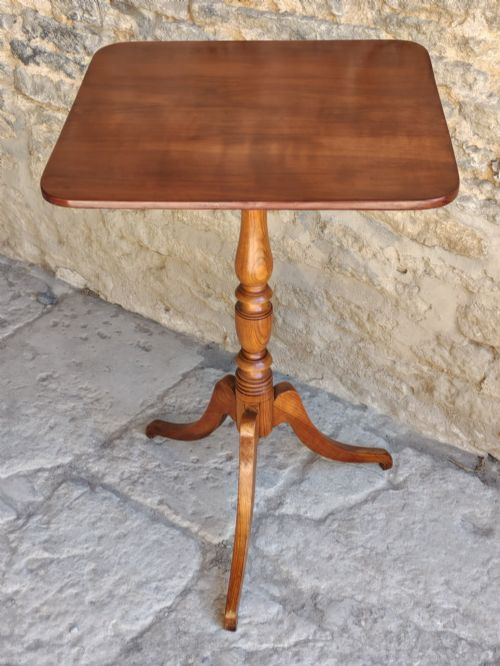
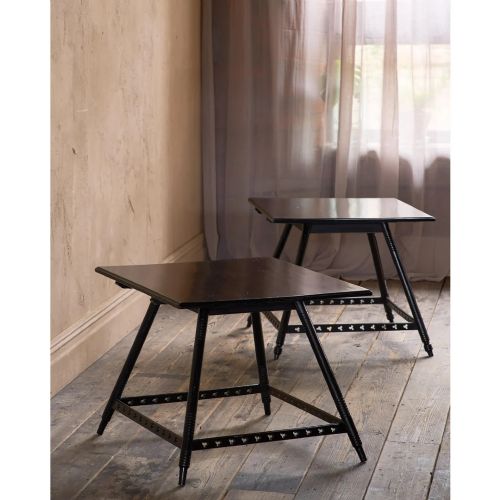
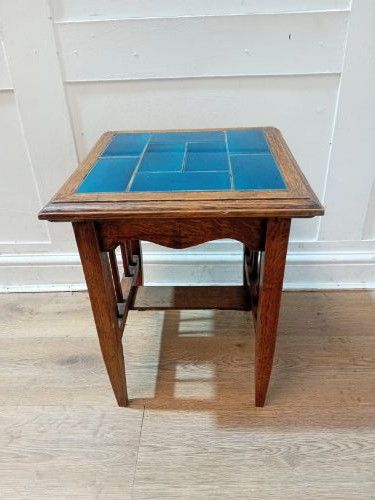
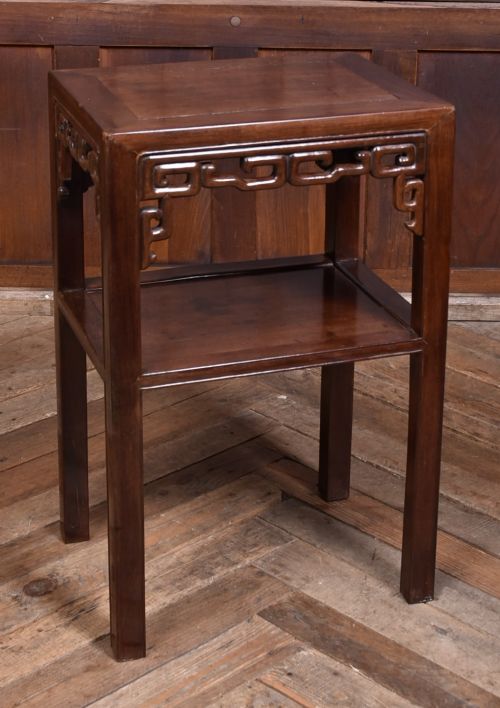
An antique square accent table encompasses a variety of compact occasional furniture pieces designed for utility and display. The listings here reveal forms ranging from Edwardian side tables and George III kettle stands to Arts and Crafts oak tables and Chinese hardwood stands.
The stylistic lineage stretches from Georgian proportion through the Aesthetic Movement and Arts and Crafts ideals to early 20th-century work. Each period imparts distinct characteristics regarding edge profiles, leg turning, and surface treatment.
Materials and construction methods
Cabinetmakers relied heavily on durable timbers such as mahogany, oak, and walnut, often accenting them with satinwood, boxwood, or brass inlay. These materials provided the structural integrity required for everyday occasional use while offering rich natural grain patterns.
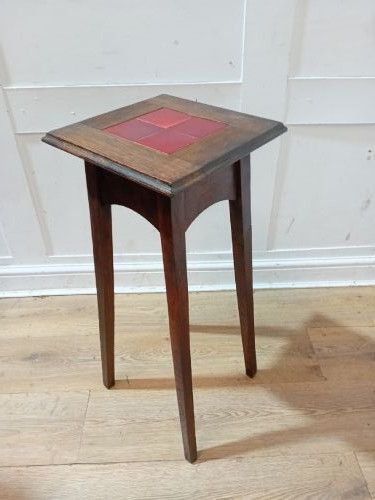
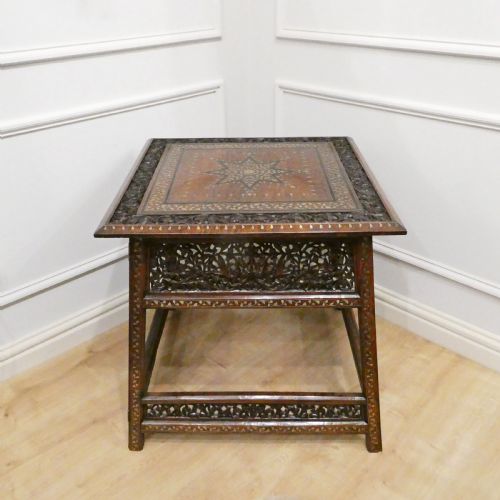
Construction techniques visible across the period spectrum combine traditional joinery with decorative surface work. Examples feature marquetry, penwork decoration, tile insets, and hand-carved details that reflect the prevailing aesthetic of their manufacturing decade.
Several tables manage to incorporate folding flaps, tiles, brass inlay, and barley twist legs all into one compact frame.
Assessing quality in period tables
Quality rests primarily in the crispness of the cabinetwork and the selection of timber. Superior examples exhibit tightly fitted joinery, well-figured wood veneers, and restrained, precise inlay work rather than heavy-handed decoration.
Proportion and structural balance distinguish finer pieces from standard utilitarian items. The interaction between top dimensions, leg thickness, and support framing determines the visual harmony of the finished table.
Liberty of London·Baillie Scott
The Antique Square Accent Table Glossary
- Pembroke table
- A small table with hinged drop flaps on either side, often supported by pivoting brackets.
- Occasional table
- A light, movable side table intended for general use in a reception room or parlour.
- Marquetry
- Decorative veneer applied in patterned designs using various woods, metals, or other materials.
- Joint stool
- A sturdy, low wooden stool constructed with mortise and tenon joints, frequently serving multiple household uses.
- Tripod table
- A small occasional table supported by a central pillar resting on three spreading feet.
Antique Square Accent Table: Frequently Asked Questions
Where should I place a square accent table?
These compact pieces suit narrow spaces, fitting neatly beside armchairs or sofas where a round table might waste corners.
They also function effectively as plant stands or bedside surfaces in rooms requiring modest furniture footprints.
How do I identify an Edwardian side table?
Edwardian examples frequently display lighter proportions, satinwood inlay, and Sheraton Revival influences dating from around nineteen hundred.
They often utilise mahogany or oak and show machine-assisted precision alongside traditional hand-finishing.
What is an Aesthetic Movement table?
Aesthetic Movement tables, emerging in the late nineteenth century, often feature ebonised surfaces and clean structural lines.
They prioritise artistic visual composition over heavy historical revivalism, aligning with contemporary design reform.
How do Arts and Crafts tables differ?
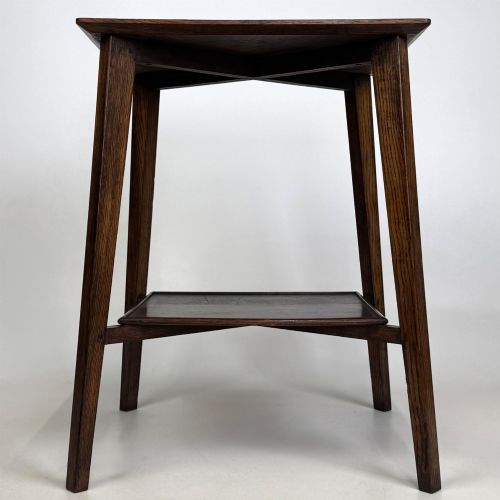
Arts and Crafts pieces emphasise visible construction, exposed joinery, and honest materials like solid oak.
Maker craftsmanship takes precedence over elaborate surface ornamentation, resulting in robust and utilitarian forms.