

Antique Spoon Set
An antique spoon set brings matched silver, fitted cases and period design straight to the table or cabinet.
Antique Spoon Set
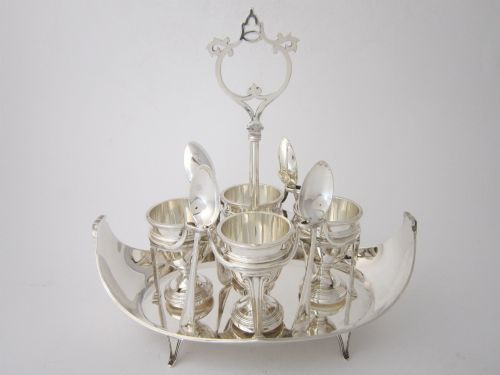
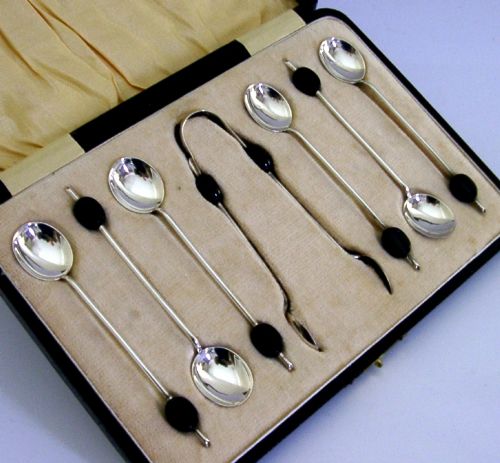
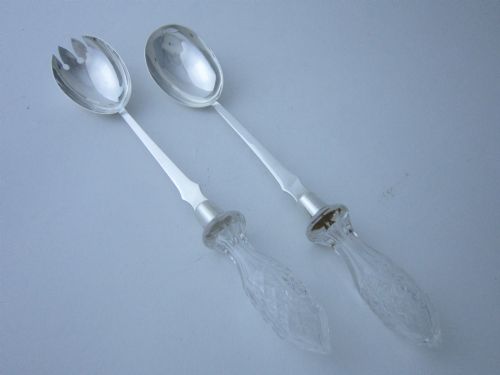
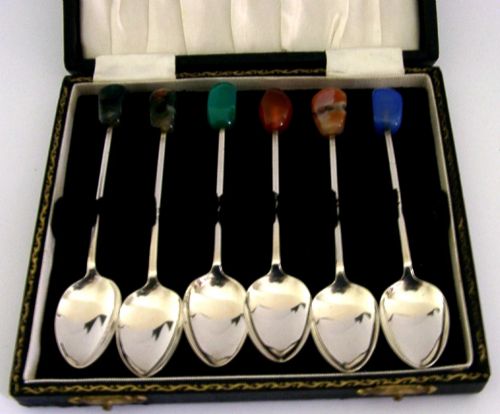
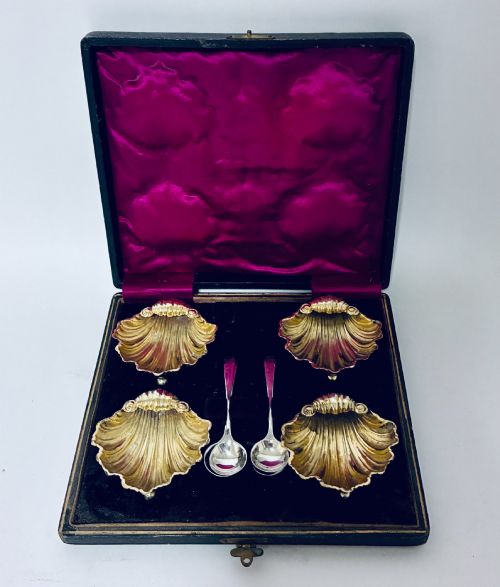
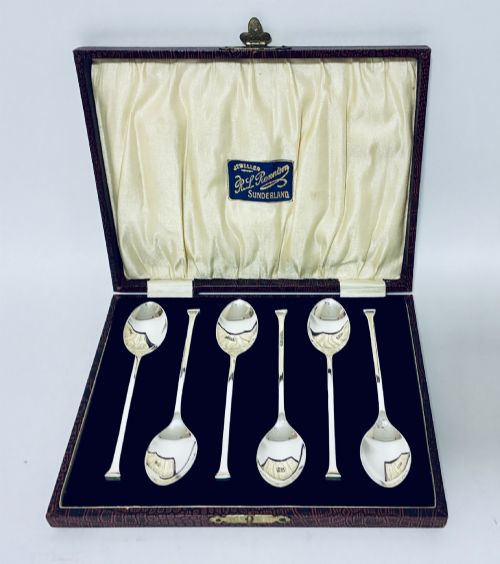
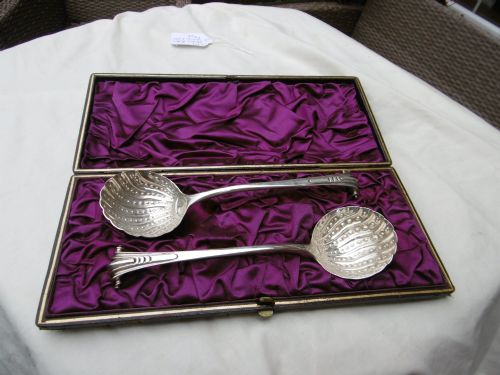
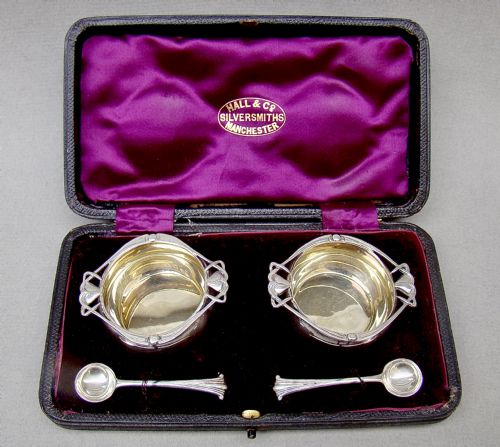
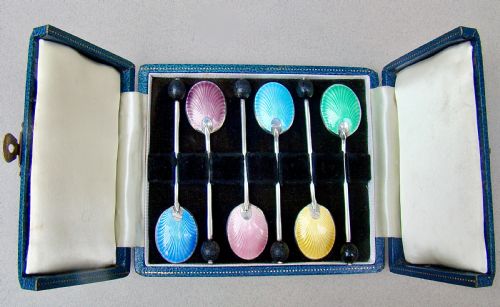
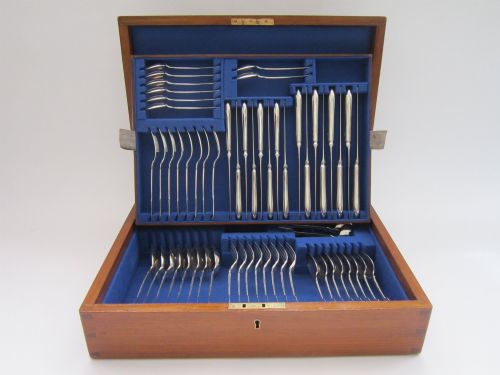
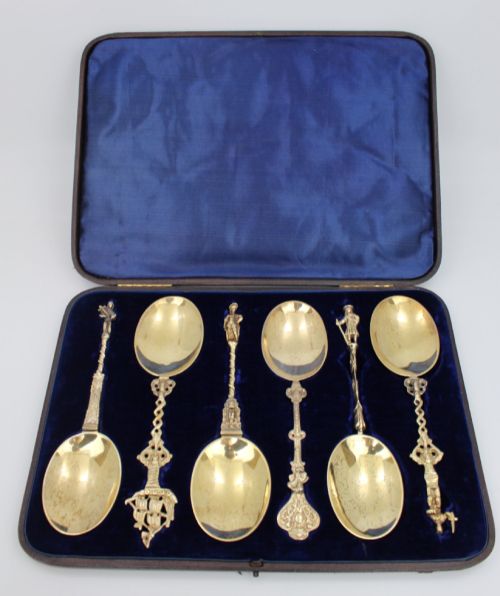
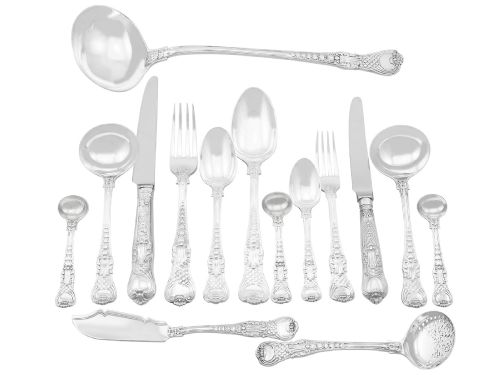
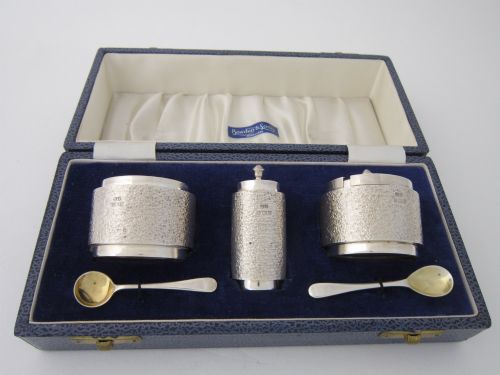
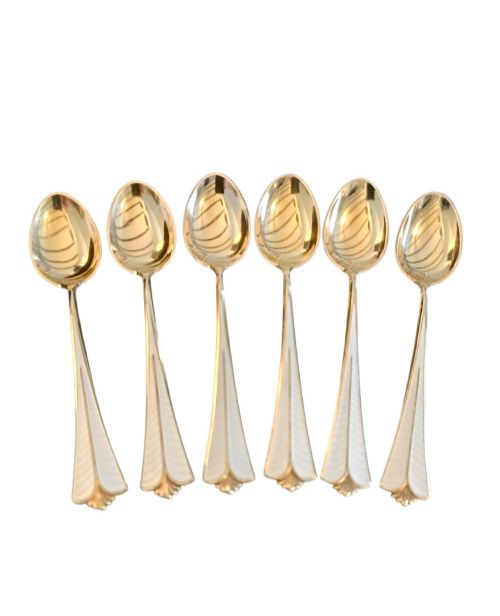
When you search for an antique spoon set, you encounter groupings ranging from paired salt cellars and matched serving spoons to extensive canteens of flatware for dining rooms. The pieces span Georgian bright-cut teaspoons, Victorian christening sets, Edwardian salad servers and Art Deco coffee spoons.
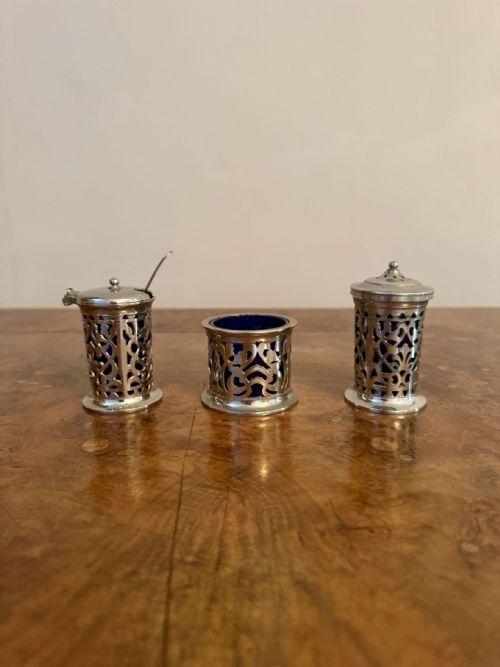
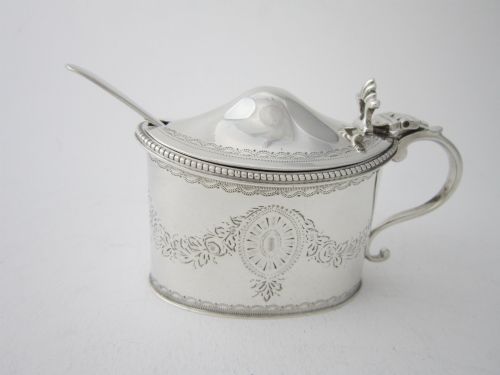
The sets frequently arrive in fitted presentation boxes lined with velvet, silk or satin, protected by leather or leatherette outers. Many assemblies include specialised implements such as grapefruit spoons, jam spoons, mustard pots and sugar tongs alongside standard teaspoons.
How they were made
Makers shaped these sets primarily from sterling silver, silver-gilt and solid silver, occasionally pairing the metal with glass liners, semi-precious stones or enamel work. Workshops employed traditional techniques like rat tail reinforcement, bright-cut engraving and figural casting.
Presentation cases required skilled work in wood, leather and textiles to cradle each spoon, salt cellar or fork securely in custom-moulded interiors.
Antique Spoon Set Retail Price Guide 2026
Typical asking prices for spoon set among the pieces listed under this phrase on Sellingantiques today, from the lower quarter to the upper quarter. They describe what is for sale here now, not the wider market.
Listings feature periods from Georgian and Victorian through Edwardian up to Art Deco and the 1950s.
What varies in quality
The distinction between standard sets and exceptional pieces rests in the weight of the silver, the crispness of the chasing or bright-cut engraving, and the completeness of the original fitted case. Complete canteens and matched boxed sets by noted makers display superior cohesion across every component.
The integrity of secondary materials, such as undamaged glass liners in salt cellars and unblemished velvet or silk linings within the cases, elevates the standing of a set.
Josiah Williams & Co·Deakin & Francis·Hamilton & Inches·Charles & George Fox
The Antique Spoon Set Glossary
- Sterling silver
- A silver alloy containing 92.5 percent pure silver and 7.5 percent other metals, usually copper, ensuring durability for cutlery.
- Silver-gilt
- Silver that has been coated with a thin layer of gold on its surface, often seen on apostle spoons.
- Bright-cut
- An engraving technique utilising faceted cuts to create a sparkling, geometric pattern on the surface of spoons.
- Fiddle pattern
- A traditional cutlery handle shape characterised by a narrow stem widening towards a squared shoulder and downturned end.
- Apostle spoons
- Spoons featuring figures of the apostles cast on the handle terminals, traditionally made in sets.
- Rat tail
- A strengthening tongue of metal extending from the back of the bowl down the stem of a spoon.
Antique Spoon Set: Frequently Asked Questions
What are antique spoon sets used for?
These sets serve dining, tea service and decorative display, with specialised groupings designed for fruit, condiments, desserts or christening ceremonies.
Many sets remain housed in their original fitted presentation boxes, intended for safe storage and formal gifting.
How do I care for antique silver sets?
Silver requires gentle cleaning with specialised silver cloths and mild, non-abrasive polishes to preserve hallmarks and delicate engraving.
Storing sets in their original velvet or silk-lined cases protects the pieces from tarnish and physical damage.
How do I identify the period of a set?
Hallmarks stamped onto the metal indicate the assay office, standard of silver and year of manufacture, allowing precise dating.
Stylistic indicators such as bright-cut engraving, Art Deco enamel or heavy cast figures also point to specific eras like the Georgian or Victorian periods.
Are all spoon sets sold in boxes?
Many sets from the Victorian, Edwardian and later periods include fitted leatherette or leather cases lined with silk or velvet, though others are loose collections.
Original boxes often feature maker stamps on the inner satin lid, adding context to the pieces inside.