
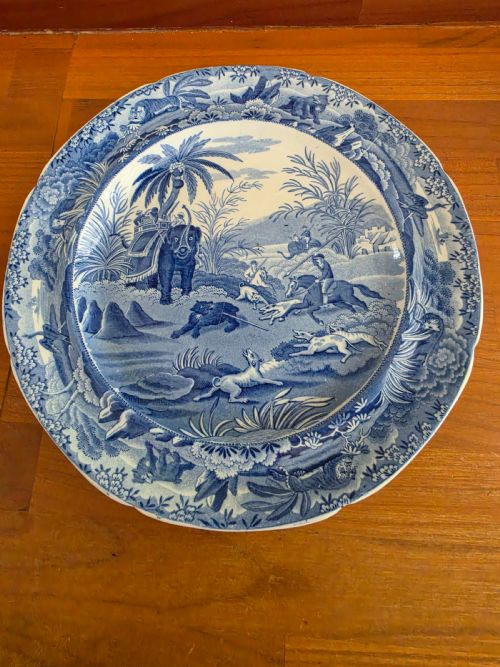


Antique Spode Pottery
Antique spode pottery brings enduring English ceramic craft into the home, offering both decorative presence and practical utility across classic tableware forms.
Antique Spode Pottery
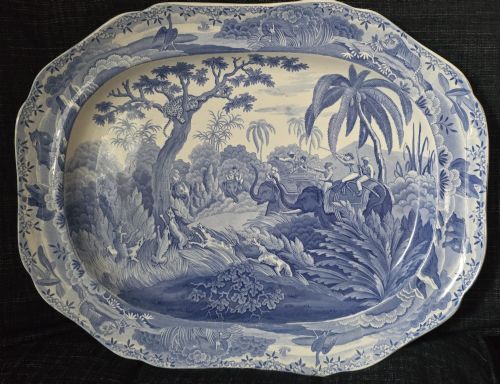
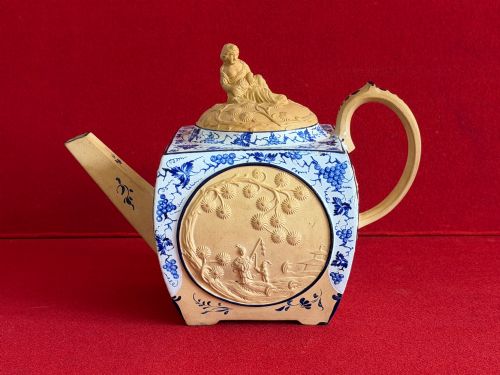
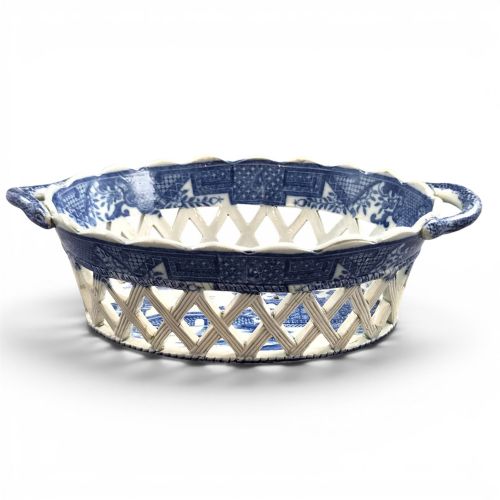
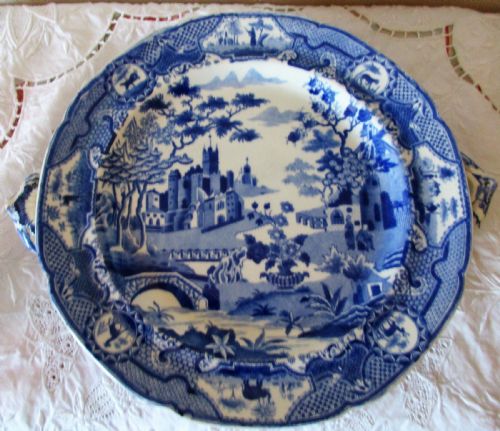
When you search for antique spode pottery, you encounter a diverse selection of nineteenth-century earthenware, ironstone, and pearlware items spanning the Georgian, Regency, and Victorian periods. The offerings range from decorative plates and serving platters to functional teapots, jugs, basins, and chestnut baskets.
You are most likely to meet blue and white transfer-printed items, such as the Bridge of Lucano or Tower patterns, alongside distinctive moulded forms like footbaths and reticulated baskets. These pieces reflect the standard domestic and decorative output of the Staffordshire potteries across the 1800s and into the early twentieth century.
How they were made
Potters shaped earthenware, pearlware, and ironstone bodies either by throwing on a wheel or by pressing clay into moulds to create complex vessels like chestnut baskets and footbaths. Artisans then applied intricate transfer prints from engraved copper plates onto the ceramic surface before glazing.
Many pieces received hand-painted touches or gilding over the glaze to highlight specific decorative elements such as borders and scenic details. Subsequent firing in kilns vitrified the body and fixed the cobalt blue and polychrome pigments beneath or upon the transparent glaze.
Bears appearing on nineteenth-century plates remind us that Victorian dinner tables occasionally preferred a roaring beast to floral borders.
What varies in quality
The clarity and crispness of the transfer print dictate much of the visual success, with superior examples showing sharp outlines and deep, even tones across the entire surface. Inferior pieces often suffer from blurred transfers, smudged cobalt, or uneven glaze pooling.
The complexity of the form and the presence of hand-finished details, such as gilding or moulded reticulation, separate standard utilitarian wares from ambitious decorative items like large footbaths or pierced chestnut baskets.
Spode·Copeland Spode·Copeland and Garrett
The Antique Spode Pottery Glossary
- Transferware
- Earthenware decorated by applying a printed design from an engraved copper plate using tissue paper. This technique allowed intricate pictorial scenes to be reproduced consistently.
- Pearlware
- A refined earthenware developed in the late eighteenth century featuring a bluish glaze that pooled in recesses to create a whiter appearance than creamware.
- Ironstone
- A durable, heavy ceramic body patented in the nineteenth century designed to resist chipping and cracking during heavy daily use.
- Reticulation
- An openwork trellis or pierced lattice pattern cut into the clay of baskets and stands before firing. This decorative technique required considerable skill to prevent warping in the kiln.
- Basalt
- A fine-grained, unglazed black stoneware used for neoclassical teapots and decorative vessels. Its dark body relies entirely on crisp moulding and texture for effect.
Antique Spode Pottery: Frequently Asked Questions
How do I date antique spode pottery?
Dating relies on body types, backstamps, and stylistic periods such as Georgian or Victorian. Early nineteenth-century pieces often feature specific transfer patterns and earthenware bodies.
Later works from the end of the century introduce Copeland or Copeland and Garrett marks alongside distinct commemorative inscriptions.
Can I use antique spode plates for dining?
Most antique earthenware and pearlware plates withstand careful hand washing, though age and historic glazes advise cautious handling. Many collectors prefer to display decorative plates and platters on walls or stands.
Teapots and jugs see occasional service, but thermal shock and modern detergents can damage nineteenth-century surfaces.
What is the difference between pearlware and ironstone?
Pearlware is a lighter earthenware developed with a bluish-tinted glaze to mimic Chinese porcelain during the Georgian era. It tends to be more delicate in hand and earlier in date.
Ironstone is a heavier, sturdier ceramic body introduced later in the nineteenth century to handle robust daily use without sustaining damage.
Why is blue and white transfer print so common?
Cobalt blue pigment withstood high kiln temperatures reliably, ensuring the printed scenes remained stable and vibrant under the glaze. This method allowed Staffordshire potteries to mass-produce detailed pictorial wares efficiently.
Scenic views and architectural patterns met a strong consumer demand for romantic, exotic imagery in the home.