




Antique Spirit Stand
An antique spirit stand holds decanters or kettles securely for after-dinner service, bringing traditional hospitality and fine craftsmanship to a room.
Antique Spirit Stand
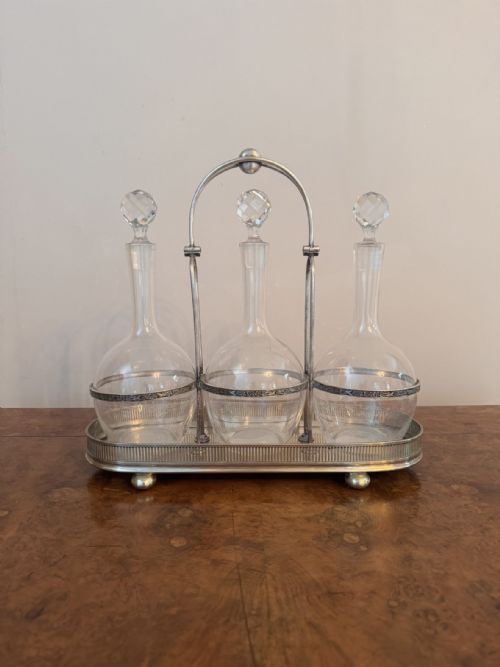
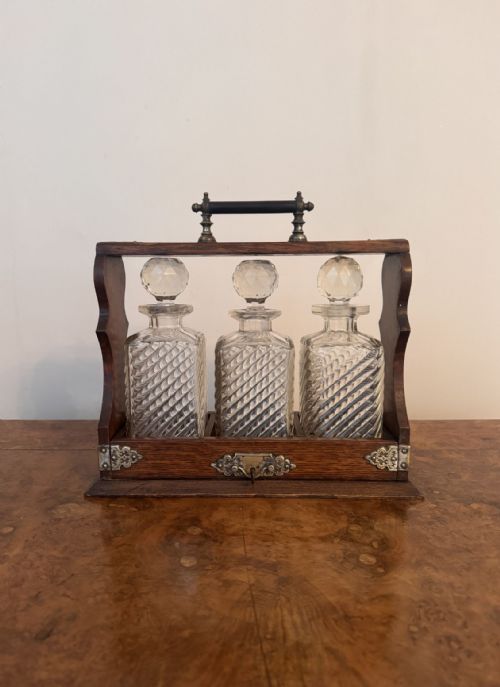
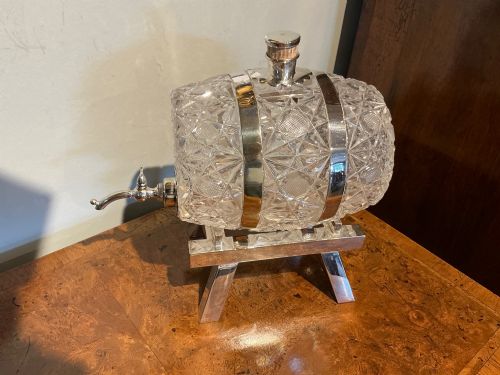
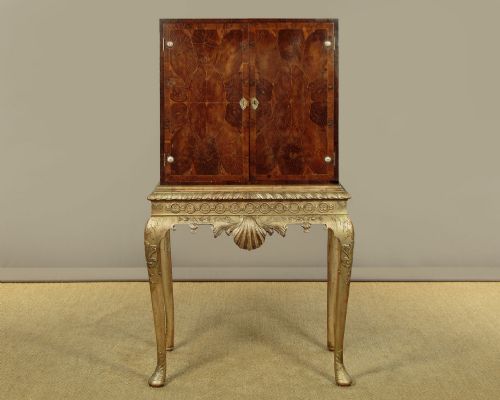
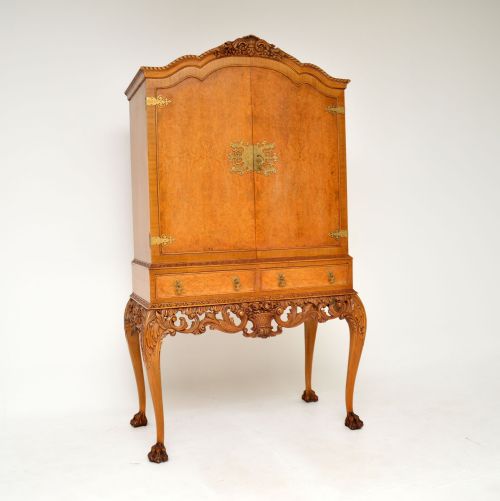
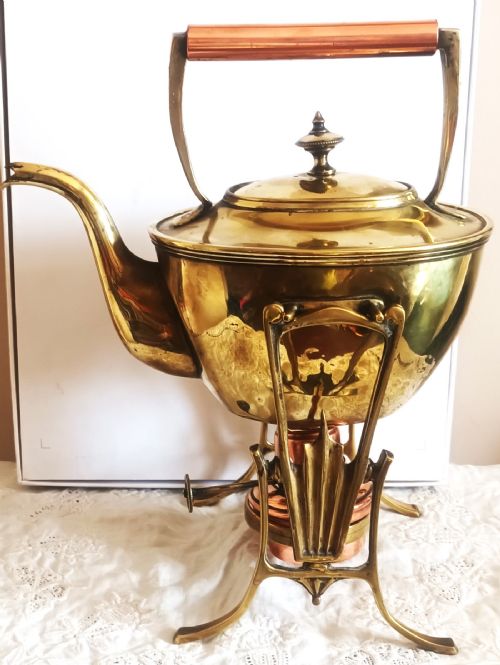
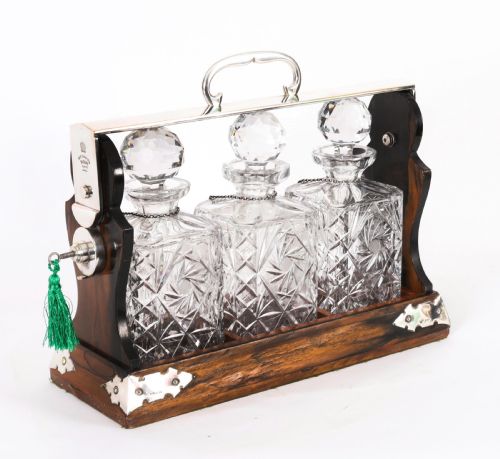
When you search for an antique spirit stand, you encounter a variety of forms designed to hold drinks, including tantalus frames, fitted kettles, and cellarettes. The selection ranges from Victorian oak frames locking three cut crystal decanters to Edwardian silver-plated kettle stands fitted with burners.
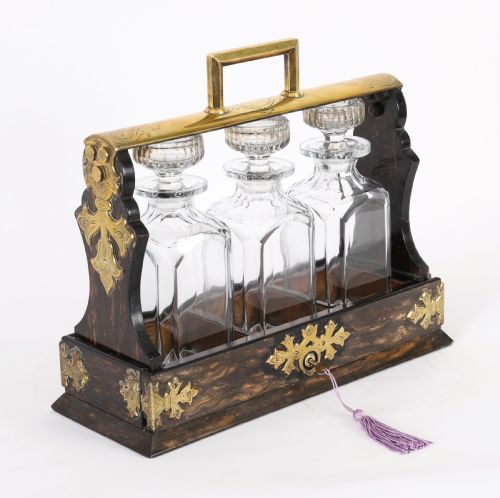
Most pieces date from the nineteenth and early twentieth centuries, spanning Victorian, Edwardian, and later periods. You will frequently find oak, mahogany, and coromandel housings paired with brass mounts, silver plate, and cut glass bottles.
Materials and construction methods
Makers utilised dense hardwoods such as oak, flame mahogany, and burr walnut for the primary frames and cabinets, often adding brass or copper bindings for structural strength and decoration. Metalwork components include cast brass, copper, and silver plate over base metals, alongside Sheffield plate on older examples.
Glassware components consist of heavy cut crystal and glass decanters, shaped to fit precisely within locking frames or portable stands. Burners and stands for spirit kettles integrate hinged handles, ceramic insulators, and small spirit lamps for heating water.
Early makers devised locking bars specifically to stop thirsty household staff from sampling the master's best whisky.
Assessing quality in stands and tantalus sets
Quality rests in the weight and purity of the materials, from heavy-gauge silver plating and solid brass mounts down to thick, hand-cut crystal decanters. Finer examples show crisp marquetry stringing, tight dovetail joints in the wooden bases, and fully operational locking mechanisms with working keys.
The integration of the stand with its vessels distinguishes ordinary utility items from superior pieces. Original matched decanters, intact burner assemblies, and marked maker plates elevate a piece above standard mass-produced variants.
William Soutter And Sons·Elkington·Mappin And Webb·Goodfellow And Son
The Antique Spirit Stand Glossary
- Cellarette
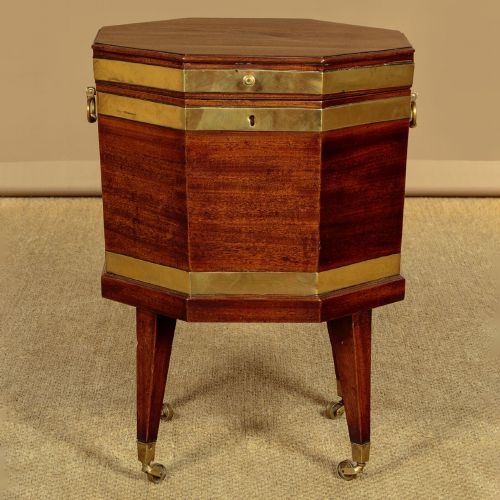
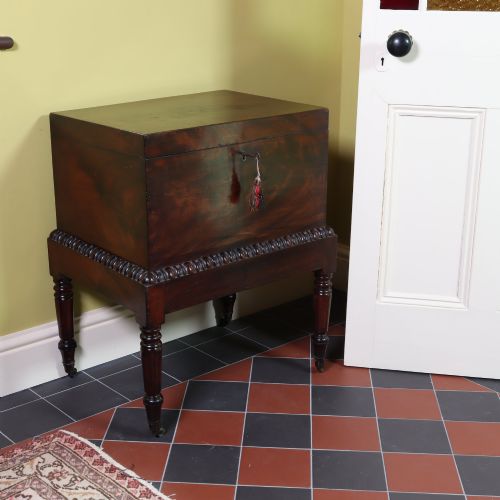
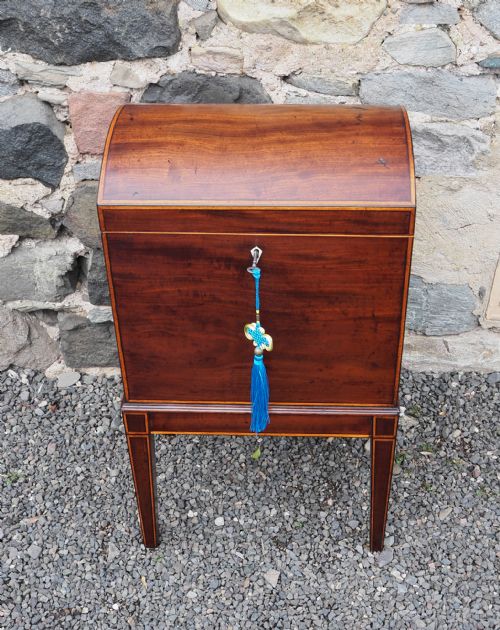
- A lockable cabinet or box designed to hold wine bottles and spirits, often standing on short legs or floor frames. Georgian examples frequently feature brass bound mahogany construction.
- Spirit kettle
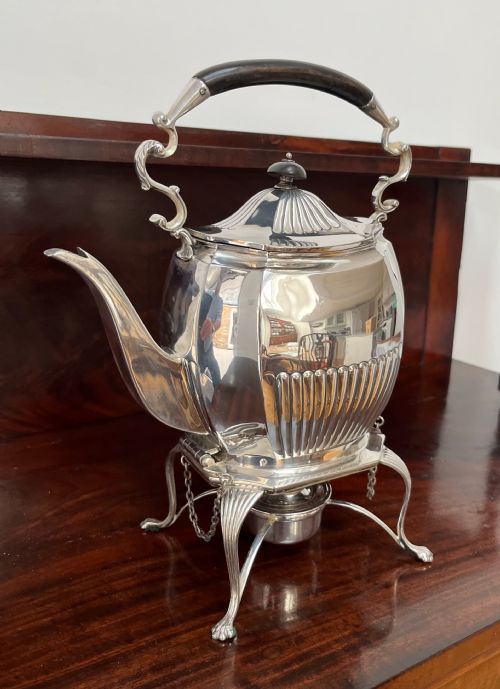
- A small metal kettle mounted on a metal frame above a small spirit burner for heating water. These were used during tea service and after-dinner hospitality.
- Old Sheffield plate
- A composite material made by fusing a thin sheet of silver to a thicker copper base. It was superseded by electroplating in the nineteenth century.
- Marquetry
- Inlaid wood patterns used to decorate the exterior surfaces of boxes and cabinets. Artisans slice thin veneers of contrasting timber to form geometric or floral designs.
Antique Spirit Stand: Frequently Asked Questions
How did people use spirit kettles?
Spirit kettles held hot water for tea or for diluting spirits at the dining table or in the drawing room. The integrated burner beneath the kettle kept the water warm throughout the evening.
Servants or hosts lit the small spirit lamp before bringing the stand into the room. This allowed guests to refresh their drinks without returning to the kitchen.
How do I date a tantalus?
Dating a tantalus involves examining the wood species, lock mechanism, and the style of the glass decanters. Victorian pieces often use solid oak or coromandel with heavy brass hardware, while Edwardian versions frequently incorporate silver plating.
Maker marks and patent stamps on the locking mechanism also provide specific chronological clues. Patents registered by makers like Betjemann help narrow down the production year.
Are the decanters usually original?
Many surviving stands retain their original cut crystal or glass decanters, though replacements are common due to breakage over the decades. Original decanters fit the wooden dividers and locking bar precisely.
Checking the base wear and glass tint helps determine whether the bottles match the age of the stand. Matched sets with correct stoppers hold higher interest for collectors.
How do I care for wooden stands?
Wooden stands and cabinets require stable indoor humidity to prevent the timber and veneer from splitting. Regular dusting and occasional application of appropriate furniture wax maintain the finish.
Metal components such as brass or silver plate benefit from gentle cleaning without harsh abrasives. Keeping the locks lightly lubricated ensures the mechanisms continue to function smoothly.