
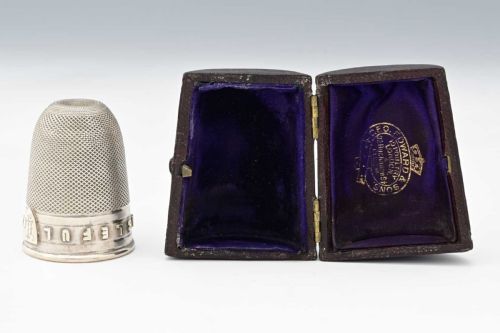


Antique Spirit Measure
An antique spirit measure brings the practical craft of historic hospitality straight to the modern bar.
Antique Spirit Measure
When you search for an antique spirit measure, you encounter a specialised form of barware, kitchenalia, and tavern measures used historically to portion alcohol. The pieces on this page span the eighteenth, nineteenth, and early twentieth centuries, reflecting both domestic use and tavern service.
The selection also includes novelty items like silver thimble tumblers, glass dram measures, and hydrometer sets designed for testing alcohol strength. These objects combine utilitarian purpose with regional design traits from England, Ireland, Scotland, and France.
Materials and construction
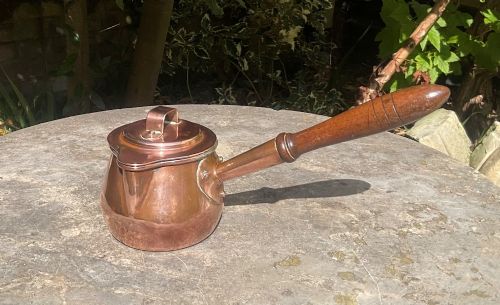
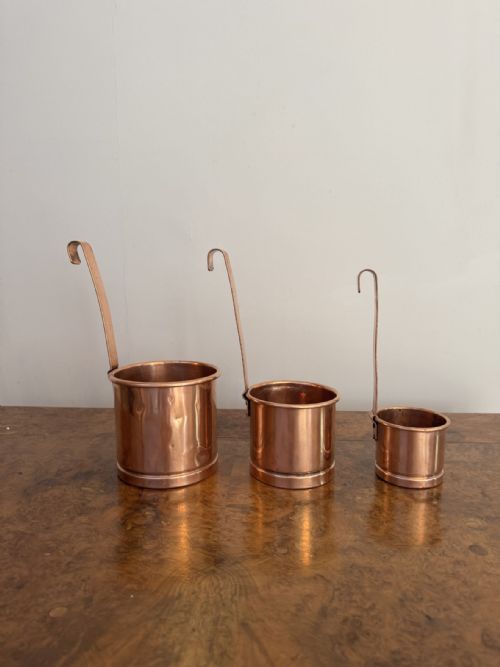
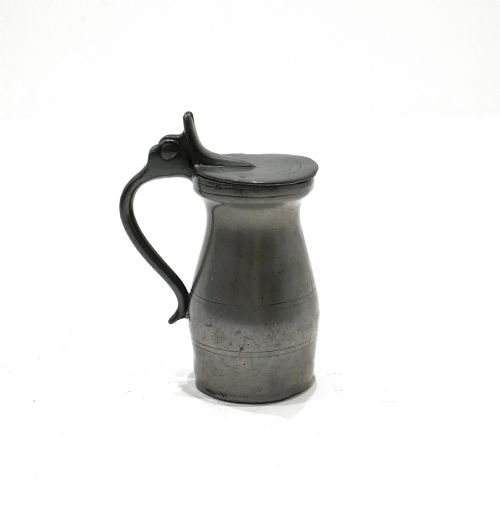
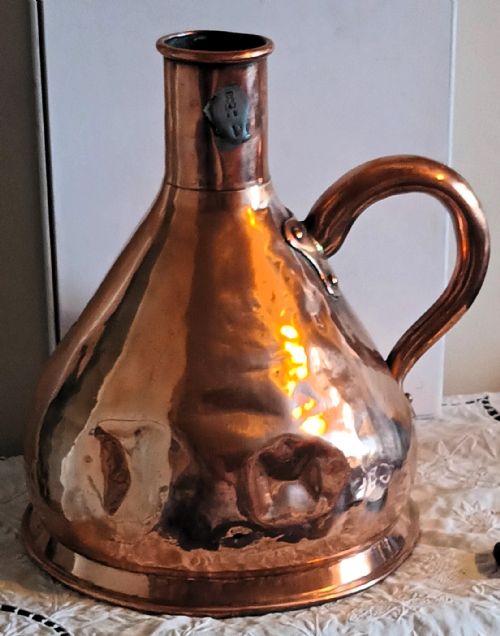
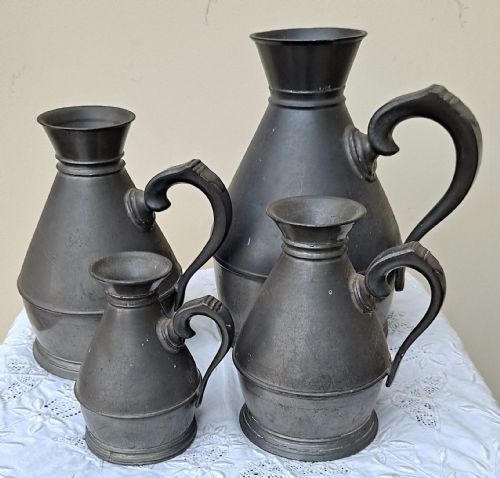
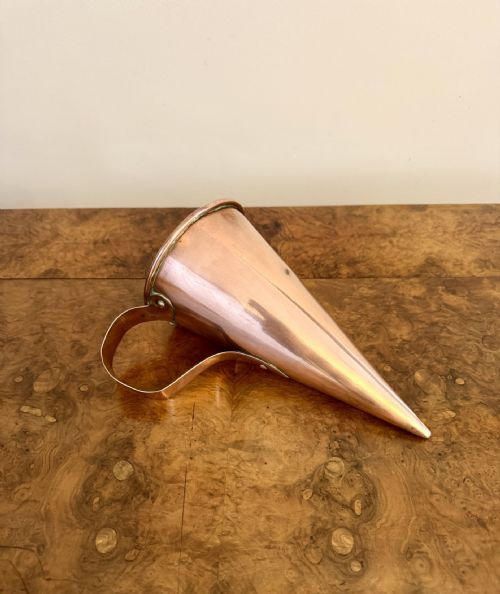
Makers shaped these vessels primarily from heavy gauge copper, sheet pewter, brass, and sterling silver, often combining them with glass or wood components. Pewter items frequently display cast body construction with applied handles and flat or domed lids, while copper pieces utilise sheet metal joined with seams and riveted or soldered handles.
Surface finishing ranges from polished copper and bright silver plate to the dull, tactile patina characteristic of old pewter and lead alloys. Engraved capacities, VR verification marks, and maker stamps add authentic detail to the exterior surfaces of surviving examples.
Listings feature copper, pewter, brass, and sterling silver materials across Georgian, Victorian, and Art Deco styles.
Evaluating craftsmanship
Quality in an antique spirit measure lies in the crispness of its form, the integrity of its metal gauge, and the clarity of any touchmarks or capacity stamps. Superior examples maintain their original structural proportions without heavy distortion, excessive denting, or unsympathetic modern repairs to the body and handle.
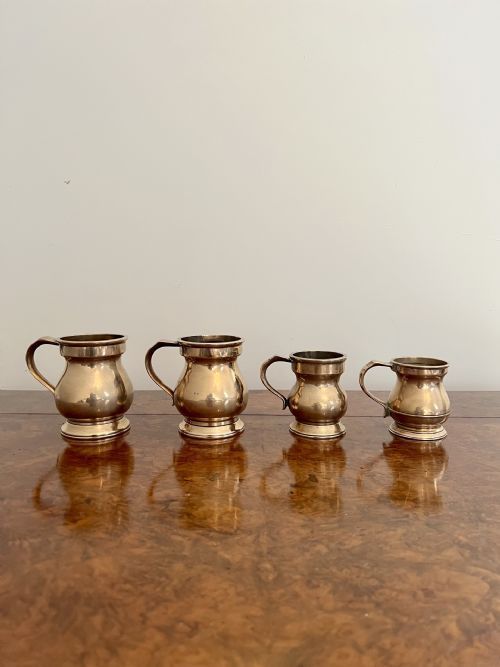
Graduated sets that survive complete and intact command greater interest than isolated single vessels. The distinction between a standard utility tool and a finer piece often rests on balanced weight, precise soldering, and the survival of makers' marks or regional verification stamps.
J Bower·Maison Barra
The Antique Spirit Measure Glossary
- Gill
- A traditional unit of liquid capacity equivalent to a quarter of a pint. Measures of this size appear frequently in eighteenth and nineteenth-century tavern equipment.
- Haystack
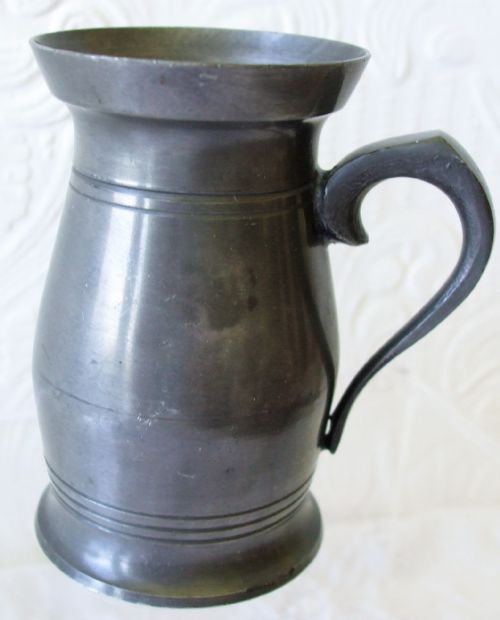
- A distinctive Irish and English form of pewter or brass measure featuring a bulbous body that tapers toward the top, resembling a stacked pile of hay.
- Tappit Hen
- A traditional Scottish capacity measure made of pewter, typically featuring a lid with a thumbpiece and a distinctive bulbous body shape.
- Noggin
- A small mug or vessel used for holding a small quantity of liquor, usually equivalent to a quarter of a pint or a gill.
- Hydrometer
- An instrument used to measure the specific gravity of liquids, employed historically to determine the alcoholic strength of spirits.
Antique Spirit Measure: Frequently Asked Questions
What is an antique spirit measure?
An antique spirit measure is a historic vessel designed to portion precise quantities of alcohol in homes, taverns, and commercial establishments.
These pieces include copper jugs, pewter mugs, glass dram glasses, and silver noggins dating from the eighteenth to the twentieth century.
How were spirit measures used?
Historic bartenders and householders used these vessels to measure out exact volumes of spirits like whisky, brandy, and rum for patrons or guests.
Some specialised sets also tested alcohol strength or warmed liquids before serving.
How do I display an antique spirit measure?
These metal and glass items suit placement on bar carts, open shelving, or kitchen dressers where their metallic patinas can catch the light.
Grouping graduated sets together creates a strong visual display that highlights their varied sizes and historical forms.
How do I tell different periods apart?
Stylistic shifts and manufacturing techniques help distinguish between eras, such as Georgian copper forms versus later Victorian bell-shaped tankards.
Imperial verification marks, such as Victoria Regina ciphers, also provide clear chronological markers for nineteenth-century pieces.