




Antique Spice Grater
An antique spice grater is a small domestic implement designed to grate hard spices like nutmeg at the table.
Antique Spice Grater
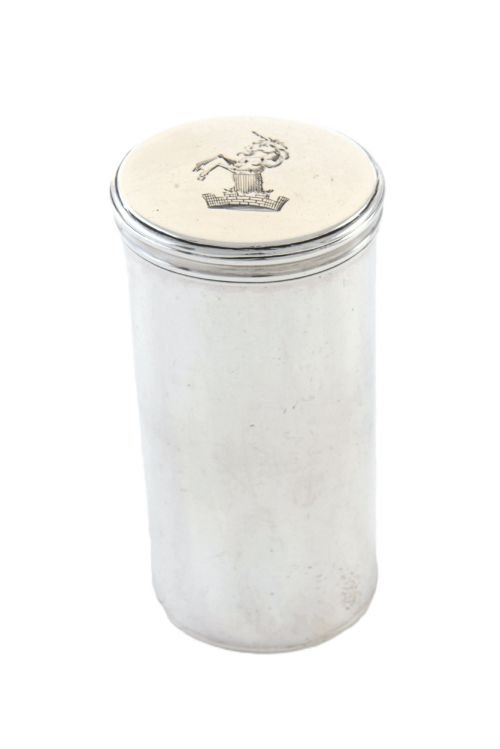
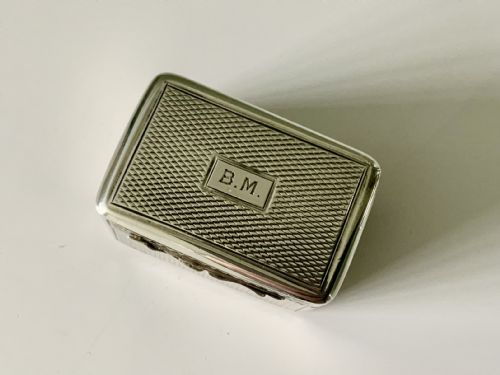
When you search for an antique spice grater, you encounter pocket-sized kitchenalia spanning the Georgian, Victorian, and William IV periods. These pieces include standalone nutmeg graters, barrel-shaped silver containers, and spice towers alongside turned wood treen examples.
The versions most likely to meet you on this page are Georgian silver pocket graters and nineteenth-century treen items fashioned into playful shapes like wine bottles or acorns. They range from utilitarian kitchen tools to refined silver table accessories made for daily culinary use.
Earlier forms from the late seventeenth and early eighteenth centuries occasionally appear as spice mortar grinders alongside later nineteenth-century cylinders. Each piece reflects the historical domestic ritual of grating fresh spices before meals.
How they were made
Makers fashioned these objects primarily from sterling silver, steel, and turned wood, sometimes incorporating cork, paint, metal, and tinplate. Silver examples utilised traditional smithing and hallmarking techniques, resulting in crisp cylindrical or barrel profiles.
Wood pieces relied on lathe turning to create smooth treen shapes such as acorns and wine bottles, requiring precise hand-carving for the interior cavity. Steel elements formed the internal rasping surfaces necessary for grating hard spices efficiently.
Antique Spice Grater Retail Price Guide 2026
Typical asking prices for spice grater among the pieces listed under this phrase on Sellingantiques today, from the lower quarter to the upper quarter. They describe what is for sale here now, not the wider market.
Listings feature sterling silver, turned wood, and steel items spanning the Georgian, William IV, and Victorian periods.
What varies in quality
The distinction between ordinary and superior examples lies in the crispness of the steel rasp and the precision of the exterior turning or silversmithing. Finer silver pieces exhibit clear hallmarks, maker marks, and detailed crest engraving.
Turned wood pieces depend on the quality of the timber grain, the symmetry of the turned form, and the retention of original paint or surface patina. Better examples maintain tight joints and well-fitted lids that close securely over the internal grater.
Daniel Field·Reid and Summers·J Taylor
The Antique Spice Grater Glossary
- Treen
- Small domestic wooden objects made by turning on a lathe or hand-carving. This term covers items from kitchenware to personal accessories.
- Hallmark
- An official stamp applied to precious metals indicating the standard of purity and the maker. These marks help date silver items accurately.
- Kitchenalia
- Domestic utensils and culinary equipment collected for their historical interest and material culture. This category includes graters, mortars, and spice towers.
- Spice Tower
- A multi-tiered container designed to hold various powdered or whole spices in separate compartments. These stacked vessels often incorporate a grater section.
Antique Spice Grater: Frequently Asked Questions
What is an antique spice grater?
An antique spice grater is a portable domestic tool used historically to grate whole nutmeg and other hard spices at the dining table. These implements date primarily from the eighteenth and nineteenth centuries.
Craftsmen produced them in various portable formats, including pocket silver cylinders and turned wooden shapes designed to sit easily in the hand.
How do I date a silver spice grater?
Dating a silver spice grater relies upon examining the stamped hallmarks, which indicate the assay office, the standard of silver, and the year mark. Maker marks also provide specific attribution to silversmiths active in the Georgian or Victorian eras.
Stylistic details such as crest engravings and overall form further help narrow down the period of manufacture.
What is treen?
Treen refers to small, functional wooden objects created largely through woodturning on a lathe. These items include nineteenth-century spice graters shaped like acorns or wine bottles.
Collectors prize treen for the tactile quality of the aged timber and the variety of domestic forms produced before modern plastics.
How were spice graters used?
These graters were used to grate fresh spices directly into food or drink, particularly nutmeg into punch, ale, or porridge. Wealthy households kept them on the dining table or carried them in pockets.
The internal steel rasp shaved fine particles from the hard spice kernel while the container caught the powder.