


Victorian Treen Novelty
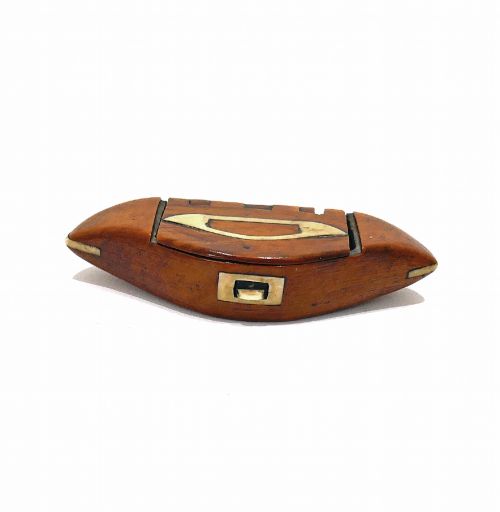
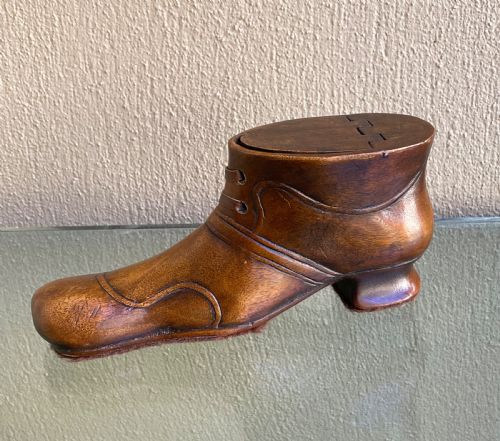
Victorian treen novelty items are charming carved wooden objects from the nineteenth century shaped like shoes, fruit and hands.
Victorian Treen Novelty
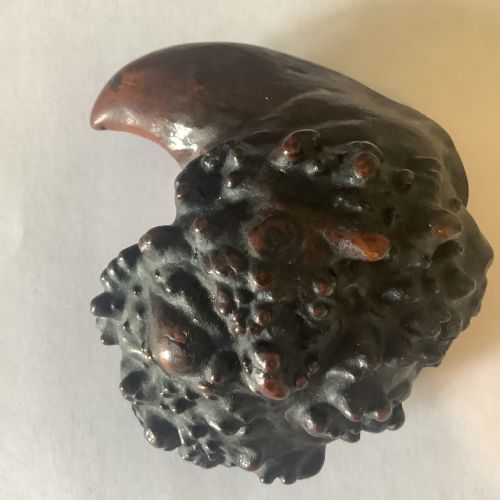
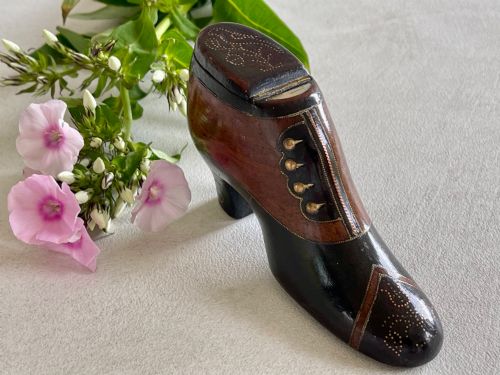
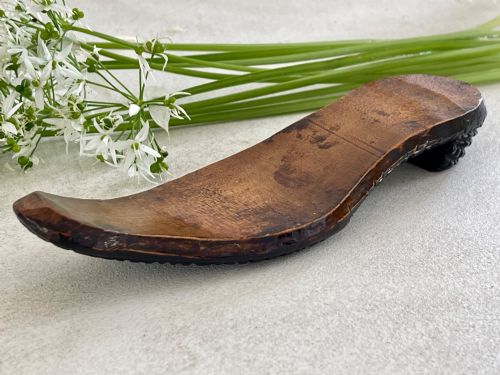
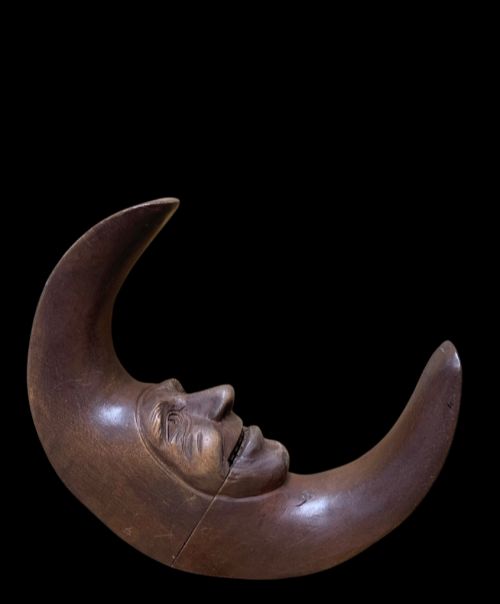
When you search for Victorian treen novelty, you find small functional objects carved from wood into whimsical shapes that served everyday domestic purposes. These pieces include snuff boxes, nutcrackers, nutmeg graters and knitting sheaths shaped like shoes, ladies feet, wine bottles and the man in the moon.
The objects on this page span the nineteenth century, with examples reaching back into the Georgian era and forward towards nineteen ten. Most items take familiar household forms and transform them through imaginative carving into miniature sculptures.
Makers utilised various timber types including fruitwood, boxwood, burr walnut and carved hardwood to create these small items. Many incorporate bone inlay, pictures or double openings to enhance their utility and visual appeal.
How they were made
Carvers shaped these objects using hand tools on dense timbers such as boxwood, fruitwood and burr walnut. The natural grain of the wood often dictated the final form, as seen in boxes shaped from natural pieces of timber.
Makers integrated contrasting materials like bone inlay and metal mechanisms for corkscrews or graters into the wooden bodies. Surfaces were finished to highlight the figure of the wood and the precision of the carving.
One delightful nineteenth-century piece lets you crack your walnuts with the man in the moon.
What varies in quality
The finesse of the carving separates standard examples from exceptional pieces, particularly in facial expressions, shoe details and the rendering of hands. Crisp lines and smooth contours indicate a high level of skill from the carver.
The choice of material also influences the standing of an item, with burr walnut and detailed bone inlay showing greater decorative ambition than plain hardwood. Preservation of the original surface and functional elements such as tight-fitting box lids affect the overall character.
The Victorian Treen Novelty Glossary
- Treen
- Small handmade wooden objects for domestic use. This term derives from the old English word for tree.
- Snuff box
- A small container for holding powdered tobacco. These often feature hinged or double-opening lids and clever novelty shapes.
- Knitting sheath
- A device tucked into a belt or waistline to hold a knitting needle steady. They frequently took figurative forms like shoes.
- Bilboquet
- A traditional ball and cup game made from turned wood. Players attempt to catch the ball in the cup on a string.
- Boxwood
- A dense, pale yellowish wood favoured for intricate turning and carving. It provides a smooth surface for detailed work.
Victorian Treen Novelty: Frequently Asked Questions
What is treen novelty?
Treen novelty refers to small functional wooden items carved into playful or unusual shapes during the eighteenth and nineteenth centuries.
These pieces combine everyday utility with imaginative design, turning objects like snuff boxes and nutcrackers into shoes, hands and celestial faces.
How were snuff shoes used?
Snuff shoes held powdered tobacco in compartments concealed within the carved wooden shoe form.
Owners carried these pocket-sized containers to social gatherings, often opening them to share snuff with acquaintances.
What woods were used?
Carvers utilised close-grained hardwoods such as boxwood, fruitwood and burr walnut for these items.
These timbers allowed for sharp detail work and held up well to daily handling and pocket wear.
How do I date them?
Dating relies on stylistic clues, historical forms, wear patterns and occasional written dates or inscriptions on the pieces.
Comparing the object type and carving style to documented examples from the Georgian and Victorian eras helps establish the period.