




Antique Wooden Spice Vessel
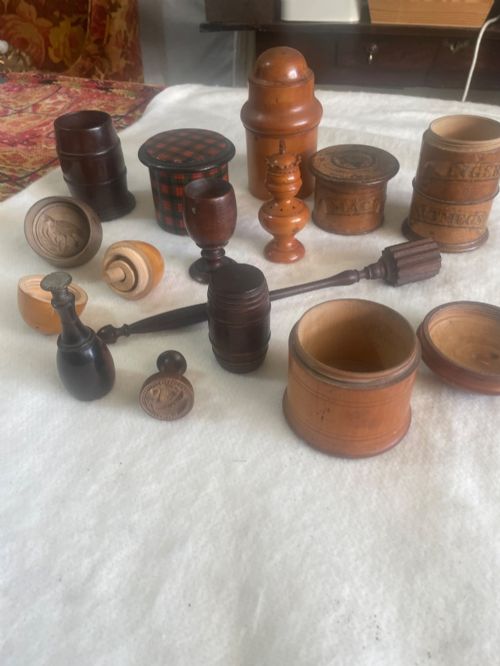
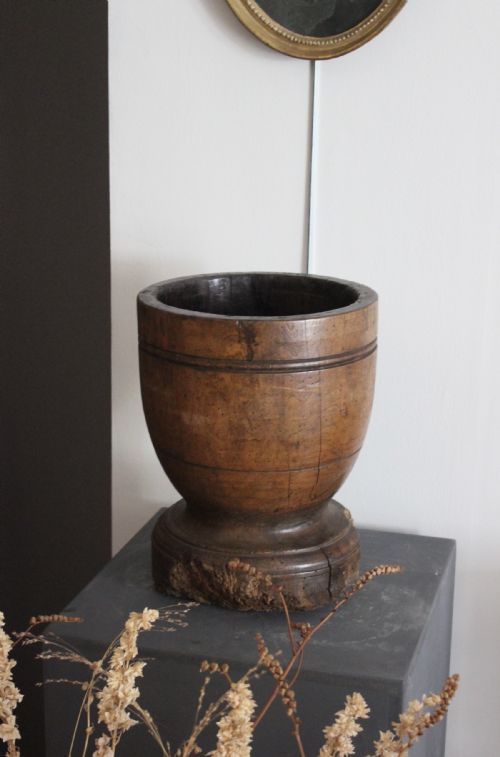
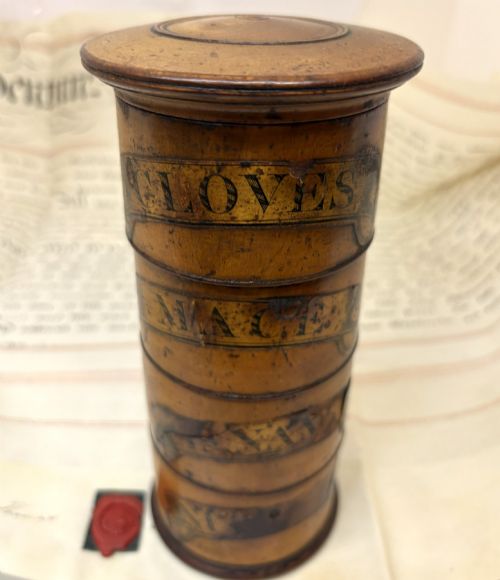
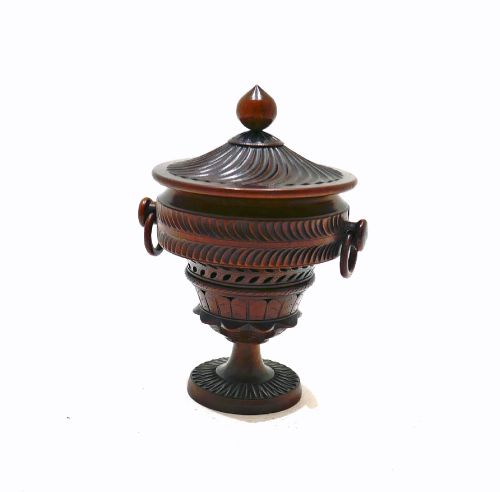
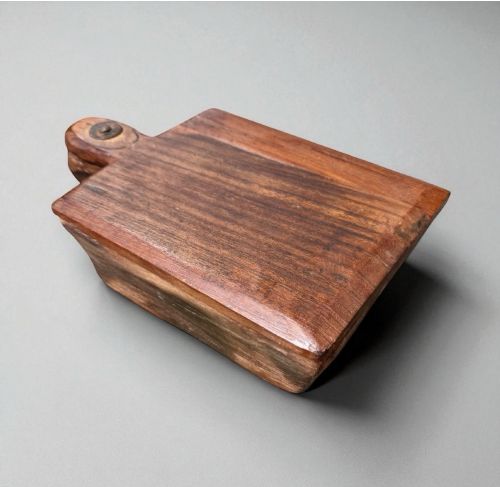
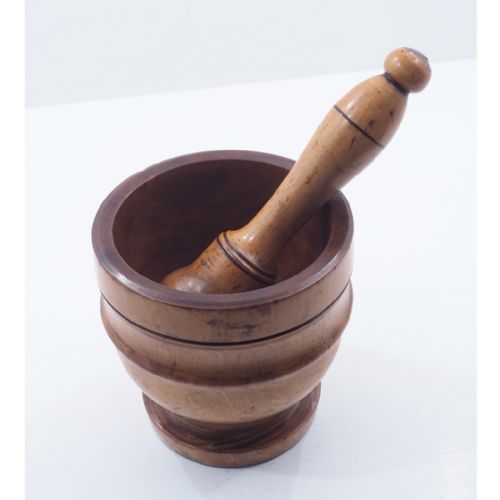
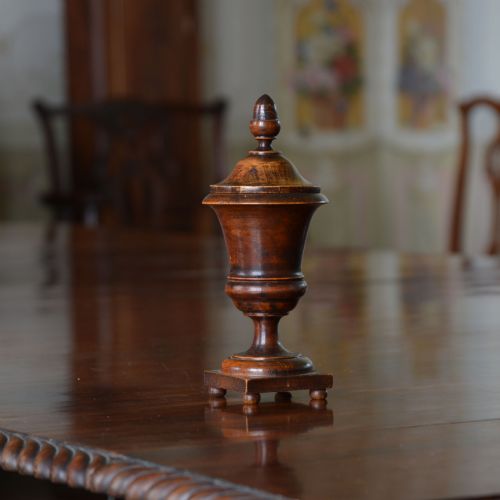
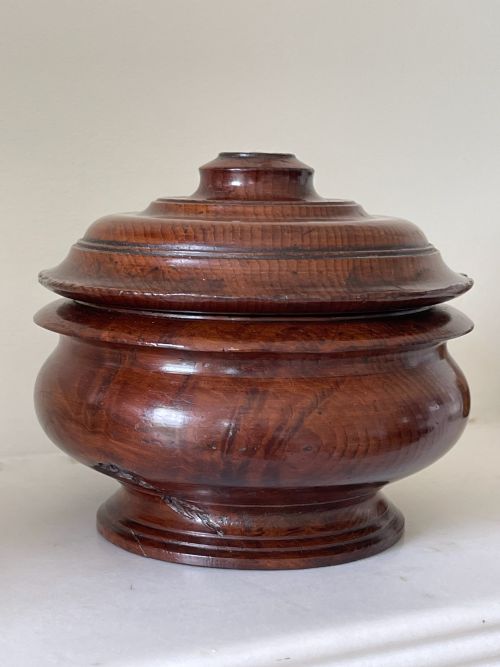
These antique wooden spice vessels are small turned containers shaped as urns, towers, boxes, and mortars designed to hold spices and aromatics in domestic kitchens and parlours.
Antique Wooden Spice Vessel
An antique wooden spice vessel encompasses small turned containers, boxes, urns, and mortar sets intended for culinary preparation and storage. When exploring this selection, buyers encounter domestic treen forms originating from English, Continental, and Indian traditions spanning the seventeenth through to the early twentieth century.
How they were made
Woodturners shaped these vessels on lathes using dense local and imported hardwoods including fruitwood, boxwood, teak, and yew wood. Artisans turned the bodies to create hollow containers, lidded covers, and integrated grinding components.
Certain pieces incorporate supplementary materials such as iron for pestle fittings and cork closures to seal the vessels tightly. The resulting objects rely entirely on traditional woodworking joinery and turning techniques without modern adhesives.
Antique Wooden Spice Vessel Retail Price Guide 2026
Typical asking prices for wooden spice vessel among the pieces listed under this phrase on Sellingantiques today, from the lower quarter to the upper quarter. They describe what is for sale here now, not the wider market.
Listings span periods from the 17th century through the Edwardian era, featuring fruitwood, boxwood, teak, and yew wood.
What varies in quality
Quality depends upon the precision of the lathe turning and the crispness of surviving decorative mouldings on urns and towers. Finer examples retain their original lids, matching covers, and smooth, patinated surfaces developed through generations of handling.
The choice of timber also defines the tier of the piece, with dense fruitwoods and boxwood achieving sharper detail than softer woods. Pieces that retain specialised functional elements like integrated graters or pestles demonstrate higher craftsmanship.
The Antique Wooden Spice Vessel Glossary
- Treen
- Small handmade wooden domestic objects and utensils. This encompasses everything from spice vessels and mortars to cups and small boxes.
- Campana urn
- A bell-shaped vessel form commonly utilised for decorative treen containers and spice holders. The profile flares outwards towards the rim.
- Pomander
- A perforated container holding aromatic substances or spices. These objects were historically kept in rooms or carried to freshen the air.
- Mortar and pestle
- A heavy bowl paired with a club-shaped tool used for grinding and crushing spices. Wooden variants appear frequently in early kitchenalia collections.
Antique Wooden Spice Vessel: Frequently Asked Questions
What were antique wooden spice vessels used for?
These vessels served to store, grind, and dispense valuable spices, nutmegs, and aromatics in domestic kitchens and dining rooms.
Their enclosed designs protected volatile oils and flavours from escaping before the spices were added to food or drinks.
How do I date an old wooden spice container?
Dating relies upon examining the timber species, turning style, and overall wear patterns characteristic of specific periods like the seventeenth or eighteenth century.
Constructive details such as the tool marks left by early lathes and the presence of original fruitwood surfaces help establish the era.
Are these spice vessels safe for modern culinary use?
Most collectors treat these historical pieces as display items or decorative treen rather than functional kitchenware.
Old wood absorbs oils and moisture over centuries, meaning modern food contact can damage the dried timber and historic patina.
How should I care for antique treen?
Keep wooden vessels away from direct sunlight, extreme heat sources, and rapid humidity changes that cause timber to split.
Apply occasional appropriate wax polish if the wood appears dry, avoiding harsh cleaning agents entirely.