



Antique Specimen Drawers
Antique specimen drawers are purpose-built storage pieces designed for small collections, offering both practical organisation and fine cabinet-making.
Antique Specimen Drawers
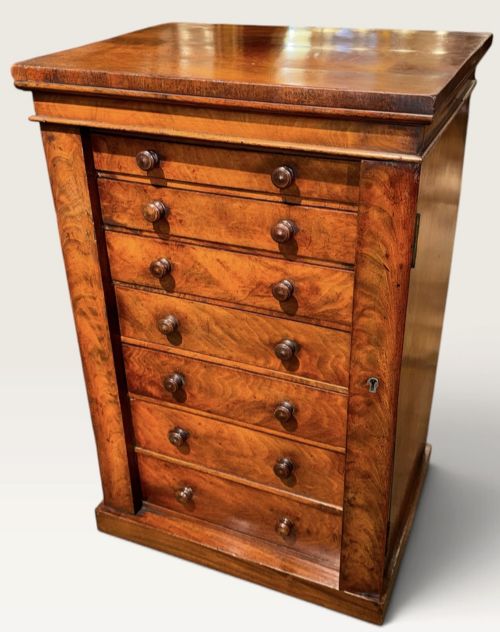
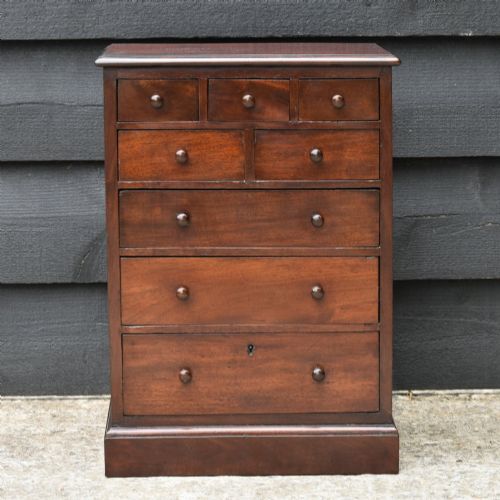
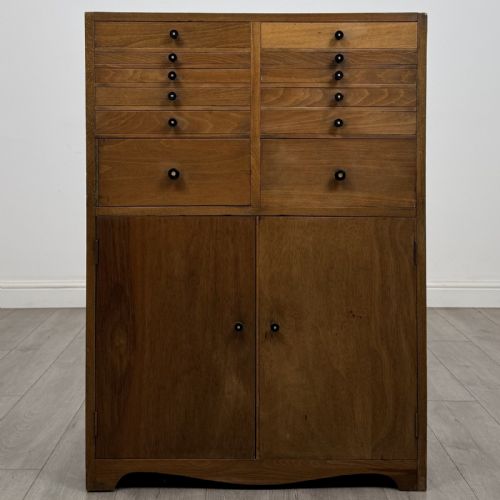
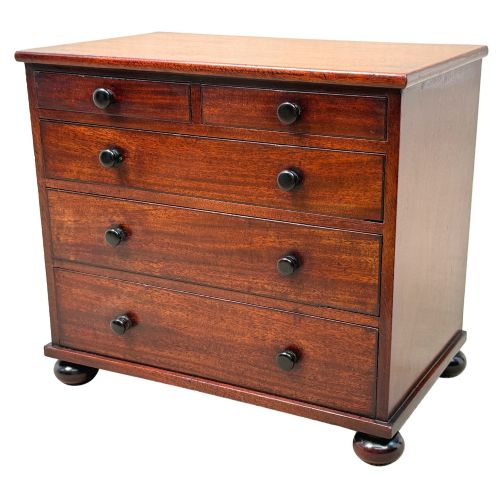
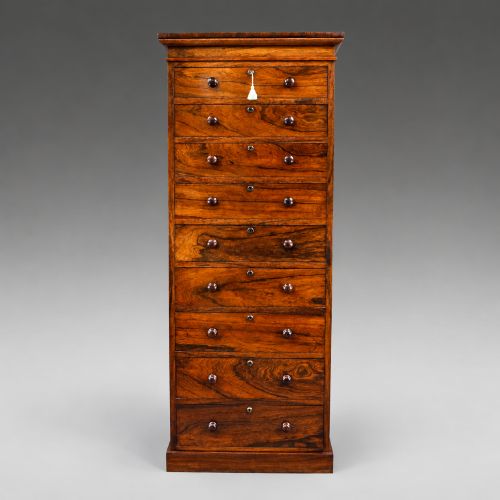
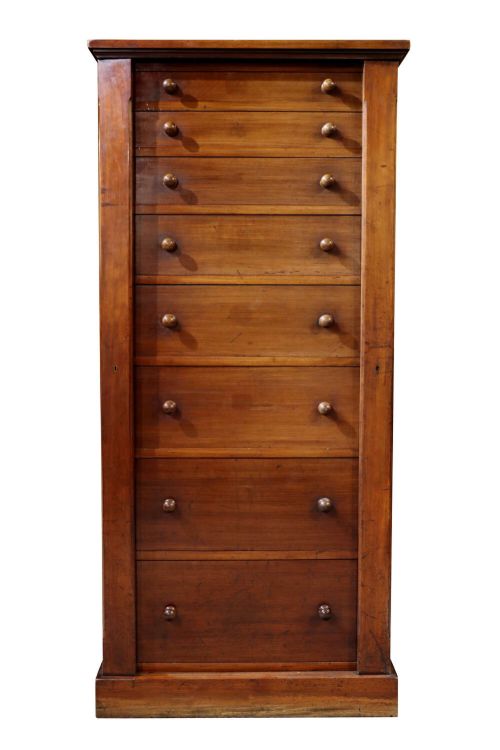
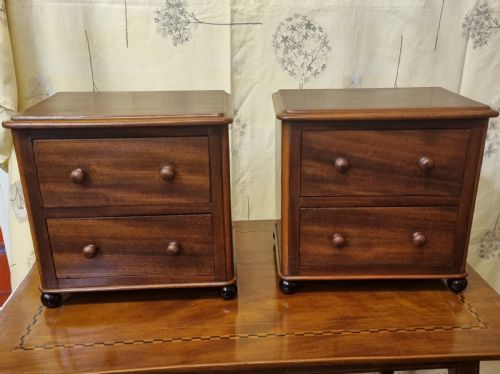
When you search for antique specimen drawers, you encounter a specialised category of small-scale cabinetry designed to house natural history items, insects, eggs, and small treasures. These pieces originate primarily from the Georgian, Victorian, and Edwardian periods, manifesting as tabletop chests, taller cabinets, and modular sets of drawers.
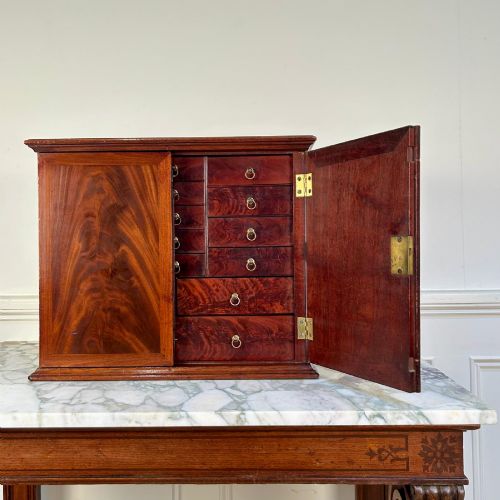
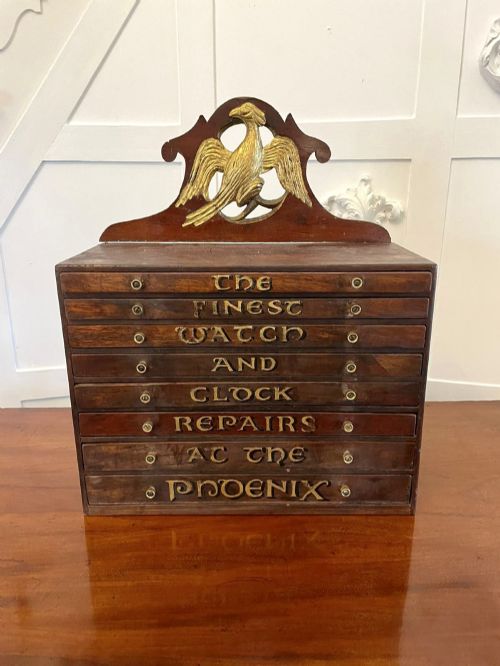
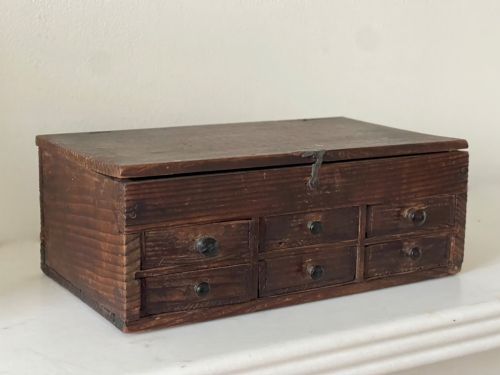
Form follows function in these pieces, with shallow drawer depths suited to delicate specimens, coins, or flat items. Makers constructed them in various configurations, including tabletop cases, chests on stands, and adapted canteens or campaign units repurposed for structured storage.
How they were made
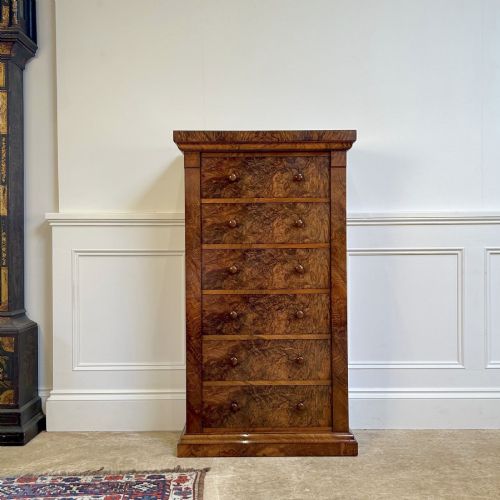
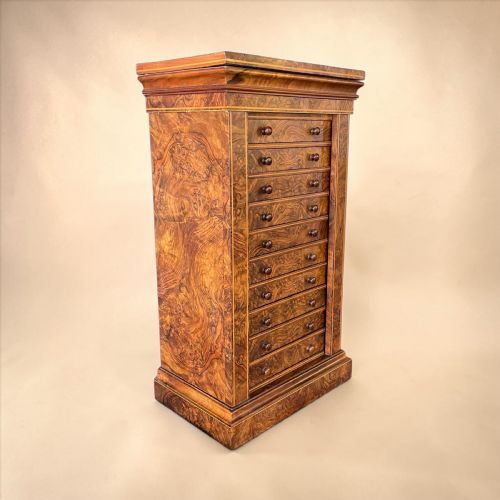
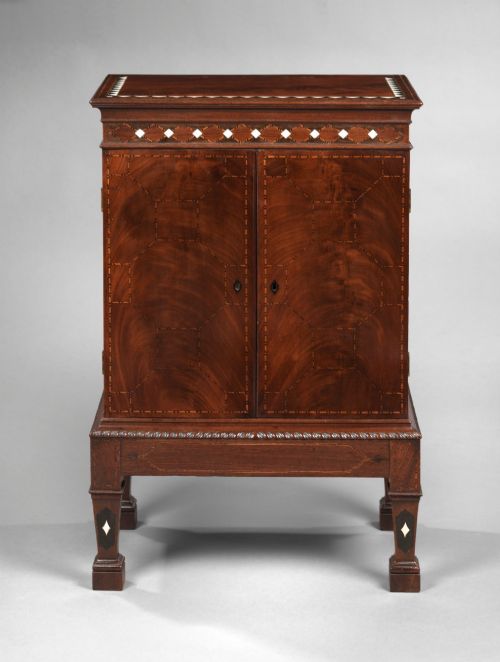
Cabinet-makers relied on dense hardwoods such as mahogany, oak, yew wood, and walnut, frequently applying flame mahogany veneer to primary display surfaces. Secondary carcasses often utilised pine or oak, ensuring durable interior framework for frequent drawer manipulation.
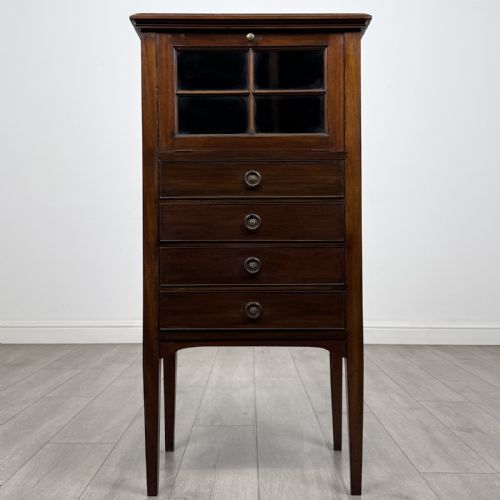
Hardware played a functional and structural role, incorporating brass handles, campaign mounts, and glazed glass panels to protect contents from dust while allowing visual inspection. Construction techniques focused on precision sliding fits for drawers, preventing delicate specimens from suffering vibration or friction damage.
Antique Specimen Drawers Retail Price Guide 2026
Typical asking prices for specimen drawers among the pieces listed under this phrase on Sellingantiques today, from the lower quarter to the upper quarter. They describe what is for sale here now, not the wider market.
Listings feature woods including mahogany, flame mahogany veneer, oak, yew wood, walnut, and pine, paired with brass and glass.
What varies in quality
Quality in antique specimen drawers rests upon the precision of the drawer fit and the selection of timber veneers. Superior examples display consistent grain matching across flame mahogany or figured walnut facades, alongside tight dovetail joinery that maintains smooth operation across numerous drawers.
Internal engineering separates standard utility boxes from high-tier collector cabinets. The presence of specialised dust lips, glass-fronted viewing panels, original brass hardware, and maker stamps elevates the standing of a piece within the range.
WATKINS & DONCASTER
The Antique Specimen Drawers Glossary
- Specimen cabinet
- A piece of furniture fitted with multiple shallow drawers designed to organise natural history collections, minerals, or small objects. These cabinets typically feature protective doors or glazed panels.
- Collector chest
- A compact set of drawers used by enthusiasts to house and protect items such as coins, insects, or eggs. They often incorporate brass carrying handles or locking mechanisms.
- Flame mahogany veneer
- A decorative wood slicing technique showing a flickering flame pattern applied to cabinet fronts. It provides a highly figured visual texture prized in Georgian and Victorian furniture.
- Tabletop case
- A smaller cabinet format designed to rest on a desk or table surface rather than standing on the floor. These pieces offer accessible storage for portable collections.
- Miniature furniture
- Scale-model chests and cabinets constructed with the same joinery and timber as full-size pieces. They served as apprentice showpieces or compact desktop storage units.
Antique Specimen Drawers: Frequently Asked Questions
What were antique specimen drawers originally used for?
These drawers served naturalists and collectors as secure housing for fragile items like insects, bird eggs, and botanical samples. The shallow depth prevented specimens from shifting and sustaining damage during inspection.
Over time, owners also repurposed them for storing cutlery, coins, documents, and artist materials. Their modular layout suited any small item requiring careful categorisation.
How do I date an antique specimen cabinet?
Dating relies on timber choice, construction methods, and hardware styles across the piece. Georgian examples frequently employ solid mahogany or yew wood with hand-cut dovetails, while Victorian and Edwardian versions often incorporate pine carcases with flame mahogany veneers and glass doors.
Maker stamps, brass lock types, and overall aesthetic details further narrow the period of manufacture. Comparing drawer linings and internal construction against dated comparative pieces yields the most accurate timeframe.
Are specimen drawers suitable for modern home use?
Their compact proportions and numerous shallow compartments make them exceptionally practical for modern storage needs. Owners frequently utilise them for jewellery, stationery, craft supplies, and small collections.
Placed on tabletops, desks, or buffets, they provide concealed organisation while serving as decorative wooden furniture. The durable hardwoods used in their construction withstand daily domestic interaction.
What is the difference between a chest and a cabinet?
A chest of drawers typically consists of stacked horizontal drawers within an enclosed wooden carcass. These units rely solely on the drawer fronts to seal the contents from the room.
A cabinet incorporates an outer door, tambour front, or glazed panel that swings or slides open to reveal the bank of drawers inside. This external door offered additional protection and security for delicate contents.