





Antique Specimen Case
When you search for an antique specimen case, you seek a protective container crafted to display natural history items or precious objects.
Antique Specimen Case
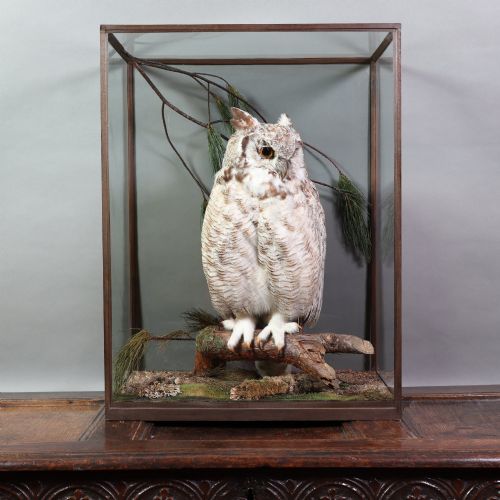
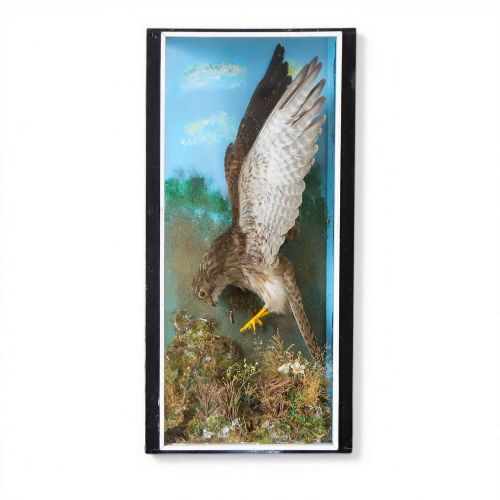
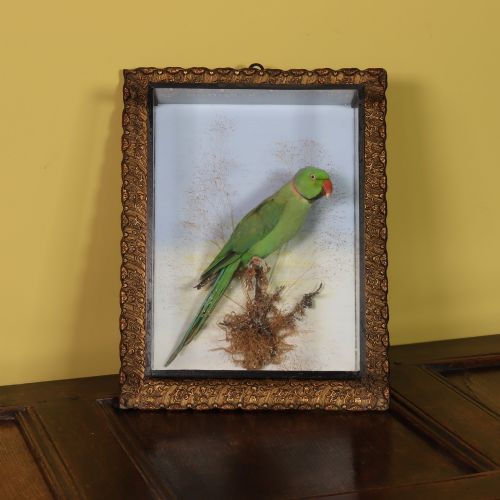
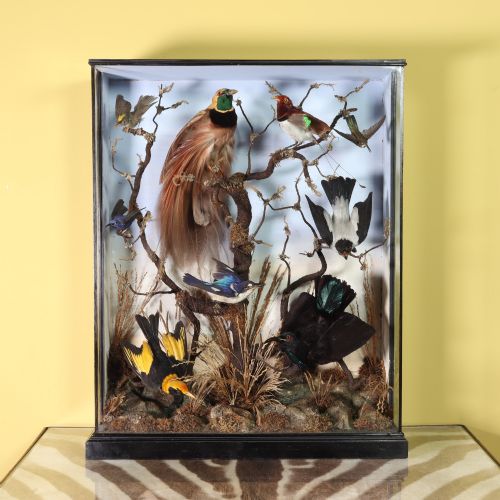
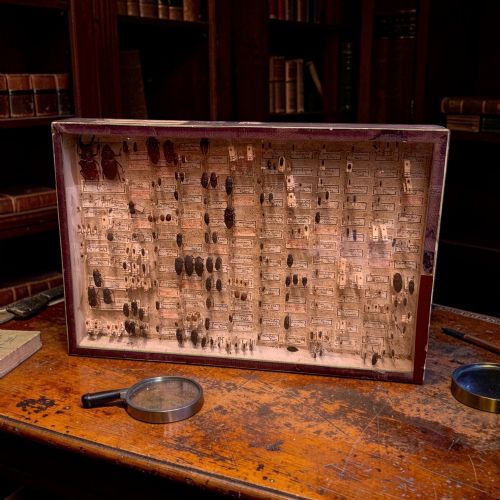
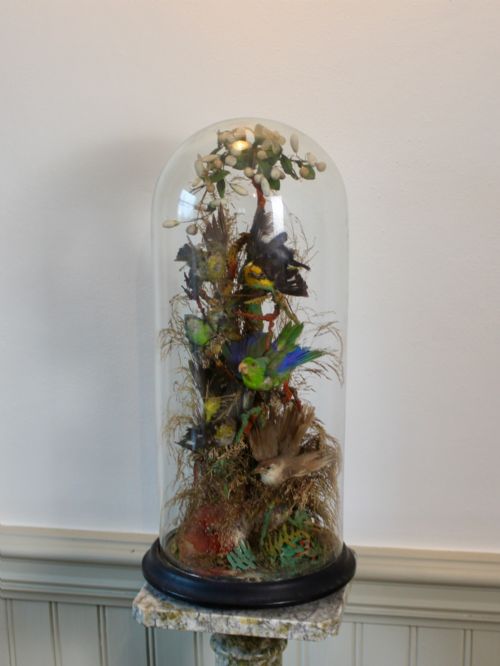
An antique specimen case houses preserved birds, insects, fish, and botanical items inside glass-fronted boxes, wall frames, and domed enclosures. These pieces serve to organise and exhibit natural curiosities collected during the Victorian, Edwardian, and early twentieth-century periods.
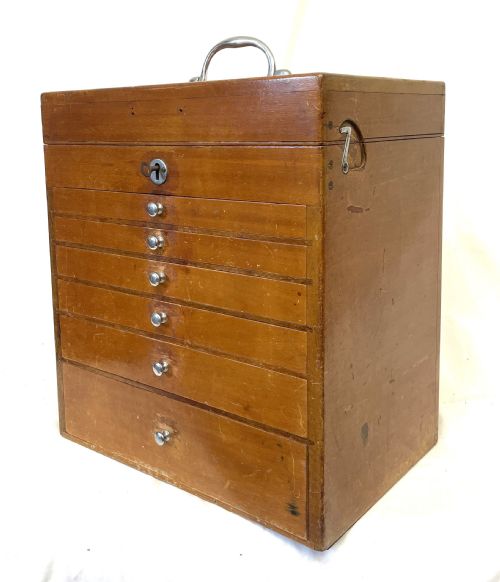
The most common examples encountered on this page include taxidermy dioramas, glass domes, and multi-drawer collector cabinets designed for butterflies, beetles, and minerals. Common woods such as mahogany, oak, and ebonised timber frame these displays, often incorporating painted backgrounds to mimic natural habitats.
How they were made
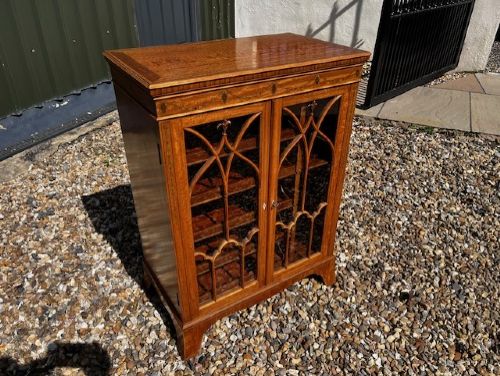
Cabinet makers constructed these enclosures using traditional timbers like mahogany, oak, satinwood, and ebonised wood, joined with precision and fitted with clear glass panels to protect delicate contents from dust. Brass hardware, including hinges, locks, and handles, frequently secures these desktop chests and wall display units.
Taxidermists and entomologists arranged birds, mammals, fish, and insect specimens over hand-painted naturalistic backgrounds using paper, feathers, and dried flora. Glass domes and cloches were blown and fitted to turned wooden bases to create airtight environments for botanical and avian displays.
Listings feature items spanning the Victorian, Edwardian, Regency, and early twentieth-century periods, constructed from mahogany, oak, brass, and glass.
What varies in quality
The selection of timber, the clarity of the glass, and the precision of the joinery mark the distinction between utility storage and fine parlour display furniture. Cabinets with inlaid marquetry, burr walnut veneers, and original brass locking mechanisms represent superior craftsmanship.
J Griffiths of Burford·Rowland Ward Ltd·William Bazeley And Sons·J Cooper And Sons·James Gardner·W F Homer
The Antique Specimen Case Glossary
- Taxidermy
- The art of preparing, stuffing, and mounting the skins of animals for display. Victorian examples often incorporate naturalistic groundwork and painted backdrops.
- Cloche
- A bell-shaped glass cover used to protect delicate specimens or ornaments. These sit upon wooden or brass bases.
- Entomology
- The branch of zoology concerned with insects. Cases dedicated to this field feature pinned butterflies, beetles, and moths arranged systematically.
- Marquetry
- Decorative inlay work using strips of wood and other materials to form geometric or pictorial patterns. This technique appears on high-end collector cabinets.
- Diorama
- A three-dimensional scene depicting wildlife within a simulated natural environment. These are typically enclosed behind glass within a painted wooden case.
Antique Specimen Case: Frequently Asked Questions
Where should I place a specimen case at home?
Position your display cabinet or dome away from direct sunlight to prevent the plumage of birds and the colours of butterfly wings from fading. Stable room temperatures protect the dried organic materials from degrading.
Place wall-mounted frames and desktop chests on sturdy surfaces where vibrations remain minimal. This safeguards fragile internal mountings and delicate insect pins from accidental damage.
Can I open these cases to rearrange the contents?
Original antique specimen cases are designed to preserve historical arrangements made by past collectors and taxidermists. Opening them often compromises the fragile seals and exposes old taxidermy or insects to pest damage.
It is best to leave the internal contents undisturbed as they appear. The historical integrity relies entirely on keeping the original grouping intact.
How do I identify the period of a cabinet?
Examine the timber species, construction methods, and hardware to determine the era. Victorian pieces frequently feature heavy mahogany, burr walnut, or ebonised wood alongside hand-cut brass screws and locks.
Edwardian and early twentieth-century examples often display simpler oak frames or lighter construction styles. Maker labels pasted inside drawers or on the backboards provide definitive dating clues.