
Edwardian Glass Display
Edwardian glass display pieces bring together timber and transparent panes to hold cherished objects in the light.
Edwardian Glass Display
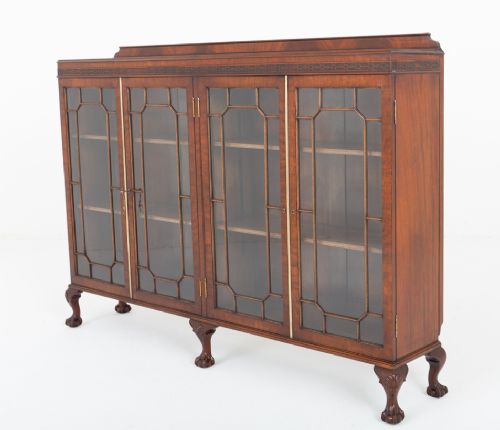
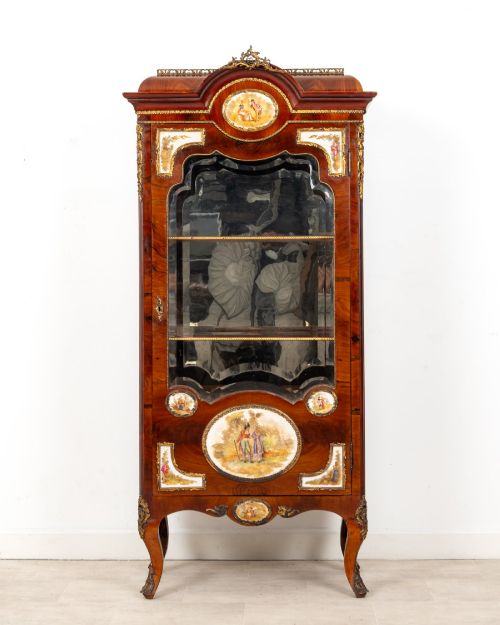
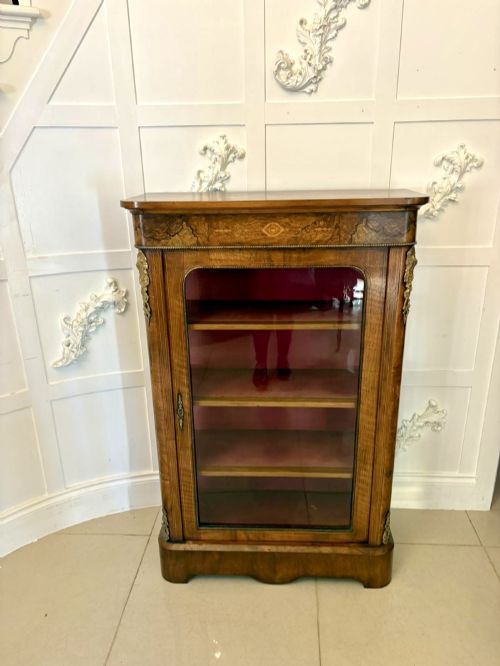
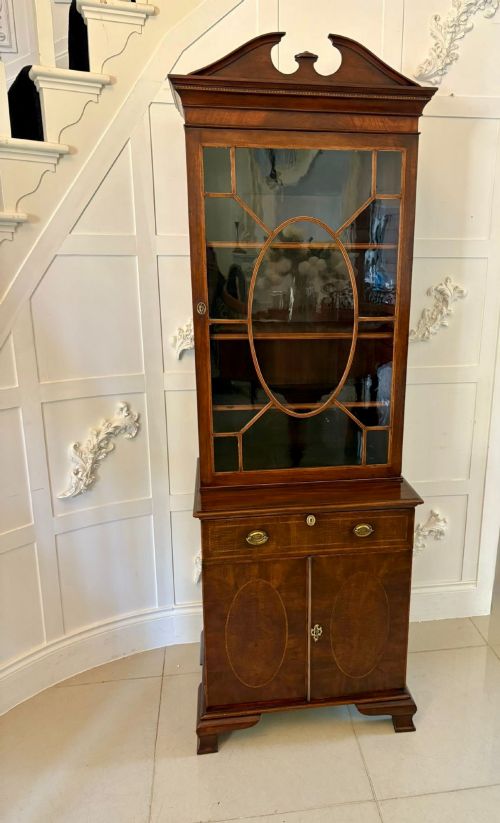
When you search for edwardian glass display items, you encounter tall cabinets, low tables, and specialised shop counters designed to showcase objects clearly. The period leans heavily on mahogany, oak, and satinwood, frequently shaped with inlaid borders or glazed doors.
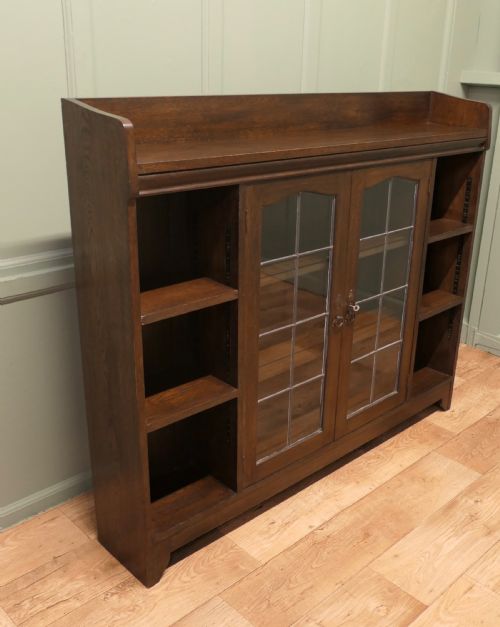
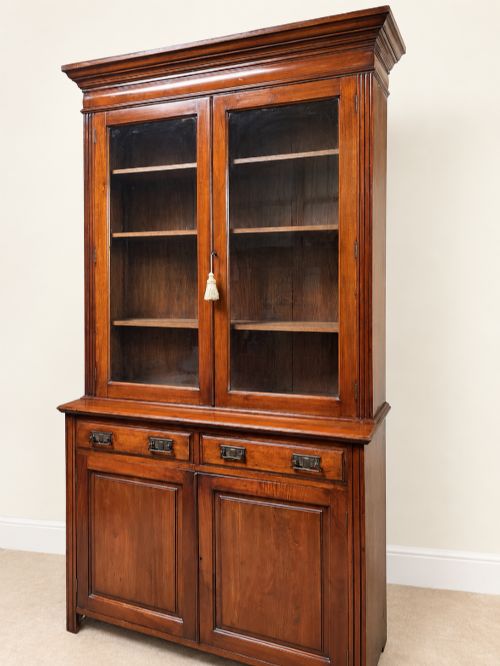
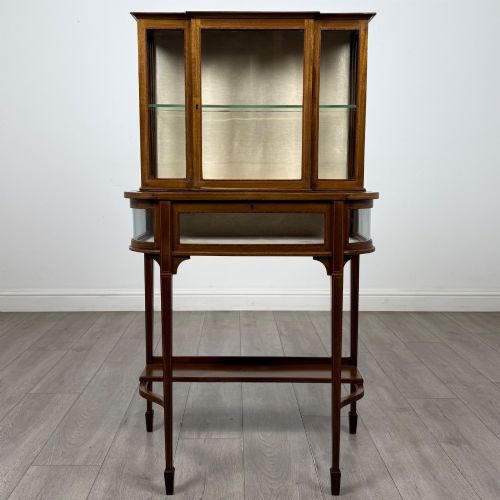
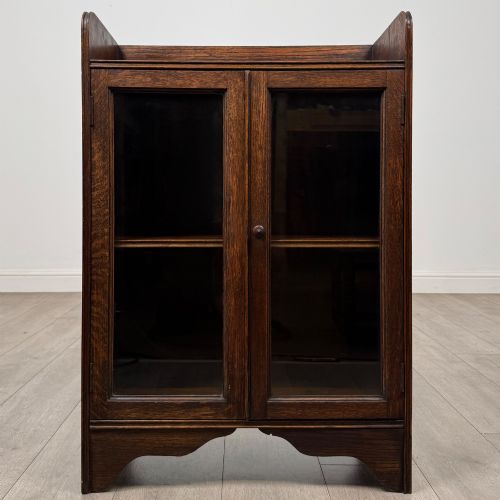
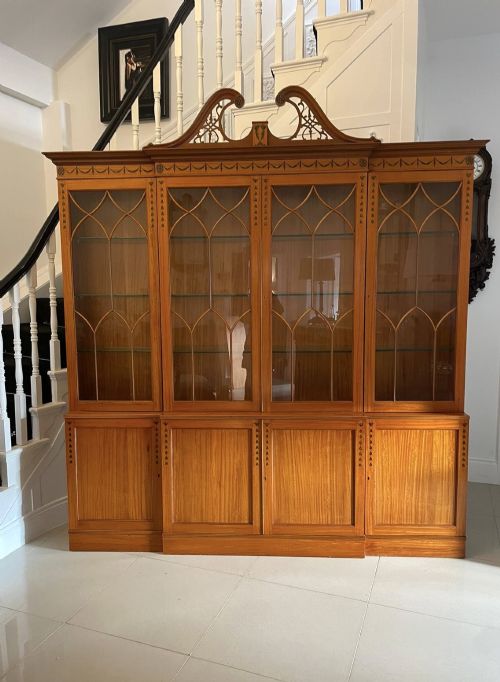
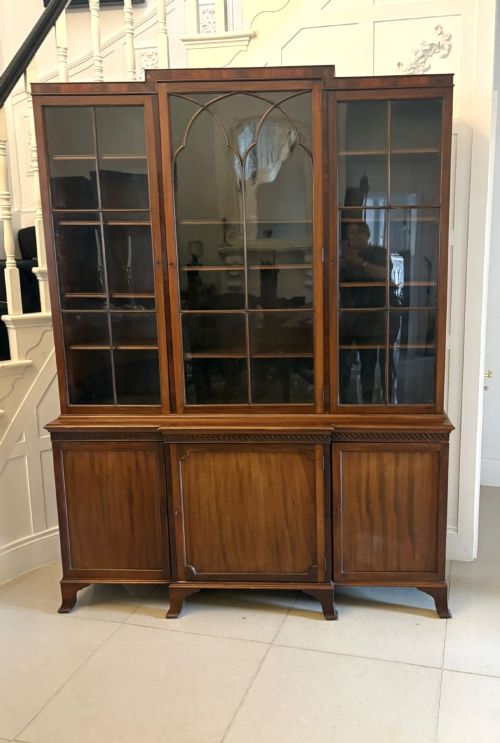
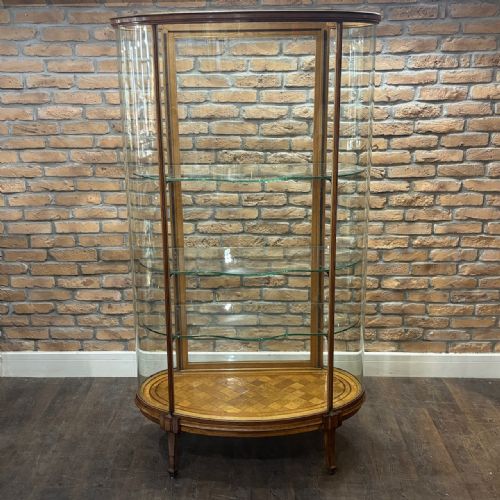
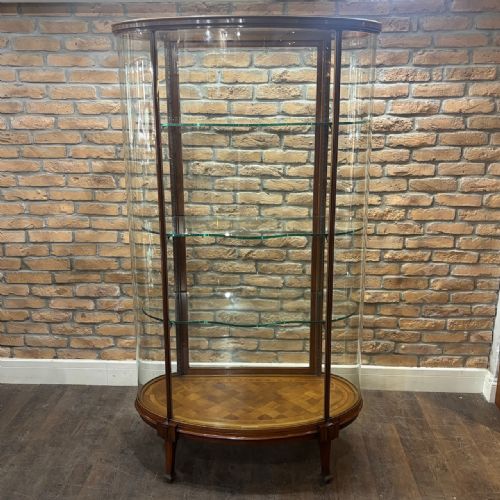
Cabinets on this page range from freestanding breakfront library pieces to compact vitrines and counter cases. Many examples incorporate glazed panels on multiple sides to let daylight reach the contents from different angles.
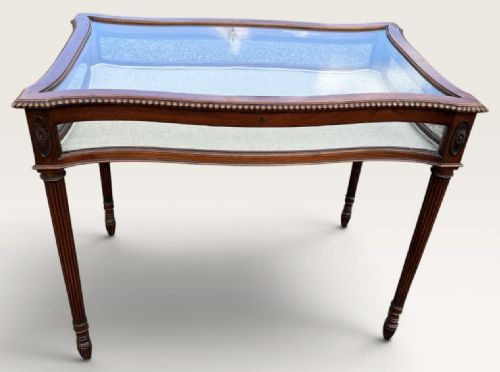
Bijouterie tables provide a surface with a glazed compartment underneath for flat collections, while larger display bookcases combine shelving for books with visible storage behind glass.
Materials and Construction
Cabinet makers utilised dense hardwoods like mahogany and oak for structural stability, often applying fine veneers of satinwood or burr walnut across the exterior surfaces. Brass fittings, mirrored backs, and fabric linings frequently complete the interior.
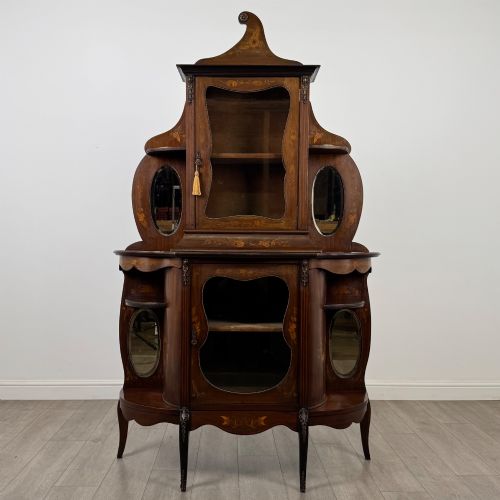
Glazing techniques include leaded panes, astral bars, and curved glass sections that demand careful heat manipulation. Inlaid decoration relies on contrasting strips of timber and stringing set directly into the primary wood.
An albino rabbit taxidermy dome shares shelf space with the Edwardian glass display cabinets.
Indicators of Excellence
Superior examples distinguish themselves through the crispness of the inlaid motifs, the choice of figured timber veneers, and the fluidity of curved or bent glass panes. Cabinet joints remain tight and doors hang squarely within their frames without sagging.
Signatures from established workshops or retailers indicate high standards of construction and design. Original painted decoration and well-preserved mirrored backs elevate the finish of individual pieces.
F. Sage & Co·Hampton & Sons·Edwards & Roberts·James Gardner·Globe Wernicke·H. J. Hatfield & Sons·D. Hill Carter & Co
The Edwardian Glass Display Glossary
- Bijouterie table
- A low display table featuring a glazed top and a shallow compartment for smaller valuables. These were placed in drawing rooms for guests to inspect miniatures, coins, and jewellery.
- Astral glazed
- A door or panel divided into small glass panes by slender wooden bars. This geometric division creates a lighter visual appearance on large cabinet fronts.
- Veneer
- A thin layer of decorative timber applied over a secondary wood base. Master craftsmen selected highly figured grain patterns to cover flat surfaces.
- Breakfront
- A piece of furniture where the central section projects forward from the flanking wings. This architectural arrangement adds depth and shadow to large display cabinets.
- Stringing
- Thin lines of contrasting wood inlay used to outline drawers, doors, and tabletops. It defines the edges of Edwardian cabinetwork with precise linear detail.
Edwardian Glass Display: Frequently Asked Questions
What fits inside a bijouterie table?
Bijouterie tables suit flat or shallow collections such as medals, coins, pocket watches, and delicate textiles. The glass top protects the contents from dust while keeping them visible.
Deep items require upright cabinets or shelved bookcases instead of these low display tables.
How do curved glass cabinets differ?
Cabinets with curved or bent glass provide an uninterrupted view of the interior shelves from multiple angles. This technique required advanced manufacturing methods during the period.
Plain flat glass panels remain common on standard rectangular bookcases and side cabinets.
Were these cases used in shops?
Several tall and low cabinets originate from retail environments rather than domestic drawing rooms. Shop display counters and tall vitrines featured secure locks and large glazed areas for merchandise.
Retail pieces often use sturdy oak frames built to withstand daily commercial use.
What styles influence Edwardian display cases?
Cabinet makers drew inspiration from Sheraton, Chippendale, and Queen Anne revivals, incorporating classic motifs into lighter Edwardian proportions. Inlaid satinwood and classical banding appear frequently.
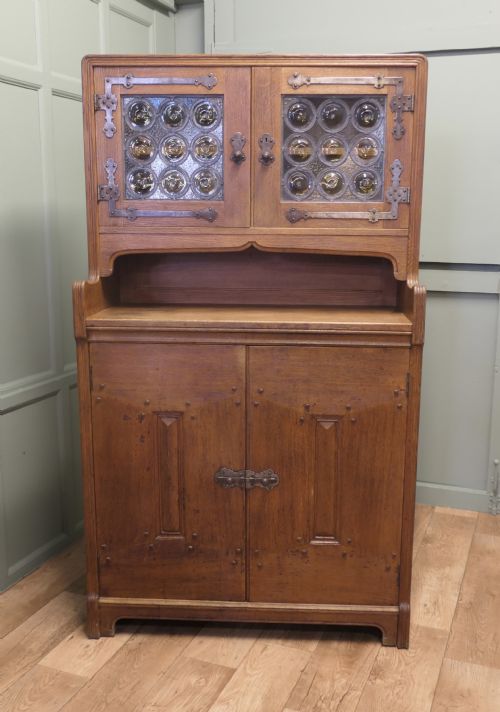
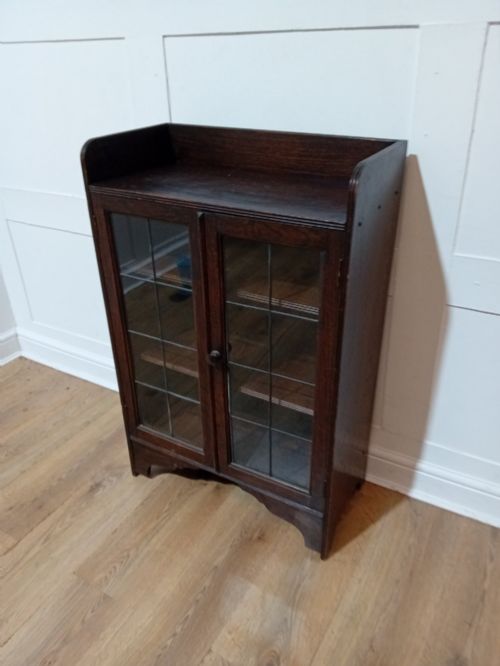
Arts and Crafts examples reject ornate revival styles in favour of unpretentious oak construction and functional lines.