
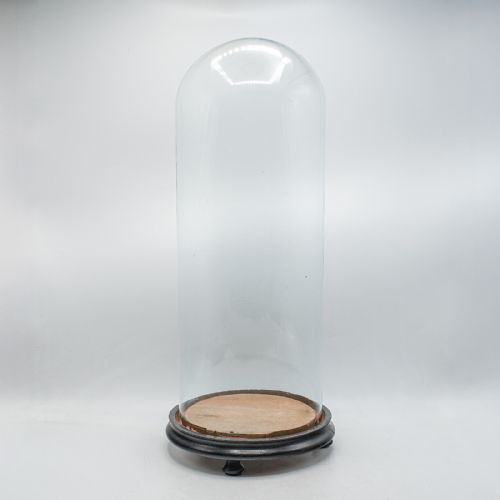


Tall Glass Cloche
These tall glass cloche pieces are nineteenth and early twentieth century display domes, offering a clear vessel for protecting taxidermy and curiosities.
Tall Glass Cloche
A tall glass cloche serves as a protective cover for taxidermy, specimens, and collectors' items. Most examples found here originate from the Victorian and Edwardian periods, carrying the hallmarks of English craftsmanship from those eras.
The dominant forms are glass display domes and showcases, frequently paired with bases in timber, walnut, and ebonised wood. These pieces range from simple glass domes to elaborate diorama cases designed for delicate specimens.
Buyers browsing this selection will encounter various iterations including oval diorama domes and clock domes. The overarching purpose remains the preservation and presentation of interior displays.
How they were made
Construction relies primarily on blown or formed glass domes paired with wooden bases made from walnut, timber, and ebonised wood. Some bases incorporate marquetry or fabric and velvet linings to cushion the displayed specimens.
Makers shaped the glass to fit securely into or onto wooden channels and platforms, creating enclosed environments for taxidermy and ornaments. The joining of wood and glass required precision to ensure a stable showcase.
The listings span the Victorian, Edwardian, and 1900 periods, utilising glass, ebonised wood, walnut, fabric, velvet, and timber.
What varies in quality
Quality appears in the clarity and weight of the glass dome itself, alongside the selection of woods used for the base. Finer examples utilise walnut or incorporate marquetry detailing rather than plain timber.
The sophistication of the base construction and any interior linings, such as velvet or fabric details, separate standard display cases from more refined collector specimens.
The Tall Glass Cloche Glossary
- Dome
- A rounded glass cover designed to protect and display objects beneath it. These vessels form the main body of the pieces listed.
- Ebonised wood
- Timber treated to resemble ebony, frequently used for dark, formal display bases. This finish provides a stark contrast to the transparent glass above.
- Marquetry
- Decorative inlay work using pieces of wood to form intricate patterns on the base. It signals a more labour-intensive manufacturing process.
- Taxidermy showcase
- An enclosure specifically built to house preserved animal specimens. These cases protect fragile displays from dust and handling.
Tall Glass Cloche: Frequently Asked Questions
What is a tall glass cloche used for?
These pieces function as protective display vessels for taxidermy, specimens, and ornaments. They shield delicate items from dust while allowing clear visibility from all angles.
Historically, collectors utilised them to showcase prized natural history specimens, clocks, and curiosities in domestic or academic settings.
How do I date a glass dome?
Dating relies on stylistic clues from the wooden bases and the characteristics of the glass manufacture. Victorian and Edwardian examples often feature specific wood types and base profiles.
Examining the materials, such as ebonised wood or walnut, helps place the piece within its nineteenth or early twentieth century context.
What materials are the bases made from?
Bases typically consist of timber, walnut, or ebonised wood, often fitted with fabric or velvet linings. Some finer examples feature marquetry inlay.
The choice of wood and secondary materials contributes significantly to the overall aesthetic and period character of the display.
Are these domes fixed to their bases?
Most glass domes sit within a grooved wooden base rather than being permanently fixed. This allows the cover to be lifted off when accessing the interior display.
Care is required when handling the glass dome separately from its timber foundation during cleaning or rearranging.