


Antique Solid Glass
When you search for antique solid glass, you enter a field defined by heavy vessels and fitted mounts.
Antique Solid Glass
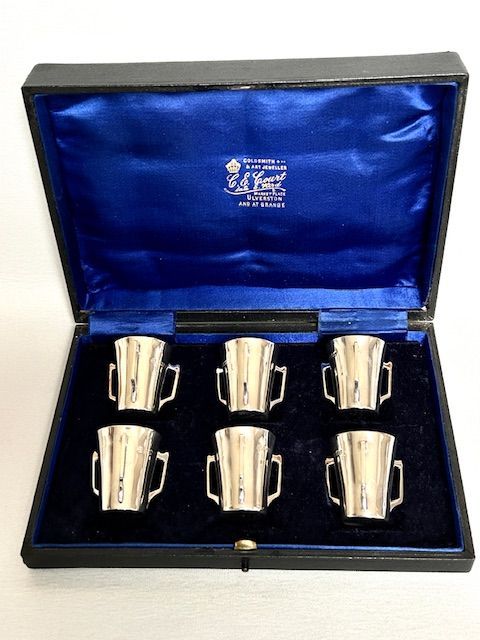
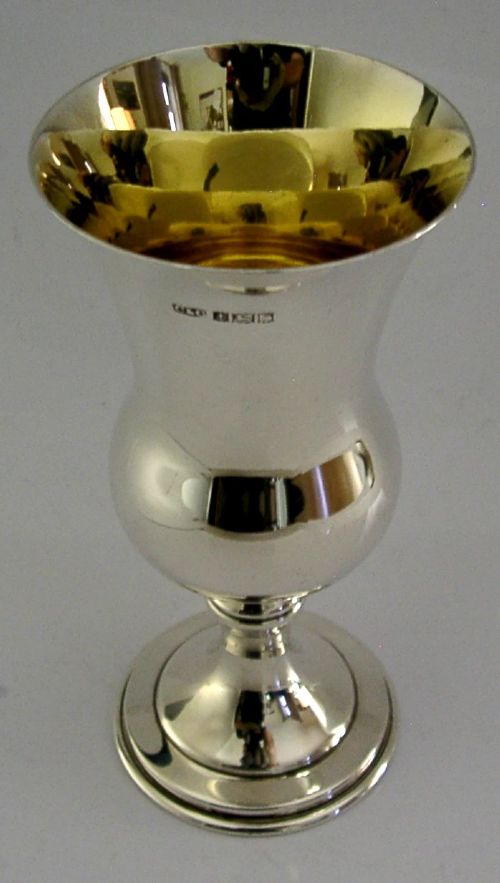
Pieces bearing the description antique solid glass span functional table items and barware produced across the Victorian, Edwardian, and early twentieth-century periods. Buyers encounter heavy drinking vessels, scent bottles, and fitted desk items alongside larger furniture and silver objects.
The selection ranges from weighty cut glass decanters and jugs to small scent bottles and salt cellars with original liners. Items often combine glass with sterling silver, oak, brass, and mahogany mounts characteristic of Arts and Crafts and Art Deco workshops.
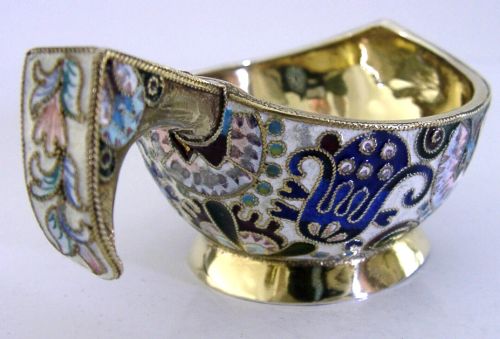
Makers and retailers such as Tiffany and Co., Liberty and Co., and Shapland and Petter appear among the broader mix of English, Russian, and German pieces. Most surviving examples date from the late nineteenth century up to the nineteen-twenties.
How they were made
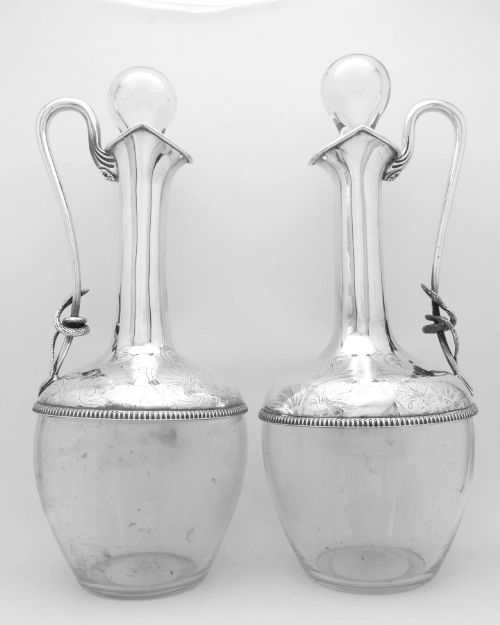
Makers combined heavy cast or blown glass bodies with sterling silver collars, mounts, and hinged lids fastened by skilled silversmiths. Cut glass elements required precise wheel-cutting to achieve deep facets and geometric patterns across thick vessel walls.
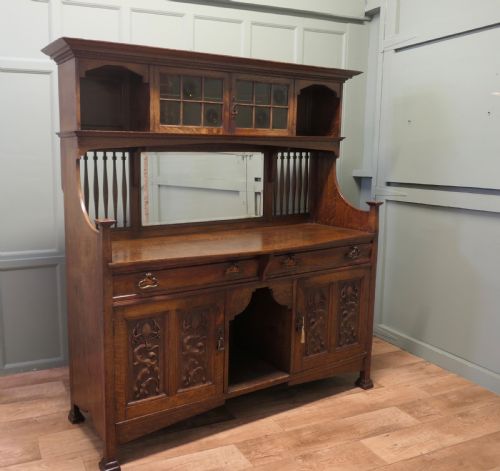
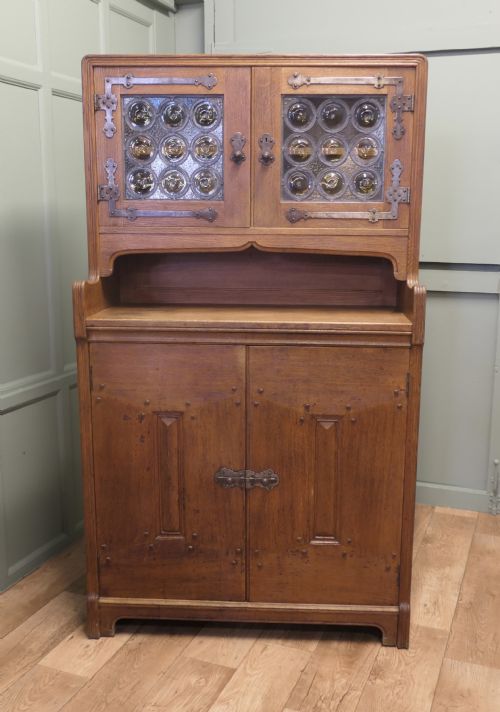
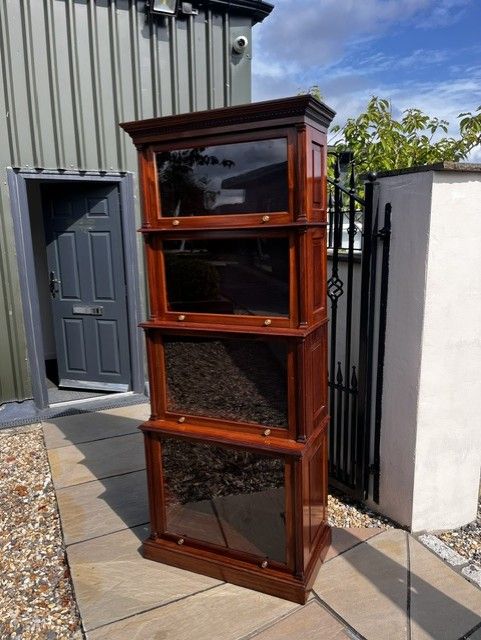
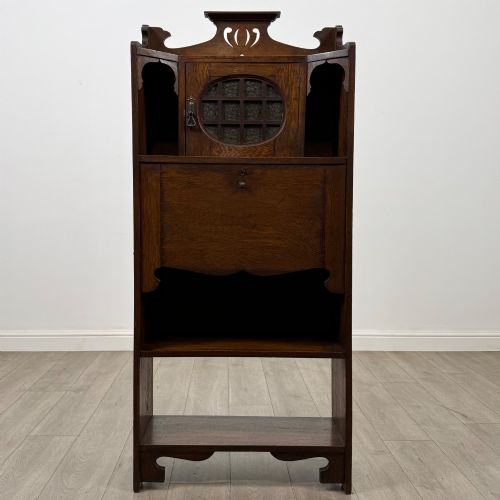
Wooden furniture and storage pieces associated with these items utilised solid oak and mahogany joined with pegged mortise and tenon construction. Brass fittings and lead components were cast and hand-finished to secure glass inserts within desk stands and barware.
Antique Solid Glass Retail Price Guide 2026
Typical asking prices for solid glass among the pieces listed under this phrase on Sellingantiques today, from the lower quarter to the upper quarter. They describe what is for sale here now, not the wider market.
Elephants carved from ebony stand alongside heavy oak doors and travelling medical kits in this eclectic gathering of historical survivors.
What varies in quality
The standard of a piece rests upon the crispness of the glass cutting and the weight of any accompanying silver or brass mounts. Finer examples display deep, sharp facets without surface ripples, paired with heavy-gauge metalwork that bears clear hallmarks.
Design integrity also separates standard production from workshop pieces attributed to known retailers or cabinetmakers. Superior items integrate glass and metal components securely without loose collars or excessive adhesive.
Shapland and Petter·Tiffany and Co·Robert Mouseman Thompson·William Davenport·Charles Thomas Fox·Aleksandr Timofeyevich Shevyakov·James Dixon
The Antique Solid Glass Glossary
- Cut glass
- Glass decorated by abrasive wheels to produce faceted patterns and deep incisions. This technique creates high light refraction across thick vessels.
- Sterling silver
- An alloy containing ninety-two point five percent silver by mass, typically stamped with assay office hallmarks. It provides durable mounts for glass bottles and jugs.
- Barware
- Vessels and implements designed for serving drinks, including beakers, cocktail cups, and claret jugs. These items frequently combine glass bodies with metal handles.
- Inkstand
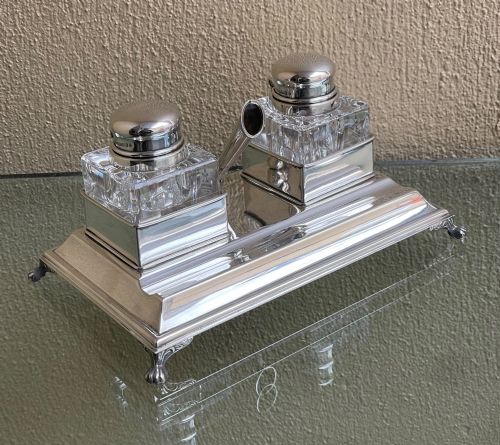
- A desk accessory holding an inkwell, sander, and pen tray, often anchored in a solid wood or silver base. Glass inserts hold the liquid ink securely.
Antique Solid Glass: Frequently Asked Questions
How do I clean antique glass?
Wash pieces gently in warm water using mild soap and a soft cloth to protect delicate surfaces. Avoid harsh detergents and submersing silver-mounted items for extended periods.
Dry thoroughly with a lint-free towel to prevent water spots from forming on cut facets. Store items away from direct sunlight and extreme temperature fluctuations.
Are these items safe for drinks?
Many historical drinking vessels and barware pieces were manufactured for consumption, though older compositions can contain trace lead elements. Inspect the interior surfaces for heavy clouding or chemical staining before use.
Wash thoroughly by hand rather than placing historical items in modern dishwashers. Use caution with acidic beverages stored in antique decanters.
How do I date these objects?
Examine silver mounts for official assay office hallmarks and date letters that indicate the exact year of manufacture. Stylistic cues such as Arts and Crafts or Art Deco motifs also narrow down the production era.
Compare construction methods, such as hand-cut facets versus moulded seams, to establish the period. Consulting maker marks on the base of vessels provides further chronological context.
Can I display them near sunlight?
Direct sunlight can cause certain types of coloured glass to fade or discolour over extended periods. Position heavier items away from intense thermal sources to protect fitted wooden bases and mounts.
Rotate displayed pieces periodically to ensure even exposure to ambient light. Stable indoor environments prevent stress fractures in thick glass vessels.