

Antique Smoking
These antique smoking antique pieces encompass tobacco jars, cigar cases, and smoking stands designed for gentlemen's rituals.
Antique Smoking
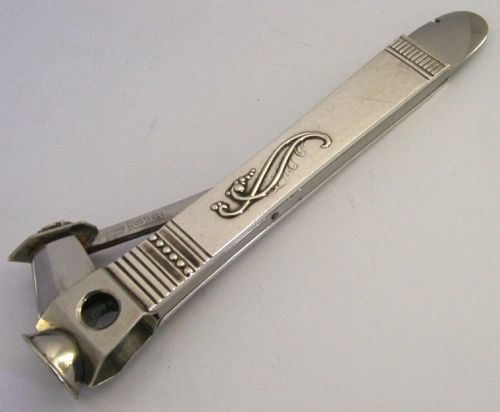
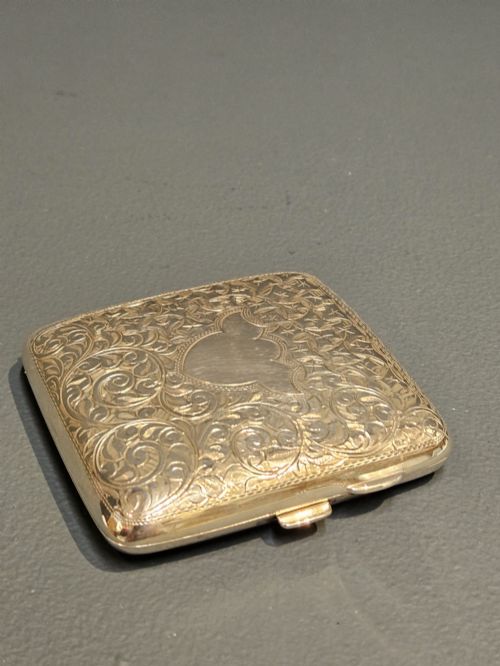
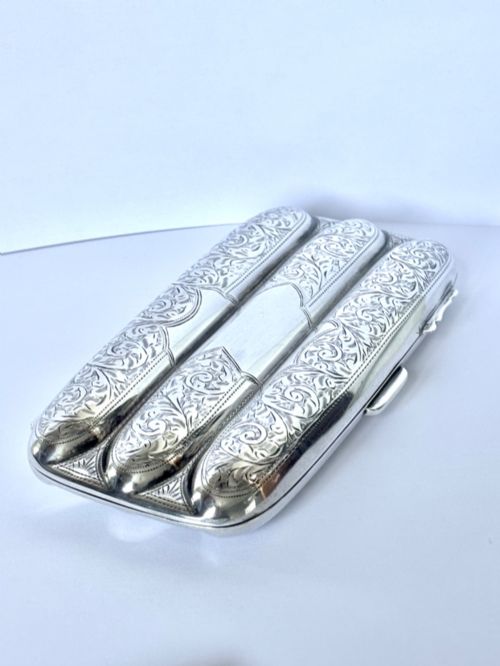
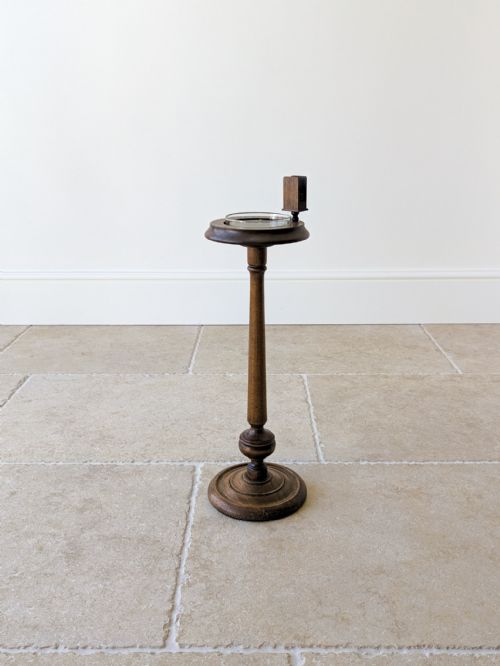
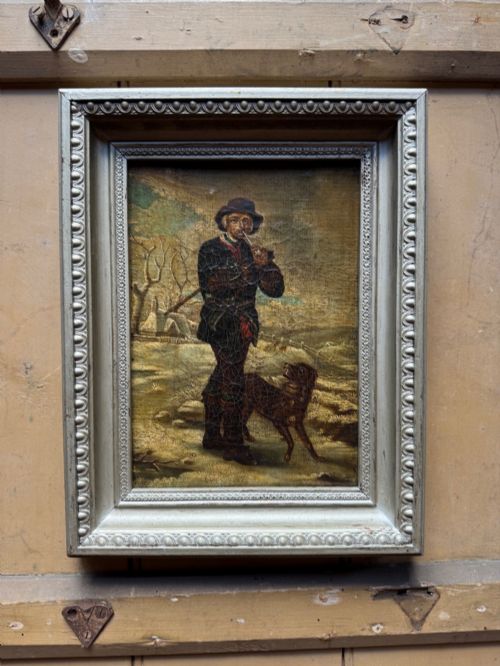
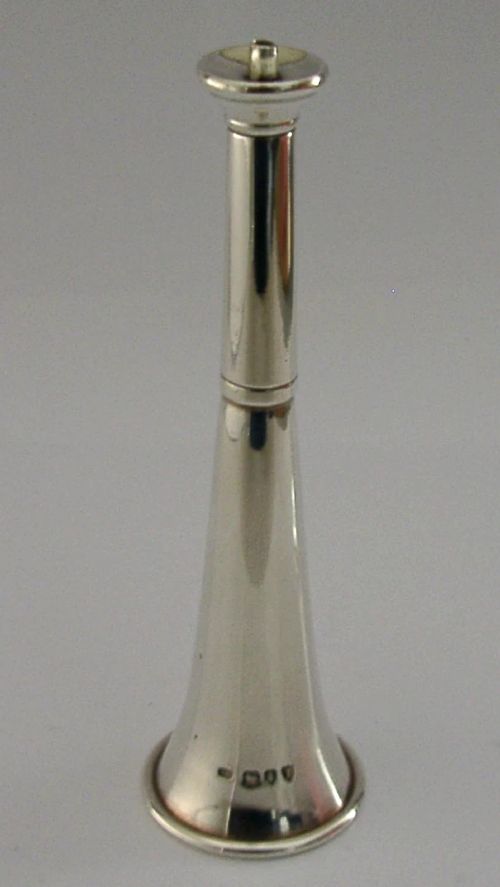
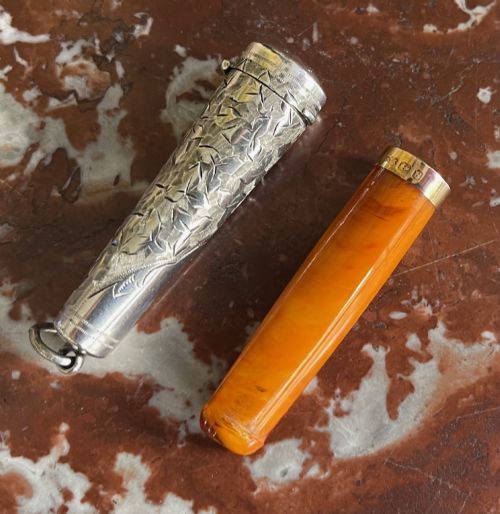
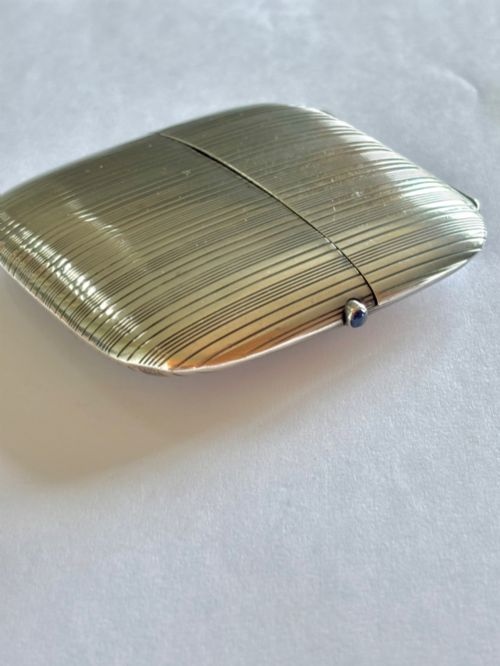
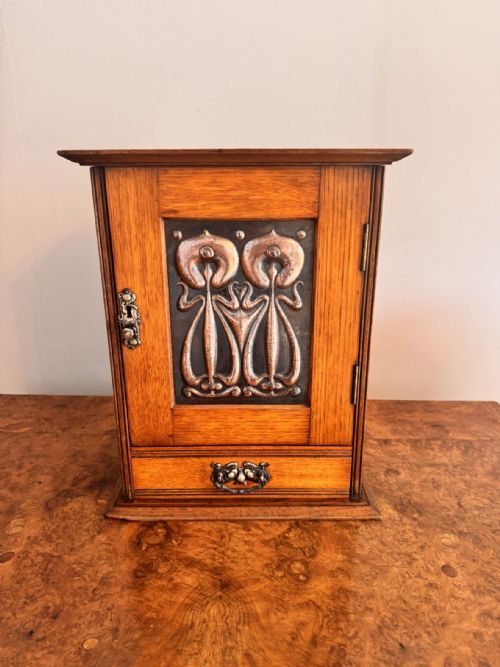
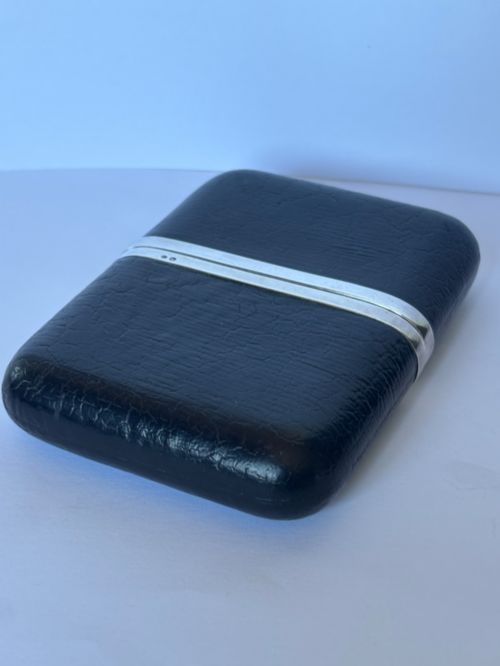
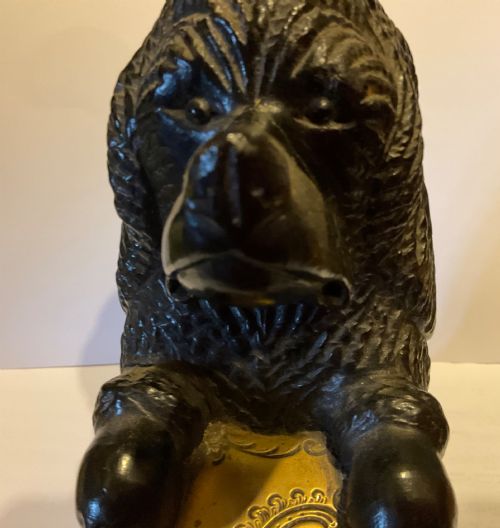
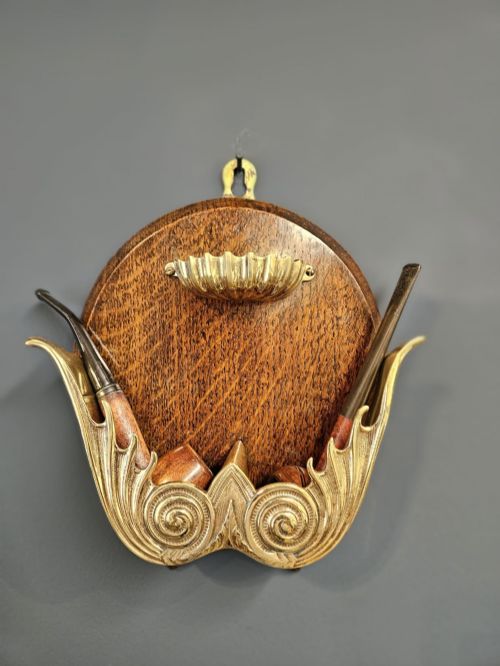
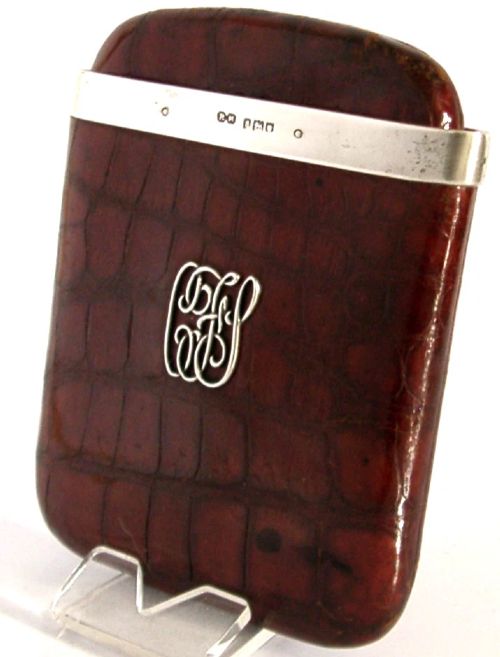
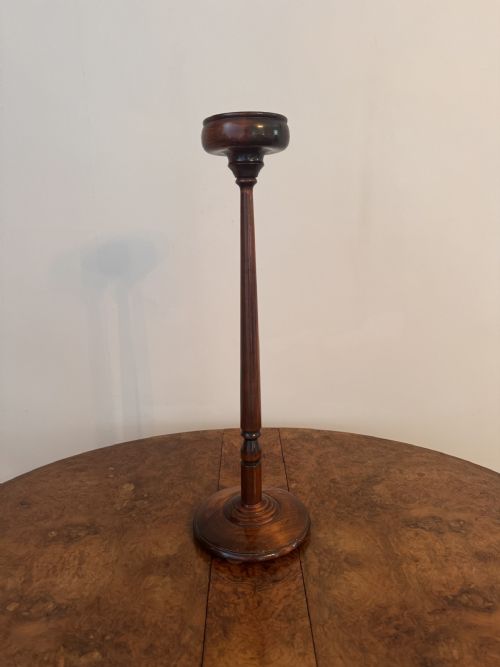
When you search for antique smoking antique, you encounter a diverse array of tobacciana and smoking accessories spanning several centuries. The selection ranges from pocket-sized silver cigarette cases and cheroot holders to substantial floor-standing oak smoking stands and tabletop cabinets.
Victorian and Edwardian items dominate the offerings on this page, reflecting the widespread popularity of smoking during the nineteenth and early twentieth centuries. You will regularly find practical vessels such as pipe racks, match dispensers, and table lighters intended for daily use in period parlours and studies.
How They Were Made
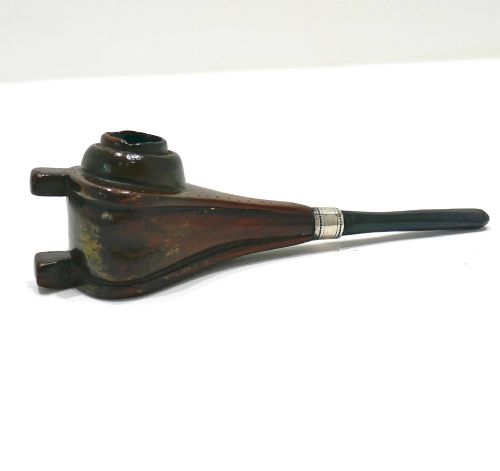
Craftsmen utilised traditional materials such as sterling silver, brass, copper, and precious metals for pocket accessories and table lighters, often employing detailed engraving and silver gilding. Woodworking traditions appear in carved fruitwood pipes, oak humidors, and mahogany smokers cabinets utilising brass hardware.
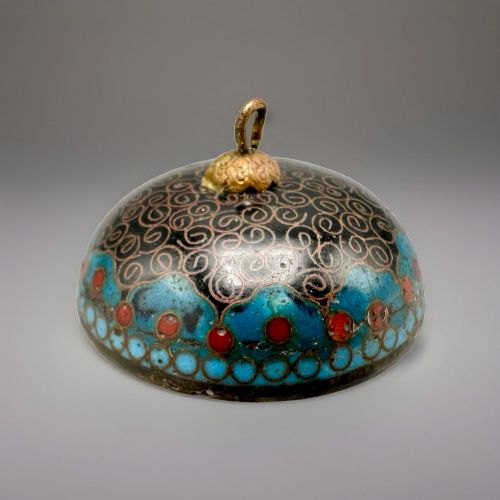
Makers incorporated organic and exotic elements including leather, crocodile skin, amber, briar wood, and cloisonne enamel into cases and pipe stems. Hand-finished details such as hammered copper and carved figural treen demonstrate period artisanal techniques.
Antique Smoking Retail Price Guide 2026
Typical asking prices for smoking among the pieces listed under this phrase on Sellingantiques today, from the lower quarter to the upper quarter. They describe what is for sale here now, not the wider market.
Periods represented span from the seventeenth century through the Victorian and Edwardian eras into the Art Deco epoch.
What Varies In Quality
Superior examples display crisp hallmarks, precise engraving, and robust mechanical construction in items such as vesta cases and cigar tubes. Inferior pieces often exhibit worn plating, loose hinges, or generic mass-produced ornamentation lacking individual character.
The choice of materials dictates the standing of the piece, with solid sterling silver, heavy oak cabinetry, and intricate hand-carved woodwork sitting above simpler metal or softwood constructions. Maker attributions and documented provenance further separate standard utilitarian objects from finer collector items.
JOSEPH GLOSTER LTD·CARL HEISS VIENNA·A & J ZIMMERMAN·E.H. DUMAIGE
The Antique Smoking Glossary
- Tobacciana
- Items relating to the consumption of tobacco, including pipes, cases, and storage cabinets. This category encompasses everything from pocket items to large furniture.
- Treen
- Small handmade wooden objects produced from timber. Examples include carved match dispensers and tobacco holders.
- Vesta case
- A small pocket box designed for holding wax matches, frequently fitted with a striking surface on the base. Many Victorian examples feature novelty shapes.
- Humidor
- A moisture-controlled box or cabinet designed to store cigars in optimal condition. These are often lined with wood and fitted with brass locks.
Antique Smoking: Frequently Asked Questions
What are antique smoking accessories?
These objects comprise items utilised for storing, lighting, and consuming tobacco during the nineteenth and early twentieth centuries.
They include portable pieces like cigarette cases and pipe tampers alongside stationary furnishings such as smokers stands and table lighters.
How were smoking cabinets used?
Smokers cabinets functioned as secure storage units for pipes, tobacco, and cigars within domestic parlours and clubs.
Their fitted interiors kept smoking paraphernalia organised and protected from dust and light.
How do I date silver cases?
Silver pocket cases are dated by examining the stamped hallmarks which indicate the assay office, standard of metal, and year of manufacture.
Maker's marks stamped alongside these assay stamps provide further chronological evidence.
What is briar wood?
Briar wood comes from the root burl of the tree Erica arborea, prized for its resistance to burning and heat.
It became the standard material for high-quality tobacco pipes from the mid-nineteenth century onward.