

Antique Smelling Box
An antique smelling box offers a pocket-sized vessel for aromatic salts, combining miniature metalwork with portable fragrance.
Antique Smelling Box
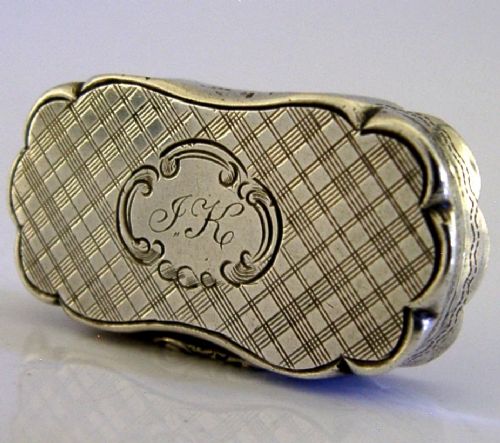
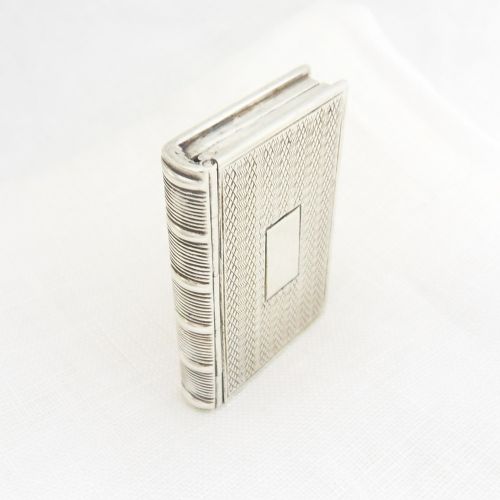
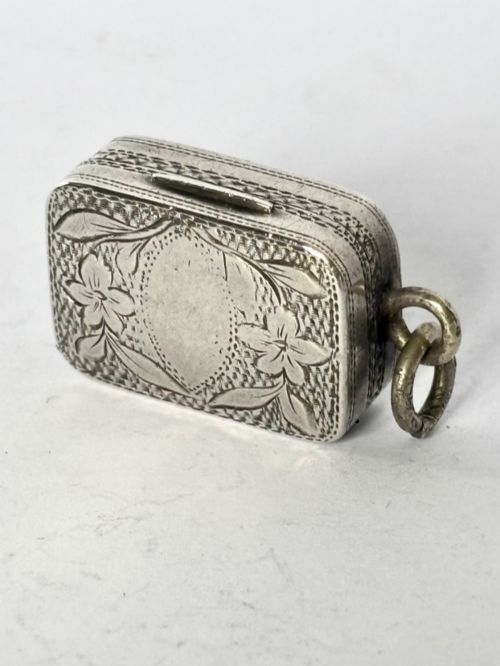
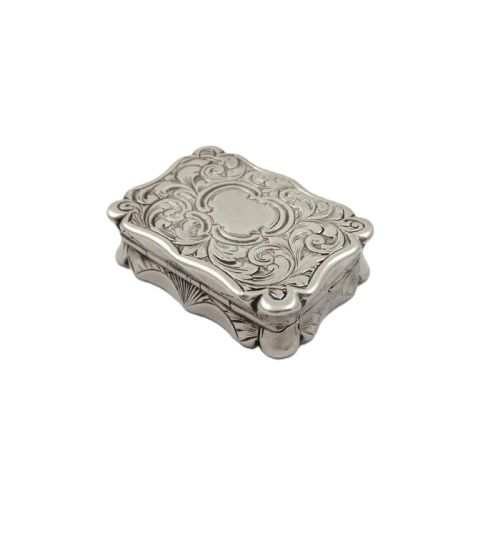
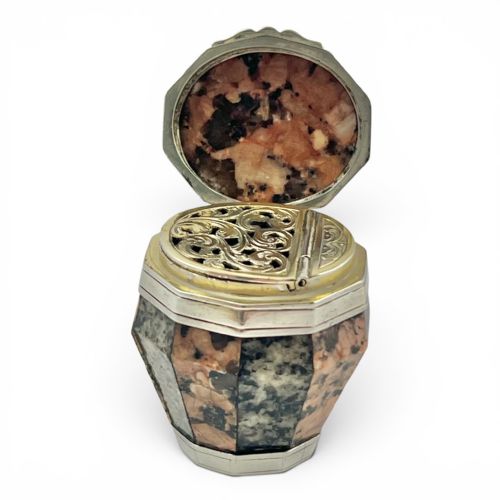
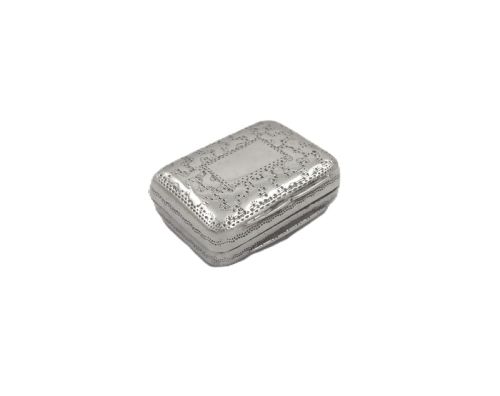
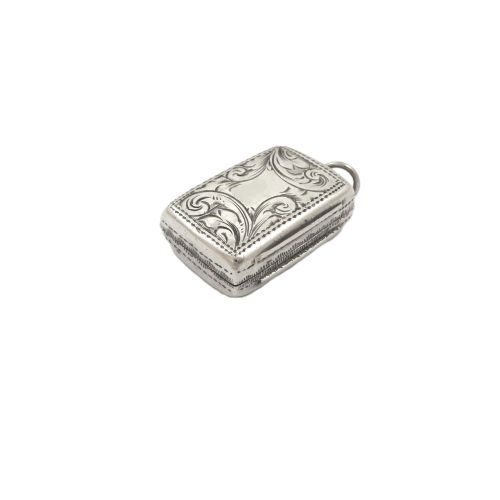
When you search for an antique smelling box, you encounter small personal containers designed to hold fragrant vinegars or salts, which are most commonly represented here by Georgian and Victorian silver vinaigrettes. These pieces range from simple rectangular boxes to whimsical novelty forms such as books, fish, and barrels.
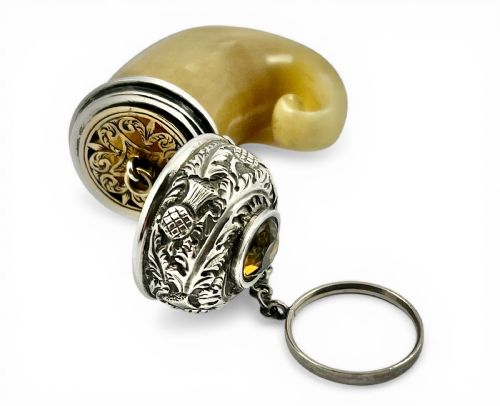
The selection on this page draws heavily from the early nineteenth century and the Victorian era, spanning periods like William IV and reigns encompassing Georgian makers. Alongside standard sterling silver boxes, you find regional variations including Scottish granite, horn, and Chinese export pieces.
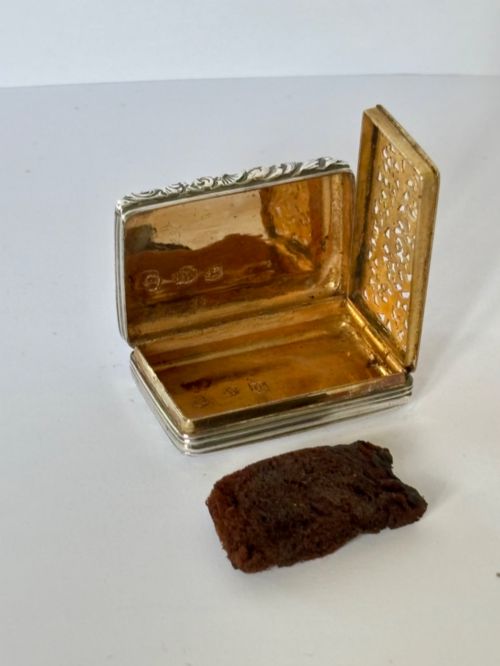
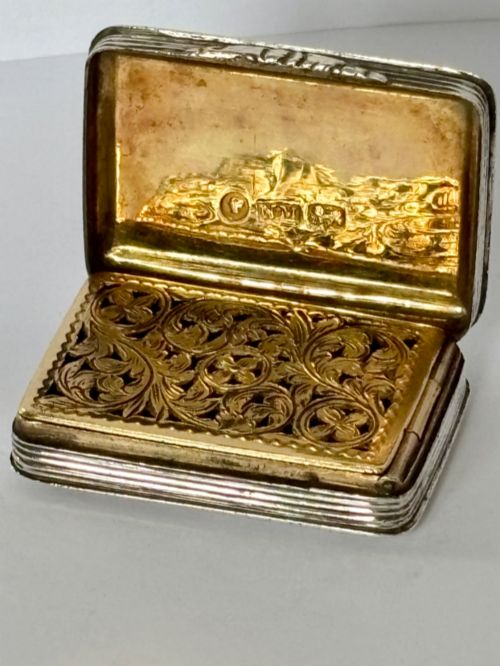
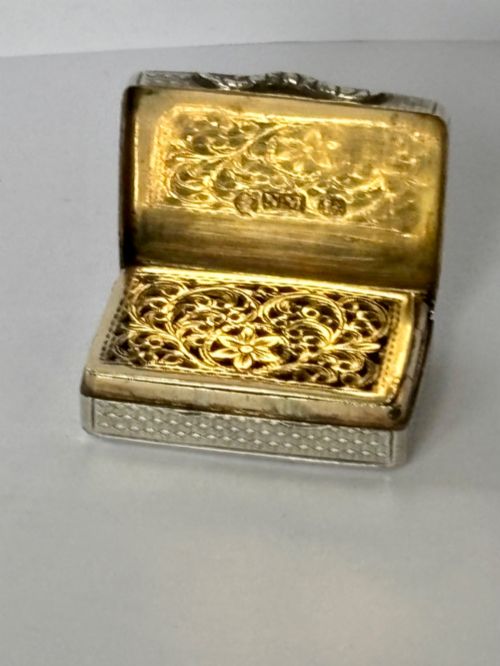
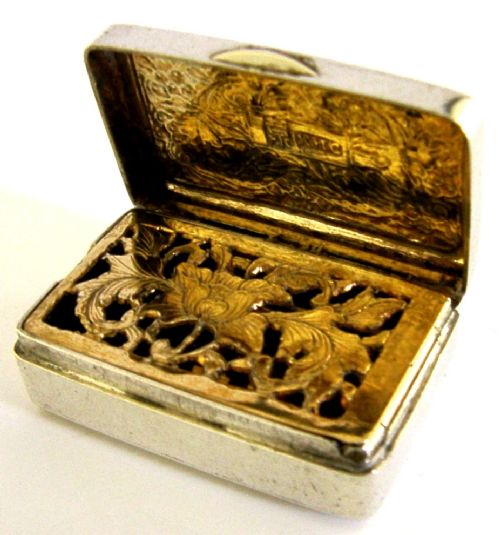
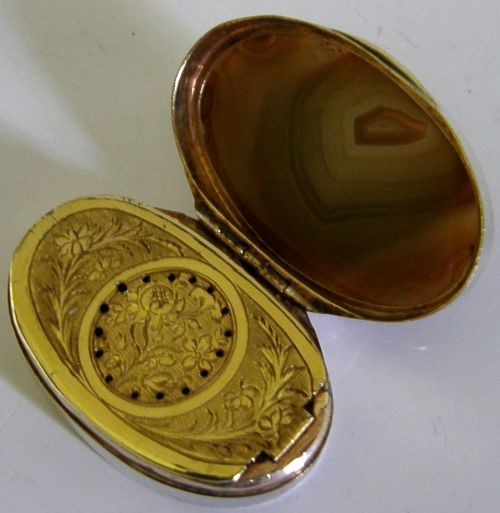
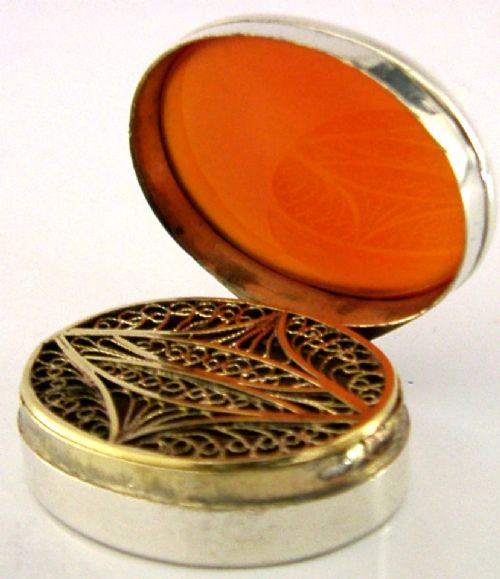
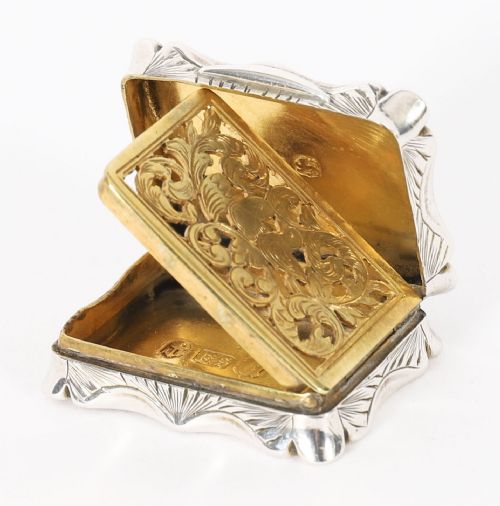
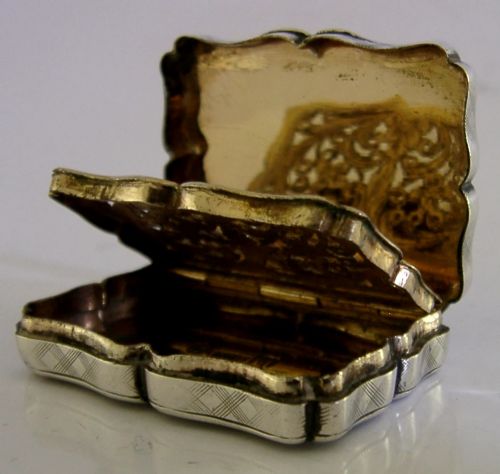
Most examples function primarily as vinaigrettes, featuring an inner pierced grille that retains a vinegar-soaked sponge while allowing the scent to disperse. Scent bottles also appear among the offerings, providing an alternative format for liquid perfume.
Assessing quality and craftsmanship
Quality rests significantly on the precision of the interior grille piercing, where delicate hand-cut floral or geometric patterns demonstrate the maker's skill. Finer pieces also retain their original internal sponges and display crisp hallmarks on both the body and the lid.
Antique Smelling Box Retail Price Guide 2026
Typical asking prices for smelling box among the pieces listed under this phrase on Sellingantiques today, from the lower quarter to the upper quarter. They describe what is for sale here now, not the wider market.
Some Victorian fish-shaped boxes feature fully articulated silver tails that wag when you hold them.
Taylor and Perry·Samuel Pemberton·Thomas Johnson·Nathaniel Mills·Edward Smith·Jacob Amyand·John Bettridge
The Antique Smelling Box Glossary
- Vinaigrette
- A small hinged box containing a perforated internal grille designed to hold a sponge soaked in aromatic vinegar. These pieces date predominantly to the Georgian and Victorian periods.
- Silver-gilt
- Silver that has been coated with a thin layer of gold, commonly applied to the interior of vinaigrettes to prevent corrosion from the acidic contents. This treatment produces a rich yellow metallic finish.
- Castle top
- A style of container featuring a high-relief topographical representation of a specific building or landscape on the lid. These scenes are typically hand-chased onto the silver surface.
- Novelty form
- An object shaped to resemble an animal, fish, book, or other recognizable everyday subject rather than a standard geometric box. Such pieces demand advanced metalworking techniques.
- Grille
- The pierced internal plate fitted beneath the lid of a vinaigrette. It allows the release of fragrance while holding the damp sponge securely in place.
Antique Smelling Box: Frequently Asked Questions
How do you use a vinaigrette?
To use a vinaigrette, the owner opens the outer lid to reveal a pierced internal grille. A small sponge soaked in scented vinegar or perfume sits directly beneath this plate, allowing the fragrance to diffuse when required.
The user simply lifts the grille via a small thumbpiece or hinge to refresh the sponge when the scent fades. The gold gilt interior protects the silver from the acidic vinegar.
How do I date a silver smelling box?
Dating a silver smelling box relies primarily on the hallmarks stamped onto the metal. These marks typically include a maker's mark, a standard silver mark, a city assay office mark, and a date letter corresponding to a specific year.
Stylistic clues also help narrow the period, such as the flat chased designs of the Georgian era versus the heavier cast ornamentation or novelty forms of the Victorian period.
What are novelty smelling boxes?
Novelty smelling boxes are containers shaped to resemble everyday objects, animals, or buildings rather than traditional rectangular boxes. Common designs include books, barrels, fish with articulated scales, and castle tops depicting specific architectural landmarks.
Silversmiths created these whimsical pieces to showcase their technical skill and cater to a wealthier clientele who desired unique conversation pieces.