


Antique Smell Box
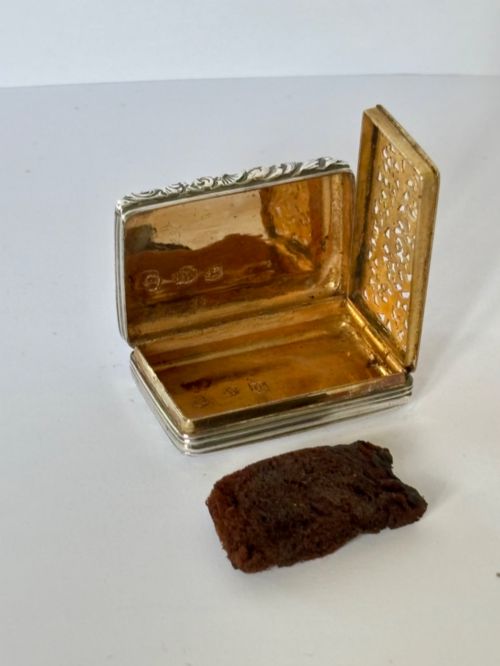
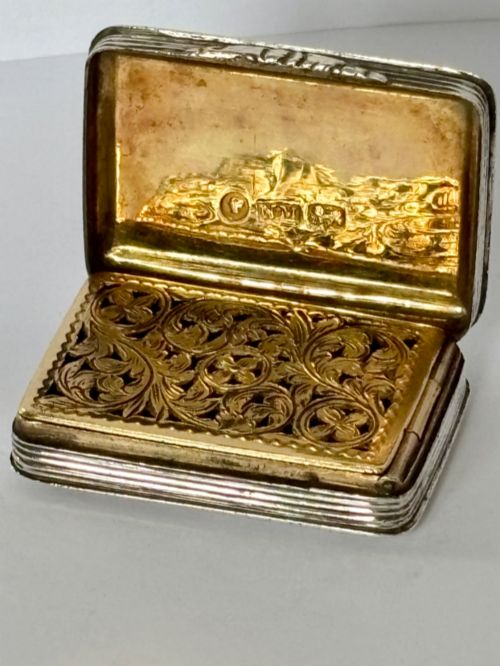
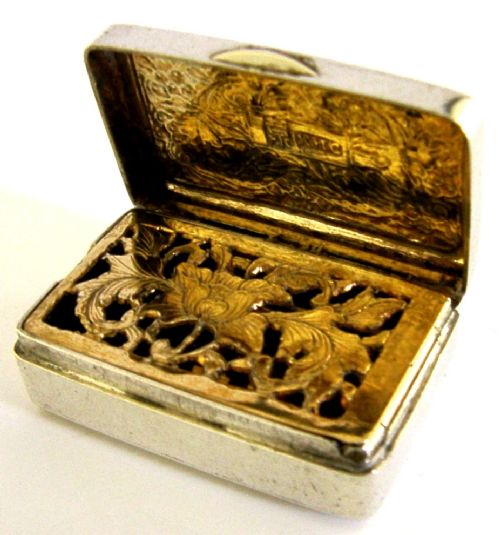
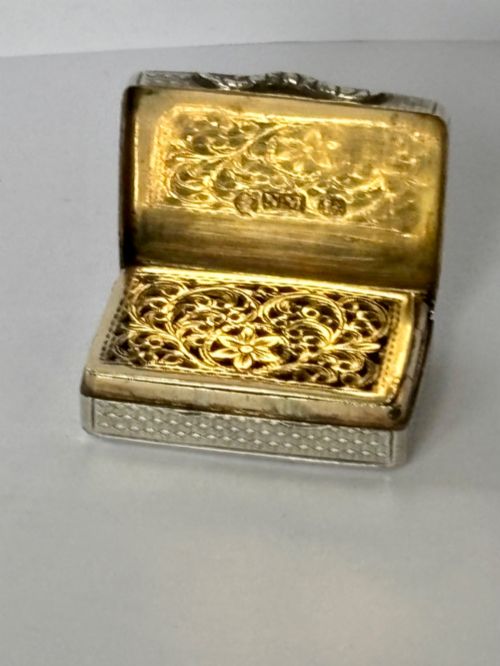
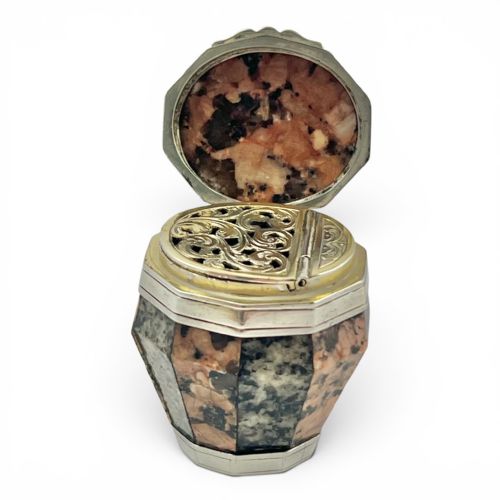
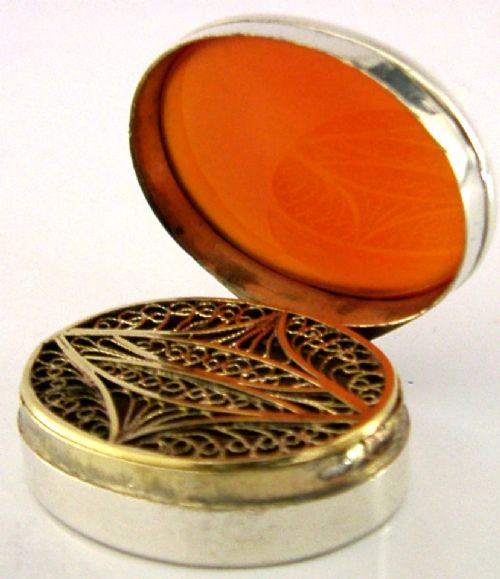
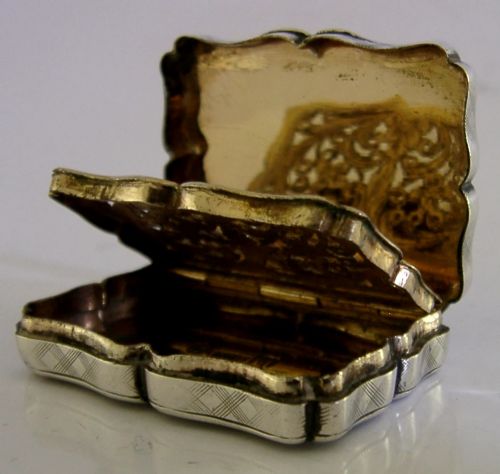
An antique smell box holds a pierced grille within for a sponge soaked in aromatic vinegar, designed to mask unpleasant odours.
Antique Smell Box
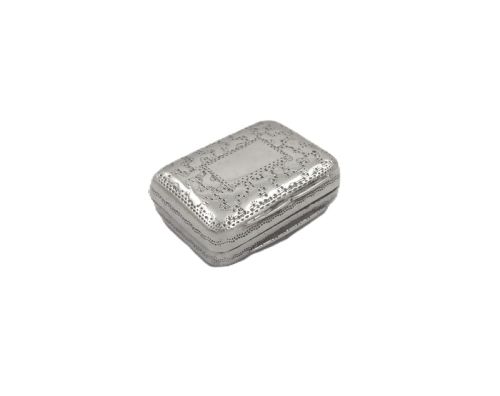
An antique smell box, more commonly termed a vinaigrette, is a small pocket container used during the Georgian and Victorian eras for holding pungent scents. These miniature vessels were carried in pockets or reticules to counter foul odours encountered in public streets or crowded rooms.
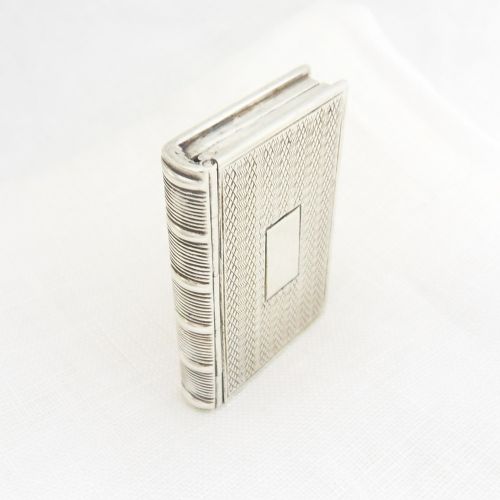
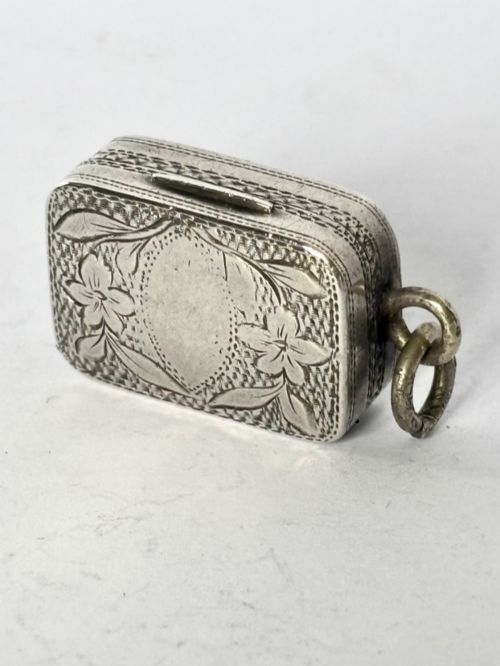
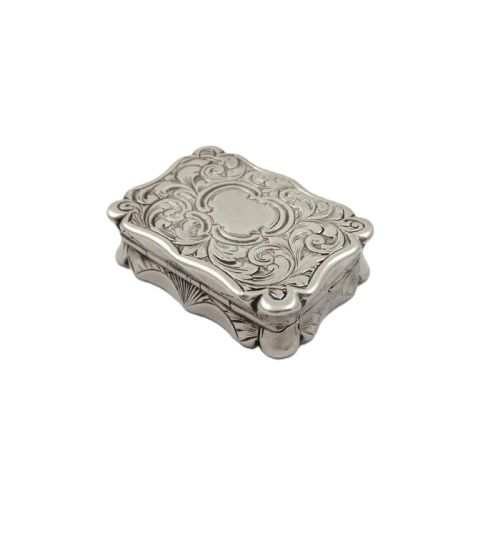
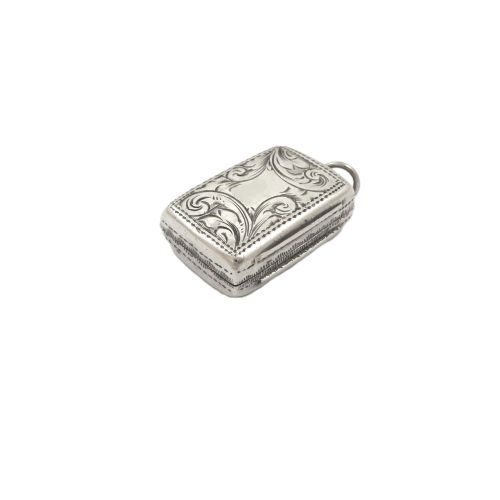
The pieces appearing on this page span the late Georgian, William IV, and Victorian periods, with examples ranging from simple rectangular boxes to novelty shapes. The most frequent encounters are sterling silver vinaigrettes in book form, barrel shapes, or standard rectangular boxes with gilt interiors.
What separates fine examples
Quality rests significantly on the intricacy and completeness of the internal pierced grille, which should retain its original hinge and piercing without distortion. Plain rectangular boxes sit at one end, while sculptural novelty forms like fish or castle tops command greater attention for their ambitious metalwork.
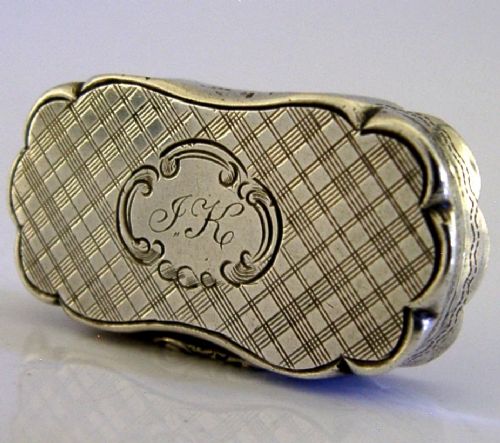
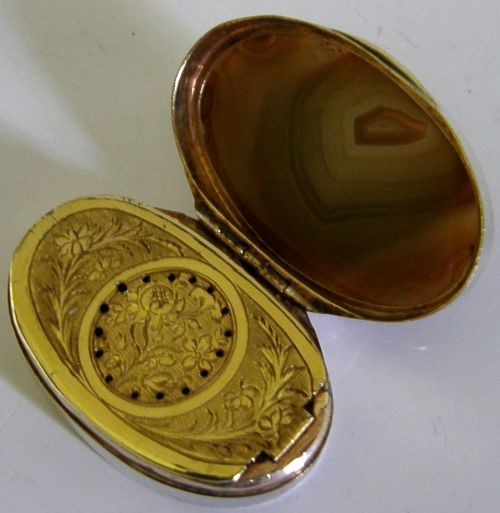
The precision of exterior decoration, such as crisp engine-turning, fine hand-engraving, or the careful setting of polished agate and citrine panels, marks the distinction between standard workshop output and superior maker production.
Antique Smell Box Retail Price Guide 2026
Typical asking prices for smell box among the pieces listed under this phrase on Sellingantiques today, from the lower quarter to the upper quarter. They describe what is for sale here now, not the wider market.
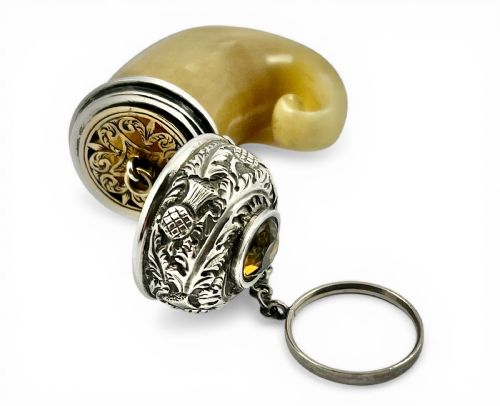
Listings feature items from the Georgian and Victorian periods, utilising materials including sterling silver, silver gilt, agate, glass, horn, and citrine.
Taylor and Perry·Samuel Pemberton·Thomas Johnson·Nathaniel Mills·Edward Smith·Jacob Amyand·John Bettridge
The Antique Smell Box Glossary
- Vinaigrette
- A small container housing a perforated internal grille beneath a lid, designed to hold a vinegar-soaked sponge. It serves the specific function of a portable smell box.
- Silver Gilt
- Silver that has been coated with a thin layer of gold, commonly applied to the interior of vinaigrettes to prevent corrosion from aromatic vinegars. This finish adds a rich golden warmth to the metal.
- Book Form
- A novelty shape modelled to resemble a miniature pocket book, complete with spine and cover details. These pieces represent a clever departure from standard rectangular boxes.
- Castle Top
- A specialised style featuring a high-relief architectural representation of a specific building, such as Oxford colleges, chased onto the lid. Such pieces require exceptional skill from the silversmith.
- Agate
- A variety of chalcedony displaying natural banded patterns, utilised for the lids and panels of select boxes. The stone is polished smooth to highlight its distinct coloration.
Antique Smell Box: Frequently Asked Questions
What is an antique smell box?
An antique smell box is a small portable container, historically called a vinaigrette, used to carry aromatic scents. They were essential personal accessories during periods of poor sanitation.
Inside the main lid lies a second, pierced metal grille that covers a tiny sponge soaked in scented vinegar. Owners lifted this inner lid to refresh the air around them.
How were smell boxes used?
These boxes were carried in pockets, hung from chatelaines, or kept in reticules by both men and women. When foul odours arose, the owner opened the outer lid and inhaled the fragrant vapour through the pierced grille.
The vinegar solution typically consisted of aromatic herbs steeped in acetic acid, serving both as a pleasant scent and a supposed protection against contagious diseases.
How do I date a silver vinaigrette?
Dating relies heavily on the hallmarks stamped onto the silver components, which indicate the assay office, date letter, and maker's mark. Birmingham and London were primary production hubs.
Stylistic shifts also help establish periods, moving from plain Georgian neoclassical designs to ornate Victorian naturalism and architectural castle tops by the mid-nineteenth century.
What materials are found on these boxes?
Sterling silver forms the structural basis for the majority of examples, often finished with a gold gilt wash on the interior. Exterior decoration frequently incorporates natural elements.
Specialist pieces feature polished stones like agate and citrine, marine shells such as cowrie, or organic materials like Scottish horn and granite mounted in silver.