


Antique Slop Bowl
An antique slop bowl is a deep ceramic or silver vessel once used at the tea table to hold discarded tea leaves or dregs.
Antique Slop Bowl
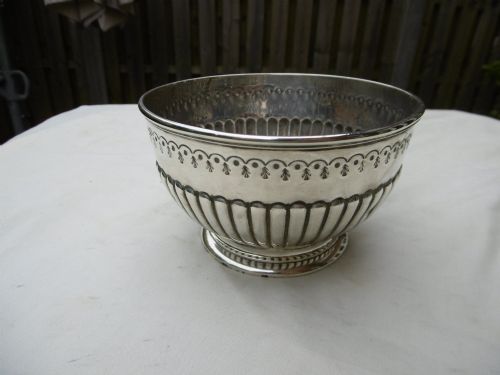
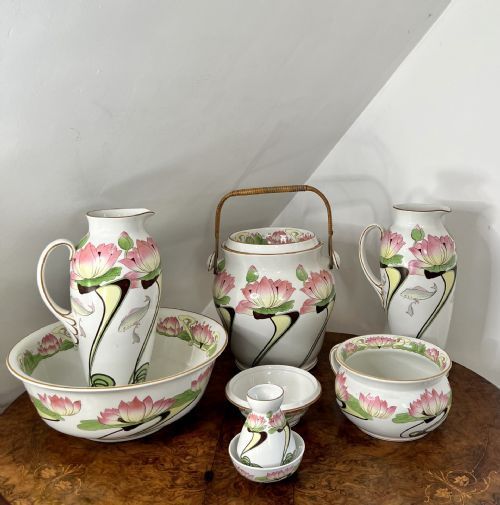
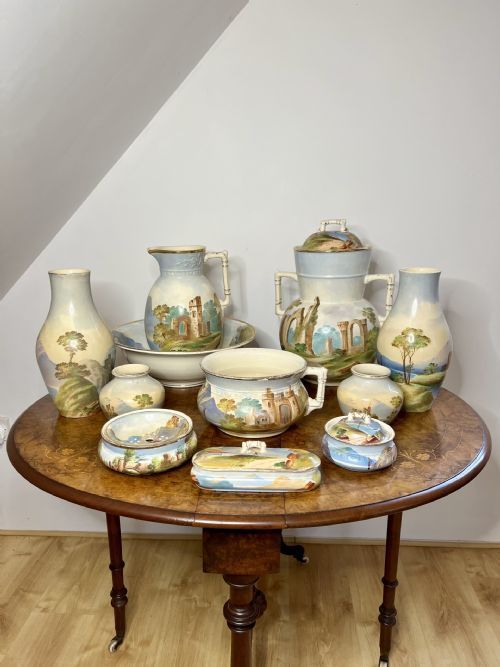
The form is essentially a wide basin, often matching tea sets featuring cups and saucers, designed to collect waste liquid and leaves before fresh cups were poured. Alongside domestic ceramic examples, the record shows larger punch bowls, tea mixing bowls, and wash set components fulfilling similar deep-basin functions.
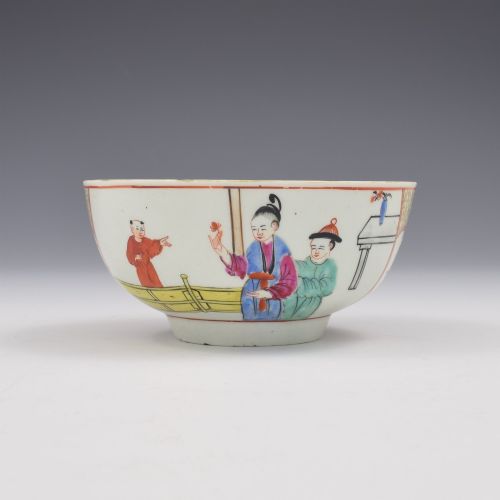
Originating largely from English factories such as Worcester, alongside continental porcelain from Meissen and decorated pieces associated with James Giles, these bowls display distinct styles like Chinoiserie and blue and white hand-painted patterns. Later nineteenth-century examples extend into bathroom sets and silver basins.
How they were made
The materials recorded in these bowls rely heavily on porcelain, soft-paste porcelain, earthenware, and sterling silver, often decorated with gold leaf or enamel. Early ceramic pieces utilise delicate body pastes that required careful kiln firing, while silver examples involve traditional smithing techniques to shape solid metal basins.
Decoration on the porcelain pieces is achieved through underglaze blue painting, enamelling, and overglaze gilding, sometimes applied by specialist decorators such as James Giles. Silver variants incorporate hallmarks, cast elements, and hand-cut facets as seen in heavy cut-glass tea mixing bowls.
Many of these bowls survived centuries of tea parties only to end up repurposed on dressing tables for holding stray pins.
What varies in quality
Quality in these bowls is determined by the crispness of the hand-painted or transfer-printed decoration, the fineness of the porcelain body or weight of the silver, and the historical importance of the maker. Pieces attributed to early factories like First Period Worcester or decorated by known hands exhibit superior artistry in their hand-painted motifs and gilding.
The clarity of cut-glass facets and the preservation of original enamel colours also distinguish finer vessels from simpler utilitarian earthenwares. Weight, metal purity, and the precision of silver hallmarks further separate standard domestic wares from high-status table pieces.
Peter and William Bateman·James Giles·Meissen·Mark Jones and Sons·Minton
The Antique Slop Bowl Glossary
- Slop bowl
- A deep ceramic or silver basin used at the tea table to receive dregs and spent leaves from teacups. It forms a standard component of period tea services.
- Soft-paste porcelain
- An artificial porcelain composition fired at lower temperatures than true hard-paste porcelain, common in eighteenth-century English factories like Worcester. It produces a warm, slightly creamy body.
- Chinoiserie
- A European artistic style reflecting Chinese motifs and decorative techniques, frequently applied to eighteenth-century porcelain bowls and tea wares. It often depicts figures, pagodas, and garden landscapes.
- First Period Worcester
- The earliest phase of porcelain production at the Worcester factory, lasting roughly from 1751 to 1783. Pieces from this era are highly collected for their fine body and cobalt blue painting.
- Sterling silver
- An alloy of silver containing ninety-two point five percent pure silver and seven point five percent other metals, typically copper. It is the standard metal used for Georgian and Victorian silver bowls.
Antique Slop Bowl: Frequently Asked Questions
What was an antique slop bowl used for?
These bowls served a practical purpose at the tea table by holding the leftover liquid and tea leaves emptied from cups before a fresh brew was poured.
Guests or hosts would tip their dregs into the vessel to keep the tea clean and prepare the cup for the next infusion.
How do I date an antique porcelain bowl?
Dating relies on identifying factory marks on the base, stylistic traits such as blue and white transfer printing or hand-painted Chinoiserie, and the composition of the ceramic body.
Early pieces often feature soft-paste bodies with painterly underglaze blue, while later nineteenth-century items display different decorative techniques and Victorian forms.
Are slop bowls waterproof?
Most ceramic and silver bowls are entirely vitrified or metal-sealed, making them naturally capable of holding liquids without leaking.
However, some very early soft-paste pieces or those with historic hairline cracks should be treated with care and used dry for display rather than liquid service.
Can I use an antique bowl for serving food?
While structurally sound enough to hold food or fruit, many collectors prefer to display these pieces to preserve their historic enamels, gilding, and fragile porcelain bodies.
Silver and glazed ceramic examples are generally food-safe, though hand-washing without harsh detergents is essential to protect the antique surface.