



Antique Silver Topped Jar
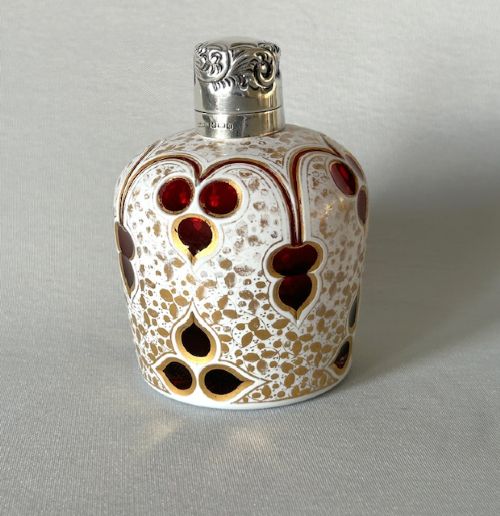
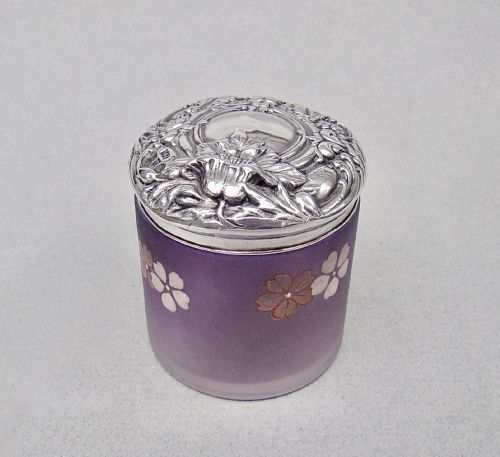
These antique silver topped jar examples combine metalwork and glass to serve dressing tables and sideboards.
Antique Silver Topped Jar
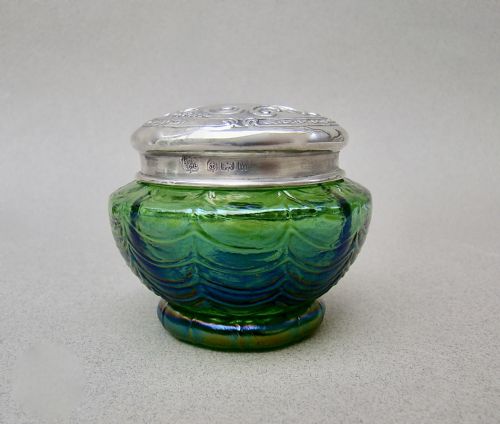
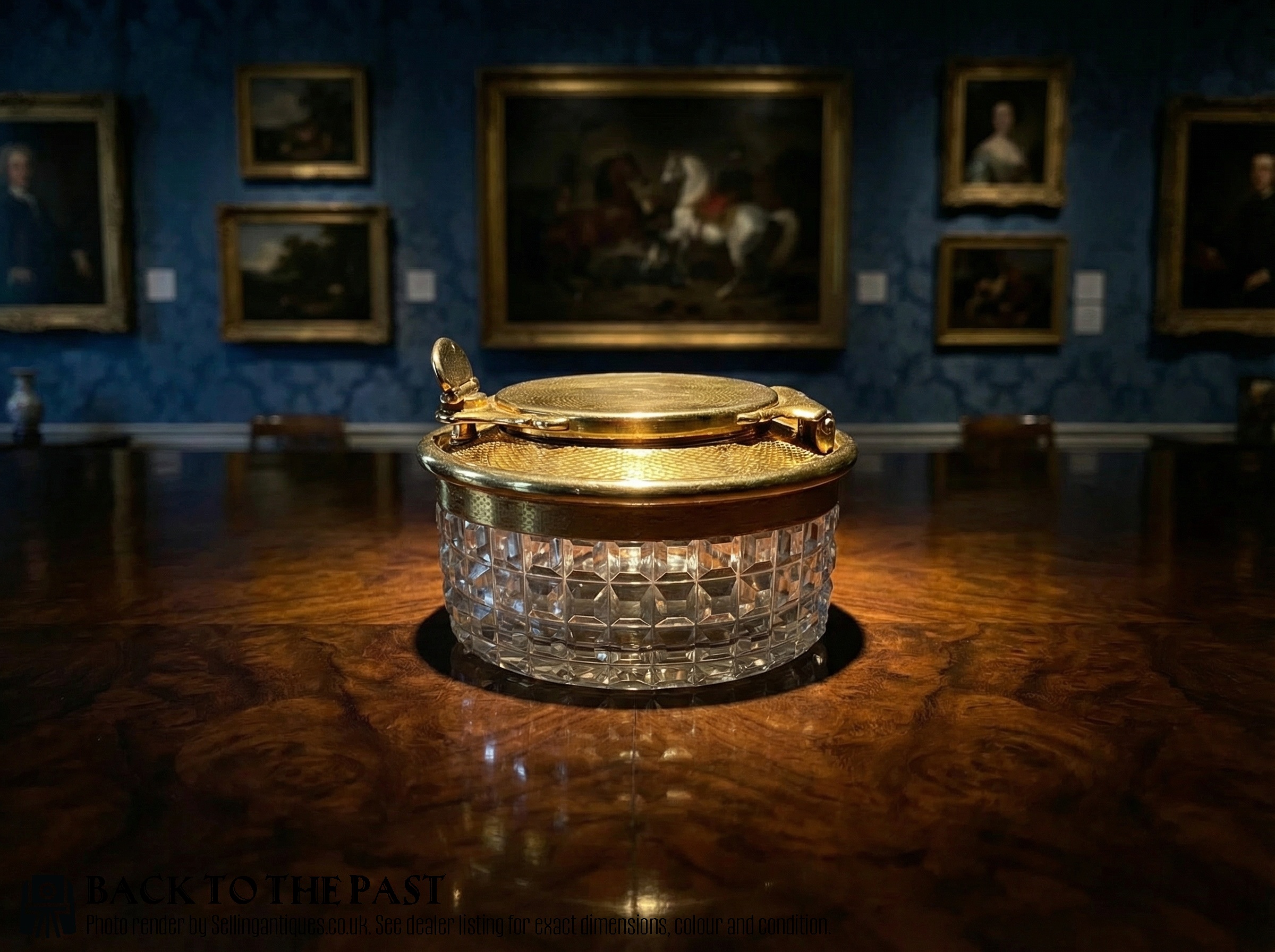
An antique silver topped jar spans dressing table jars, vanity jars, scent bottles, and biscuit barrels produced across the Victorian, Edwardian, and Art Deco periods. The form relies on a glass or crystal body fitted with a silver lid or mount, often hallmarked for cities like Birmingham or London.
Buyers will frequently encounter cut glass and crystal vessels alongside coloured glass bodies such as cranberry or amethyst glass. These pieces served domestic functions for perfumes, cosmetics, and preserves.
Origins stretch from the mid-nineteenth century through the early twentieth century, taking stylistic cues from Neoclassical, Art Nouveau, and George V designs.
Materials and construction
The body of an antique silver topped jar is formed from cut glass, cut crystal, or moulded ceramic materials like Jasperware, paired with sterling silver or silver plate mounts. Coloured glass varieties utilise cranberry and amethyst hues.
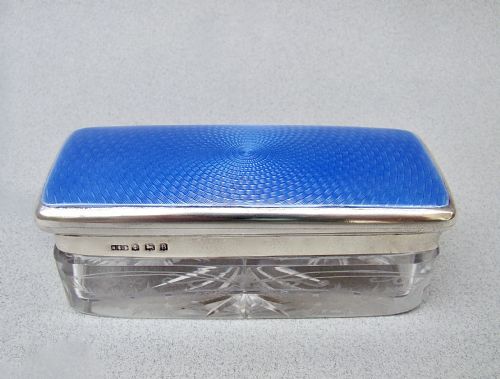
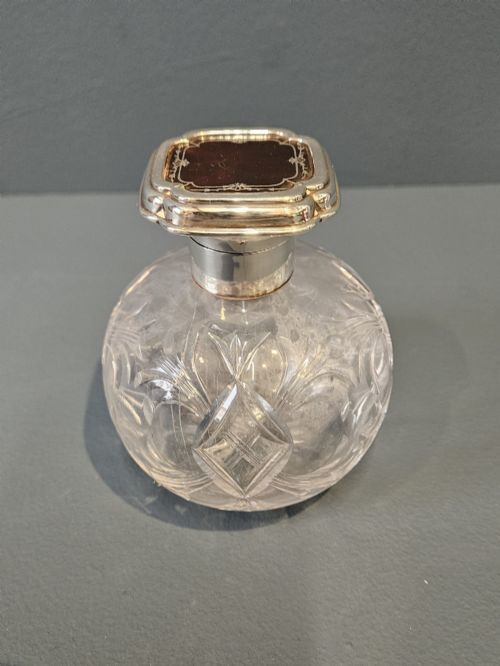
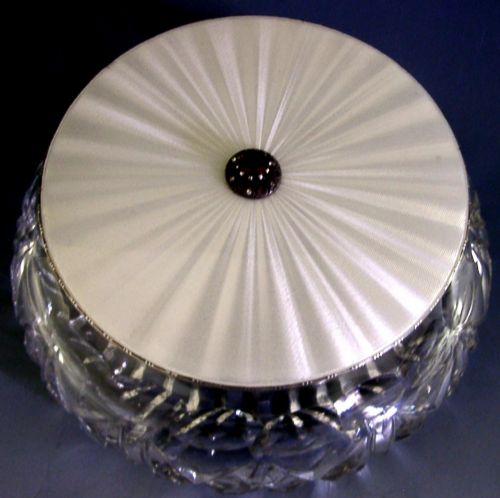
Lids and mounts often incorporate decorative techniques such as guilloché enamel, tortoiseshell panels, and etched glass patterns. Silversmiths stamped hallmarks directly onto the metal components to record the assay office and year of manufacture.
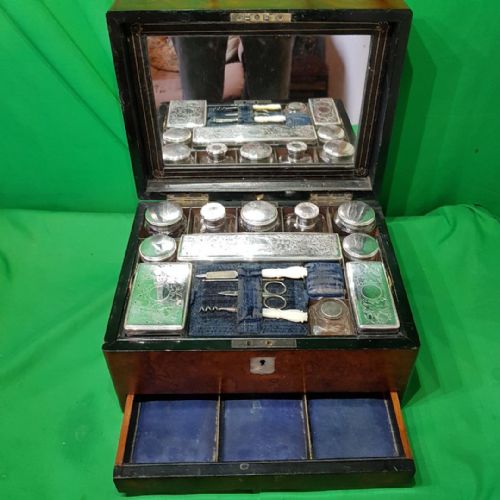
Some gentleman's vanity boxes tucked away hidden compartments designed specifically for holding collar studs and cuff links.
Distinctions in quality
The distinction between tiers rests on the crispness of the glass cutting and the weight of the silver mount. Heavy crystal bodies with deep facet cuts and substantial solid silver lids represent the upper end of production.
Detailing on the metalwork also separates examples, with hand-applied guilloché enamel and genuine tortoiseshell inserts indicating finer workshop output compared to plain silver or silver plate.
A. J. Pepper & Co·Henry Clifford Davis·Walker & Hall·Goldsmiths and Silversmiths Co·Jonathan Douglas·Barnsley & Co·Adie Brothers Ltd·William Comyns
The Antique Silver Topped Jar Glossary
- Hallmark
- Official marks stamped on precious metals indicating the standard of silver, the assay office, and the year of manufacture.
- Guilloché
- A decorative mechanical engraving technique producing precise, intricate geometric patterns beneath translucent enamel.
- Biscuit Barrel
- A ceramic or glass lidded container designed for storing biscuits on the dining table or sideboard.
- Trinket Box
- A small container utilised on dressing tables for holding jewellery, pins, or small personal items.
- Sterling Silver
- An alloy of silver containing 92.5% pure silver and 7.5% other metals, typically copper.
Antique Silver Topped Jar: Frequently Asked Questions
What are antique silver topped jars?
These pieces are glass or crystal containers fitted with sterling silver or silver plate lids, created for vanity, dressing table, or dining use.
They encompass scent bottles, vanity jars, biscuit barrels, and trinket boxes from the Victorian, Edwardian, and Art Deco eras.
How were dressing table jars used?
Victorian and Edwardian households placed vanity jars and scent bottles on dressing tables to hold perfumes, cosmetics, and small accessories.
Larger vessels such as biscuit barrels and preserve jars functioned as tableware for serving food items during formal meals.
How do I date a silver lid?
British silver lids typically feature hallmarks that include a date letter indicating the exact year the piece was assayed and tested.
Assay office marks, such as the anchor for Birmingham or leopards head for London, help pinpoint the origin alongside the maker's mark.
What materials are common in these jars?
The primary materials are cut glass, cut crystal, and sterling silver, sometimes enhanced with tortoiseshell, enamel, or velvet linings.
Certain examples utilise coloured glass bodies like cranberry or amethyst, or incorporate ceramic elements like Jasperware.