


Antique Silver Tea Flatware
These antique silver tea flatware pieces bring genuine history to the daily table, offering everything from caddy spoons to sugar tongs.
Antique Silver Tea Flatware
When searching for antique silver tea flatware, collectors look at specialised items designed for the ritual of tea, including caddy spoons, teaspoons, sugar tongs, and small butter knives. These objects span periods from the Georgian era through to the Art Deco years of the twentieth century.
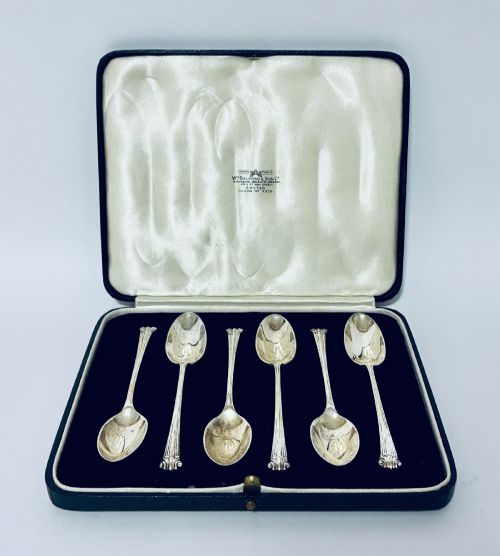
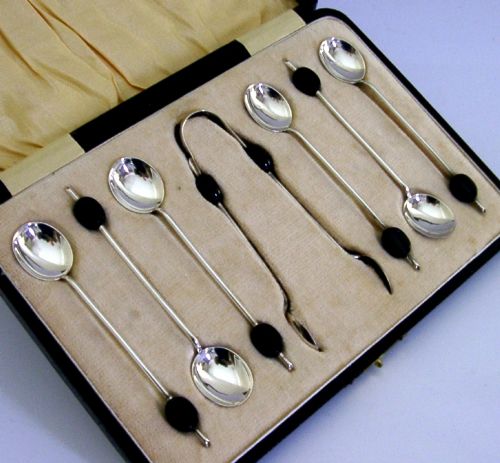
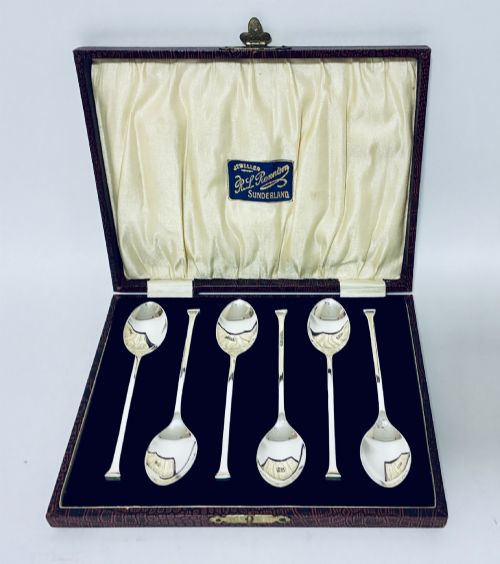
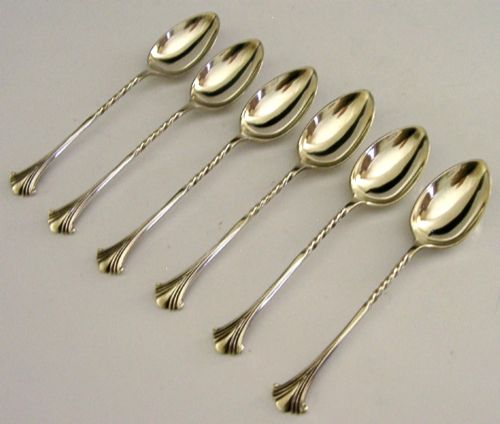
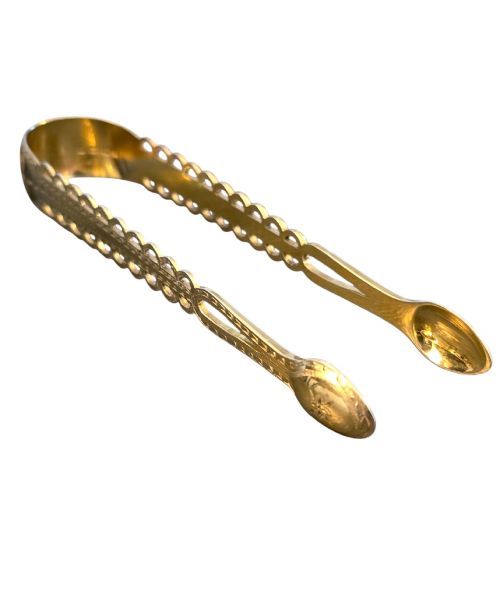
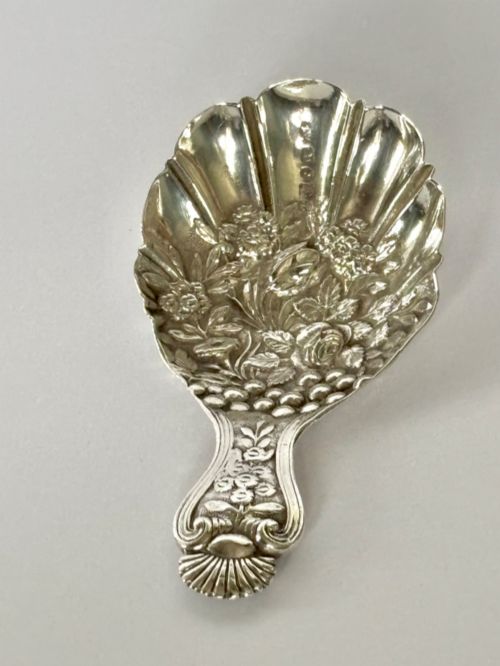
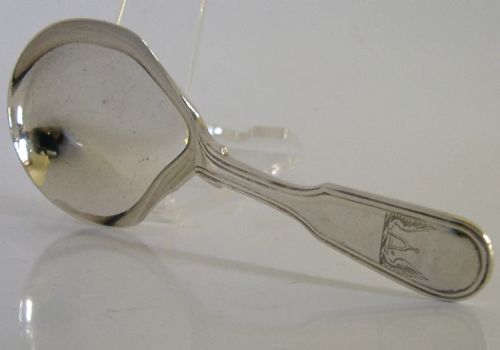
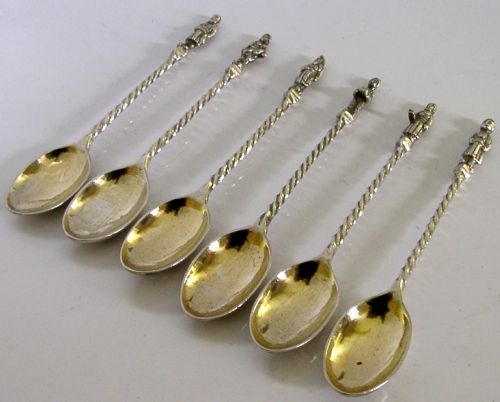
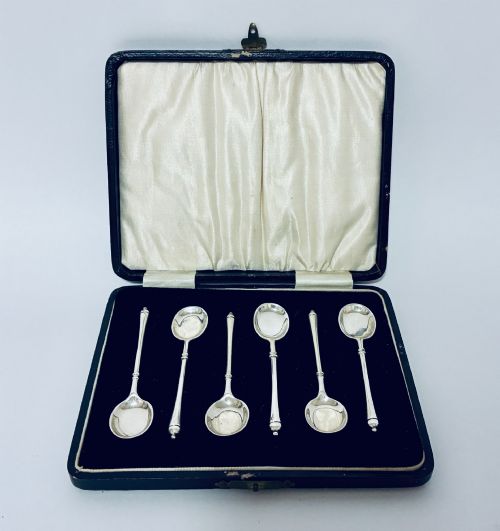
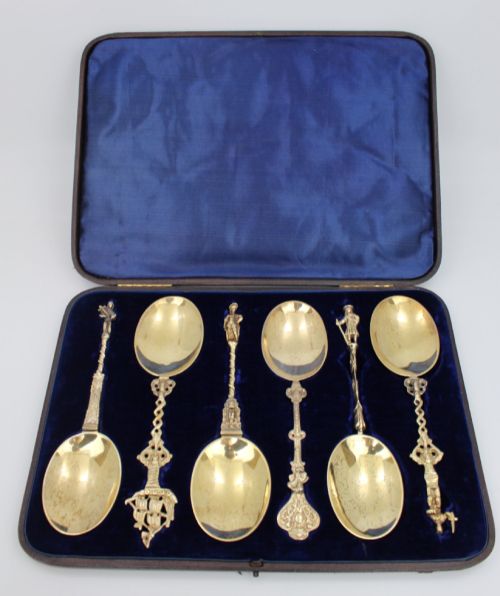
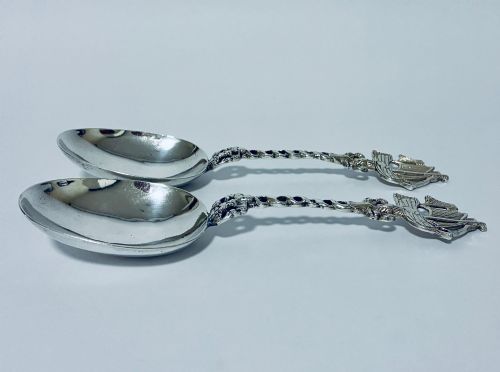
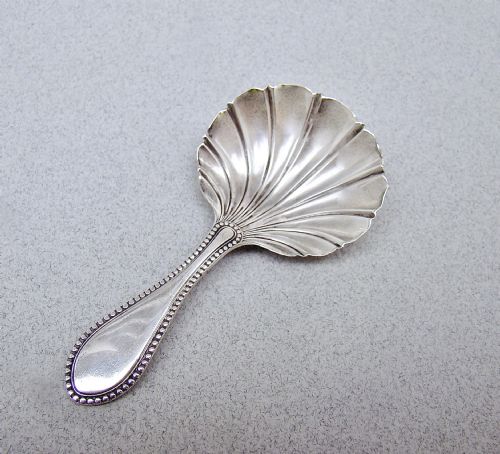
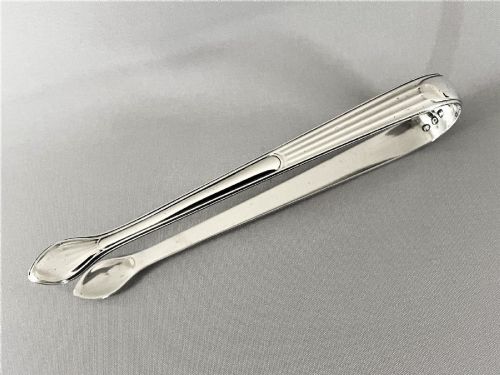
Caddy spoons and sugar tongs form the bulk of individual specialty items, often featuring bright-cut engraving, cast handles, or figural details. Teaspoons most frequently appear in matched sets of six, sometimes housed in fitted presentation cases lined with silk, velvet, or satin.
Originating largely from British assay offices in London, Birmingham, and Sheffield, these pieces also include continental European examples from Dutch, Russian, and Ottoman makers. The forms reflect shifts in dining habits across the eighteenth, nineteenth, and early twentieth centuries.
How they were made
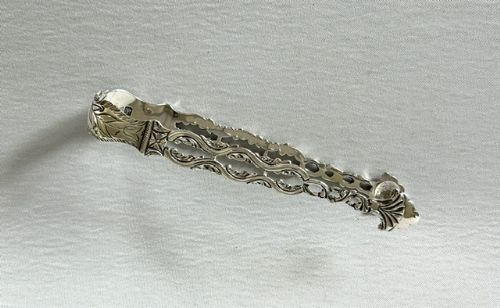
Makers utilised sterling silver and standard silver grades, shaping bowls and stems through hammering, piercing, and casting techniques. Pierced work created intricate patterns in sugar tongs and caddy spoons, while bright-cut engraving added surface decoration to spoon bowls and handles.
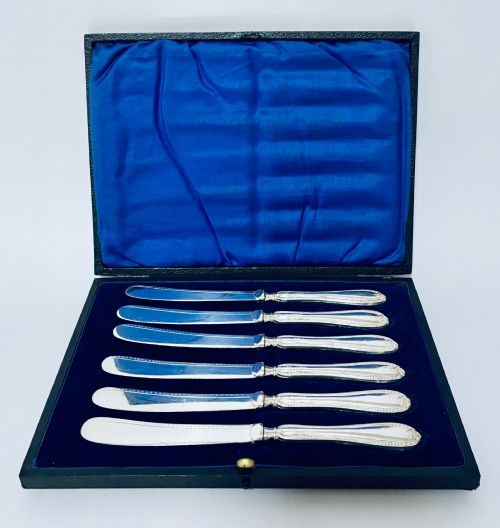
Specialist implements like fruit knives and butter knives incorporated steel blades alongside silver handles, sometimes set with agate or enamel details. Caddy spoons often utilised distinct bowl shapes, such as vine leaves or shell motifs, joined to short stems.
Antique Silver Tea Flatware Retail Price Guide 2026
Typical asking prices for silver tea flatware among the pieces listed under this phrase on Sellingantiques today, from the lower quarter to the upper quarter. They describe what is for sale here now, not the wider market.
What varies in quality
The distinction between standard pieces and finer examples rests on the crispness of the chasing, the depth of the hallmarks, and the weight of the silver used in construction. Heavy gauge metal resists bending during use, while sharply cast figural elements or detailed cloisonné enamel retain their definition over centuries of handling.
The presence of original fitted cases lined with satin or velvet adds to the integrity of a matched set of teaspoons or fruit knives. Maker attribution, such as work by recognised silversmiths like the Bateman family, elevates the standing of individual caddy spoons and tongs.
Martin Hall & Co·Joseph Willmore·Bateman Family·Georg Jensen·George Unite
The Antique Silver Tea Flatware Glossary
- Caddy spoon
- A short-handled spoon specifically designed for measuring loose tea leaves from a caddy. These pieces often feature shallow, decorative bowls shaped like shells, leaves, or hands.
- Bright-cut engraving
- A surface decoration technique utilising faceted cuts made with a graving tool to reflect light. This method creates crisp, geometric or floral patterns on spoon handles and bowls.
- Mote spoon
- An eighteenth-century implement featuring a pierced bowl used to strain tea leaves, with a pointed terminal designed to clear the teapot spout. These items date primarily from the Georgian period.
- Hallmark
- Official stamps struck into precious metals to indicate the maker, standard of purity, assay office, and year of manufacture. British pieces typically bear a sequence of duty and town marks.
- Cloisonne
- An enamel technique where thin metal wires form raised partitions on a silver surface, filled with coloured vitreous paste before firing. This method appears on late nineteenth-century Russian items.
Antique Silver Tea Flatware: Frequently Asked Questions
How do I clean antique silver flatware?
Clean these items using a soft cloth and specialist silver polish, avoiding harsh abrasive dips that strip away patination and fine engraving details.
Store caddy spoons and teaspoons in dry environments, and keep boxed sets away from direct sunlight to protect silk and velvet linings.
Can I use antique teaspoons every day?
Solid sterling silver teaspoons and sugar tongs are durable enough for daily use if handled with care and washed by hand rather than in a dishwasher.
Items with delicate enamel work or steel blades require extra attention to prevent moisture damage and staining.
How do I date Georgian silver flatware?
Check the hallmarks stamped into the reverse of the handle or bowl, which typically include a maker's mark, a standard mark, and a date letter corresponding to specific assay office records.
Stylistic cues such as bright-cut engraving also help narrow down the decade of manufacture within the Georgian period.
What is a mote spoon used for?
A mote spoon served a dual purpose in eighteenth-century tea service, with the pierced bowl skimming loose leaves from the brew and the pointed stem clearing blocked teapot spouts.
These scarce items are prized by collectors for their association with early tea-drinking customs.