

Antique Silver Snuff
Antique silver snuff boxes are pocket containers crafted to hold powdered tobacco, offering collectors tactile history from Georgian and Victorian periods.
Antique Silver Snuff
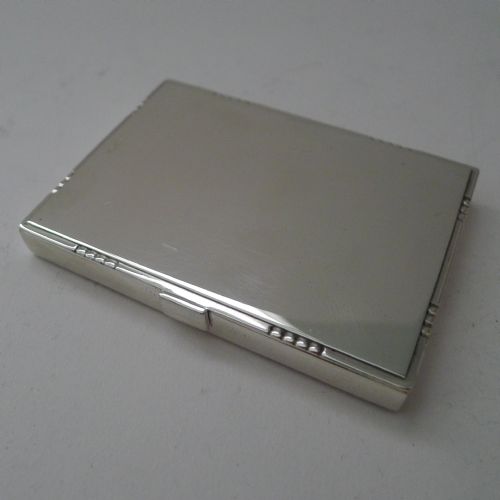
When you search for antique silver snuff, you encounter small personal containers designed for tobacco consumption alongside related pocket items like vinaigrettes, pill boxes, and trinket boxes. These pieces appear primarily in Georgian, Victorian, and Edwardian styles, spanning standard pocket snuff boxes to large table snuff boxes.
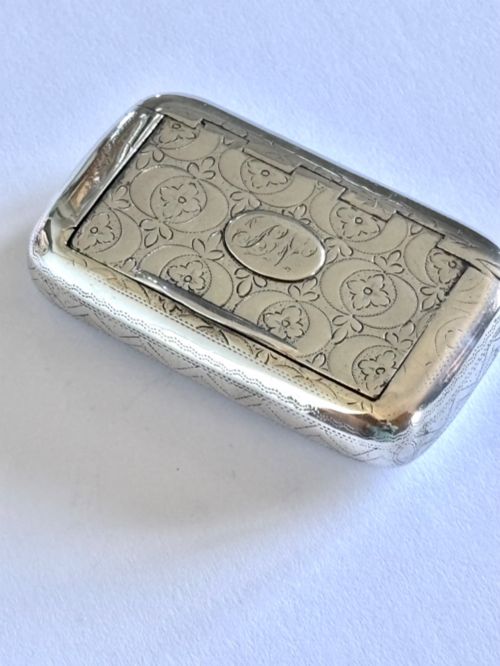
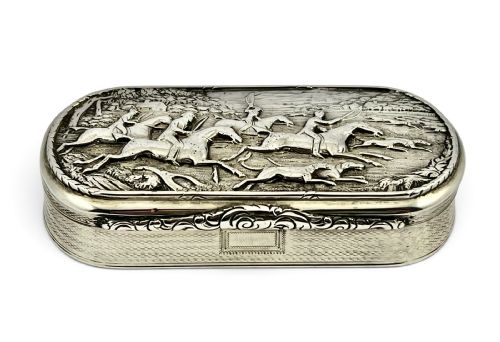
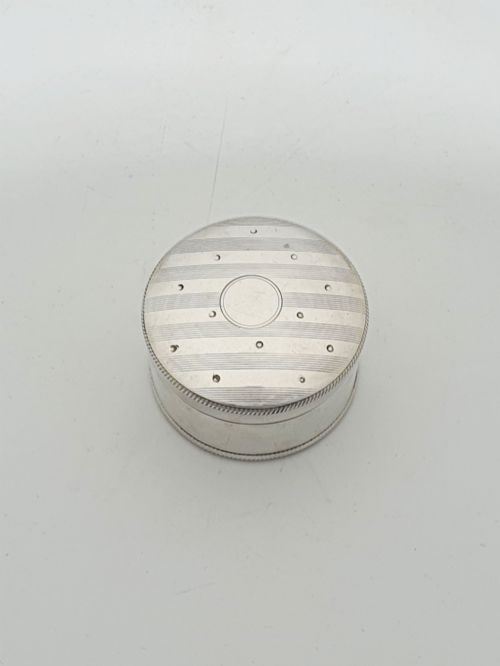
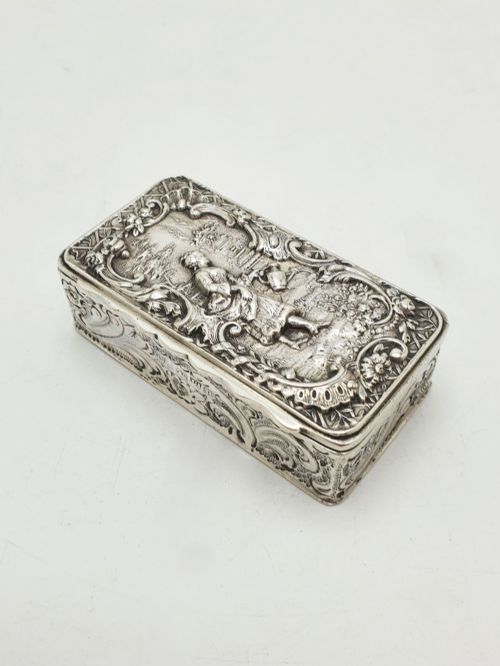
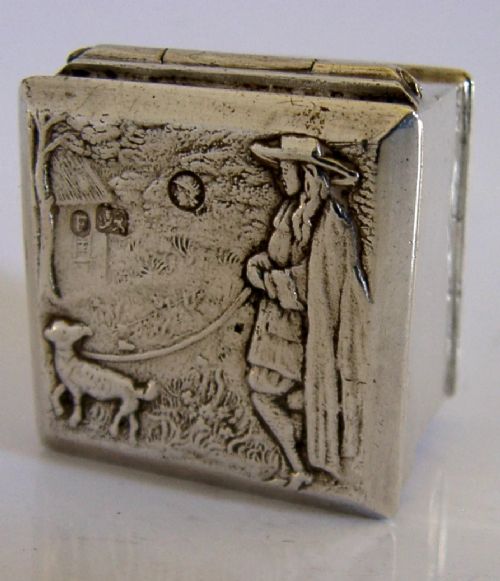
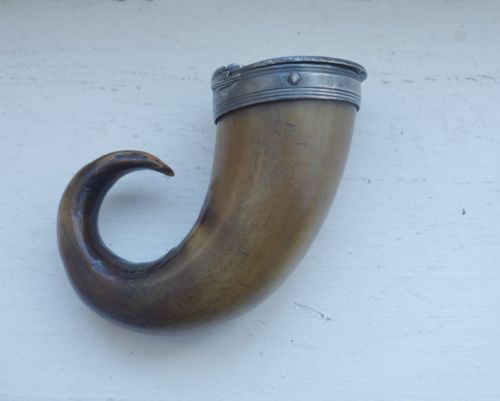
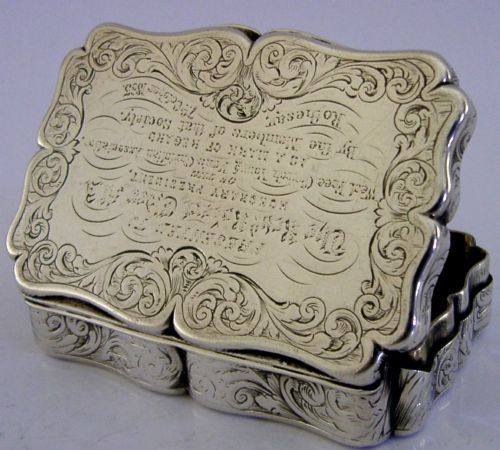
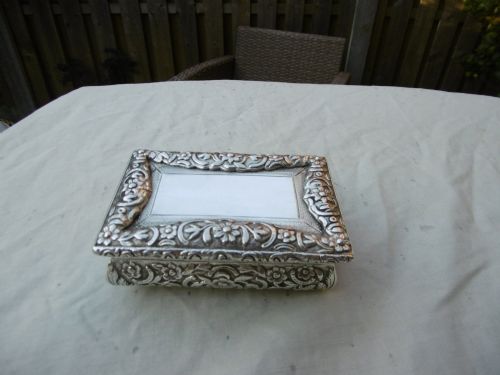
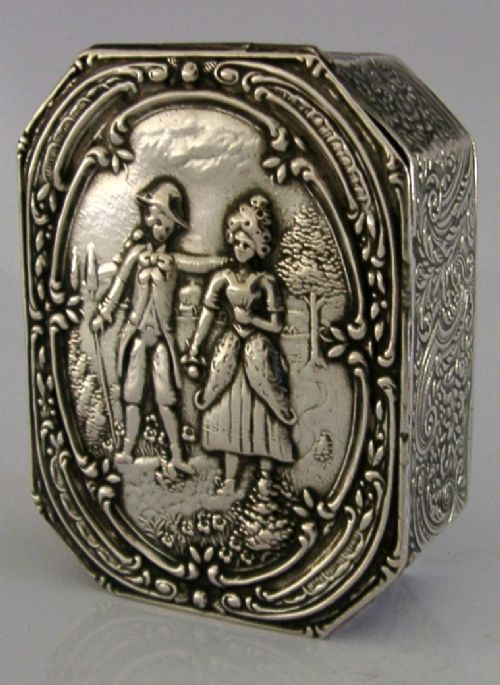
The objects take varied forms including engine-turned round pill boxes, repoussé snuff boxes with gilt interiors, and Scottish horn snuff mulls. Collectors also find novelty boxes shaped as animals like snipe, alongside pieces featuring agate, enamel, or mother of pearl.
Origin points range from British makers in London and Birmingham to continental workshops in Germany, Holland, China, and Turkey. The most common survivals on this page are sterling silver pocket boxes and vinaigrettes bearing hallmarks from the nineteenth century.
How they were made
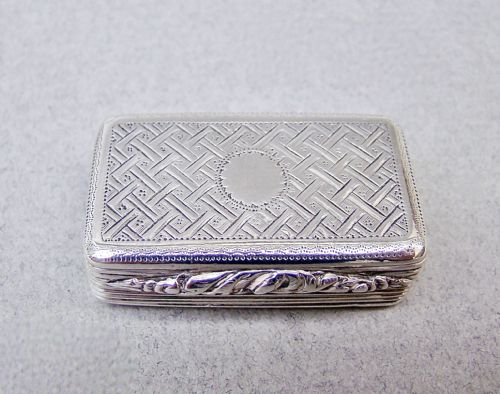
Silversmiths utilised sterling silver, solid silver, and silver-gilt, shaping the metal through techniques such as repoussé, embossing, engine-turning, and planishing. Many boxes combine silver with organic materials like horn, agate, or mother of pearl.
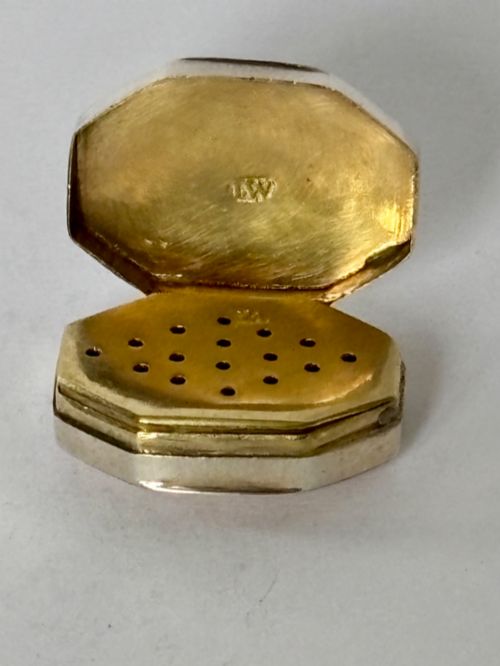
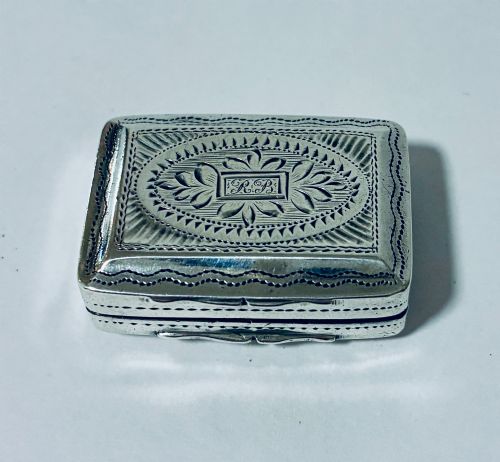
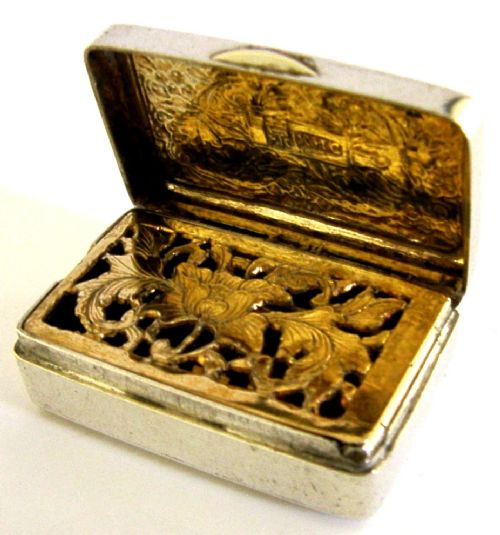
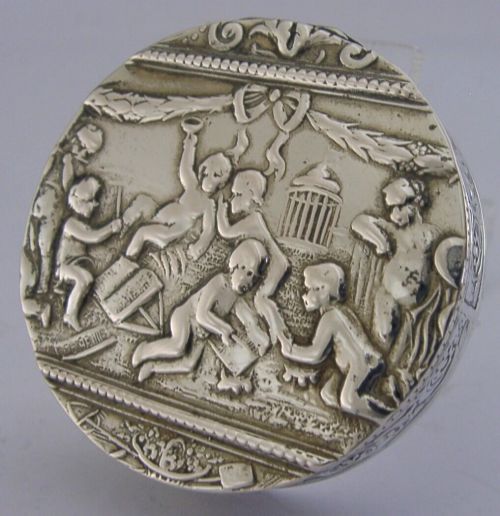
Vinaigrettes incorporate internal pierced grilles designed to hold sponges soaked in aromatic vinegar. Artisans embellished surfaces with figural cherub scenes, cast castle tops, crests, and engraved Welsh or Scottish mottos.
What varies in quality
Quality differentiates through the precision of the silversmith's handwork, visible in the crispness of engine-turning, repoussé relief, and the delicacy of internal pierced grilles on vinaigrettes. Superior pieces exhibit substantial weight, secure lid hinges, and well-preserved parcel-gilt interiors.
The choice and integration of secondary materials like banded agate, polychrome enamel, or carved mother of pearl elevate certain boxes above plain silver variants. Maker attribution and legible hallmarks from recognised silversmiths further distinguish regional production quality.
Georg Jensen·Harald Nielsen·Joseph Wilmore·Samuel Pemberton·Thomas Johnson·Cornelius Bland·Robert Thornton·Thomas Shaw·Edward Smith·Henry Matthews
The Antique Silver Snuff Glossary
- Vinaigrette
- A small hinged box containing a perforated internal grille. This grille covers a sponge soaked in aromatic vinegar for freshening the air.
- Repoussé
- A metalworking technique where the smith hammers the design from the reverse side to form raised relief patterns on the exterior.
- Engine-turned
- A geometric surface decoration applied using a mechanical lathe to cut precise, repetitive patterns into the silver.
- Snuff mull
- A traditional Scottish container made from animal horn rather than metal, often fitted with a silver mount and hinged lid.
- Silver-gilt
- Sterling silver that has been coated with a thin layer of gold on its interior or exterior surfaces, sometimes called vermeil.
Antique Silver Snuff: Frequently Asked Questions
What is an antique silver snuff box?
These small lidded containers held ground tobacco leaves inhaled through the nose during the eighteenth and nineteenth centuries.
Craftsmen fashioned them primarily from sterling silver, frequently adding gilt interiors or decorative stones.
How do you use a vinaigrette?
A vinaigrette functions differently from a snuff box by holding a scented vinegar sponge behind a decorative pierced grille.
Owners opened the box to inhale the aromatic vapours in crowded or foul-smelling environments.
What is a snuff mull?
A snuff mull is a traditional Scottish receptacle carved from natural animal horn rather than formed from sheet silver.
They often feature hinged metal lids and silver mounts, reflecting rural craft traditions.
How do I date antique silver boxes?
Dating relies on official hallmarks stamped into the metal, which indicate assay office locations, standard marks, and specific date letters.
Stylistic shifts from Georgian neoclassical designs to Victorian repoussé also help narrow the period.