


Antique Silver Serving Box
An antique silver serving box protects and presents the specialist cutlery and flatware required for formal dining.
Antique Silver Serving Box
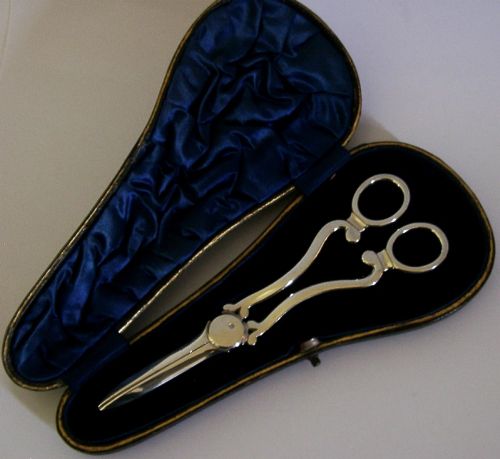
An antique silver serving box houses fitted sets of cutlery and flatware designed for specific dining tasks. These containers range from compact cases for grape shears to larger receptacles for biscuit barrels and fish servers.
The pieces encountered most frequently on this page date from the Victorian and Edwardian eras through to the Art Deco period. They combine sturdy wooden carcases with protective internal linings of velvet, silk, satin or leatherette.
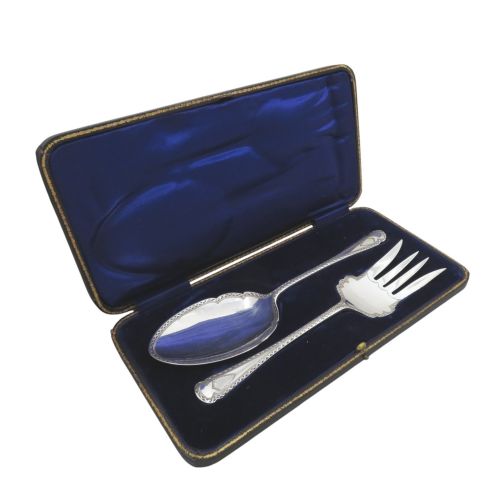
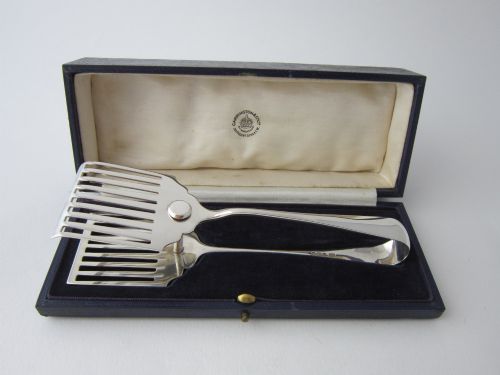
Many examples arrive complete with matching silver or silver plated implements, spanning serving spoons, fruit knives, cake forks and tongs. The inclusion of original fitted boxes preserves the condition of the silver within.
How they were made
Master silversmiths utilised sterling silver and silver plate for the metal implements, shaping blades and handles through casting, hammering and piercing. Handles occasionally incorporate bone, horn or crystal components for grip and visual contrast.
The outer boxes rely on robust wooden frames covered in leatherette or textured materials, whilst the interiors use plush textiles like velvet, silk and satin to cradle each individual piece securely in moulded recesses.
Materials recorded across the inventory include sterling silver, silver plate, cut crystal, bone, horn, velvet, silk, satin and leatherette.
What varies in quality
Quality rests upon the weight and gauge of the silver used for the implements, alongside the precision of the box's internal lining and hinges. Thicker gauge metal resists bending during use and maintains crisp engraving.
The integrity of the original fitted case significantly influences the desirability of the set. Boxes with intact silk linings, functional clasps and undamaged external coverings command greater attention from collectors.
Hukin & Heath·Lee & Wigfull Sheffield·Georg Jensen
The Antique Silver Serving Box Glossary
- Sterling silver
- A silver alloy containing 92.5 percent pure silver and 7.5 percent other metals, usually copper, chosen for durability.
- Silver plate
- A base metal substrate coated with a thin layer of pure silver through electroplating or older immersion methods.
- Assay mark
- A stamped symbol indicating the purity of the metal, the place of testing and the year of manufacture.
- Fitted case
- A bespoke box lined with velvet, satin or silk featuring moulded compartments designed to hold specific cutlery items.
- Gilt bowl
- The interior section of a spoon coated with a thin layer of gold, often applied to protect the silver from acidic foods.
Antique Silver Serving Box: Frequently Asked Questions
What is an antique silver serving box?
An antique silver serving box is a specialised fitted container designed to hold and protect formal dining utensils like fish servers, fruit sets or sandwich tongs.
These boxes ensure that delicate serving pieces remain organised and safe from tarnish or impact when not in use on the dining table.
How were these serving boxes used?
Victorian and Edwardian households used these boxes to store specific cutlery sets reserved for entertaining guests during dessert, tea or formal dinners.
The host would bring the box to the table or sideboard, opening the fitted interior to present the serving spoons, grape shears or cake forks.
How do I date a silver serving set?
Dating relies heavily on the hallmarks stamped onto the silver implements, which indicate the assay office, standard of metal and year of production.
Stylistic cues such as Art Nouveau curves, Edwardian proportions or Victorian ornamentation also help narrow down the decade of manufacture.
How do I care for silver and fitted boxes?
Silver requires periodic gentle cleaning with appropriate polishes to remove tarnish without wearing down delicate engravings or hallmarks.
The exterior and interior linings of the storage box benefit from dry dusting and protection from direct sunlight and damp environments to preserve the textiles.