




Victorian Epns Tableware
Victorian epns tableware brings nineteenth-century dining room elegance to the modern table through silver-plated service items built for daily household use.
Victorian Epns Tableware
Victorian epns tableware comprises specialised dining items produced during the nineteenth and early twentieth centuries using electroplated nickel silver. Buyers seeking these items encounter a diverse selection of serveware designed for specific functions at the dining table.
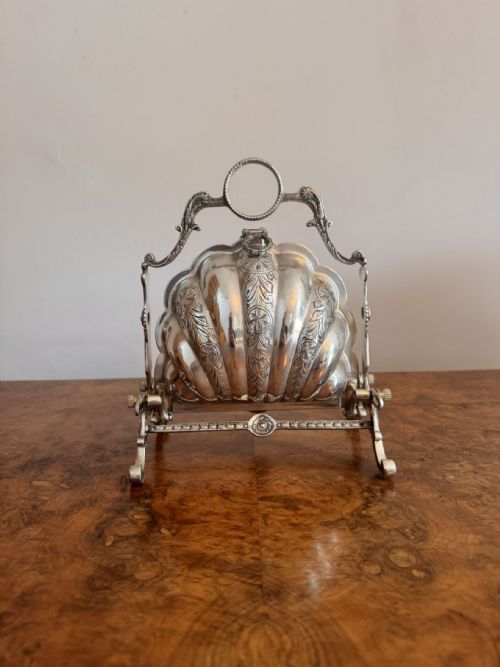
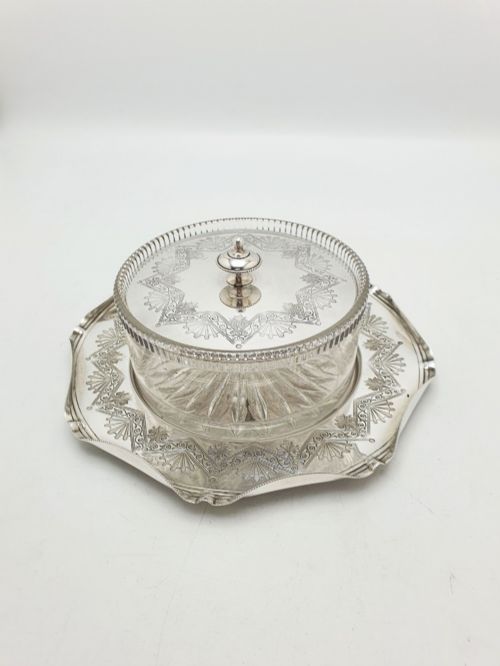
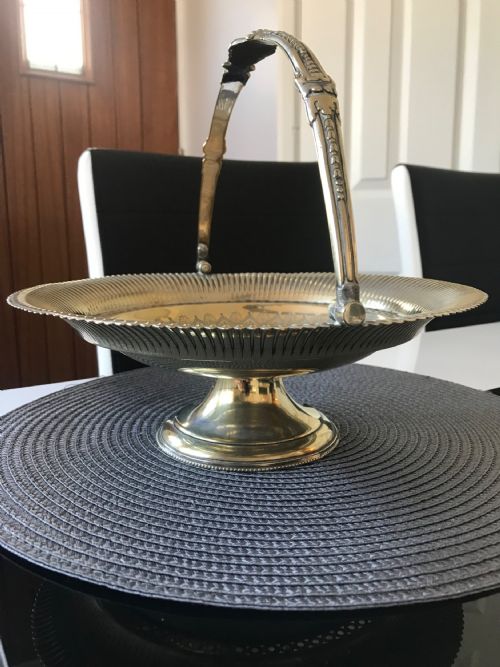
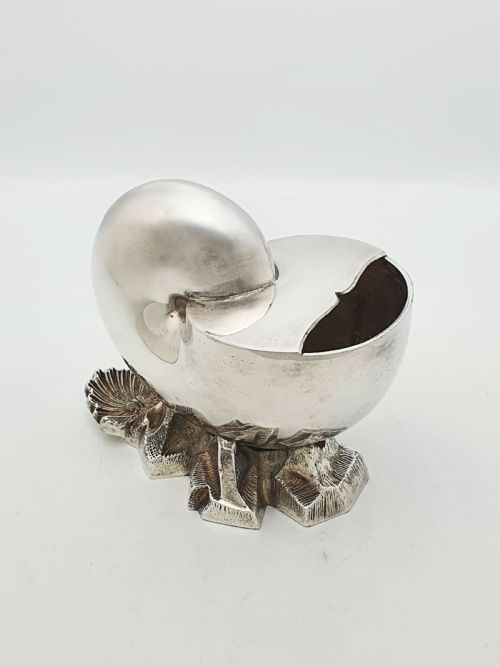
The assortment includes biscuit barrels, toast racks, fruit baskets, and butter dishes alongside more unusual pieces such as nautilus shell spoon warmers. These items reflect the elaborate hospitality rituals of the period.
Most examples date from the later nineteenth century, encompassing styles from plain utility pieces to ornate Victorian naturalism and neoclassical decorative schemes. Cruet sets and egg cruets also feature prominently among the surviving table items.
Materials and construction
Manufacturers produced these pieces by applying a thin layer of silver over a base metal alloy using electroplating techniques developed during the nineteenth century. This process provided the visual appeal of solid silver at a lower production cost.
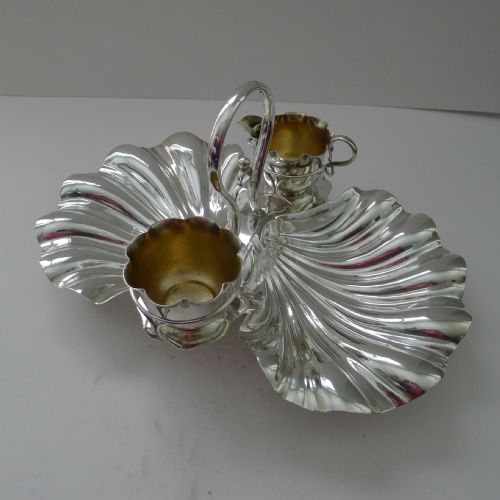
Makers combined electroplated nickel silver with contrasting materials such as cut glass liners, ceramic jasperware bodies, and oak bases. Interior surfaces sometimes received a gold wash finish to protect the metal from acidic foods.
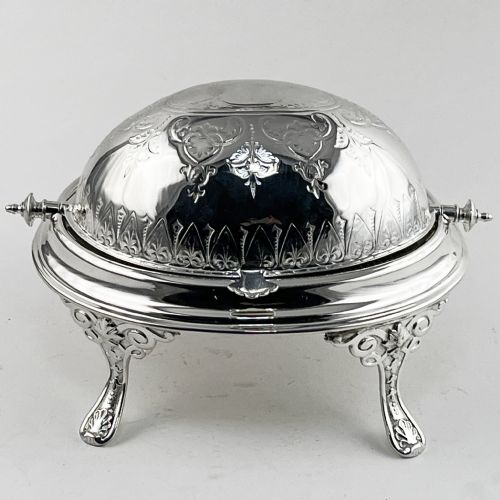
Decorative elements utilised stamping, casting, and hand-chasing methods to achieve styles ranging from classical motifs to novelty animal and shell forms.
Current listings feature items from the 1860s through the Edwardian period, utilising silver plate, cut glass, oak, and jasperware.
Judging the work
Quality in these plated items depends upon the thickness of the original silver deposition and the preservation of the underlying metal base. Heavier gauge metal and crispness in cast decorative details distinguish superior pieces from standard utilitarian wares.
The integrity of associated components, such as intact cut glass liners or original ceramic bodies, influences the overall standard of a piece. Maker signatures from established firms often indicate higher grade manufacturing and more refined finishing.
Daniel Arter·Robert and Belk·William Hutton
The Victorian Epns Tableware Glossary
- EPNS
- Electroplated Nickel Silver, denoting a base metal of copper, nickel, and zinc coated with a layer of pure silver through an electrolytic process. This method became the standard for durable Victorian tableware.
- Spoon Warmer
- A specialised hollowware vessel filled with hot water to keep serving spoons warm during the course of a meal. These often took whimsical forms such as nautilus shells, shoes, and sauce boats.
- Biscuit Barrel
- A covered container designed to hold dry biscuits or crackers for parlor or dining room service. They frequently incorporate ceramic bodies or glass linings with hinged metal lids.
- Cruet Set
- A matched collection of bottles, frames, or cups designed to hold condiments, eggs, or seasonings at the table. Carriage frames and revolving stands were common Victorian configurations.
- Toast Rack
- A metal frame featuring vertical dividers designed to hold slices of toast upright to prevent condensation. They typically include a central loop handle for transport.
Victorian Epns Tableware: Frequently Asked Questions
What is epns tableware?
Epns tableware consists of dining accessories manufactured from a base metal alloy coated with silver using an electrolytic process. This technique flourished during the Victorian era to create accessible luxury dining items.
Items range from everyday toast racks to decorative fruit baskets and novelty spoon warmers.
How were spoon warmers used?
Victorian diners filled hollow spoon warmers with hot water through a small aperture to keep serving spoons warm between courses. This prevented chilled spoons from cooling rich gravies and sauces.
They sat on the sideboard or dining table in fanciful shapes like shells or shoes.
What are biscuit barrels used for?
Biscuit barrels served as decorative containers for biscuits and dry baked goods during afternoon tea and formal dining. The lidded vessels kept baked goods crisp in the parlor or dining room.
Many examples feature ceramic bodies or glass liners housed in plated metal frames.
How do I date these pieces?
Dating relies on stylistic clues, manufacturing marks, and material combinations spanning the nineteenth and early twentieth centuries. Victorian items often display registration marks or specific maker stamps corresponding to active working periods.
Neoclassical and naturalistic design motifs also help narrow down the decade of production.