


Antique Silver Biscuit Box
An antique silver biscuit box is a refined Victorian or Edwardian table vessel designed to keep dry biscuits crisp and serve them with style.
Understanding the antique silver biscuit box
When you search for an antique silver biscuit box, you encounter a specialised serving vessel developed during the nineteenth century for the formal dining table. These pieces span the Victorian and Edwardian periods, stretching from the mid-nineteenth century into the 1930s.
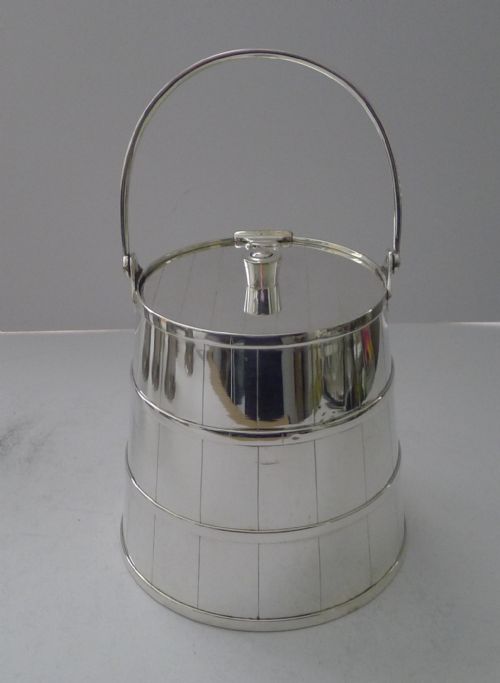
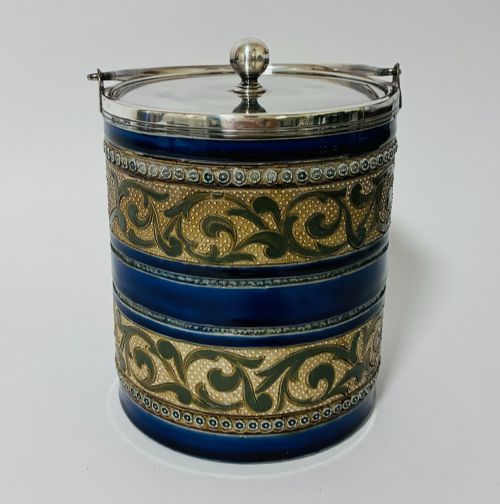
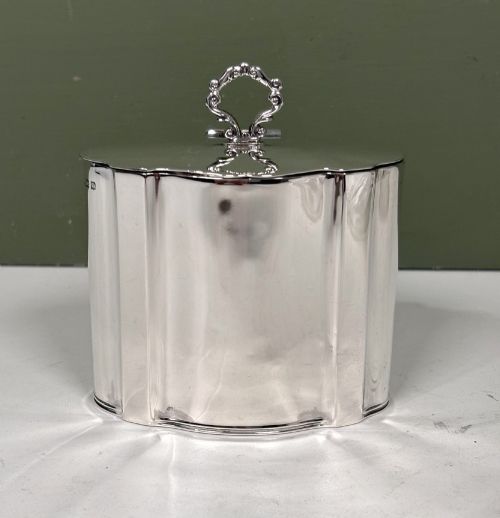
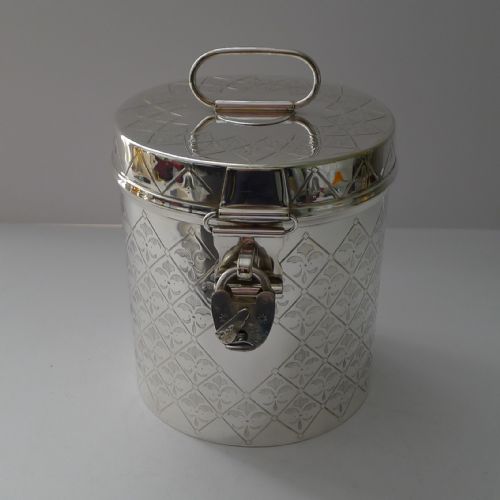
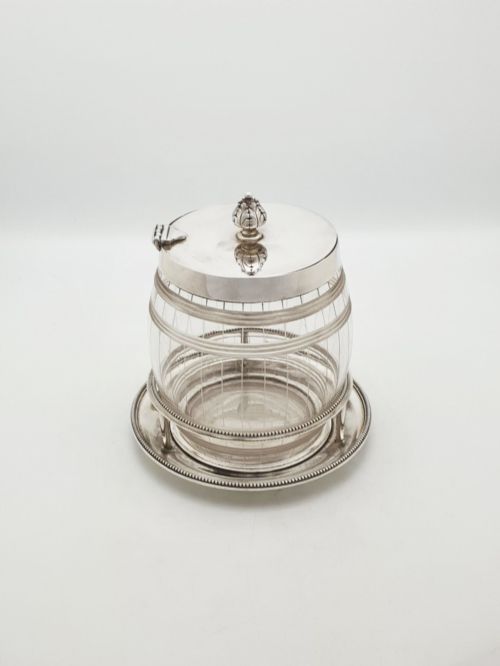
The most common version met on this page is the silver plated biscuit barrel, frequently cylindrical, oval, or drum-shaped. Alternatively, triple shell designs and folding warmer variants appear regularly across the inventory.
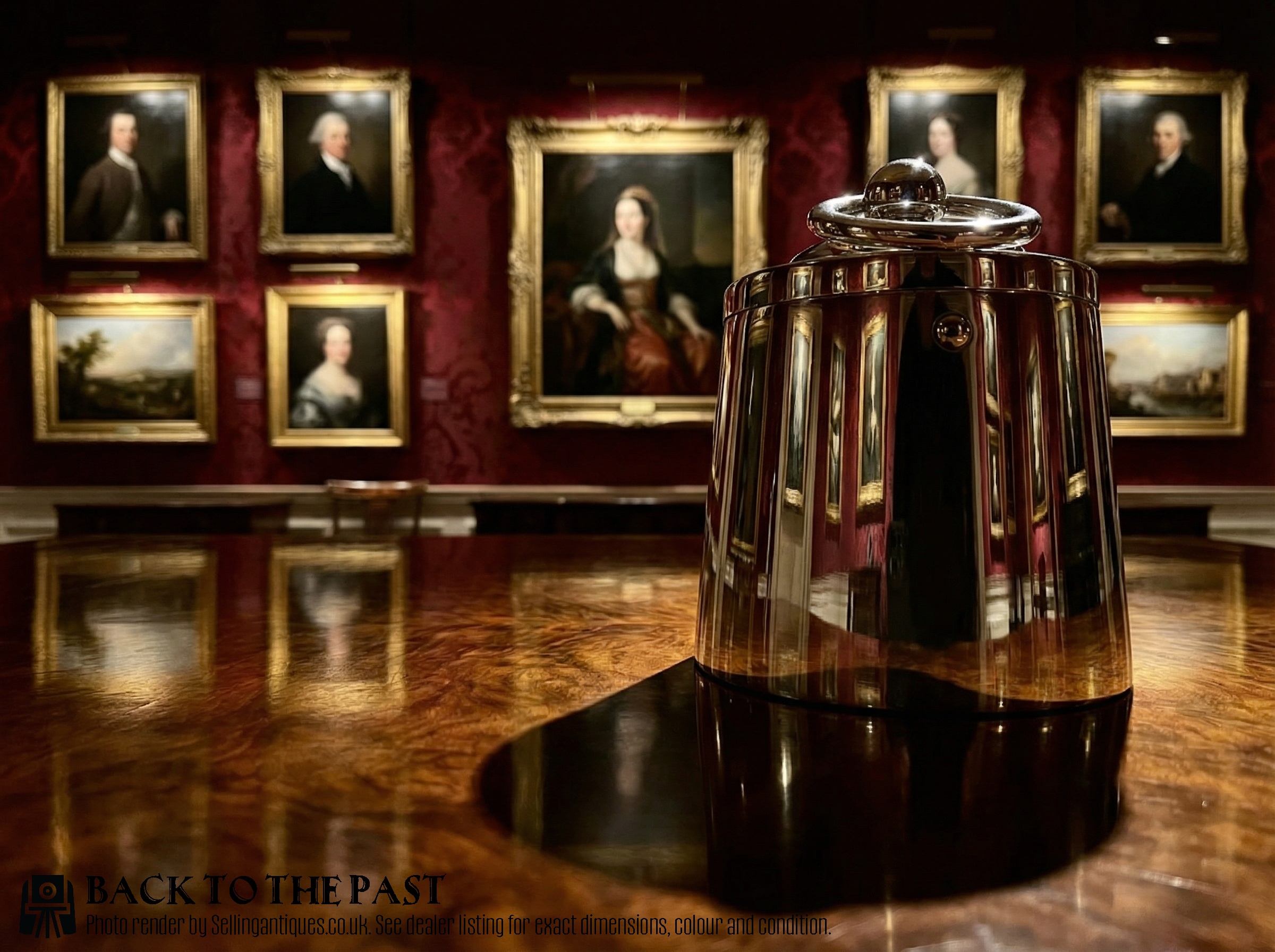
Makers utilised various forms, including novelty shapes like a weight or naturalistic shells that open to reveal compartments. Sterling silver examples also occur alongside the more numerous silver plate and EPNS pieces.
Materials and construction
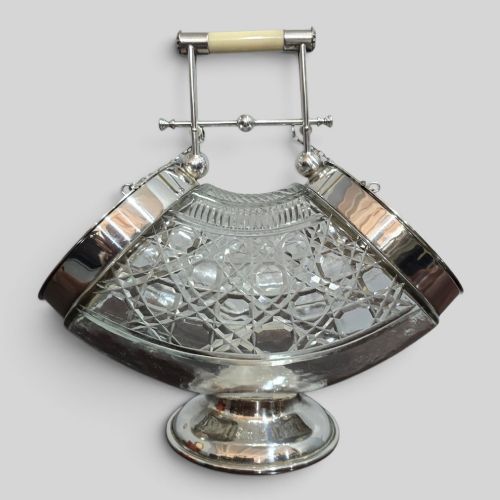
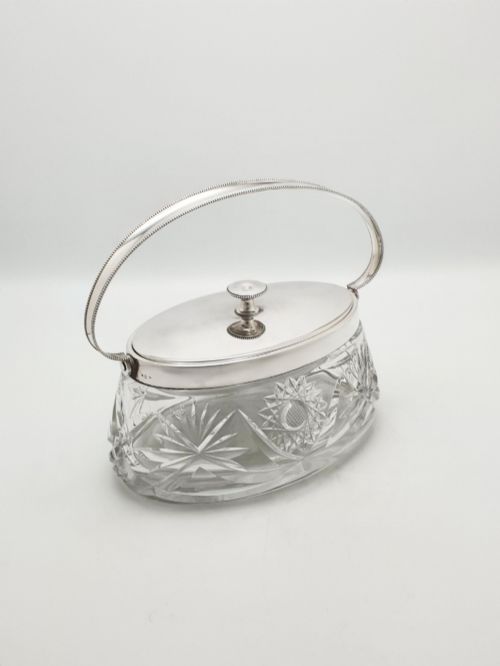
Silversmiths constructed these vessels using silver plate, EPNS, and occasionally solid sterling silver. Many examples combine metalwork with cut glass bodies, hand-carved oak, or Parian ceramic inserts.
Complex mechanisms allowed folding actions, push-button warmers, and double opening lids. Artisans applied embossed decoration, floral chasing, and fitted interior liners to complete each piece.
Retail Price Guide 2026
Typical UK retail prices for silver biscuit box, calculated from the Sellingantiques database of over a million retail prices indexed since 2003. This retail price guide relies exclusively on Sellingantiques data; no external sources or auction records are used, so the figures do not describe the wider market.
Listings feature items spanning the Victorian, Edwardian, and George V periods, utilising silver plate, sterling silver, cut glass, and oak.
Distinctions in quality
Quality rests upon the crispness of the chasing, the structural integrity of the folding mechanisms, and the purity of the materials. Thickly applied silver plate endures better than thin plating over base metal.
The integration of heavy cut glass, original ceramic liners, and robust oak mounts elevates an item. Maker marks from established silversmiths also indicate superior workshop standards.
Walker & Hall·Mappin & Webb·Cooper Bros·Fenton Bros·Henry Wilkinson & Co·Horace Woodward & Co·George Sissons·The Alexander Clark
The Antique Silver Biscuit Box Glossary
- EPNS
- Electroplated Nickel Silver. A base metal alloy coated with a layer of pure silver through electrolysis, commonly found on nineteenth-century domestic wares.
- Biscuit barrel
- A cylindrical or drum-shaped container designed specifically for storing dry biscuits on the dining table.
- Parian
- A fine unglazed white porcelain resembling marble. Makers occasionally utilised this material for the central body of a biscuit box.
- Silver plate
- A layer of silver bonded to a base metal such as copper or brass. This technique allowed households to own durable silver-appearance items.
Frequently Asked Questions
What is an antique silver biscuit box used for?
These vessels held dry biscuits and sweets on Victorian and Edwardian dining tables, protecting them from moisture.
The lidded design kept baked goods fresh during afternoon tea or after-dinner dessert courses.
How do I date an antique silver biscuit box?
Dating relies on stylistic markers such as Neo-classical motifs, Victorian embossing, or Edwardian simplicity, alongside hallmarks where present.
Silver plate items often feature registration marks or maker stamps that narrow down the decade of production.
Are these boxes made of solid silver?
Most examples comprise silver plate or EPNS over a base metal, though sterling silver pieces do exist from the early twentieth century.
Makers frequently combined the metal framework with cut glass barrels, oak bodies, or ceramic liners.