
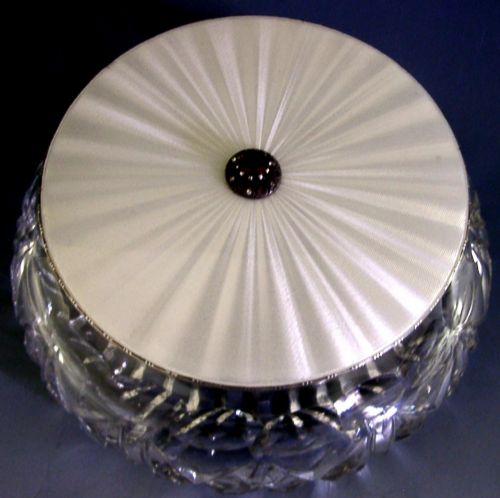


Antique Silver Powder Jar
These antique silver powder jars sit on dressing tables to hold cosmetics, offering collectors a touch of functional Edwardian and Art Deco elegance.
What they are
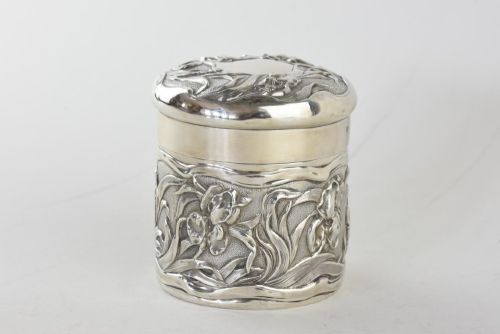
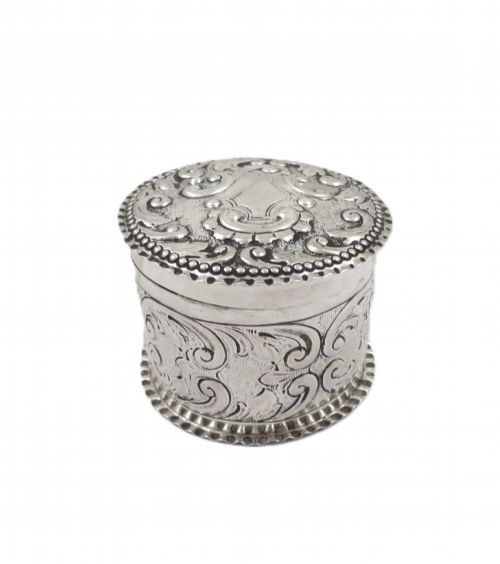
When you search for an antique silver powder jar, you encounter dressing table accessories designed to hold powders, creams, and cosmetics. These pieces take the form of vanity jars, trinket boxes, and dressing table boxes intended for daily use on a bedroom surface.
The versions most commonly met on this page span the Victorian, Edwardian, George V, and Art Deco periods. They combine precious metal mounts with glass or organic elements to create portable containers for personal grooming.
Makers fashioned these vessels in various shapes, including heart-shaped boxes and circular pots. Each object reflects the changing vanity habits of the nineteenth and early twentieth centuries.
How they were made
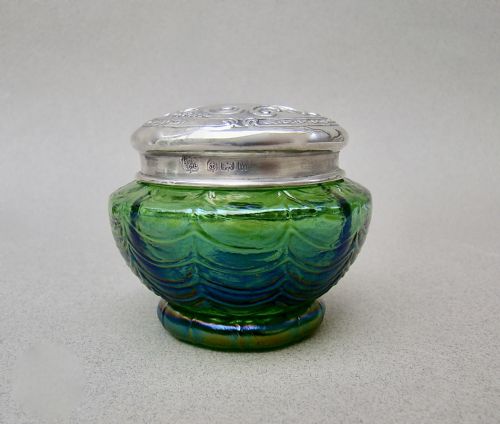
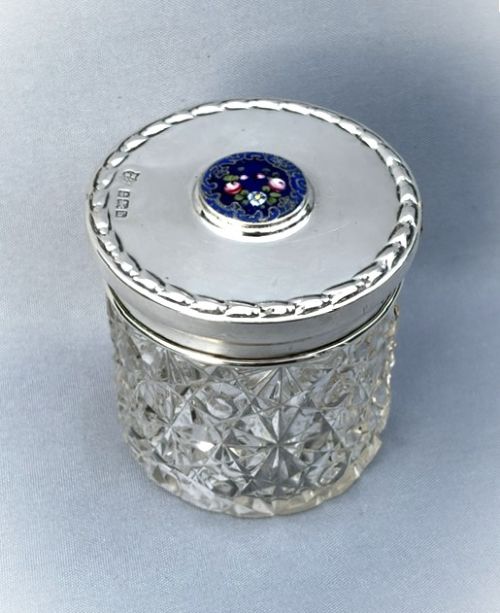
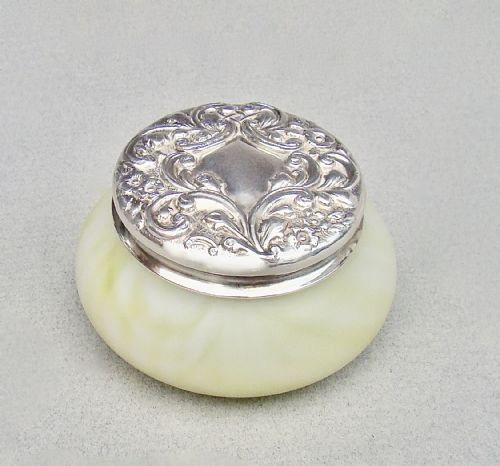
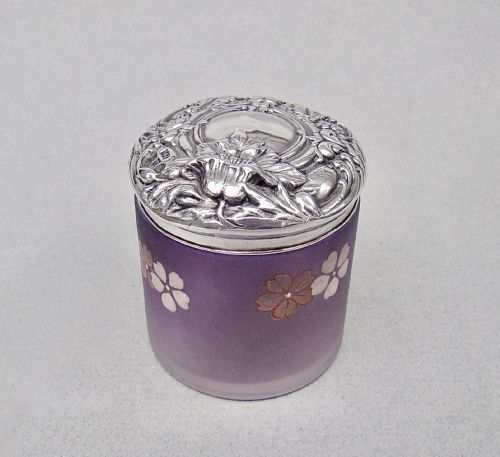
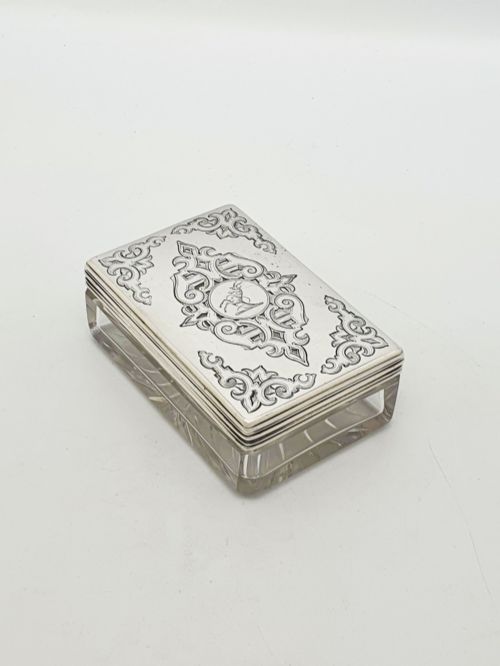
Craftsmen paired sterling silver mounts with bodies formed from cut crystal, cut glass, plain glass, and amethyst glass. These transparent or coloured glass bases were often moulded or wheel-cut to catch the light on a dressing table.
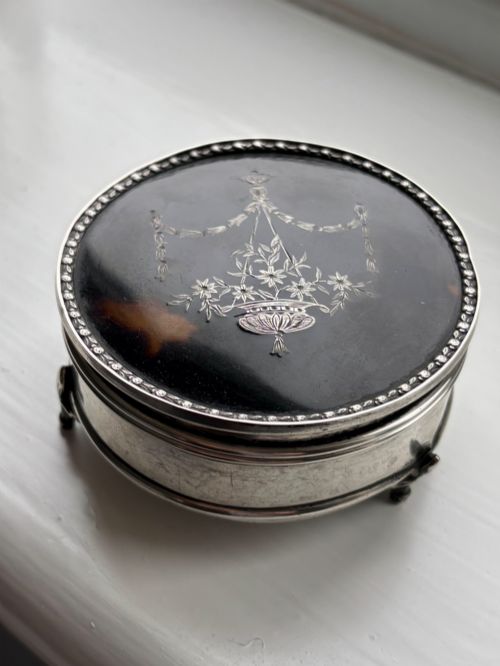
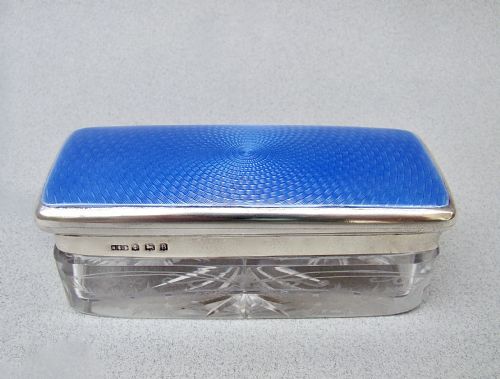
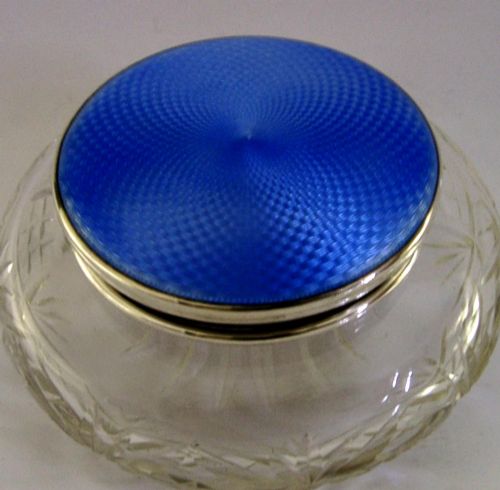
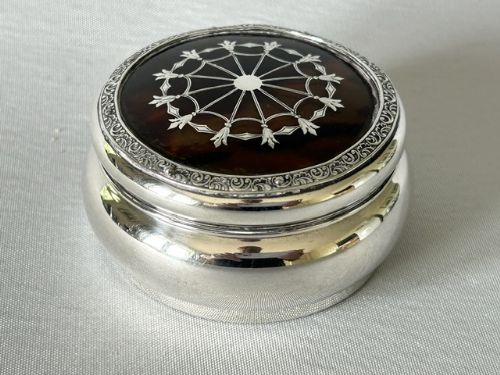
Manufacturers integrated organic and decorative materials such as faux tortoiseshell and enamel into the lids and mounts. Silversmiths then hallmarked the metal components in cities such as Birmingham, recording the year and origin of manufacture.
Retail Price Guide 2026
Typical UK retail prices for silver powder jar, calculated from the Sellingantiques database of over a million retail prices indexed since 2003. This retail price guide relies exclusively on Sellingantiques data; no external sources or auction records are used, so the figures do not describe the wider market.
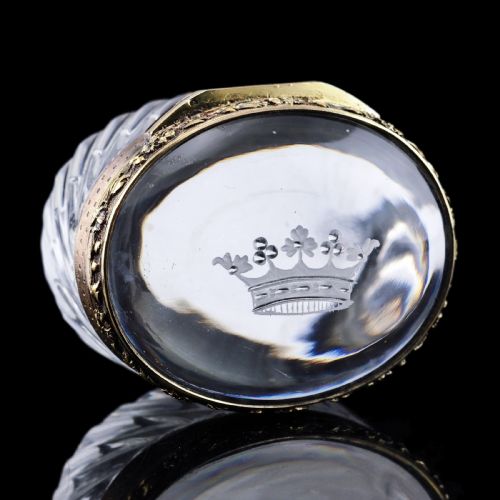
Heart-shaped crystal boxes allowed Edwardian owners to powder their noses with romance.
What varies in quality
Quality rests in the weight of the sterling silver mounts and the depth of the cutting in the crystal or glass body. Heavier metal work and crisper facets on the glass indicate higher standards of production by silversmiths and glass cutters.
The integration of decorative elements like coloured enamel or faux tortoiseshell separates standard production from finer luxury pieces. Finer examples retain intact surfaces and crisp hallmarks from named makers and retailers.
Ollivant & Botsford
The Antique Silver Powder Jar Glossary
- Sterling silver
- A standard alloy of silver consisting of ninety-two point five percent silver and seven point five percent other metals, usually copper. This material provides the durable mounts and lids for dressing table jars.
- Cut crystal
- High-clarity glass containing lead oxide, cut with facets that refract light. It forms the heavy, brilliant base of many vanity jars.
- Faux tortoiseshell
- A synthetic material created to imitate the mottled brown pattern of natural turtle shell. It was utilised on lids to provide a rich, dark contrast against bright sterling silver.
- Hallmark
- A series of official marks stamped on precious metal items in the United Kingdom. It certifies the standard of silver purity, the assay office, and the date of manufacture.
Frequently Asked Questions
What is an antique silver powder jar?
An antique silver powder jar is a dressing table container featuring a sterling silver lid or mount combined with a glass, crystal, or decorated body. These vessels were designed to hold loose powder, rouge, or cosmetics on nineteenth and twentieth-century vanity tables.
Today, collectors prize these items for their decorative glass bodies and the quality of their silver mounts. They survive as functional remnants of historic dressing table sets.
How do I date a silver powder jar?
Dating relies primarily on the hallmarks stamped into the sterling silver mounts by assay offices such as the one in Birmingham. These official marks often include a date letter indicating the exact year the piece was assayed.
Stylistic indicators, such as geometric Art Deco lines or floral Edwardian motifs, provide additional clues. Comparing the overall design and materials helps confirm the production era.
How were these jars used historically?
Historically, women used these jars to hold face powders, rouges, and small vanity items during daily grooming routines. They sat on dressing tables alongside hairbrushes and perfume bottles as part of a matched or collected set.
The secure silver lids kept cosmetics fresh and contained while adding a decorative element to the bedroom. Their small size made them convenient for personal use or travel.
How do I clean antique silver and glass?
Cleaning requires gentle care to preserve the original silver polish and protect fragile materials like enamel or faux tortoiseshell. Use a soft cloth specifically designed for silver to maintain the shine on the metal mounts without applying abrasive compounds.
Keep moisture away from glued joints or vulnerable inserts like tortoiseshell panels. Glass bases can be washed carefully in warm, soapy water and dried thoroughly.