





Antique Silver Plate Urn
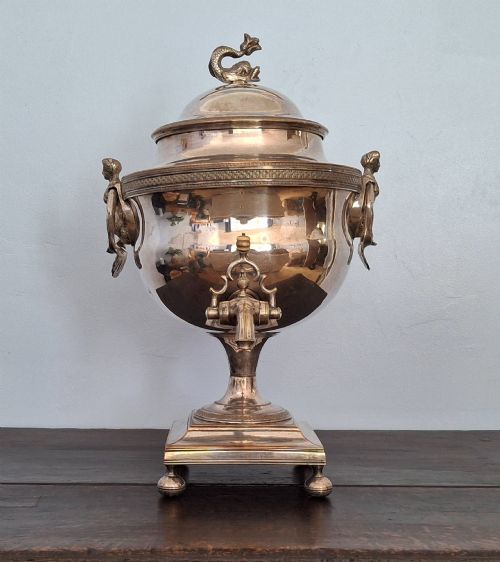
An antique silver plate urn brings classical weight and presence to a room, functioning as a wine cooler, samovar, or spirit kettle.
Antique Silver Plate Urn
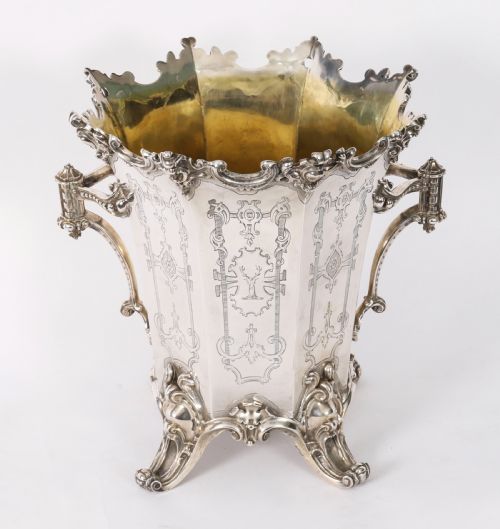
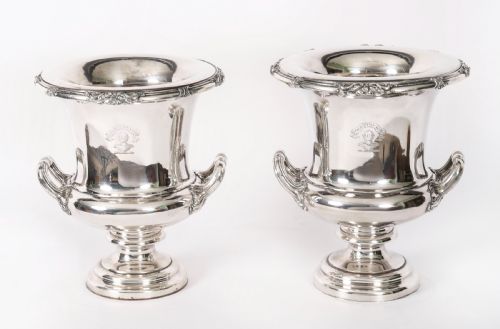
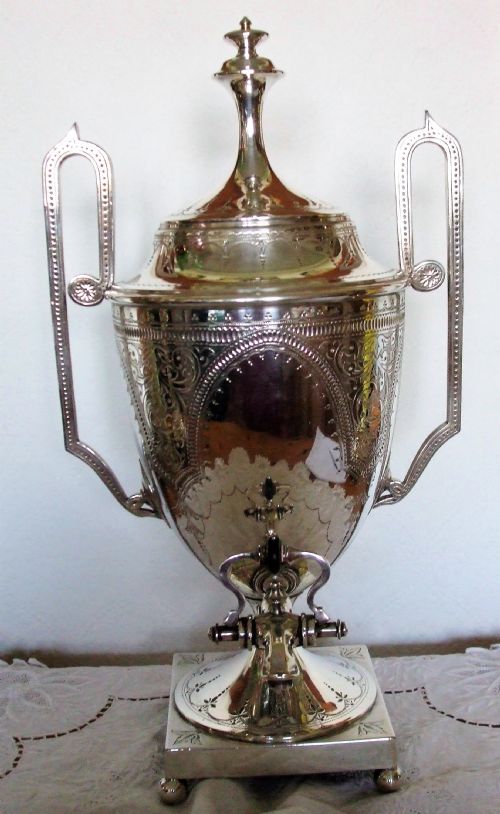
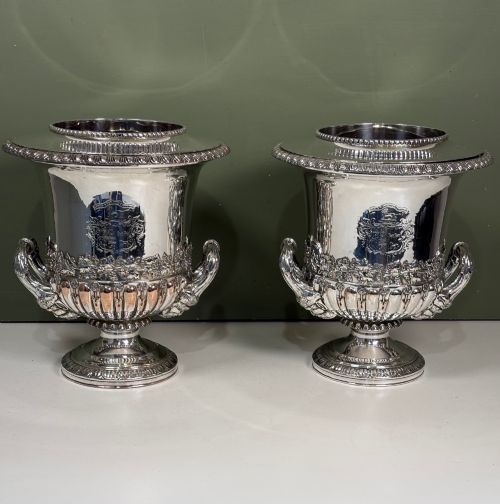
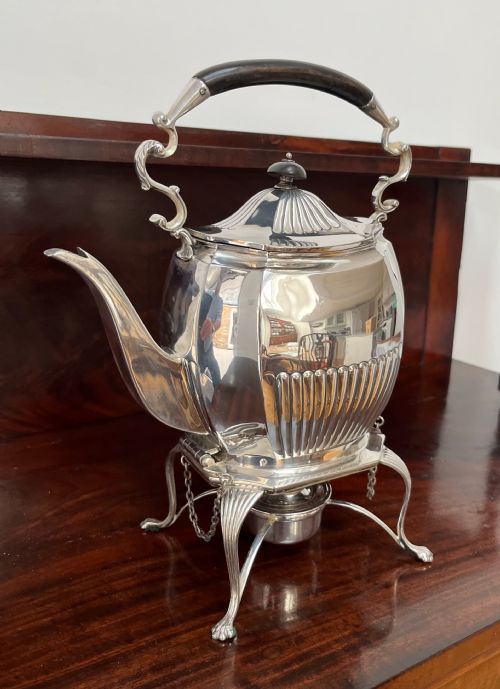
When you search for an antique silver plate urn, you encounter vessels designed for wine cooling, tea service, and heated water. The selection spans grand Georgian and Regency wine coolers, towering Victorian samovars, and Edwardian spirit kettles on stands.
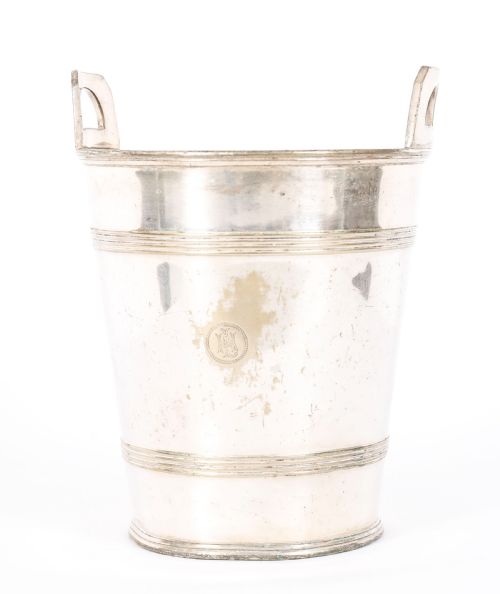
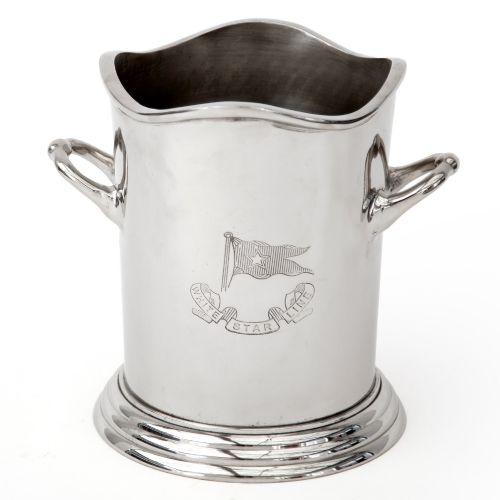
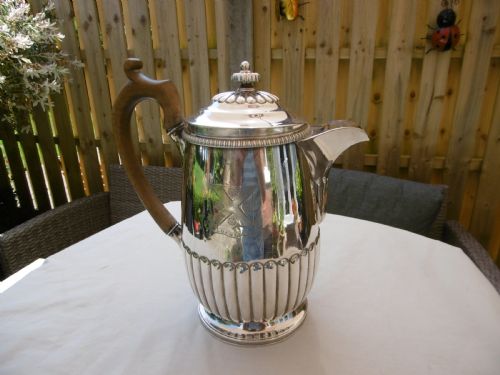
Vessels take distinct shapes according to their original purpose. Samovars and coffee pots present upright, pedestal-mounted bodies with spigots, whilst wine coolers and champagne buckets adopt deep, twin-handled campana or bucket forms.
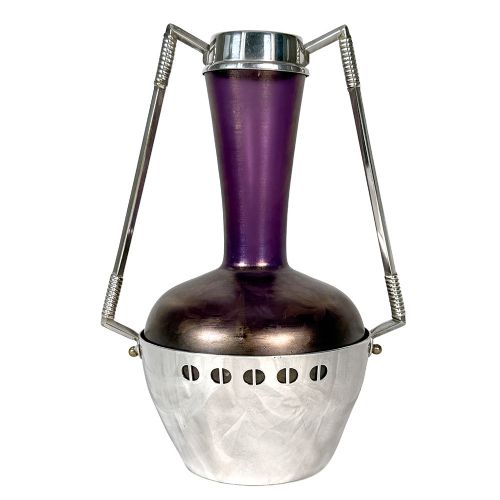
Origins stretch from English workshops in Sheffield and Birmingham to continental makers in Paris. Pieces appear in distinct historical styles including Georgian, Regency, Victorian Rococo Revival, and Art Deco.
Judging the work
Quality rests on the crispness of chased and cast ornamentation. Pieces displaying deep, hand-hammered or embossed botanical and heraldic motifs retain sharper definition than later, mass-produced stampings.
The survival of the original silver plating dictates much of the visual weight. Superior examples maintain an even spread of silver across the copper base without excessive base metal bleed through heavy polishing.
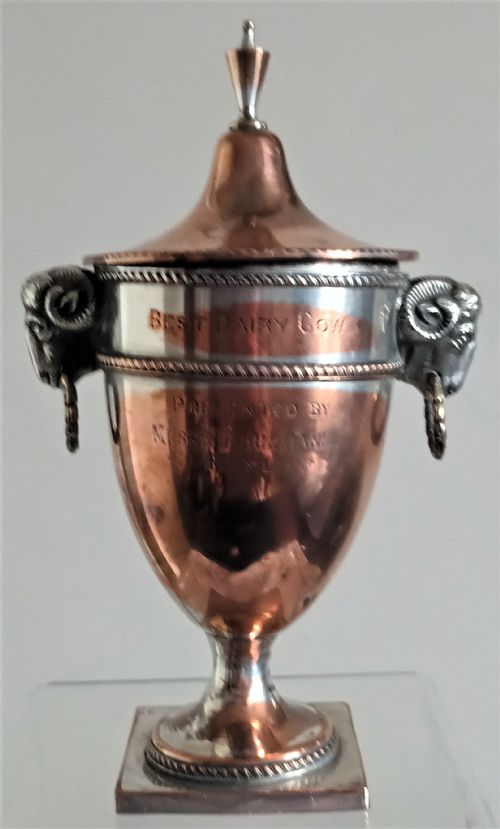
A miniature chestnut urn proves that Georgian diners took their roasted nuts seriously enough to demand dedicated silver-plated architecture.
Hutton Sheffield·Elkington Mason And Co·Walker And Hall·Matthew Boulton·John Hoyland·Harrison Brothers And Howson·Risler And Carré Paris·Fenton Brothers
The Antique Silver Plate Urn Glossary
- Old Sheffield Plate
- A fused laminate of silver and copper produced before the invention of electroplating. The technique involves heating silver and copper sheets until they bond together.
- Samovar
- A large heated urn traditionally utilised for boiling water for tea. These vessels usually stand on a pedestal base and incorporate an internal heating tube or tap.
- Campana
- A bell-shaped vessel profile typical of classical wine coolers and ice buckets. This form widens gracefully toward the rim and rests on a circular foot.
- Spirit Kettle
- A small kettle mounted upon a metal stand above a burner. The burner holds liquid fuel to keep water hot during table service.
Antique Silver Plate Urn: Frequently Asked Questions
How do I clean my silver plate urn?
Use a soft cloth and a gentle silver cleaner formulated for plated items. Avoid harsh abrasives that wear away the thin silver layer over the copper base.
Take care around engraved crests and soldered joints. Rinse with warm water and dry thoroughly to maintain the finish.
What is the difference between Old Sheffield Plate and electroplate?
Old Sheffield Plate involves physically fusing a sheet of silver to a copper block through heat and pressure before rolling them into sheets. This method leaves characteristic copper edges visible at seams.
Electroplating applies a silver coating to a base metal via an electrical current. This chemical process arrived later in the nineteenth century and covers objects uniformly.
Were these urns used for dining?
Wine coolers and champagne buckets served chilled drinks at formal dining tables during the Georgian and Victorian periods. Their deep basins held ice and water alongside bottles.
Tea urns and samovars stood on sideboards or tea tables to supply hot water for guests. Spirit kettles kept water warm directly over a small flame.
How can I date my urn?
Examine the manufacturing technique, style, and any stamped maker marks on the base. Old Sheffield Plate pieces without electroplate registry numbers typically point to the eighteenth or early nineteenth century.
Stylistic cues such as Regency campana shapes or Art Deco geometric lines provide further chronological markers. Maker archives help narrow down production decades.