

Antique Silver Plate Platter
An antique silver plate platter brings utility and formal shine to the table, spanning Victorian opulence to Art Deco geometry.
Antique Silver Plate Platter
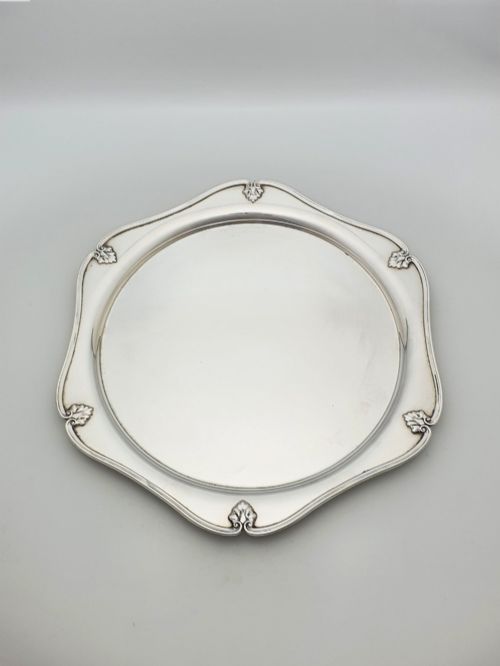
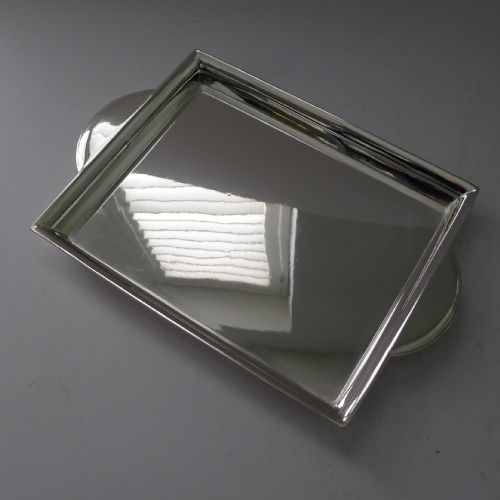
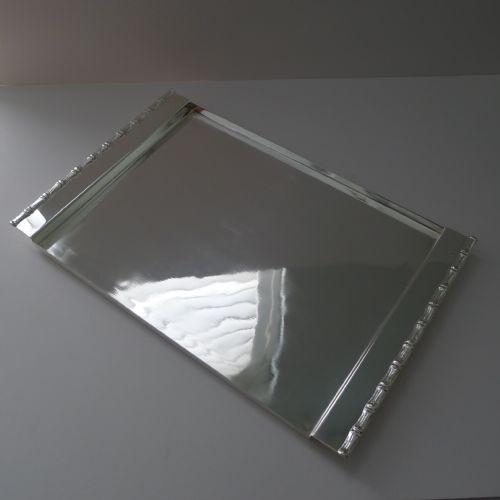
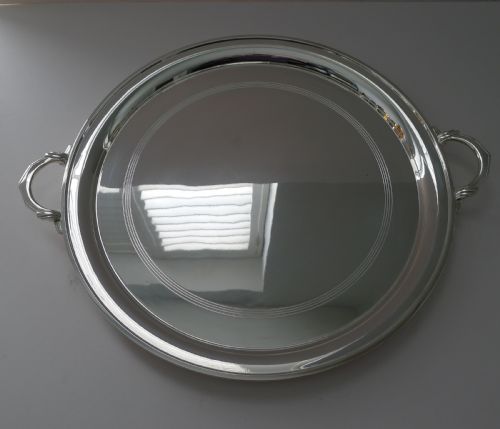
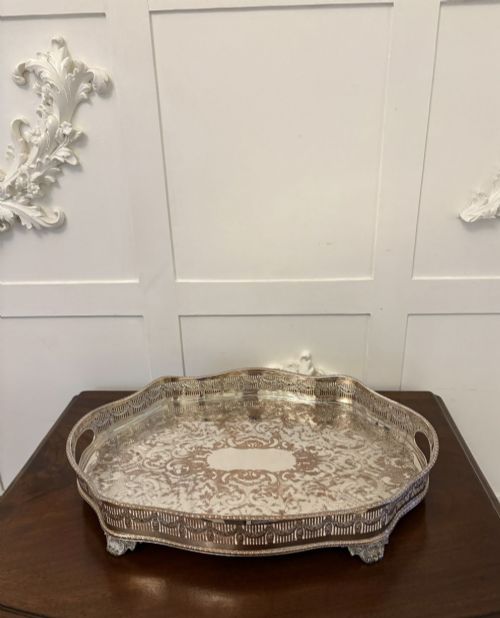
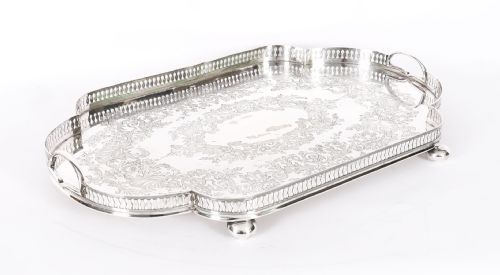
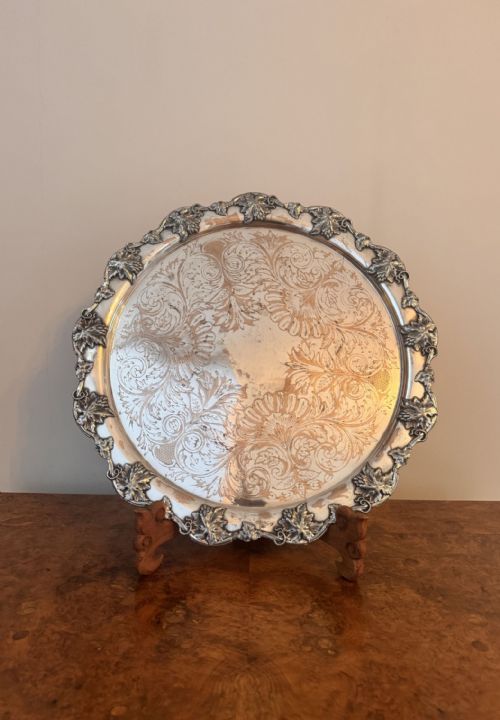
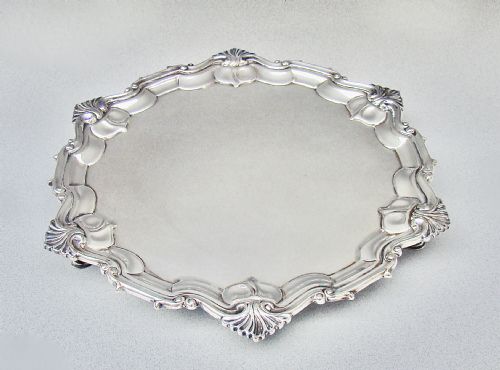
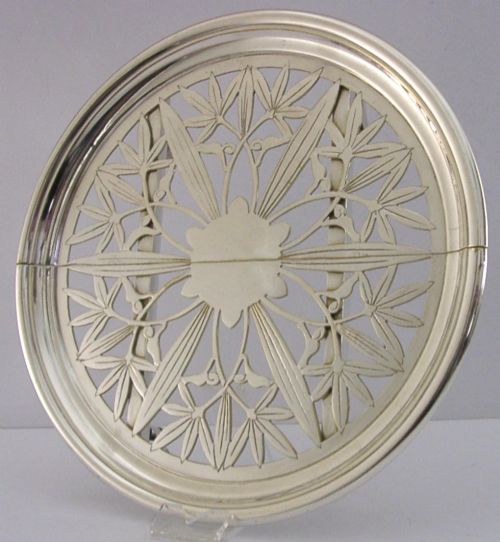
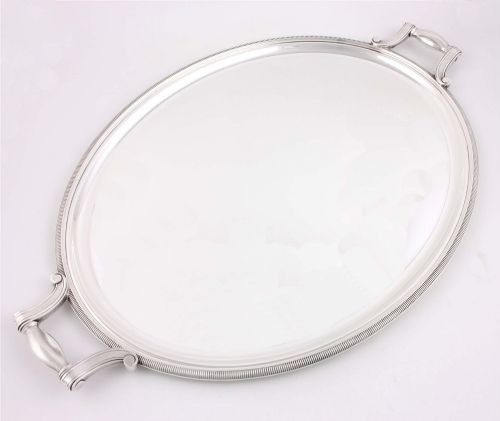
An antique silver plate platter encompasses serving trays, salvers, meat domes, and decorative chargers designed for formal dining and display. These pieces function as functional serving ware or centrepieces, appearing in shapes from circular and oval to octagonal and diamond.
The pieces on this page are most frequently Victorian and Edwardian examples alongside Art Deco cocktail trays and Continental or Middle Eastern brass and copper chargers. Makers utilised silver plate, electroplated nickel silver, copper, and base metal to achieve a polished metallic finish.
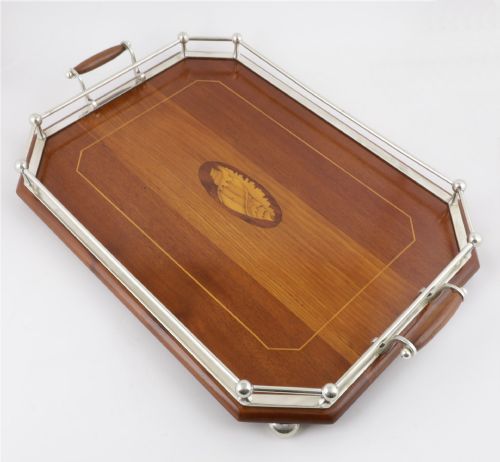
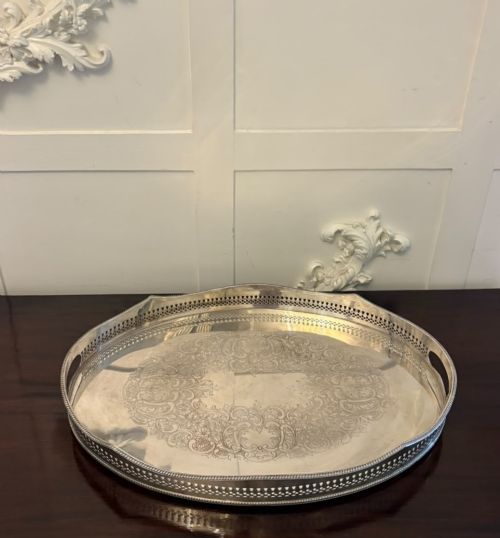
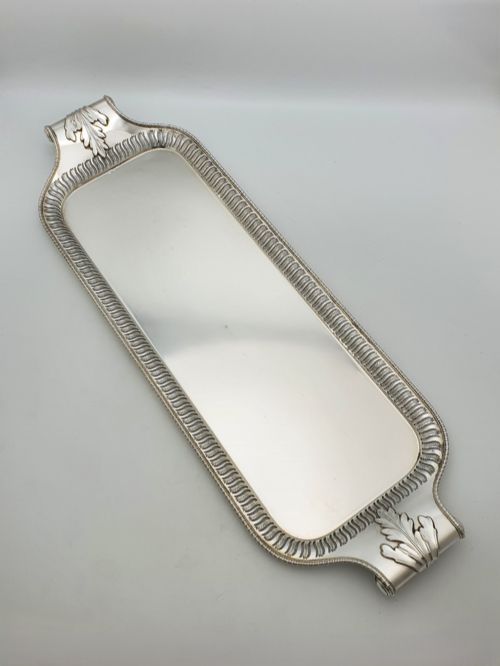
Originating largely from British workshops alongside French and Middle Eastern centres, these items reflect changing dining rituals from large meat roasts to afternoon tea and cocktail parties. Buyers encounter everything from pierced gallery trays with wooden bases to engraved tea serving trays.
Materials and methods of production
Old Sheffield plate relied on fusing a thin sheet of silver to a thicker copper ingot through heat and pressure, leaving a characteristic edge where the base metal shows. Electroplated nickel silver, introduced in the nineteenth century, involved depositing a layer of pure silver onto a nickel silver or base metal core via an electrical current.
Surface decoration combined mechanical rolling with hand engraving, repoussé work, and pierced borders. Artisans hammered copper and bronze for Middle Eastern chargers, adding silver inlay or patinated finishes, while British silversmiths soldered handles and cast decorative rims onto heavy metal foundations.
Listings feature periods spanning the Victorian and Edwardian eras alongside Art Deco designs from the 1920s and 1930s.
Distinctions in construction and finish
The weight of the base metal and the thickness of the silver deposition determine the durability and longevity of a tray. Substantial copper or nickel silver foundations resist bending, whereas thinner base metals distort under heavy use.
Detailing separates mass-produced items from workshop pieces, visible in the crispness of chased floral motifs, the precision of pierced galleries, and the integration of handles. Makers who employed hand engraving and solid cast mounts produced items that retain their visual depth despite decades of polishing.
Christofle·Mappin & Webb·James Deakin·William Hutton & Sons·Roberts Cadman·Thomas Bradbury & Sons·John Harrison·Henry Wilkinson·Matthew Boulton·Walker & Hall
The Antique Silver Plate Platter Glossary
- Old Sheffield Plate
- An early form of silver plating created by fusing sheet silver to a copper base before rolling them together into sheets. This method creates a distinct appearance where the underlying copper often shows through wear at the edges.
- EPNS
- Electroplated Nickel Silver, a durable alloy core of copper, nickel, and zinc coated with a layer of pure silver using electricity. It became the standard method for manufacturing silver plated items from the mid-nineteenth century onward.
- Salver
- A flat tray, typically circular and raised on feet, used historically for serving glasses or documents. In silver plate, these range from small decorative plates to heavy serving platters.
- Gallery Tray
- A tray featuring an upright pierced or solid metal gallery border around the edge, often fitted with a mahogany or oak wooden base. These were designed to keep decanters and glasses secure during service.
- Repoussé
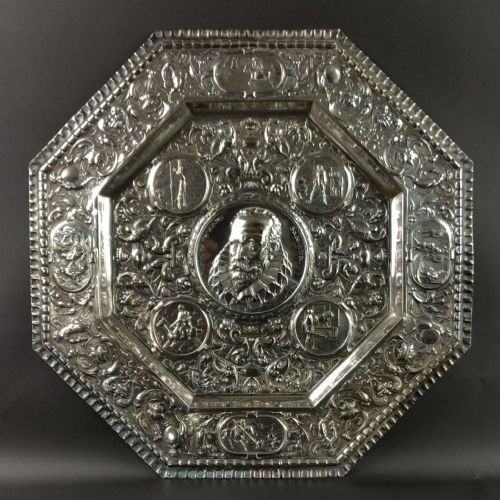
- A metalworking technique where the artisan hammers the metal from the reverse side to form a raised design in relief. This method creates textured floral, figural, or geometric patterns on chargers and trays.
Antique Silver Plate Platter: Frequently Asked Questions
How do I clean antique silver plate?
Use a dedicated silver polish applied with a soft cloth, moving in gentle straight lines rather than circles. Avoid abrasive pads or harsh chemical dips that strip the remaining silver layer from the base metal.
Rinse the piece thoroughly in warm water and dry it immediately with a soft cotton cloth to prevent water spots and tarnishing.
Can I use these platters for food?
Most antique silver plate platters and entree dishes are suitable for serving dry or cold foods. Ensure the plating is intact, as worn areas exposing base copper or brass should not come into direct contact with acidic foods.
Wash them by hand using mild dish soap and warm water rather than placing them in an automatic dishwasher, which can damage the finish and soldered joints.
How do I tell Old Sheffield Plate apart?
Look closely at the rims and edges of the tray for a thin hairline streak of reddish copper showing through the silver surface. This indicates the fused sheet method used before electroplating became common in the nineteenth century.
Old Sheffield pieces also tend to feel heavier for their size and exhibit a warmer, softer glow compared to the bright finish of later electroplated items.
What is a meat dome used for?
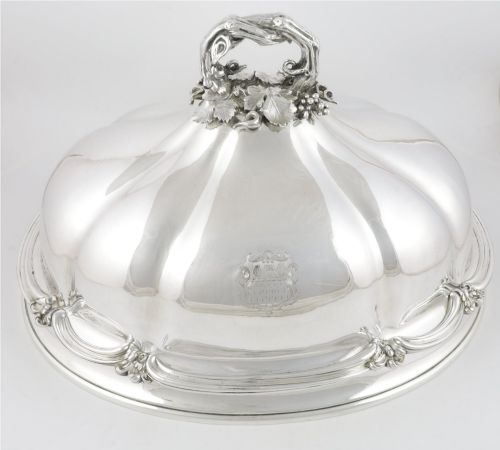
Meat domes, also known as food covers, were placed over large roasts or meat platters on the dining table to keep the food warm between courses. They feature an insulated domed shape with a handle on top for lifting.
Collectors often display these large silver plate and Old Sheffield covers on sideboards or use them as dramatic centrepieces in dining rooms.