


Antique Silver Needlework
Antique silver needlework tools combine fine metalwork with domestic craft, offering tactile pieces of social history that collectors prize for their intricate detail.
Antique Silver Needlework
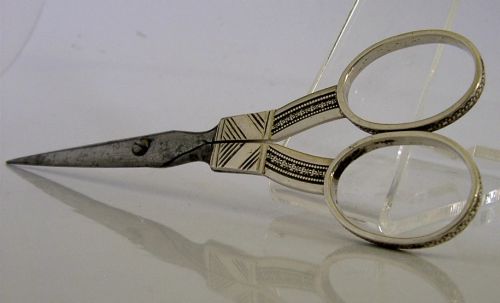
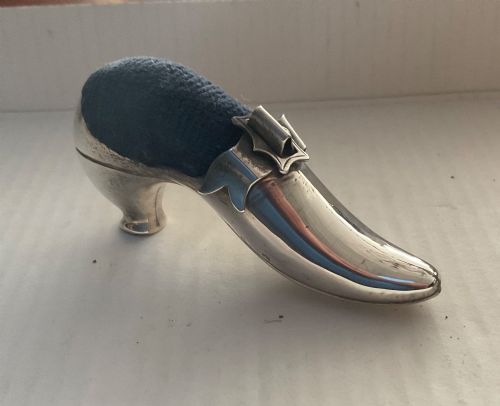
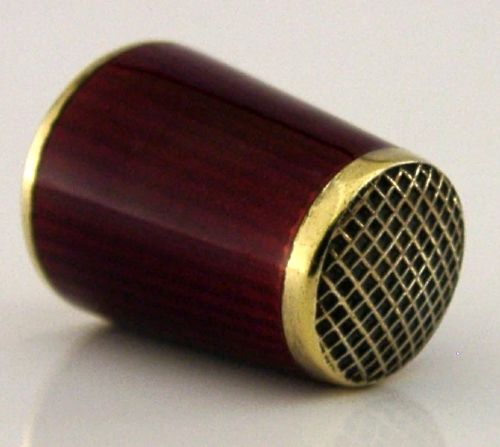
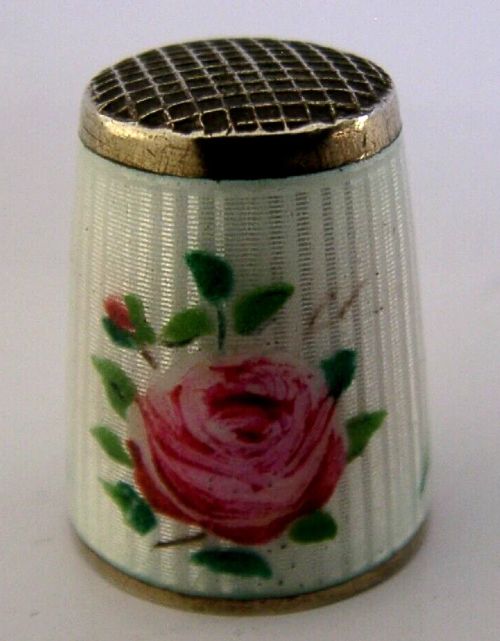
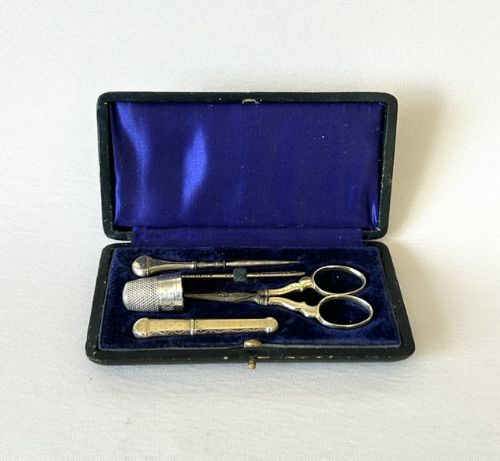
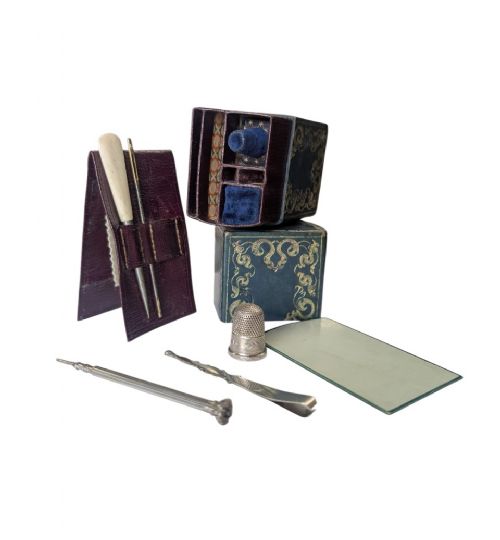
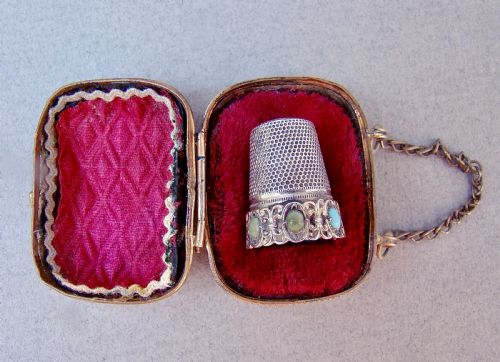
When you search for antique silver needlework, you encounter functional items designed for sewing, mending and lacemaking that were elevated into decorative objects. The selection includes pin cushions shaped as animals, thimbles, needle cases, scissors, chatelaine accessories and complete sewing boxes.
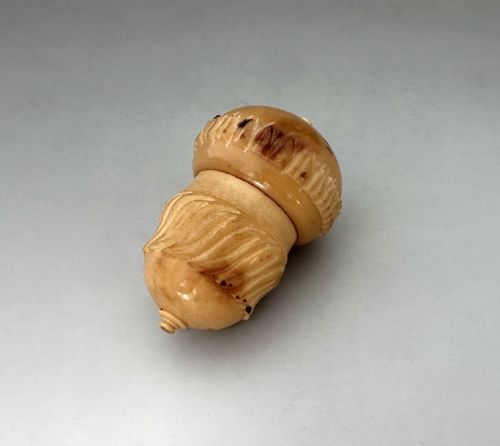
Most examples date from the Victorian and Edwardian periods, alongside earlier Georgian and 19th-century continental pieces. Makers fashioned them from solid silver or sterling silver, often combining the metal with velvet, silk, bone, leather, corozo nut or enamel.
How they were made
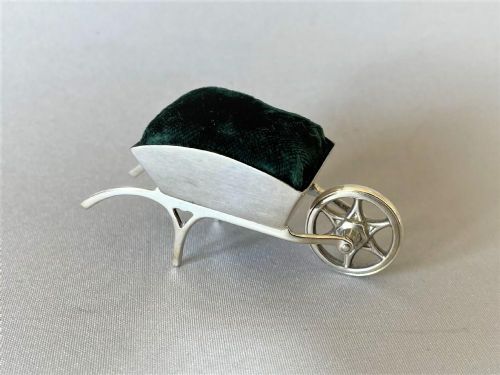
Silversmiths utilised stamping, casting and hand-chasing to shape solid silver into miniature forms like wheelbarrows, boots, birds and baskets, or to construct rigid cases for thimbles and needles. Enamel work added vibrant colour to thimbles and needle cases, particularly in Scandinavian designs.
Makers integrated steel for the working blades of scissors and incorporated organic materials such as tortoiseshell, mother-of-pearl or corozo nut for box foundations and interior fitments, lining them with velvet or silk.
Listings span the Georgian, Victorian, Edwardian and mid-century periods, incorporating materials like tortoiseshell, enamel, velvet and steel alongside solid silver.
What varies in quality
Quality rests in the crispness of the chasing and the imagination of the form, separating mass-produced items from sculptural novelty pieces. Animal and vehicle pin cushions depend entirely on the naturalism of their contours and the definition of the metalwork.
Signed pieces by known makers command attention through superior weight, hallmarks and finish. The preservation of original internal silk linings, fitted velvet trays and matching accessories elevates a sewing set or etui.
Adie & Lovekin·David Andersen·Charles Horner·Laurence Emanuel·Sampson Mordan
The Antique Silver Needlework Glossary
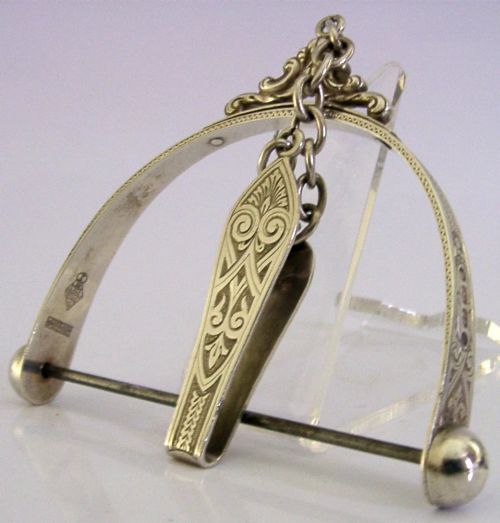
- Chatelaine
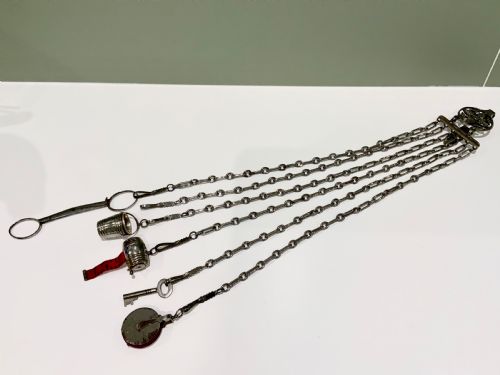
- A decorative belt hook suspended with chains carrying practical household tools such as scissors, thimble cases and needle holders.
- Etui
- A small ornamental box or case used to hold needles, tweezers and other small toilet or sewing implements.
- Pin cushion
- A stuffed form, frequently shaped as a novelty object or animal, encased in silver and used to hold sewing pins.
- Silver gilt
- Silver covered with a thin layer of gold, providing a rich, warm tone often seen on interior fittings of French compendiums.
- Solid silver
- Metal melted and formed entirely of silver rather than plated, assuring weight and durability.
Antique Silver Needlework: Frequently Asked Questions
What is antique silver needlework?
These items are small personal implements and containers associated with sewing, embroidery and lacemaking, fashioned from silver by period silversmiths.
They range from utilitarian scissors and needle cases to whimsical pin cushions shaped as animals and miniature vehicles.
How were novelty pin cushions used?
Novelty pin cushions sat on dressing tables or sewing desks, holding pins and needles close at hand during tailoring and garment maintenance.
Their decorative forms provided a touch of amusement and elegance in domestic Victorian and Edwardian interiors.
How do I identify maker marks?
Makers stamped their initials or trade symbols alongside town marks, standard marks and date letters on the silver surface.
Consulting hallmark registers reveals the exact workshop and year of production for British and imported pieces.
How should I care for silver sewing tools?
Store silver pieces away from humid environments to prevent tarnishing and protect delicate internal silk or velvet linings.
Clean the metal gently with a soft cloth designed for silver, avoiding abrasive substances that scratch chased details.