

Antique Silver Lapel Pin
These antique silver lapel pin pieces offer miniature wearable art spanning the Georgian era to the mid-twentieth century.
Antique Silver Lapel Pin
When buyers search for an antique silver lapel pin, they encounter small fastened ornaments designed to adorn clothing, which historically served to secure lapels, scarves, or hats. The items appearing on this page span diverse historical periods including the Victorian, Edwardian, and Art Deco eras, alongside mid-century twentieth-century designs.
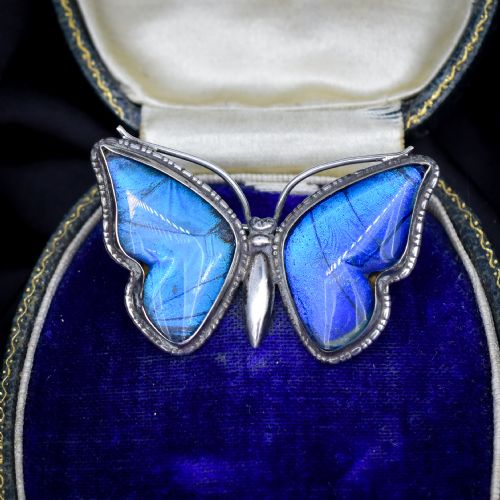
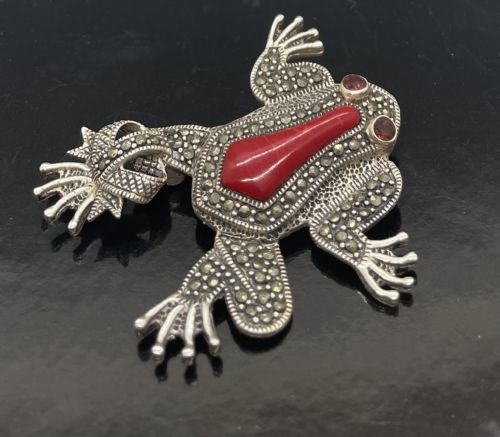
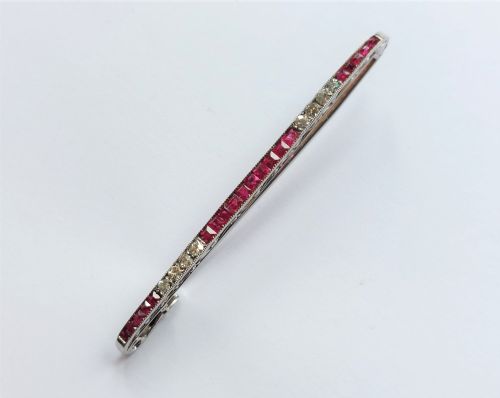
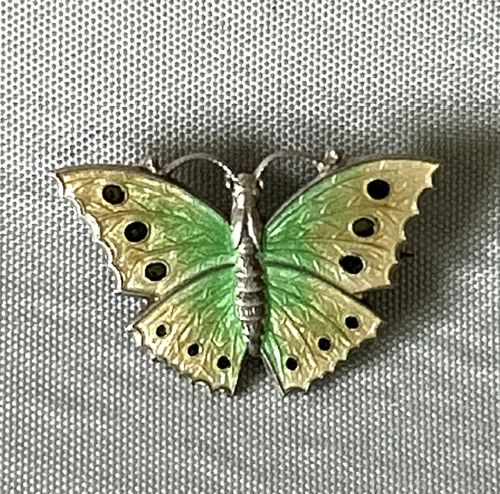
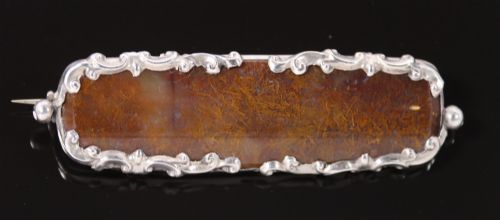
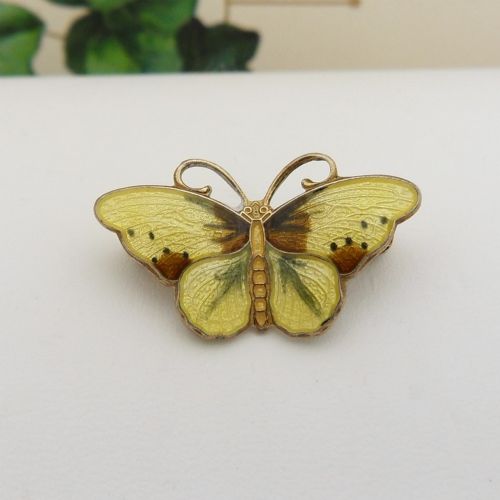
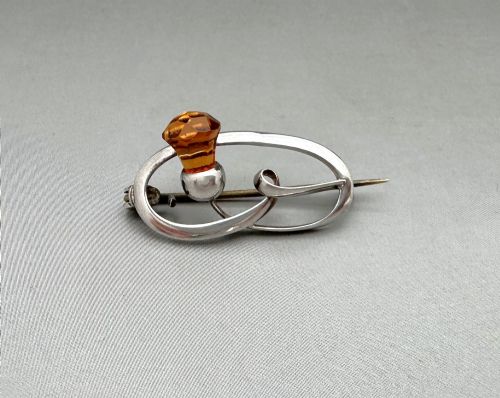
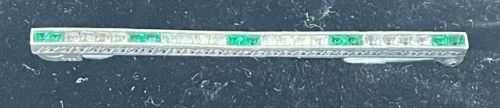
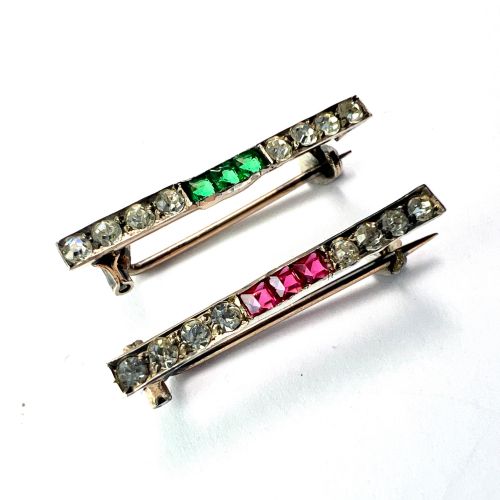
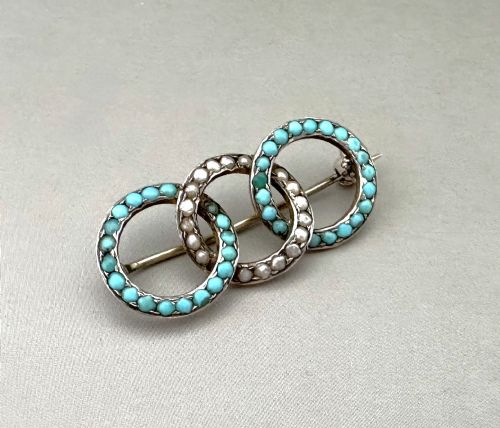
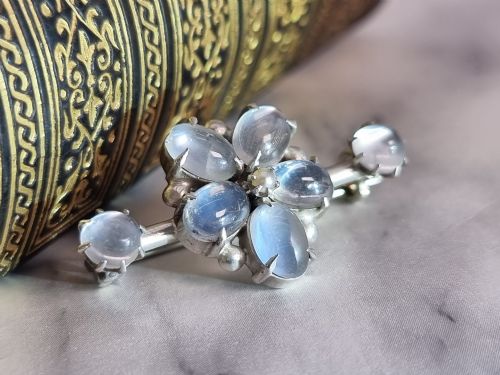
The physical forms on display encompass bar brooches, small floral motifs, insect shapes such as butterflies and dragonflies, and sporting pieces like golf clubs or animal figures. Materials paired with the base metal range from diamonds and paste stones to brightly coloured enamel, moss agate, and moonstones.
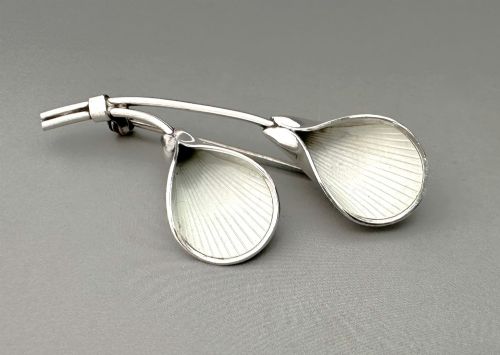
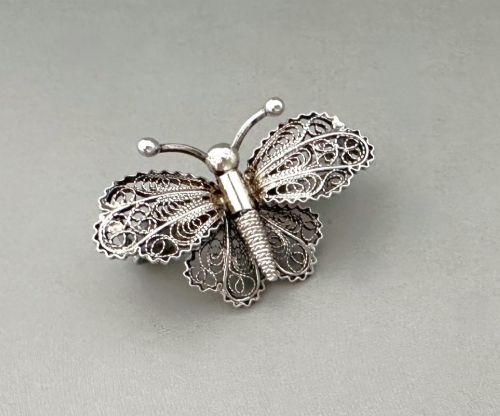
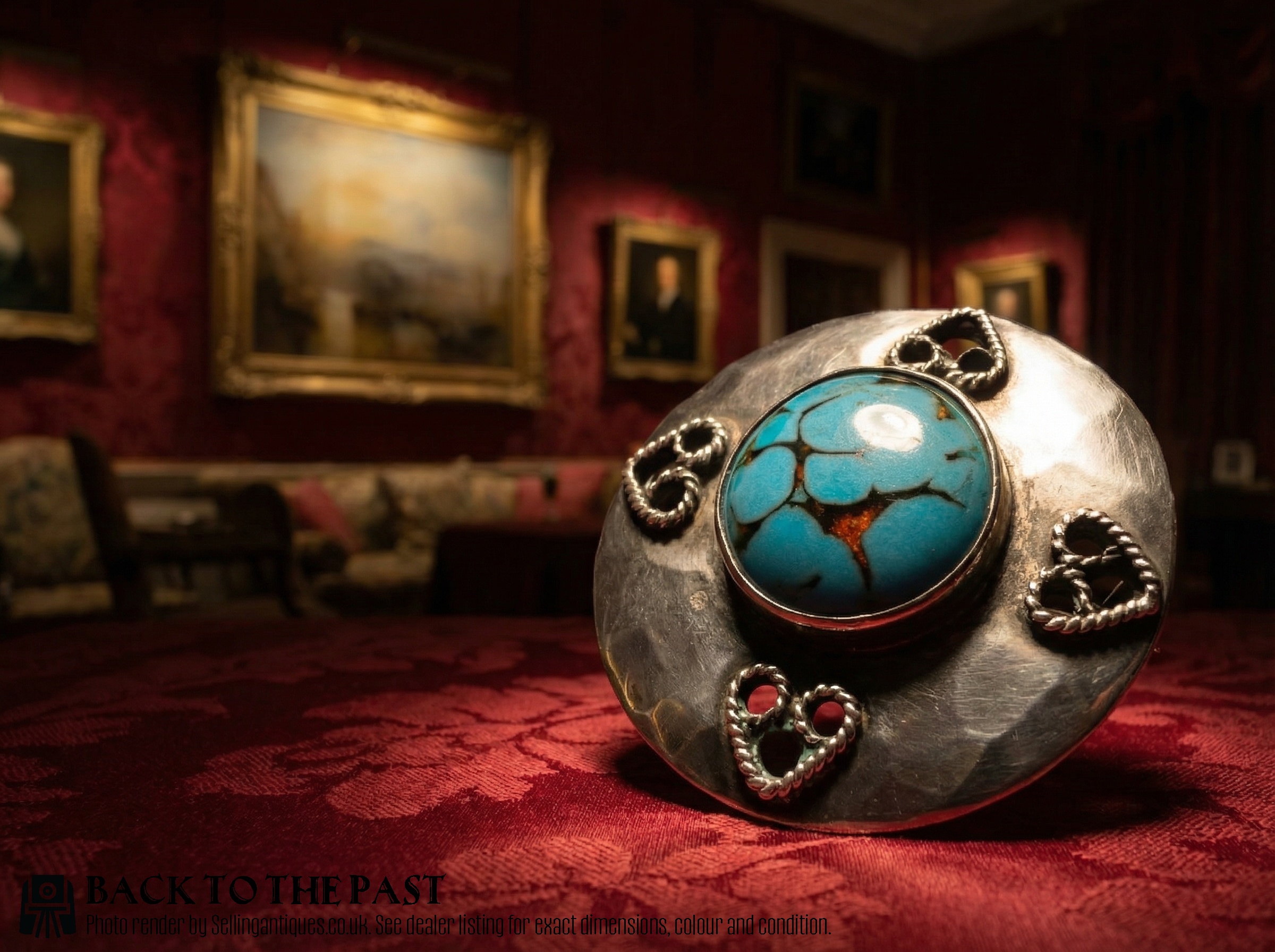
Origins represented in these listings extend across British workshops, Scandinavian designers, and continental makers, reflecting the broad international appeal of small silver dress accessories. Buyers frequently meet pieces incorporating filigree work or guilloche enamel, demonstrating the delicate craft traditions popular during the early decades of the twentieth century.
Materials and construction methods
The physical construction of these items relies heavily upon sterling silver or silver gilt, often combined structurally with gold components or platinum settings in the finer multi-metal designs. Artisans shaped these metals through filigree wirework, cast forms, or fabricated bar settings designed to secure small gemstones.
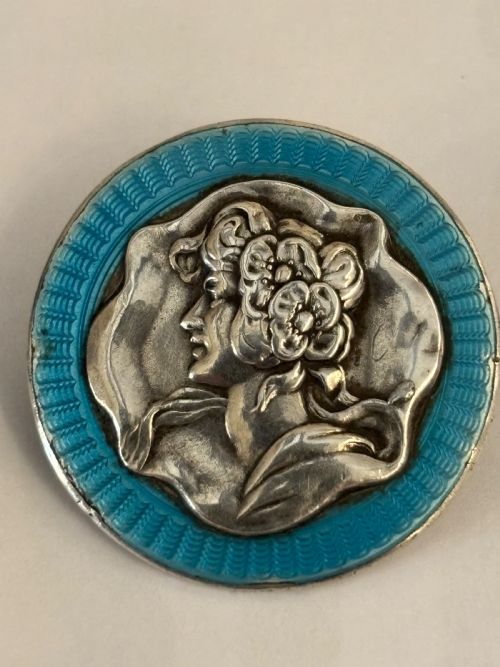
Enamelling techniques, particularly translucent guilloche enamel applied over engine-turned metal grounds, appear frequently to provide vibrant colour across butterfly wings and floral petals. Stones such as diamonds, rubies, emerald paste, moonstones, and natural agates are set by hand into bezels or flush mountings integral to the body of each piece.
Antique Silver Lapel Pin Retail Price Guide 2026
Typical asking prices for silver lapel pin among the pieces listed under this phrase on Sellingantiques today, from the lower quarter to the upper quarter. They describe what is for sale here now, not the wider market.
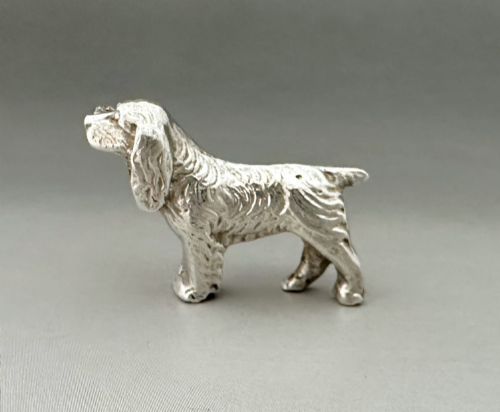
A remarkably resilient silver spaniel dog stands ready to guard your collar against any passing feline threats.
Distinctions in quality and execution
Quality within this category depends upon the precision of the metalwork and the integrity of applied decorative elements like enamel or delicate filigree wire. Pieces exhibiting crisp hand-chiselled details, securely seated gemstones, and undamaged enamel surfaces represent the upper echelon of period production.
Design complexity and the reputation of specific makers or regional workshops also influence the standing of an individual piece. Items featuring well-preserved original closures, balanced proportions, and high-grade materials maintain stronger visual and structural cohesion than mass-produced equivalents.
Charles Horner
The Antique Silver Lapel Pin Glossary
- Guilloche
- An ornamental pattern engraved mechanically into a metal surface beneath transparent enamel. This technique allows light to reflect through the coloured glass layer in geometric waves.
- Filigree
- Delicate jewellery-making work consisting of fine silver or gold wire twisted into intricate openwork patterns. Craftsmen solder these threads together to create lightweight, lace-like motifs.
- Paste
- Hand-cut and polished lead glass used to imitate gemstones. In period jewellery, quality paste is faceted precisely to catch light much like natural diamonds or coloured stones.
- Jabot pin
- A decorative pin originally designed to fasten the jabot ruffle on a shirt or cravat. These pieces typically feature an elongated pin stem with an ornamental terminal at each end.
- Marcasite
- Small, faceted pieces of iron pyrite polished and set closely into silver mountings. The stones provide a dark, metallic sparkle popular in jewellery from the Art Deco period.
Antique Silver Lapel Pin: Frequently Asked Questions
How were these silver pins worn historically?
Historically, these items served both a functional purpose in securing garments and a purely decorative role as personal adornment on clothing.
People pinned them to lapels, hats, cravats, or scarves depending on the specific size and configuration of the piece.
How do I identify an Edwardian silver pin?
Edwardian pieces often feature lighter, airier designs executed in platinum and silver, frequently incorporating milgrain edges and diamond or pearl settings.
Motifs from this era commonly include garlands, ribbons, swallows, and floral sprays reflecting the refined tastes of the early twentieth century.
How should I care for antique enamel and silver?
Care for these items involves keeping them away from harsh chemical cleaners, ultrasonic jewellery baths, and abrasive polishing cloths that can scratch soft enamel.
Store them individually in dry compartments to prevent metal friction and protect delicate glass or stone settings from impact.