




Antique Silver Label
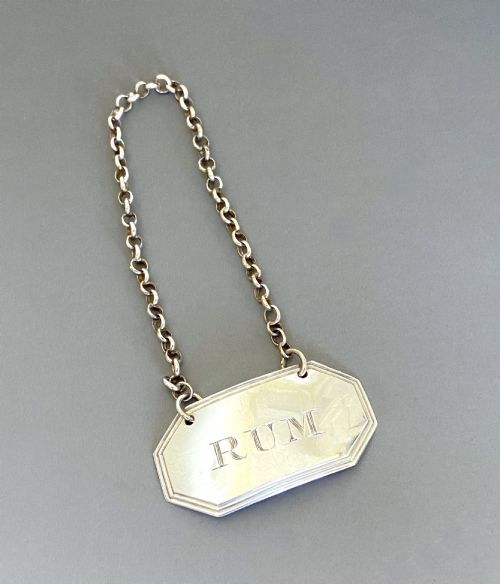
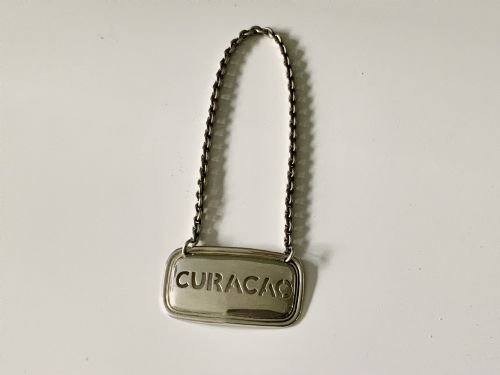
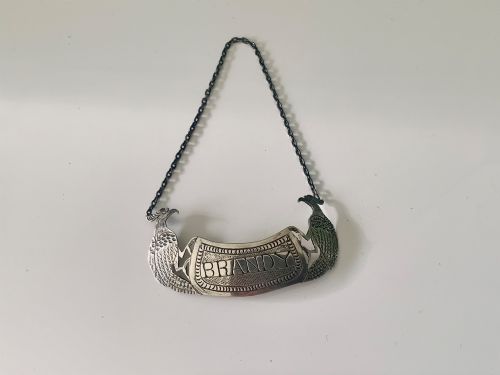
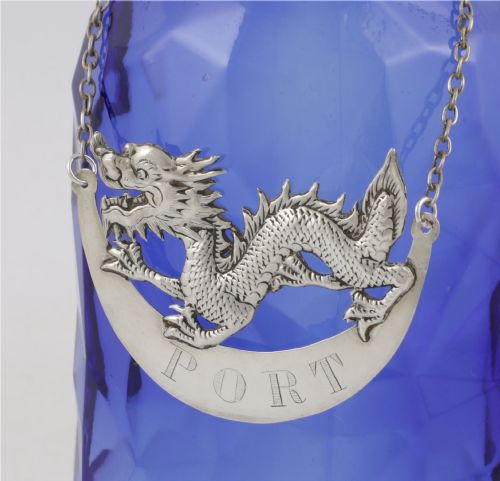
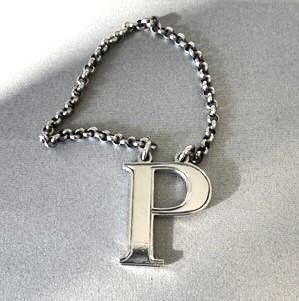
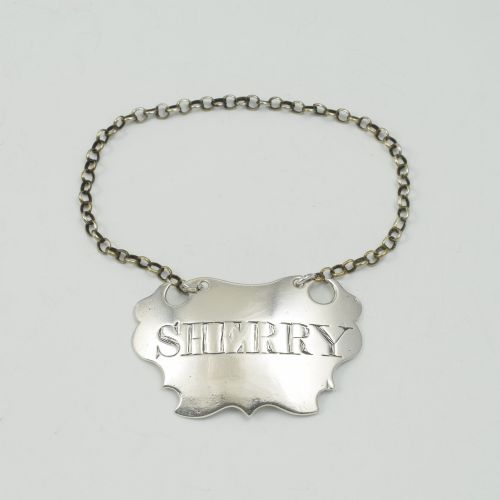
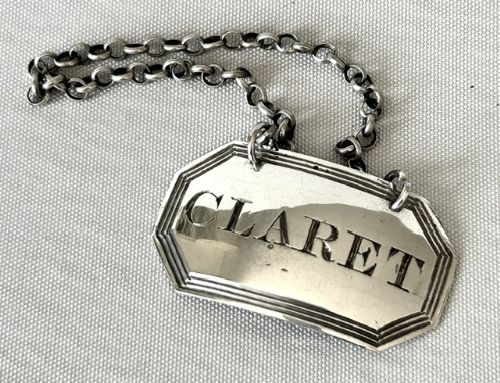
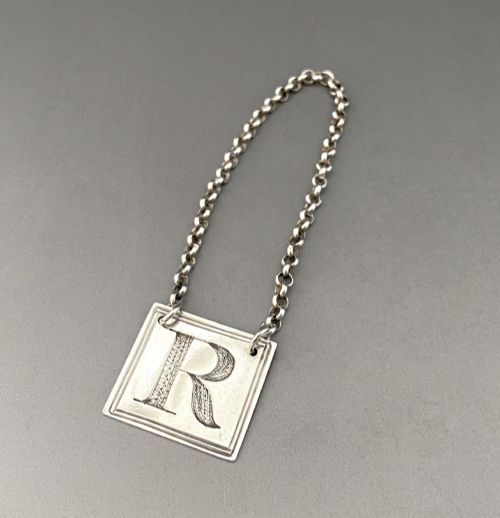
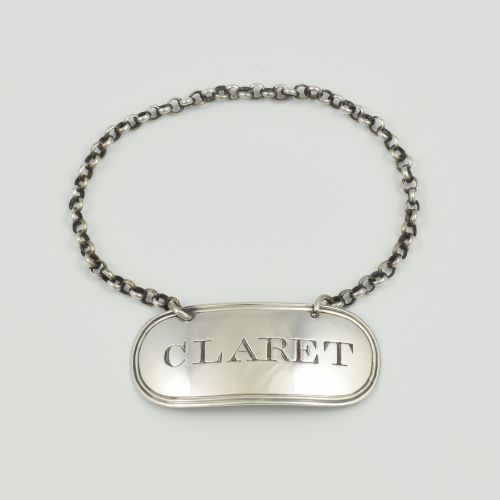
When searching for an antique silver label, you find small metallic identifiers hung around bottle necks to name specific fortified wines and spirits.
Antique Silver Label
An antique silver label identifies the contents of decanters, carafes, and bottles, functioning as a practical tabletop accessory for formal dining.
The objects appear in various shapes including escutcheons, vine leaves, and crescent forms, often suspended by a short chain around the neck of a vessel.
Georgian and Victorian examples dominate the selection, naming libations such as Port, Sherry, Madeira, Claret, and Whisky.
Silverwork and Production
Silversmiths utilised sterling silver and solid silver, shaping the metal through piercing, embossing, and engraving.
Some pieces incorporate enamel, glass inserts, or silver-gilt finishes to add contrast and decorative detail to the lettering and motifs.
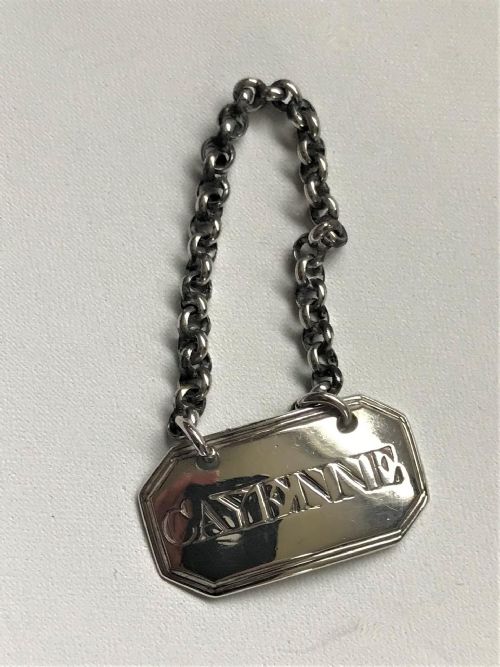
Someone once needed a label specifically for cayenne pepper, proving that Victorians labelled nearly everything on the dining table.
Craftsmanship and Design
Quality rests upon the crispness of the pierced lettering, the depth of the repoussé work, and the clarity of the maker marks and hallmarks.
Unusual titles or specific regional assay offices distinguish certain pieces, alongside the presence of naturalistic motifs like grapes, vines, and masks.
Elizabeth Morley·Digby Scott Benjamin Smith·John Reily·Thomas Wallis II·William Sharp·Taylor and Perry·William Lestourgeon
The Antique Silver Label Glossary
- Escutcheon
- A shield-shaped plate used commonly for naming decanter contents on early examples. This form provides a broad surface for engraved borders and titles.
- Bottle Ticket
- An alternative term for a decanter label that hangs around the neck of a bottle or jug. These pieces served the same identifying purpose in domestic dining.
- Assay Office
- An official body that tested precious metals and stamped items with hallmarks denoting origin and date. London, Birmingham, Edinburgh, and other cities ran these offices.
- Silver-Gilt
- Silver that has been coated with a thin layer of gold on its surface. This technique provided a richer tone to specific labels.
- Decanter Noggin
- A small vessel used for holding spirits like whisky, frequently accompanied by a dedicated silver label. These smaller containers appeared often in Edwardian and later bars.
Antique Silver Label: Frequently Asked Questions
What drinks do these labels name?
The labels identify traditional spirits and fortified wines served from decanters. Common inscriptions include Port, Sherry, Madeira, Claret, Brandy, and Whisky.
Less frequent titles such as Cayenne, Moselle, and rum also appear, reflecting broader historical dining and drinking habits.
How do you attach a decanter label?
Each label includes a small link or chain designed to loop around the slender neck of a decanter, jug, or bottle. This allows the tag to hang freely in front of the glass.
The length of the chain varies by period and maker, ensuring the metal rests securely without slipping down the vessel.
How are Georgian and Victorian pieces told apart?
Georgian labels often feature lighter gauge silver with bright-cut engraving, escutcheon shapes, or delicate vine leaf motifs. Maker marks from this era point to notable smiths working around the turn of the nineteenth century.
Victorian examples frequently display heavier cast mounts, bolder lettering, and more elaborate figural decorations such as masks and heavy fruiting vines.
What materials besides silver appear on these labels?
While sterling silver and solid silver form the vast majority of pieces, some incorporate contrasting elements. Enamel accents appear on mid-century designs, adding colour to the text or background.
Silver plate is also found on certain barware sets and tantalus frames paired with matching tags.