
Antique Silver Flatware Cutlery
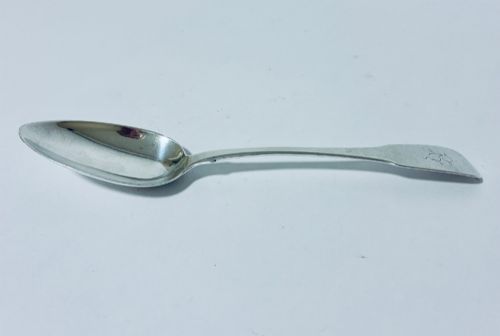
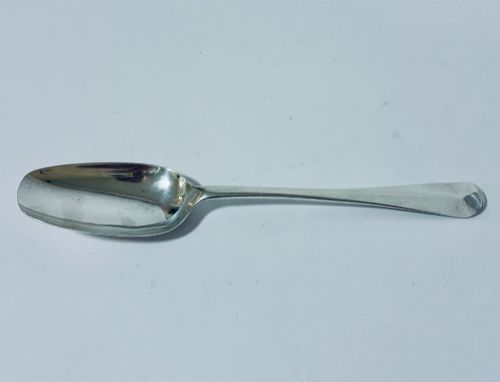
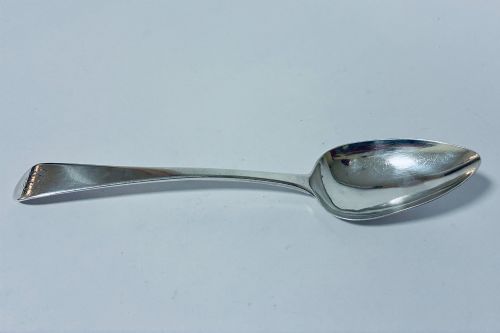
Antique silver flatware cutlery spans centuries of dining traditions, offering functional service pieces and complete canteens crafted from sterling silver and silver plate.
Antique Silver Flatware Cutlery
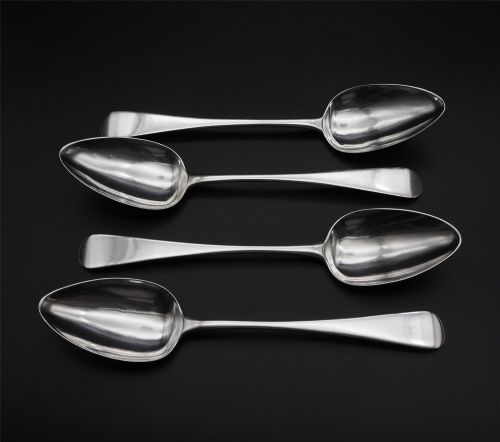
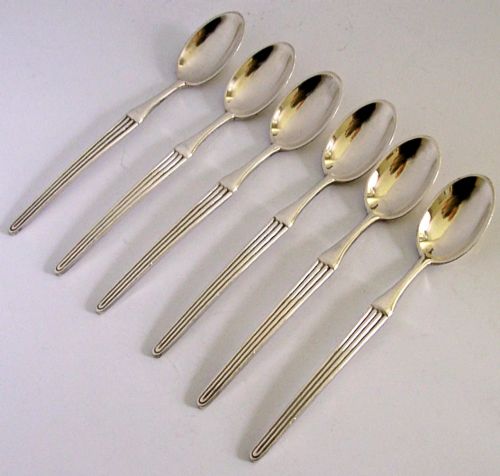
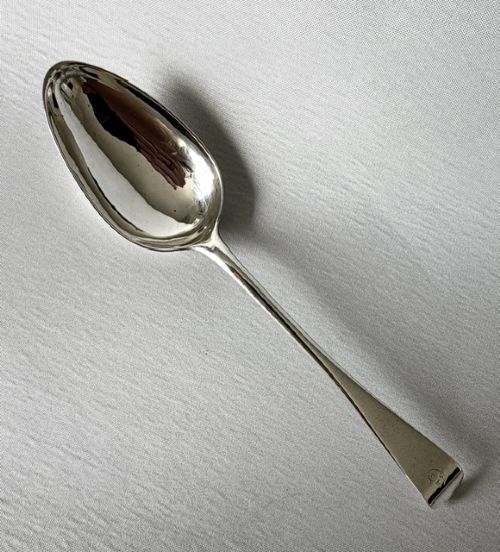
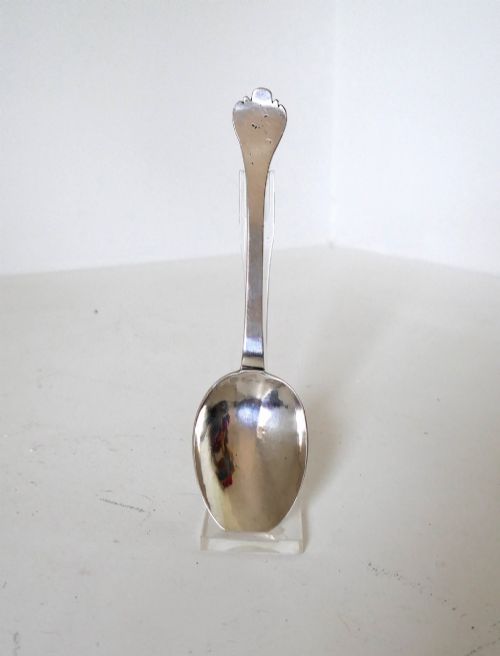
When you search for antique silver flatware cutlery, you encounter a range of forms designed for dining, serving, and specific tasks like fish consumption or grapefruit preparation. The pieces on this page span Georgian, Victorian, and Edwardian periods, stretching from the seventeenth century through to the art deco era of the 1930s.
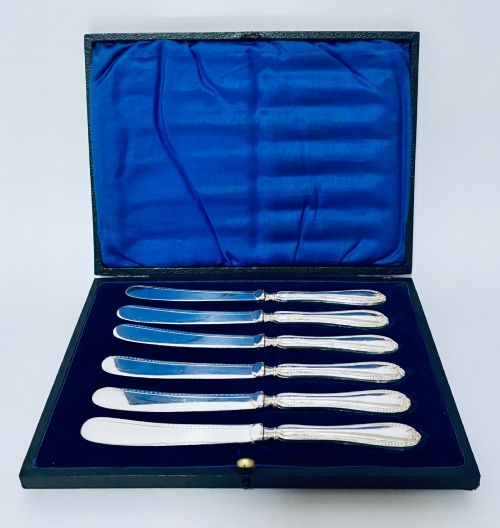
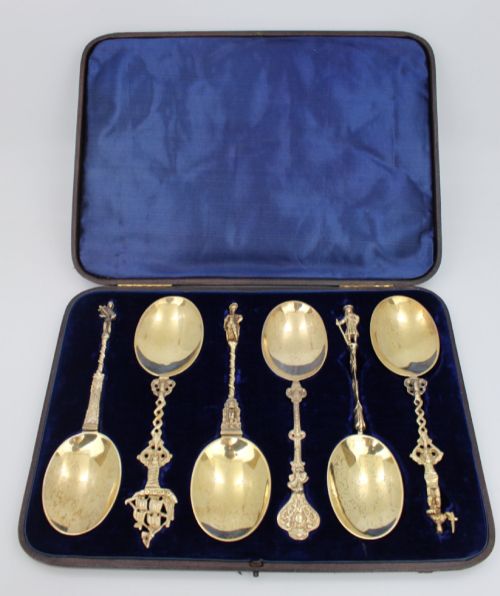
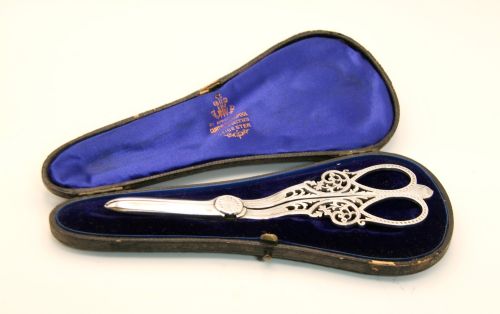
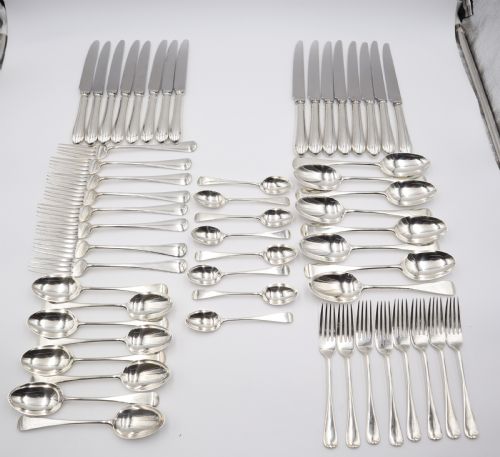
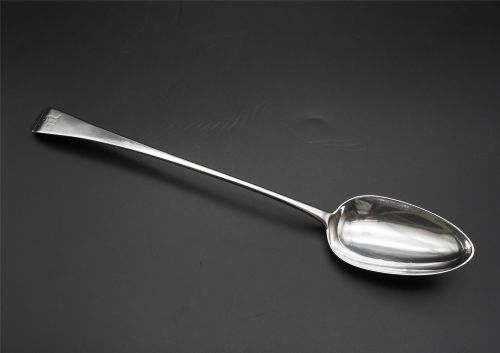
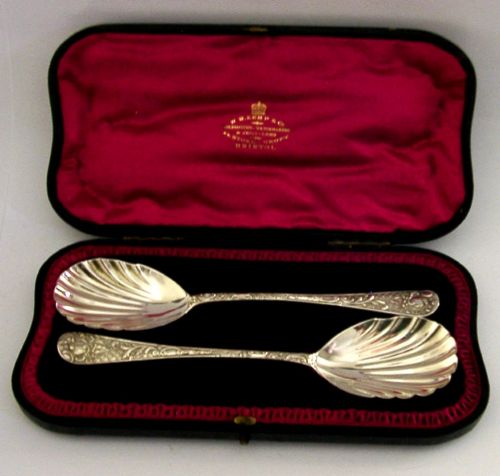
Most items appear as individual spoons, serving utensils, or canteens for multiple persons housed in fitted boxes lined with velvet, silk, or leatherette. You also meet specialist servers, such as sardine forks, asparagus tongs, marrow scoops, and sugar shovels, reflecting specialised dining habits of past decades.
Origins vary widely across the inventory, encompassing English, Scottish, Irish, Dutch, Ottoman Turkish, and American makers. Sterling silver predominates, alongside silver plated wares supplemented by steel blades and agate handles on specific knives and forks.
How They Were Made
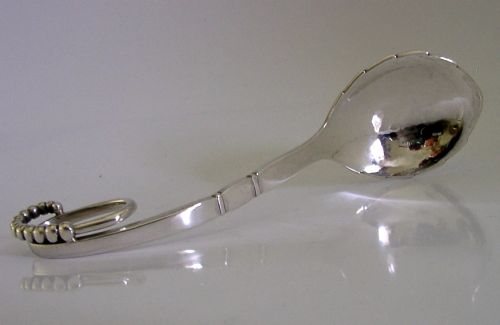
Silversmiths shaped sterling silver and silver plate through techniques involving hammering, casting, and piercing, often applying detailed engraving or crests by hand. Handles incorporate materials like agate, while fitted presentation cases utilise wood covered in leatherette and lined with velvet, satin, or silk.
Blades on specialised pieces like fish servers and fruit knives frequently integrate steel alongside silver to provide necessary rigidity and cutting edges. Maker marks, town marks, and date letters are punched directly into the metal to record the year and origin of production.
Listings feature sterling silver and silver plate items spanning the Georgian, Victorian, Edwardian, and Art Deco periods.
What Varies in Quality
Quality rests upon the crispness of the original hallmarks, the depth and clarity of hand-engraved crests or patterns like fiddle and faneuil, and the preservation of the metal's weight. Pieces that retain their original fitted cases lined with silk or velvet maintain higher integrity than loose items subject to decades of handling.
The precision of the silversmith's balance and the thickness of the silver plating on plated wares distinguish standard utility items from high-workshop productions. Maker attribution, such as work originating from noted makers or provincial assay offices like Newcastle and Dublin, influences the standing of individual spoons and canteens.
Peter and Jonathan Bateman·Georg Jensen·Henry Wilkinson·John Pittar·John Walton·Hamilton and Inches·Christofle·Tiffany
The Antique Silver Flatware Cutlery Glossary
- Flatware
- Table cutlery used for eating and serving food. This term covers forks, spoons, and certain knives.
- Hallmark
- An official stamp struck into precious metals to guarantee purity and origin. These marks typically include maker initials, assay office symbols, and date letters.
- Fiddle Pattern
- A nineteenth-century handle shape featuring a narrow stem that broadens near the end into a shoulder resembling a violin. It appears frequently in Victorian canteens.
- Marow Scoop
- A long, narrow double-ended utensil used for extracting marrow from bones. Georgian examples often feature deep, curved troughs.
- Berry Spoon
- A serving spoon with fruit and foliage embossed or engraved over the original bowl and stem. These items were often adapted from earlier Georgian spoons during the Victorian period.
Antique Silver Flatware Cutlery: Frequently Asked Questions
How do I date antique silver cutlery?
Dating relies upon stamped hallmarks that include specific symbols for the assay office, standard marks, and sequential date letters. Matching these punches against historical records reveals the exact year of manufacture.
Style indicators such as fiddle handles, crests, and casing materials also help narrow down the production period.
Were canteens always sold in boxes?
Many sets were retailed in fitted wooden boxes lined with velvet, satin, or silk to protect the individual pieces. These presentation cases often feature compartments tailored for serving spoons, forks, and knives.
Loose items were also common, purchased individually or added to existing household collections over time.
What are berry spoons used for?
Berry spoons are large serving spoons decorated with embossed or chased fruit and foliage designs across the bowl. They were frequently employed for serving soft fruits during formal meals.
Many examples found today originated as earlier Georgian spoons that received decorative embellishments during the Victorian era.