
Antique Silver Desk
An antique silver desk accessory brings functional elegance to a workspace through enduring craftsmanship from the Victorian, Edwardian, and Art Deco eras.
Antique Silver Desk
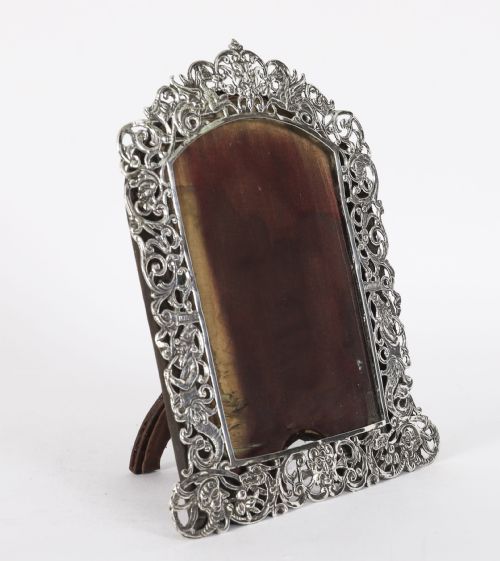
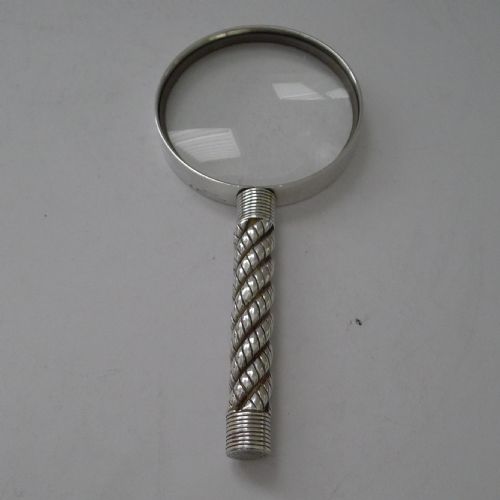
When searching for an antique silver desk item, buyers encounter practical workspace articles produced across the nineteenth and twentieth centuries. These objects range from inkwells and letter openers to desk tidy boxes, magnifying glasses, and perpetual calendars.
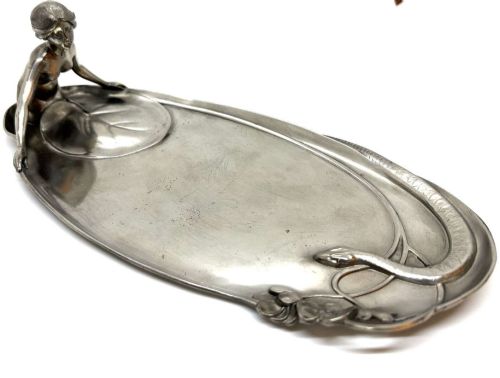
The selections on this page span the Victorian, Edwardian, and Art Deco periods, featuring sterling silver, silver plate, and mixed media such as glass, tortoiseshell, and horn. Items originate from English, French, German, and Indian workshops.
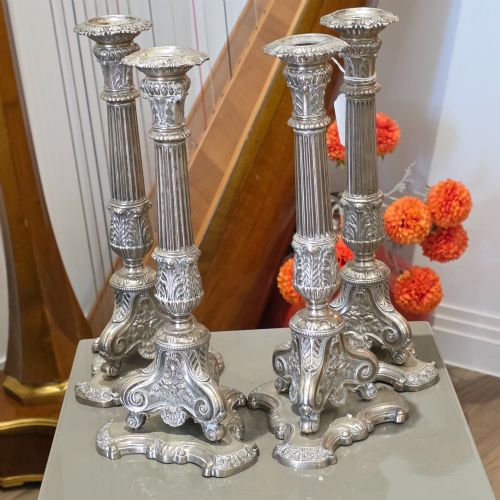
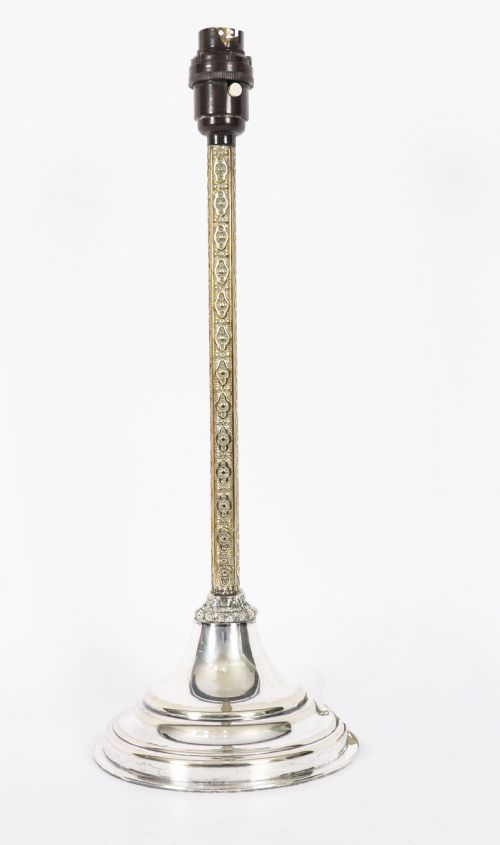
Functional items designed for correspondence and organisation dominate the surviving pieces. Collectors find inkstands, wax seals, and stamp cases alongside lighting and paperweights.
Materials and construction methods
Sterling silver and silver plate form the primary structural foundations for these items, often combined with organic materials like horn, tortoiseshell, and wood. Metalwork techniques involve casting, piercing, and hammering to shape solid silver or coat base metals.
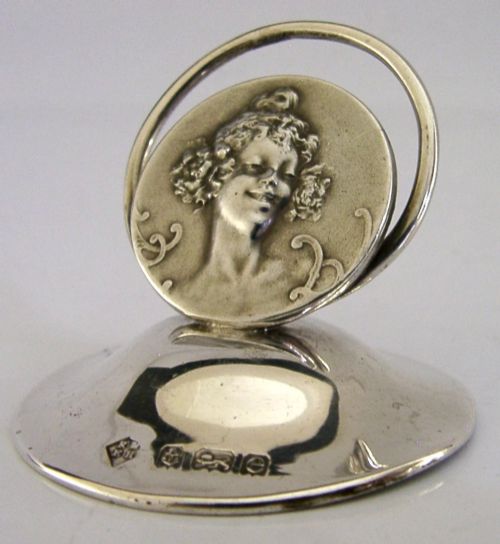
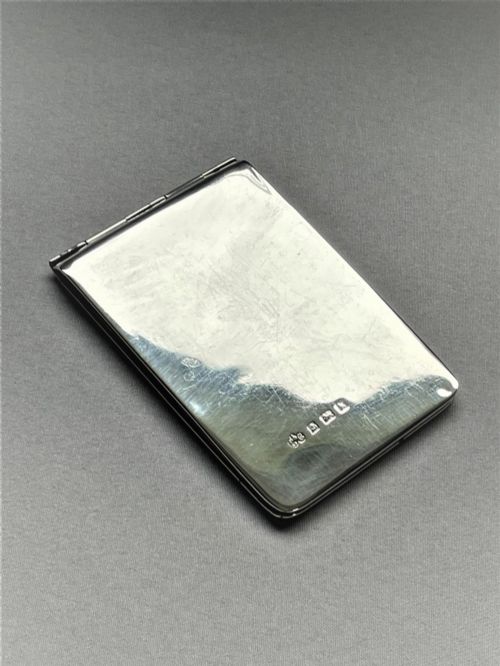
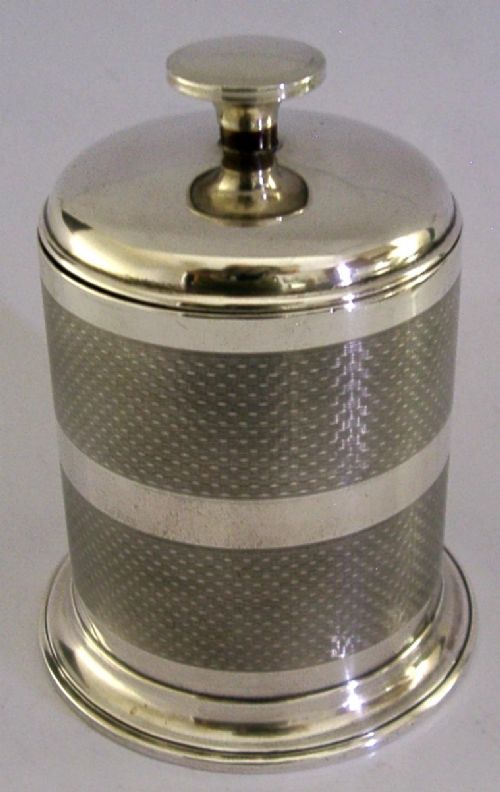
Detailing frequently incorporates guilloché enamel, parcel gilding, and inset semi-precious stones or glass. Makers applied hallmarking to sterling pieces to verify metal purity and origin through official assay offices.
Listings feature sterling silver and silver plate combined with wood, glass, enamel, and horn across Victorian and Edwardian eras.
Factors influencing quality
Quality rests upon the crispness of cast ornamentation and the integrity of structural joins. Hand-chased detailing and intact enamel or glass inserts elevate an object's standard.
Maker attribution and clear hallmarks contribute significantly to desirability. Pieces retaining original fitted components and uncompromised structural surfaces demonstrate superior execution.
Rosenthal Jacob And Co·Mappin And Webb·William Neale·Nathan And Hayes·The Barker Brothers·George Unite·Elkington
The Antique Silver Desk Glossary
- Sterling silver
- An alloy consisting of 92.5 percent silver by mass, with other metals added for durability. This standard is verified by official assay office hallmarks.
- Guilloché enamel
- A decorative technique where a precise pattern is mechanically engraved beneath a translucent layer of enamel. It frequently appears on small desk articles from the early twentieth century.
- Vesta case
- A small portable box designed to hold wax matches, often featuring an integrated striking surface on the base. Victorian and Edwardian examples often display novelty shapes or engraved monograms.
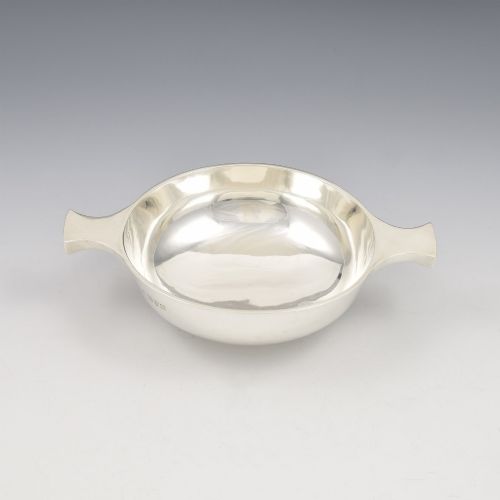
- Quaich
- A traditional shallow two-handled drinking vessel originating in Scotland, occasionally adapted for desk or display use. These pieces feature distinct lug handles and varied metal or horn construction.
Antique Silver Desk: Frequently Asked Questions
How do I clean antique silver desk pieces?
Use a soft microfiber cloth and a mild silver polish designed to preserve historic patinas. Avoid abrasive materials that can wear down engraved details or damage inset enamel and tortoiseshell.
Keep pieces away from direct moisture and chemical fumes to prevent tarnishing. Proper storage ensures the longevity of delicate mechanisms like perpetual calendars and folding magnifying glasses.
What is a silver desk tidy?
A desk tidy or stationery box is a container designed to organise letters, envelopes, and small writing implements. Victorian and Edwardian versions often feature fitted compartments and hinged lids.
These pieces served a practical role in correspondence before the widespread adoption of modern office furniture. They frequently coordinate with matching inkwells and stamp cases on executive desks.
How do I identify the date of silver items?
English sterling silver relies on a system of assay office marks, maker's initials, and date letters stamped directly onto the metal. Comparing these stamps against historical reference tables provides the exact year of manufacture.
Items without English hallmarks require stylistic analysis based on period characteristics such as Art Deco geometric lines or Victorian neoclassical revival motifs.
Were wax seals used for letters?
Wax seals melted by flame were pressed with engraved metal or stone stamps to secure correspondence and verify the sender's identity. Desk seals often feature figural handles shaped as animals or characters.
Sealing wax holders and tongs kept supplies organised beside inkwells and dip pens. These accessories formed an essential part of historical written communication.