




Antique Silver Coin Holder
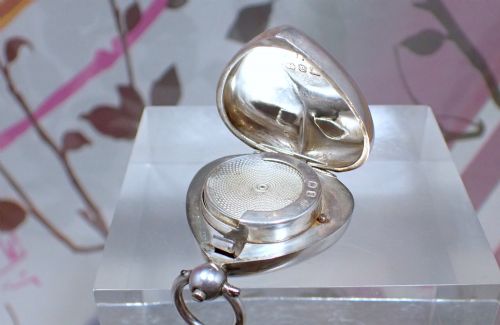
An antique silver coin holder is a pocket companion for currency, built to keep sovereigns secure and ready for use.

Antique Silver Coin Holder
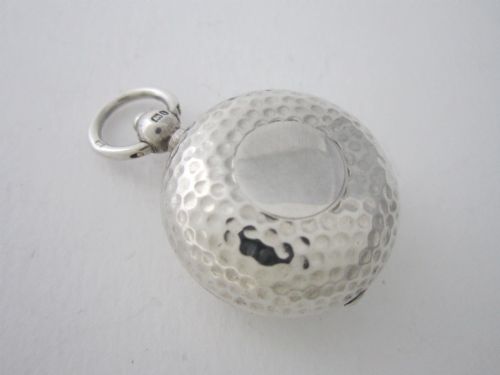
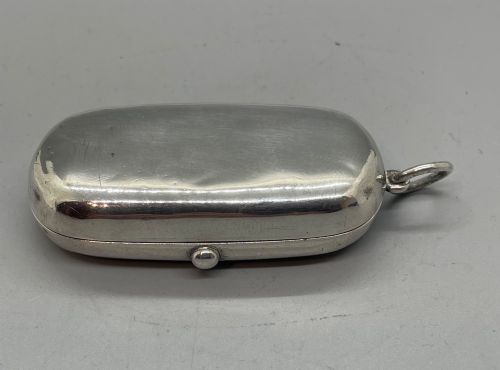
An antique silver coin holder is a pocket accessory designed to secure gold sovereigns and half sovereigns with precise spring-loaded mechanisms. The pieces appearing here span the Victorian, Edwardian, and George V eras, alongside later Art Deco designs.
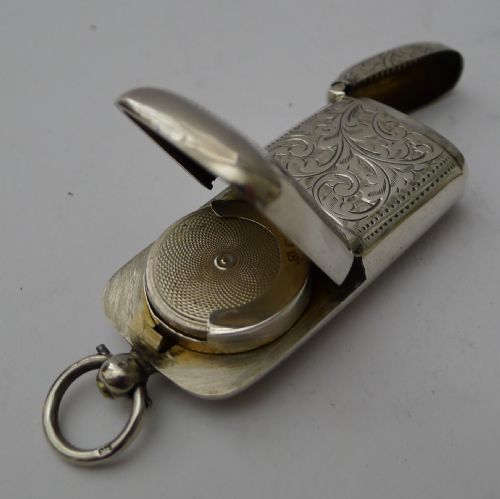
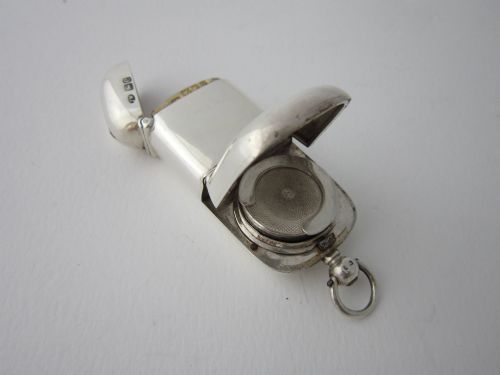
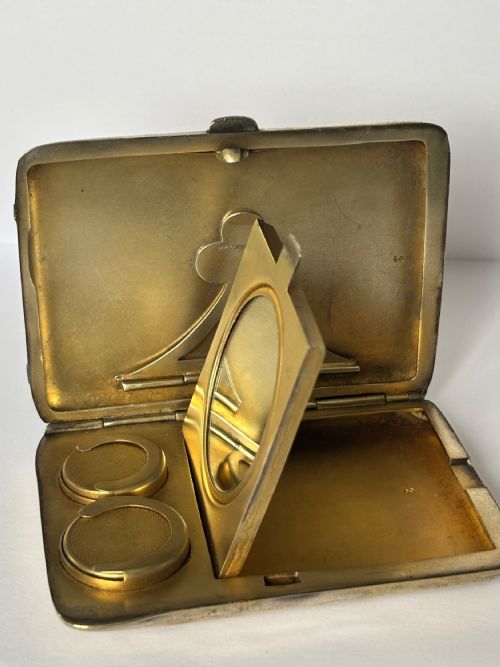
Most examples take the form of sovereign cases or combination pieces that pair the coin storage with a vesta case for matches. Collectors also encounter related pocket items including silver purses, vanity cases, and card compacts.
Makers fashioned these accessories in single and double configurations to fit standard coin sizes precisely. The surviving selection reflects everyday pocket use from the late nineteenth century into the nineteen-twenties.
What varies in quality
The distinction between standard items and superior examples lies in the crispness of the engraved decoration and the tension of the internal spring. Pieces by known makers show greater attention to the alignment of the hinged halves.
Weight and gauge of the silver plate also determine the durability of the casing against daily pocket wear. Combination pieces with fully functional spring hinges and clear hallmarks command stronger interest.
The listings here encompass sterling silver and silver gilt forms, produced across Victorian, Edwardian, and George V periods.
Aaron Lufkin Dennison·Henry Charles Freeman·Wright and Davies
The Antique Silver Coin Holder Glossary
- Sovereign case
- A small pocket container shaped to hold one or two gold sovereign coins securely. These holders feature spring clips inside to prevent the coins from rattling or falling out.
- Vesta case
- A small box used for holding wax matches, frequently combined with a sovereign holder in a single dual-purpose pocket accessory. They incorporate a striker groove on the bottom for lighting.
- Silver gilt
- Silver that has been coated with a thin layer of gold on its surface. This technique provided a contrasting warm tone to the interior compartments of the case.
- Hallmark
- A series of official marks stamped onto precious metals to indicate the standard of purity, the assay office, and the date letter. British pieces typically show the lion passant and anchor or leopard's head.
- Half hunter
- A pocket watch design featuring a case with a glass panel or hole in the front cover, allowing the time to be read without opening the case.
Antique Silver Coin Holder: Frequently Asked Questions
How do you open a sovereign case?
Most cases operate via a small push button on the rim that releases the internal spring-loaded retaining clip. Pressing this catch allows the hinged halves to swing open.
Inside, the coin sits upon a sprung platform that lifts it into position for removal. Releasing the button secures the remaining coins firmly inside.
Will modern coins fit inside these holders?
These historical pieces were engineered precisely for Victorian and Edwardian gold sovereigns and half sovereigns of specific diameters and thickness. Modern currency generally does not match these exact dimensions.
Attempting to force mismatched currency into the spring clips can damage the internal mechanism. Buyers typically collect them as historical objects rather than everyday pocket utility.
How do I identify the date of a silver case?
British pieces carry a set of stamped hallmarks that include a specific letter corresponding to the assay year. Reference tables match these date letters to the Birmingham, London, or other regional office records.
Additional sovereign marks indicate the reigning monarch's head during the period of manufacture. Together, these stamps provide a reliable timeline of origin.
What is the difference between a single and double sovereign case?
A single case accommodates one gold coin within a slim profile designed to fit neatly into a waistcoat pocket. Double cases feature a central dividing leaf that holds two coins back to back.
Double versions require slightly thicker dimensions to house the internal spring mechanism for both sides. Both styles utilise hinged closures to keep the currency secure.