




Edwardian Coin Case
An edwardian coin case carries the small currency of daily life in solid silver or leather.
Edwardian Coin Case
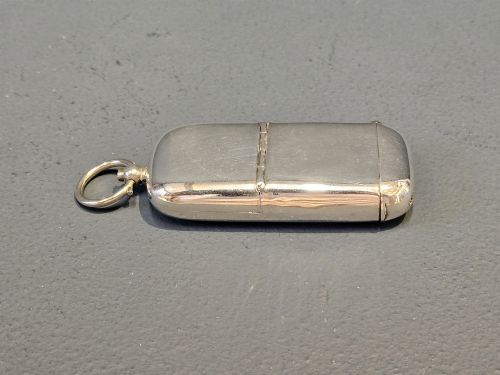
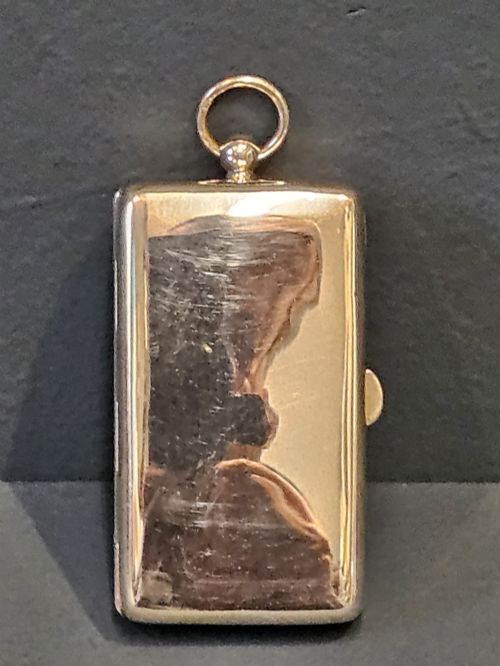
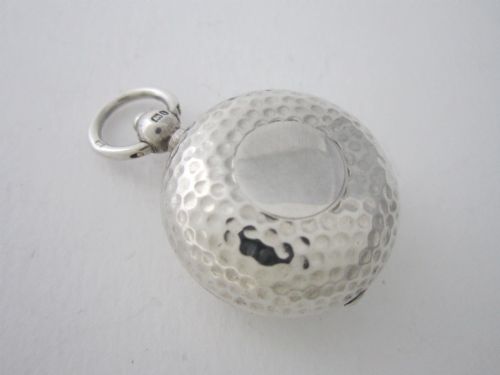
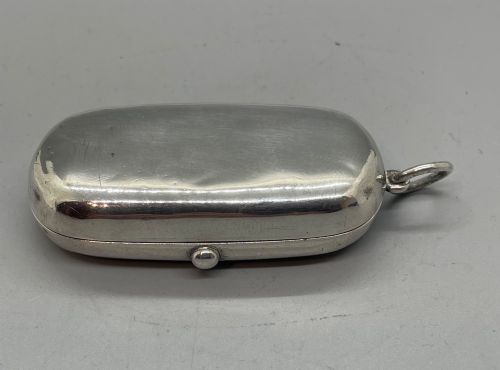
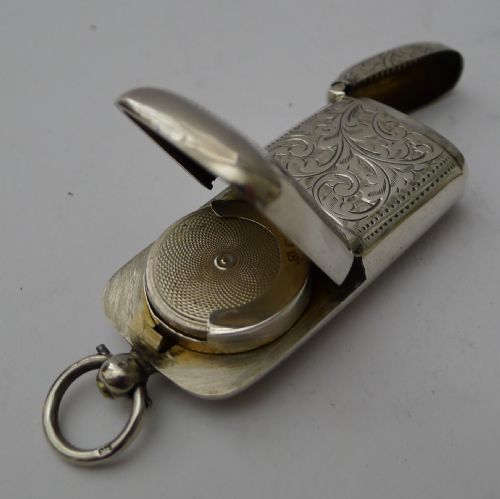
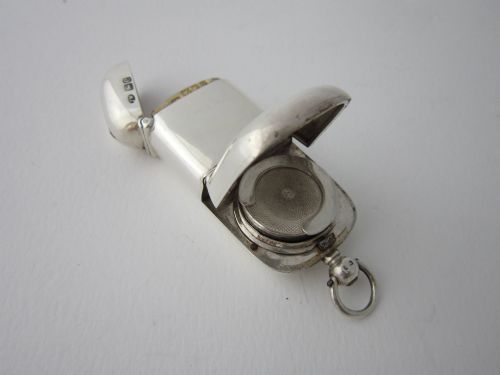
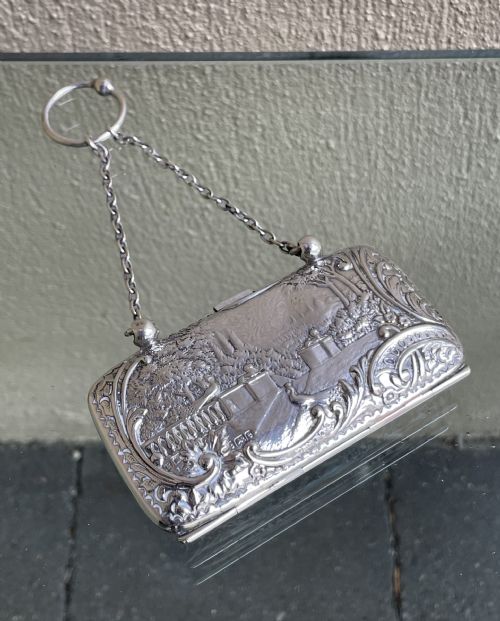
An edwardian coin case covers pocket pieces designed to hold sovereigns, half-sovereigns, and bank notes securely. The form spans standalone holders, combination vesta cases, and smaller purses fitted with metal mounts.
Most examples found here date from the Edwardian period and the early George V years, with a few reaching back into the late Victorian era. These pieces reflect the pocket-worn utility of the early twentieth century.
Makers utilised sturdy sterling silver and occasionally combined the metal with crocodile skin or leather. The objects range from single sovereign holders to double cases equipped for matches and paper money.
How they were made
Silversmiths constructed these pocket pieces using sterling silver, often hallmarked in Birmingham during the opening decade of the twentieth century. The metal was pressed, hinged, and polished to create tight-closing compartments for coins.
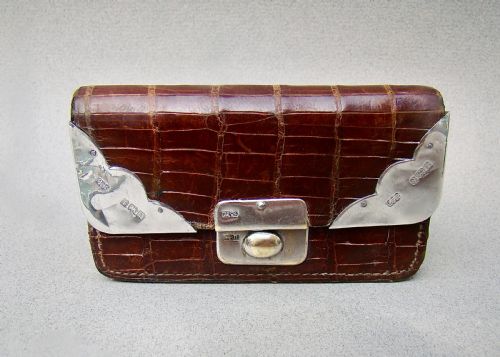
Leather workers wrapped purses and compact wallets in crocodile skin and standard leather, securing them with silver mounts. The combination of skins and metalwork required careful stitching and fitted bezels.
Edwardians trusted their trousers to hold heavy solid silver and gold coin cases without losing their stride.
What varies in quality
The distinction between standard examples and finer pieces lies in the complexity of the design, such as combination cases that hold both sovereigns and matches. Maker attribution also elevates the work, particularly pieces bearing recognised silversmith marks from Birmingham.
The preservation of the exterior materials, whether polished silver or textured crocodile skin, dictates the overall character of the piece. Crisp hallmarks and tight springs separate well-preserved items from heavily worn specimens.
Charles Penny Brown·Aaron Lufkin Dennison·Henry Charles Freeman
The Edwardian Coin Case Glossary
- Sterling silver
- A silver alloy containing 92.5 percent pure silver by mass, standard for British tableware and pocket accessories of the period. This metal forms the primary body of most sovereign and vesta cases.
- Vesta case
- A small pocket box designed to hold wax matches, frequently combined with sovereign holders in Edwardian accessories. These compartments kept matches dry before the widespread adoption of safety boxes.
- Sovereign case
- A small spring-loaded container made to fit gold sovereign or half-sovereign coins precisely. They protected the currency from loss in the pocket.
- Hallmark
- An official stamp applied by an assay office, such as Birmingham, indicating metal purity, maker, and year of testing. These marks provide dates for Edwardian and George V accessories.
Edwardian Coin Case: Frequently Asked Questions
What fits inside an edwardian coin case?
These accessories were built primarily for gold sovereign and half-sovereign coins. Many versions also included space for bank notes or a compartment for matches.
Today, they suit modern pocket storage for small keepsakes or cards, depending on the internal layout.
Were these made of leather too?
Some examples paired sterling silver mounts with crocodile skin or standard leather to create compact purses and wallets. These combined materials offered a softer pocket feel while maintaining secure metal frames.
Silver remained the dominant material for the dedicated coin holders.
What is a combination case?
A combination case merges a sovereign holder with a vesta case for matches, or adds a sleeve for bank notes. These multi-purpose accessories reduced the number of items carried in a waistcoat pocket.
They represent some of the more complex designs produced by silversmiths of the era.