
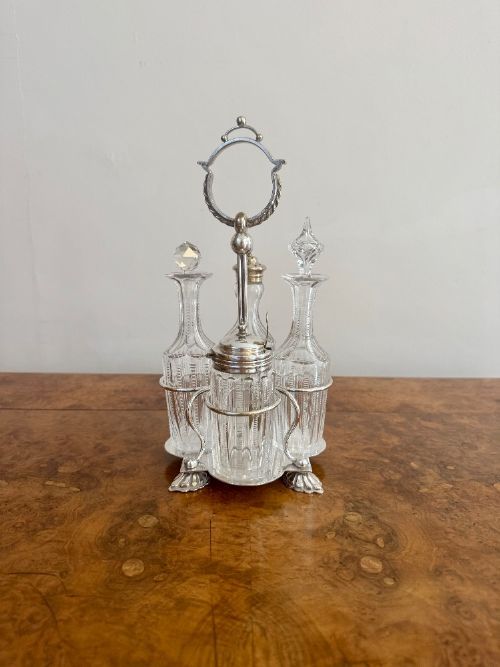
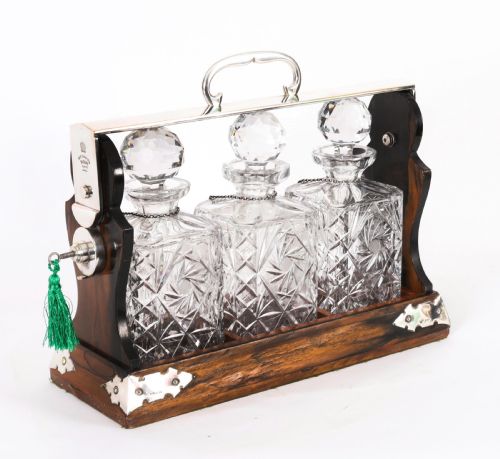
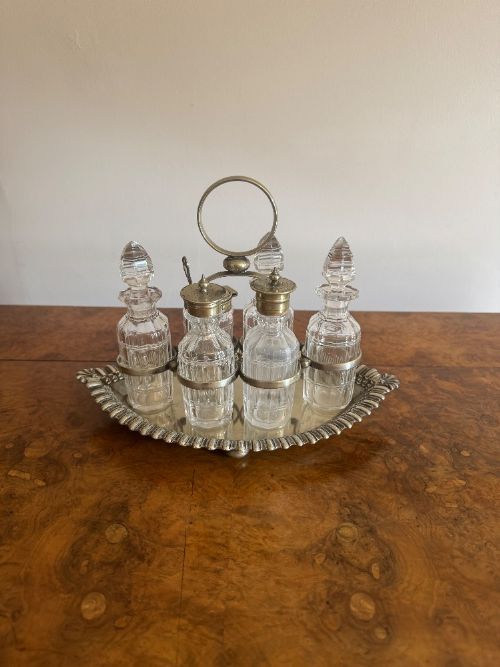
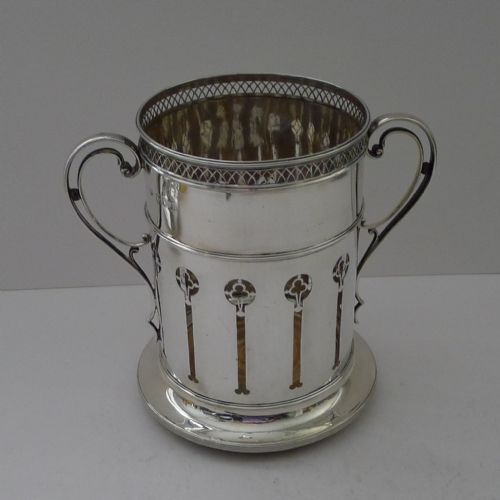
Antique Silver Bottle Stand
An antique silver bottle stand protects your dining table from rings while keeping wine and spirits close at hand.
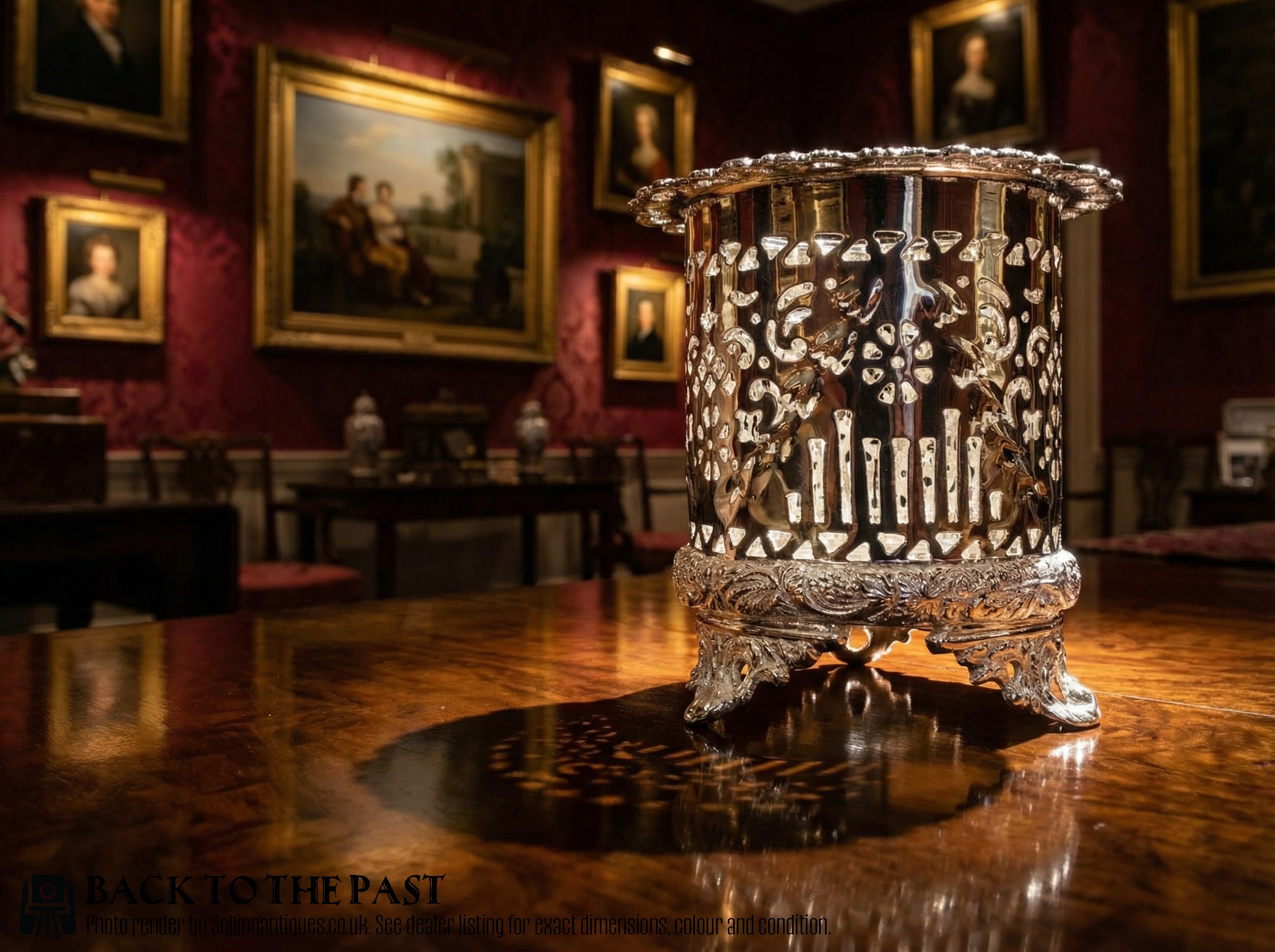
What an antique silver bottle stand is
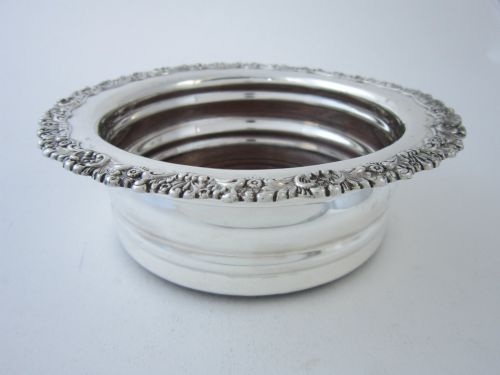
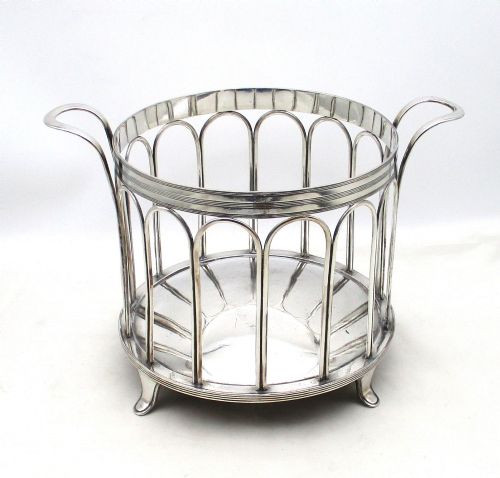
When you search for an antique silver bottle stand, you are looking at functional tableware designed to hold decanters, wine bottles, and cruets securely during meals. These pieces protect polished mahogany and other dining surfaces from condensation and drips.
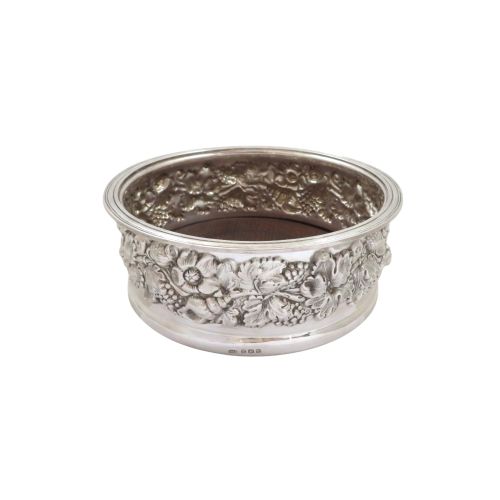
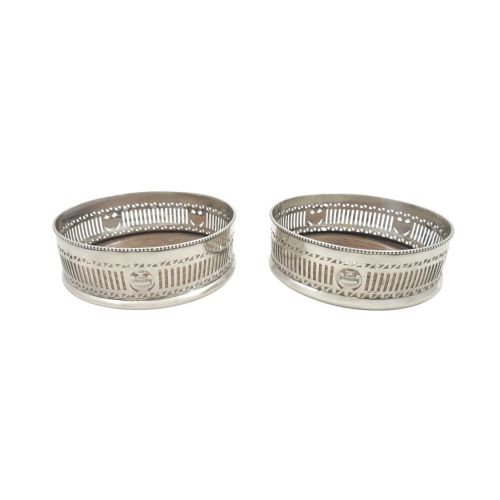
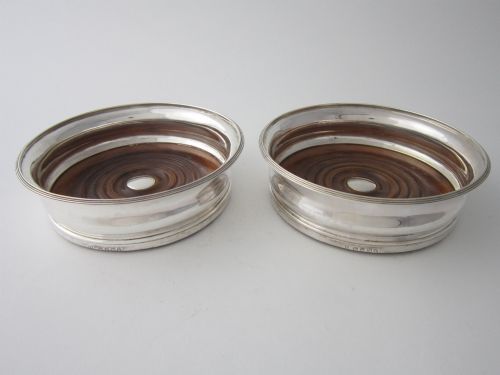
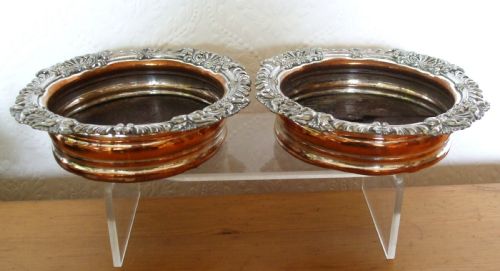
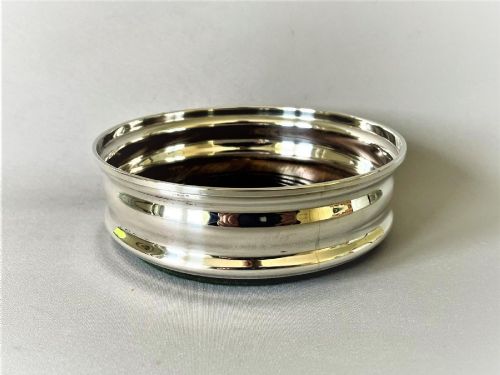
The versions you are most likely to meet on this page span the Georgian, Victorian, and Edwardian periods, often taking the form of wine coasters or desk accessories. Many examples use silver plate or Old Sheffield Plate rather than solid sterling silver.
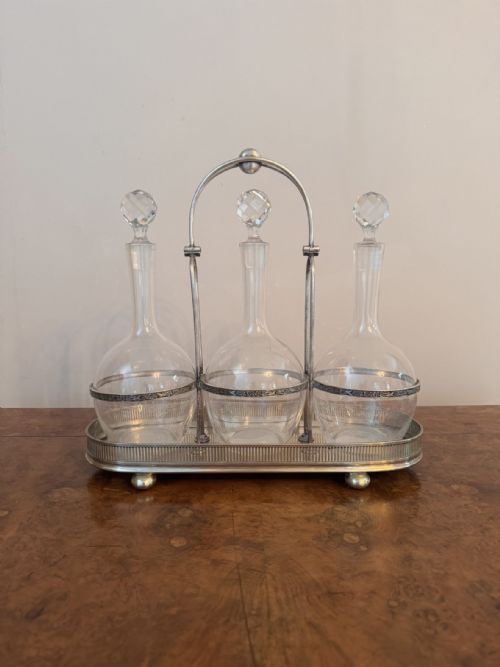
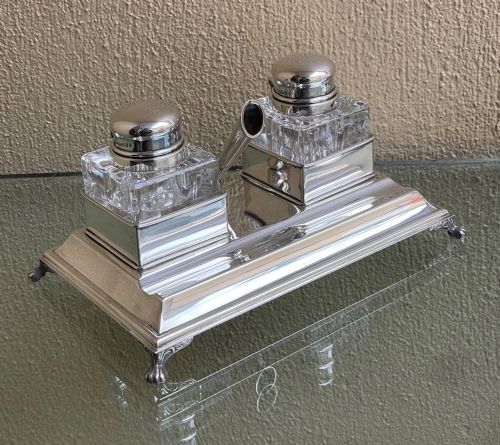
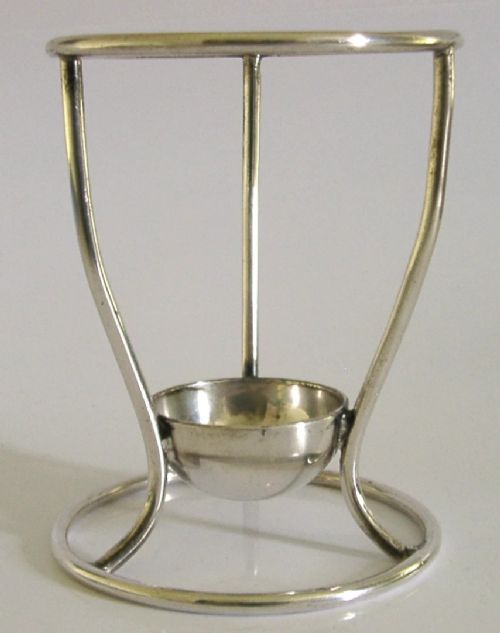
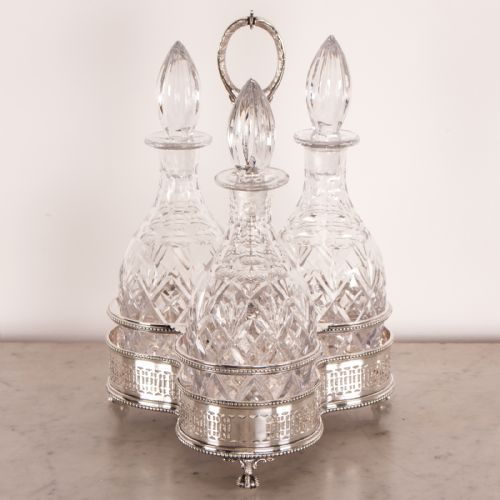
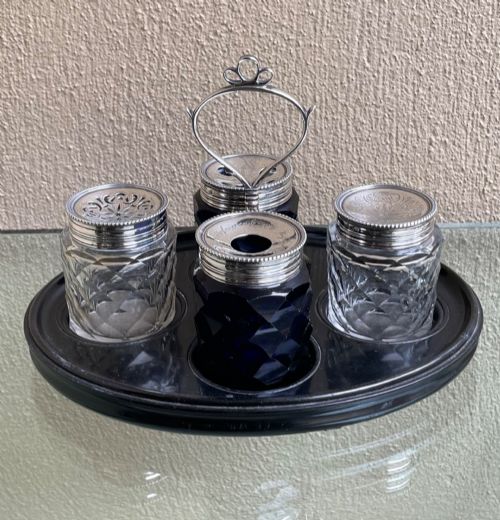
Makers produced both single bottle stands and pairs, alongside more complex forms like twin stands and multi-bottle cruet frames. You will also encounter converted desk accessories and planters sharing these same traditional metalworking forms.

Materials and construction
The evidence shows these stands rely heavily on silver plate, Old Sheffield Plate, and sterling silver, sometimes combined with turned wood bases such as mahogany. Makers also incorporated glass inserts and enamel decoration into specific bottle stands and cruet frames.
Craftsmen shaped the metal bodies using traditional plating and smithing techniques typical of barware production across the eighteenth, nineteenth, and twentieth centuries. Turned wooden inserts inside the metal bases provided a stable, weighted floor for heavy glass bottles.
Retail Price Guide 2026
Typical UK retail prices for silver bottle stand, calculated from the Sellingantiques database of over a million retail prices indexed since 2003. This retail price guide relies exclusively on Sellingantiques data; no external sources or auction records are used, so the figures do not describe the wider market.
Listings feature items from the Georgian, Victorian, and Edwardian eras, utilising silver plate, turned wood, copper, and mahogany.
What separates the finest examples
Quality in an antique silver bottle stand rests upon the crispness of the chased or pierced ornamentation and the integrity of the base construction. Heavy gauge metals and well-turned wooden inserts distinguish superior examples from lighter, purely decorative pieces.
The transition between the metal gallery and the wooden base reveals the maker's precision, where tight joints and substantial weight indicate higher workshop standards. Pieces retaining their original glass components or pairing as matching sets command greater interest from collectors.

The Antique Silver Bottle Stand Glossary
- Old Sheffield Plate
- A fused laminate of silver and copper produced before modern electroplating became common. This technique creates a distinctive edge where the underlying copper is subtly visible.
- Wine Coaster
- A small, wheeled or stationary tray designed to hold a wine bottle and glide across the dining table between guests after the meal. They frequently feature turned wooden bases to insulate the surface.
- Cruet Stand
- A metal frame designed to hold multiple glass bottles containing condiments, oil, or vinegar. Victorian examples often incorporate handles and matching cut glass bottles.
- Silver Plate
- A base metal coated with a thin layer of silver using electrochemical methods. This process allowed workshops to produce affordable tableware with the appearance of solid silver.
Frequently Asked Questions
What is an antique silver bottle stand?
An antique silver bottle stand is a decorative tabletop accessory designed to hold wine bottles, decanters, or cruets. They serve both a practical function in protecting dining surfaces and a decorative role in table settings.
Historically, these stands were passed around the dining table after the servants withdrew. They keep moisture away from polished wood and allow bottles to slide smoothly.
How were bottle stands used originally?
In the eighteenth and nineteenth centuries, bottle stands held wine bottles or decanters during formal dinners. Dinners often involved passing the bottles along the polished mahogany surface.
The inclusion of turned wooden bases and sometimes small wheels allowed the stands to glide easily. Cruet stands held condiment bottles for seasoning food at the table.
How do I care for silver plated stands?
Clean silver plated and Old Sheffield Plate stands with a soft cloth and a specialised silver polish formulated for plated items. Avoid harsh abrasives that can wear through the thin silver layer.
Keep wooden bases dry and condition the wood occasionally with appropriate wax. Proper storage away from damp environments prevents corrosion of the underlying base metals.
How can I tell the period of a stand?
Dating relies on stylistic clues, manufacturing techniques, and any maker's marks or hallmarks stamped into the metal. Georgian pieces often show hand-hammered details or Old Sheffield Plate construction.
Victorian and Edwardian examples frequently utilise electroplating and incorporate machine-pressed decorative borders. Comparing the design motifs to documented styles helps narrow down the decade of manufacture.