

Antique Silk Wall Art
Antique silk wall art brings historical texture and vibrant colour to a room through woven tapestries, delicate embroideries and painted scrolls.
Antique Silk Wall Art
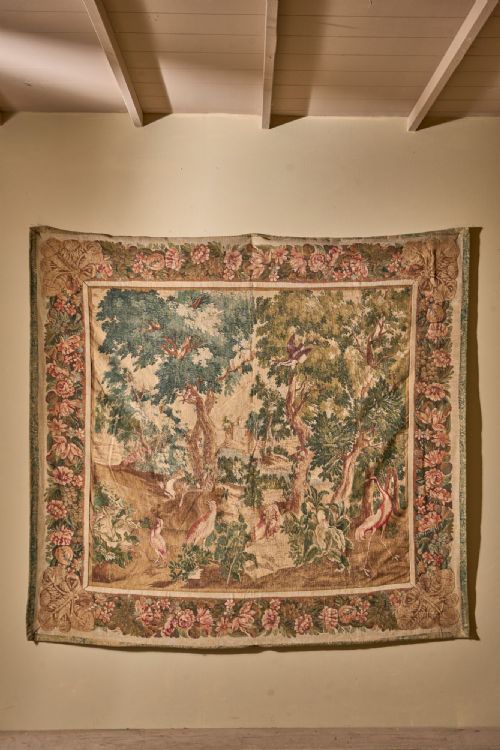
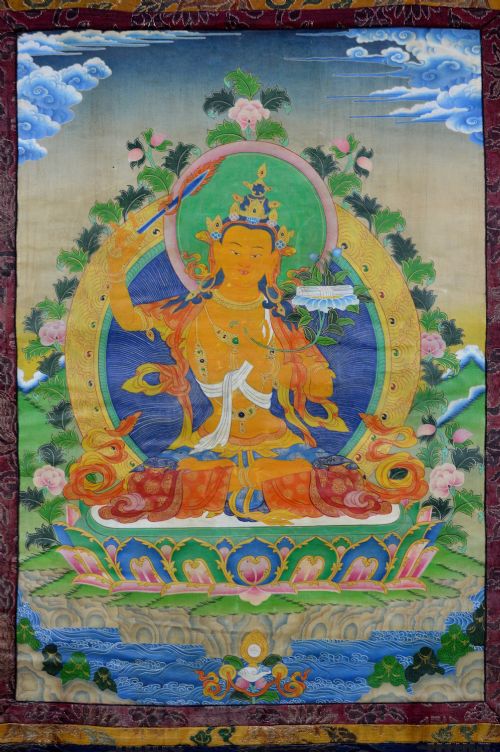
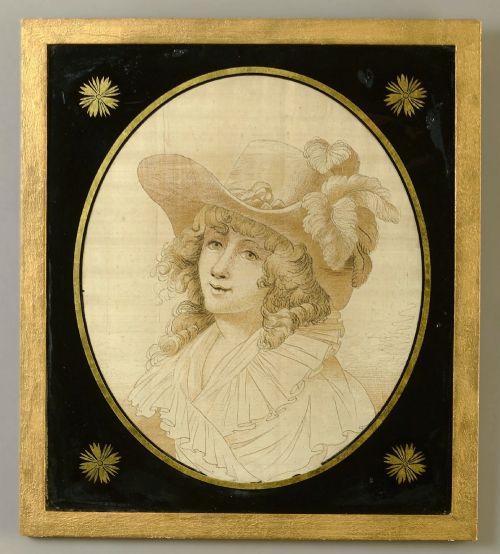
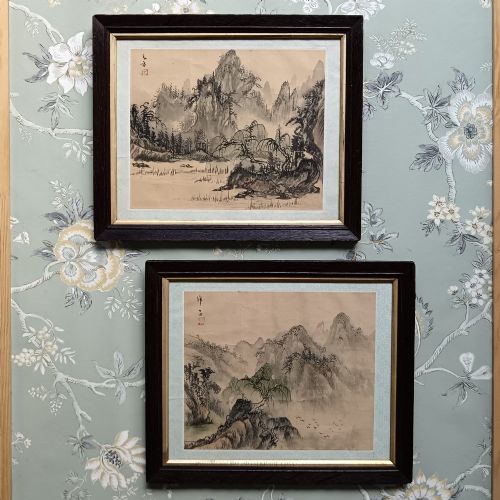
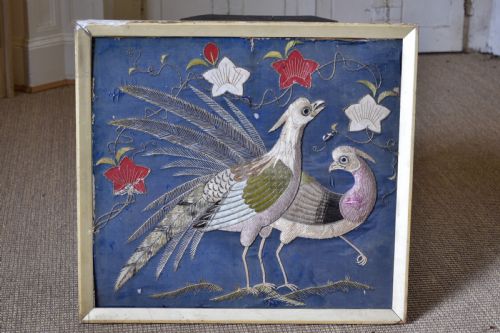
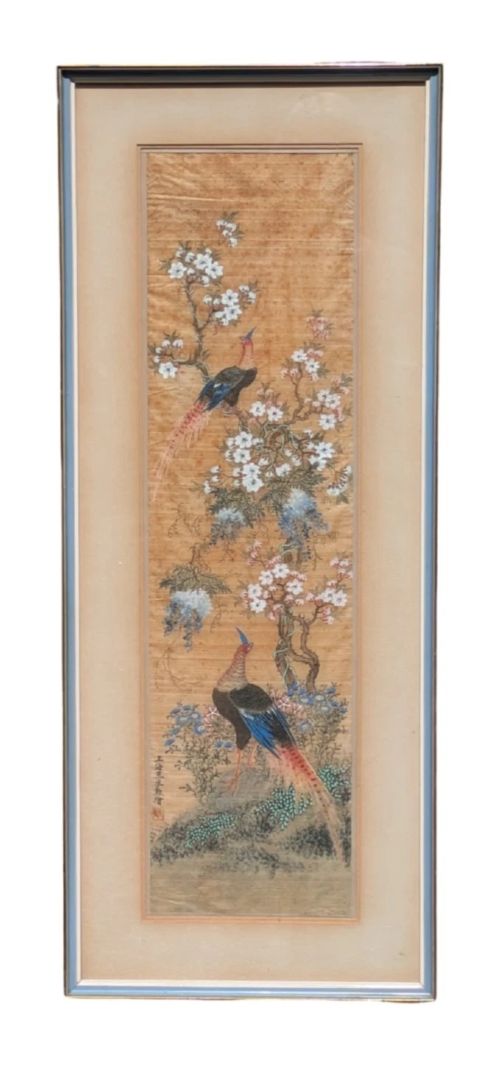
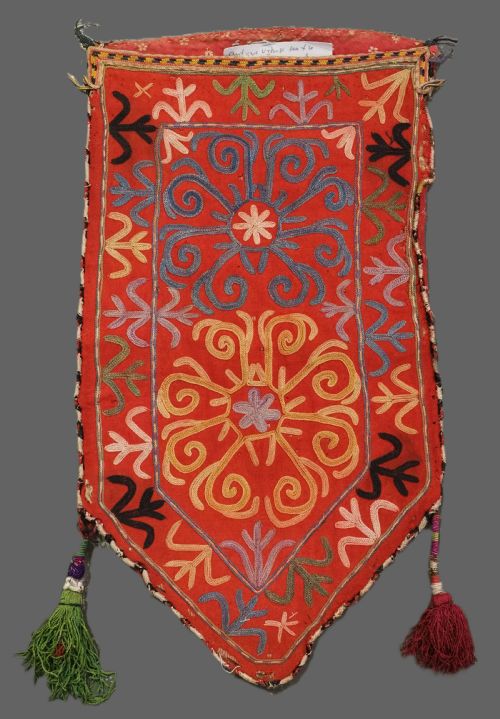
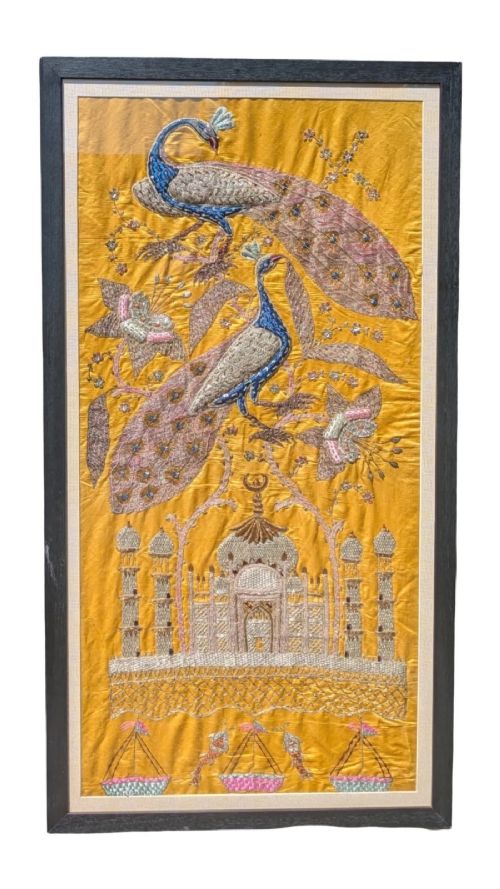
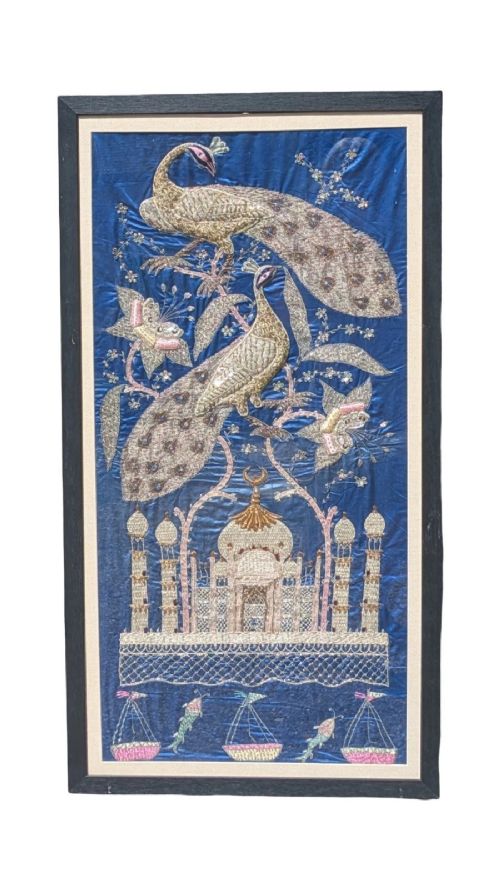
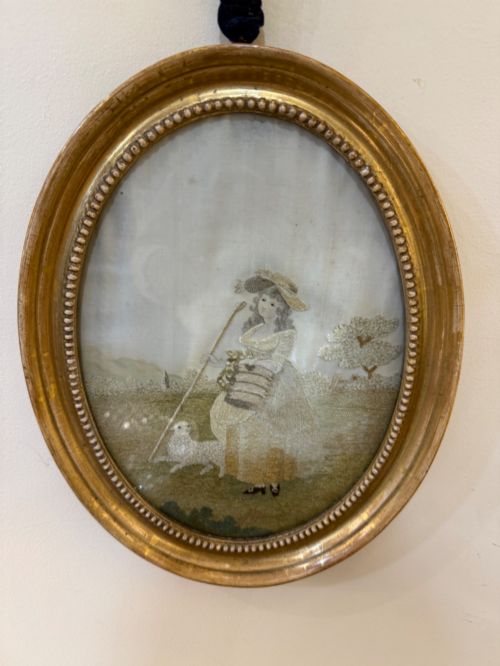
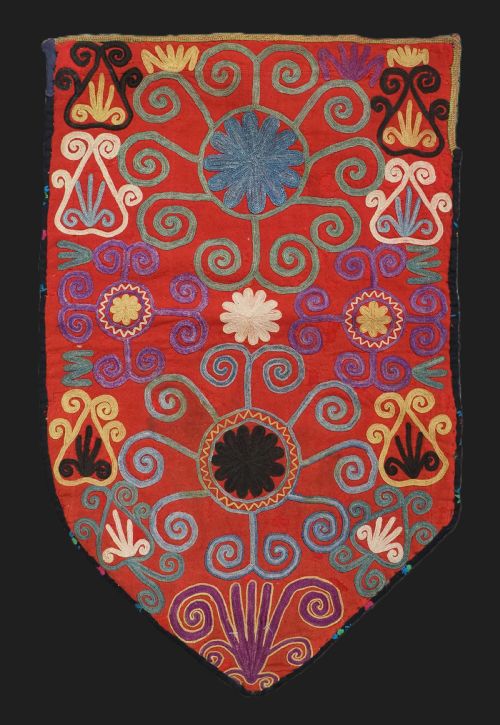
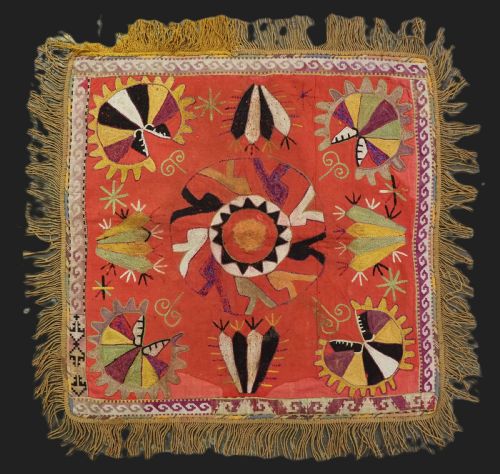
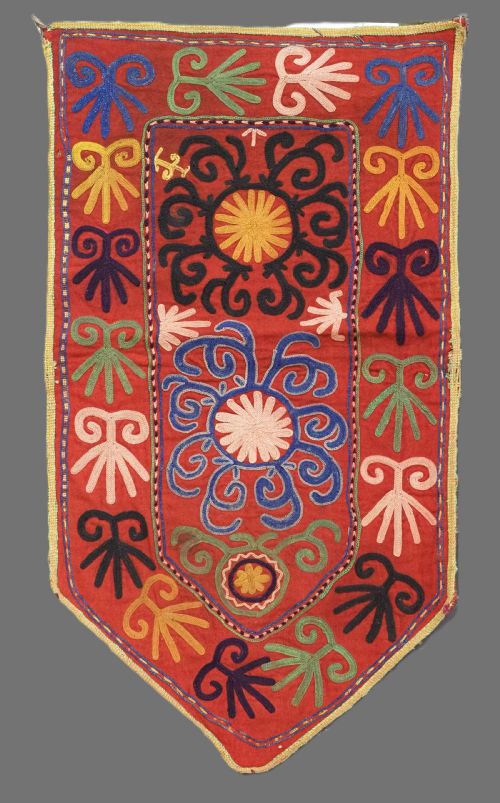
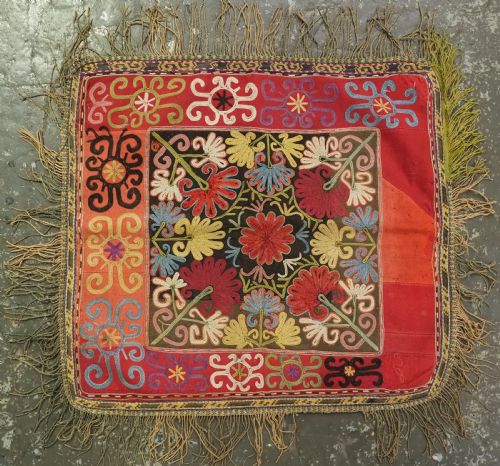
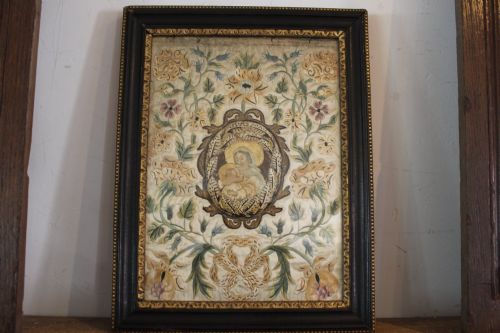
When searching for antique silk wall art, buyers encounter a diverse selection of textile pieces designed for display, ranging from European needlework and tapestries to Central Asian tribal embroideries and Chinese paintings on silk. The most common versions met on this page include nineteenth-century Chinese embroidered panels, Central Asian Suzanis and Uzbek dowry items, alongside eighteenth-century portraits and English samplers.
These objects cross multiple periods, from sixteenth-century Flemish panels and seventeenth-century Stuart stumpwork through Georgian, Regency and Victorian eras up to early twentieth-century scrolls and watercolours. The formats vary from large hanging wall tapestries and framed textile art to hand-painted silk pictures and rank badges preserved under glass.
How they were made
The construction relies on silk threads, floss and woven textiles combined with supporting materials like cotton, wool, linen and paper, often housed within wood and glass frames. Artisans utilised intricate hand-sewing, embroidery and painting techniques, frequently incorporating metallic thread for highlighted details.
Many works combine structural elements such as wool and cotton foundations overlaid with detailed silk needlework, while others utilise paper scrolls and watercolours on silk or structured wooden frames with faux tortoiseshell or gilt finishes.
Current listings feature diverse global origins, spanning Central Asian tribal workshops, Chinese dynastic traditions, and European periods from the sixteenth to the twentieth century.
What varies in quality
Quality in these textile works rests on the intricacy and precision of the needlework, painting or weaving, distinguishing finely rendered detail from simpler execution. The survival and vibrancy of the original silk threads and metallic highlights heavily influence the visual impact of each piece.
The integrity of the original framing, preservation under glass and the depth of cultural or historical provenance further separate standard examples from exceptional collectors' pieces.
The Antique Silk Wall Art Glossary
- Suzani
- A type of embroidered and decorative tribal textile made in Tajikistan, Uzbekistan and other parts of Central Asia. These large hanging pieces often feature bold floral and geometric motifs.
- Stumpwork
- A raised embroidery style popular in seventeenth-century England, particularly during the Stuart period. Figures and motifs are padded to create a three-dimensional effect on the textile surface.
- Tapestry
- A form of textile art woven on a vertical loom rather than embroidered, traditionally depicting figurative scenes or verdure landscapes. These heavy wall hangings often combine wool and silk elements.
- Rank badge
- A square embroidered patch worn by officials in imperial China to denote their social standing. These intricate silk panels were later framed as independent artworks.
- Sampler
- A piece of embroidery produced as a demonstration or test of skill, often working various stitches, alphabets and motifs. Georgian examples frequently incorporate fine silk threads and pastoral scenes.
Antique Silk Wall Art: Frequently Asked Questions
How do I hang heavy silk wall art?
Large tapestries and heavy textile panels require even weight distribution across a sturdy wooden batten or specialised hanging sleeves. This prevents localized strain on ancient silk fibres and structural backing materials.
Lighter framed pieces under glass can be mounted using standard picture wire fixed securely into wall studs, avoiding direct exposure to strong sunlight.
Can I clean antique silk embroidery?
Cleaning fragile historical silk requires professional conservation expertise rather than domestic methods. Surface dust can sometimes be gently removed using a very soft brush through a protective mesh.
Water and standard detergents cause immediate shrinkage, dye bleeding and structural disintegration in aged silk threads and painted panels.
How do I date a silk textile?
Dating relies on stylistic analysis of the motifs, the chemical composition of the dyes and the specific types of weave or stitchwork employed. Comparing the piece to documented examples from periods like the Georgian era or Qing Dynasty helps narrow the timeline.
Backing fabrics, framing styles and edge treatments also offer reliable physical clues regarding the century of creation.
Are these pieces meant for display?
The vast majority of these items were created specifically for visual impact, acting as status symbols, religious icons, or decorative wall furnishings in historical interiors. Dowry hangings and tribal embroideries served both ceremonial purposes and domestic display.
Framed pictures, scrolls and tapestries have long traditions of being mounted directly onto interior walls.