






Antique Silk Tapestry Picture
An antique silk tapestry picture brings historical stitchwork and delicate thread painting onto your wall, offering a glimpse into centuries of domestic art.
Antique Silk Tapestry Picture
An antique silk tapestry picture encompasses framed textile art, needlework pictures, and embroidered wall hangings originating predominantly from the seventeenth, eighteenth, and nineteenth centuries.
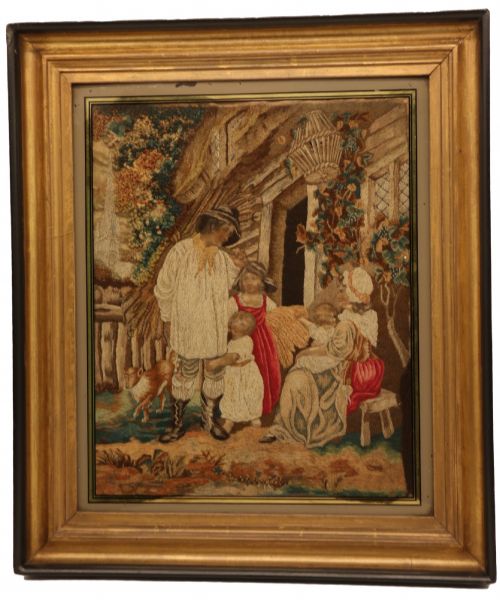
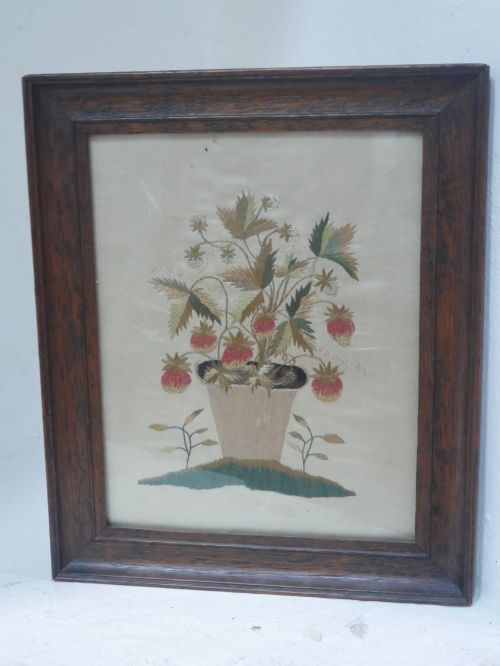
Buyers frequently encounter Georgian and Victorian examples, often depicting figures in gardens, botanical studies, or architectural scenes rendered in fine silk threads.
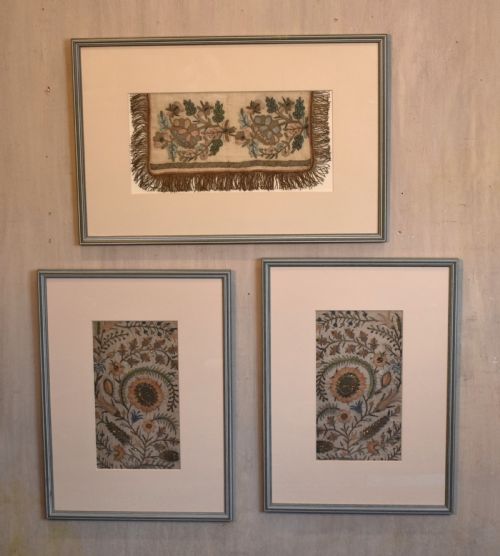
The selection ranges from early English needlework and Regency long stitch panels to Japanese silk textile art and detailed seventeenth-century Stuart stumpwork.
How they were made
Maker's hands combined silk, wool, and linen threads, frequently working upon a finely woven foundation fabric stretched within a wooden frame.
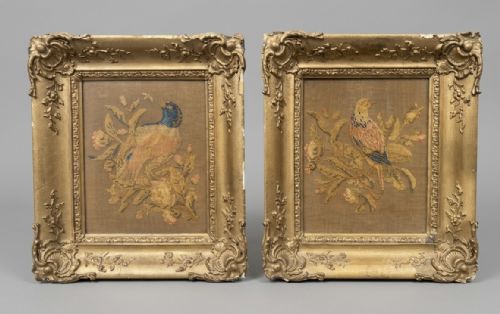
Finished panels typically found protection beneath glass within period giltwood or verre églomisé frames, preserving the delicate textiles from dust and handling.
Antique Silk Tapestry Picture Retail Price Guide 2026
Typical asking prices for silk tapestry picture among the pieces listed under this phrase on Sellingantiques today, from the lower quarter to the upper quarter. They describe what is for sale here now, not the wider market.
Listings feature works spanning the seventeenth, eighteenth, and nineteenth centuries, incorporating silk, wool, linen, and glass within period giltwood frames.
What varies in quality
The distinction between ordinary and exceptional works lies in the intricacy of the stitch technique, the complexity of the composition, and the preservation of the original fibres.
Superior examples demonstrate meticulous tension, sophisticated colour palettes that have resisted fading, and the inclusion of skilled hand-painted elements alongside the embroidery.
The framing also influences the piece, with original giltwood or verre églomisé surrounds elevating the historical integrity of the textile within.
The Antique Silk Tapestry Picture Glossary
- Verre Églomisé
- A process of applying gold or silver leaf to glass along with engraving and painting, often used for decorative borders on historical picture frames.
- Stumpwork
- A raised embroidery style popular in the seventeenth century where figures and motifs are padded or built over wooden moulds to create a three-dimensional effect.
- Sampler
- A piece of needlework produced by a maker to demonstrate proficiency in various stitches, frequently including alphabets, names, and dates.
- Long Stitch
- An embroidery technique using parallel or overlapping stitches of varying lengths to cover the canvas and create smooth pictorial surfaces.
- Crewel Work
- Embroidery executed using fine wool threads on a linen twill foundation, producing textured designs often seen in earlier historical textile pieces.
Antique Silk Tapestry Picture: Frequently Asked Questions
How do I hang a silk picture?
Keep textile artworks away from direct sunlight to prevent the silk threads from fading or becoming brittle over time. Mount them securely on interior walls where humidity and temperature remain stable.
Ensure the frame rests firmly on suitable wall fixings rather than relying on old, fragile hanging wire attached to the reverse.
Are these works English or foreign?
The pieces originate from various regions, with a strong representation of English craftsmanship spanning the seventeenth to the nineteenth centuries. You will also find examples from Italy and Japan.
Examining the subject matter, framing style, and recording details often helps identify the probable geographic origin of the textile.
How do I date a needlework picture?
Dating relies on stylistic clues within the clothing of depicted figures, the framing materials, and any inscribed dates or names left by the maker. Samplers frequently record the exact year and age of the maker.
Comparing the stitching techniques, such as seventeenth-century stumpwork versus nineteenth-century long stitch, further clarifies the period of manufacture.
Can I clean an antique silk panel?
Historical silk textiles are exceptionally fragile and sensitive to moisture, meaning standard cleaning methods will cause irreversible damage. Dust should be gently brushed away from the glass surface only.
If the interior textile requires conservation or cleaning, consult a professional textile conservator rather than attempting intervention at home.