


Antique Silhouette Picture
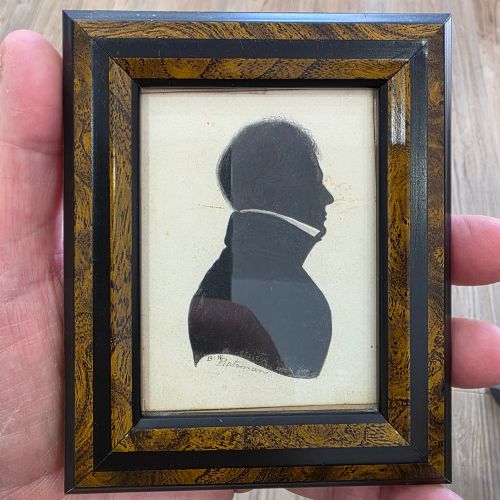
An antique silhouette picture captures a profile in ink, cut paper or pigment, offering an intimate glimpse into historical likenesses.
Antique Silhouette Picture
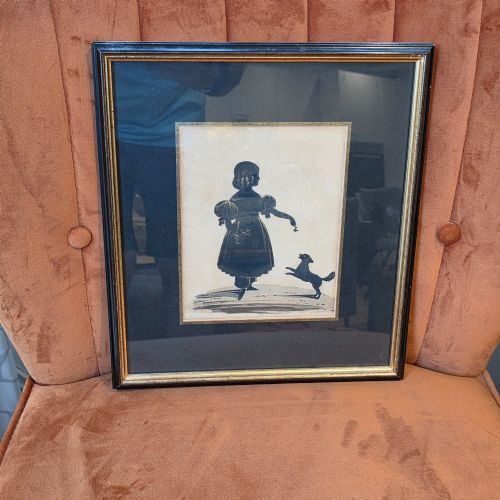
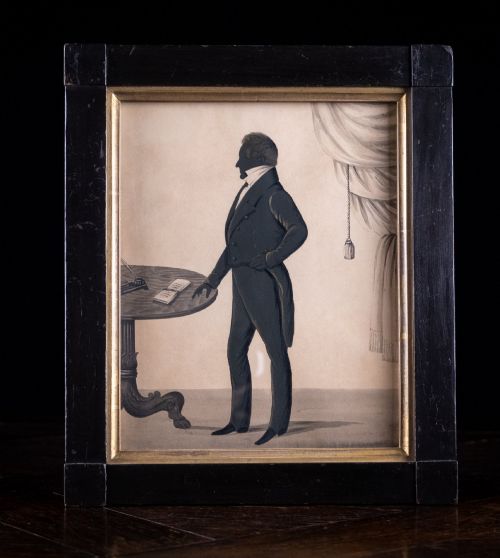
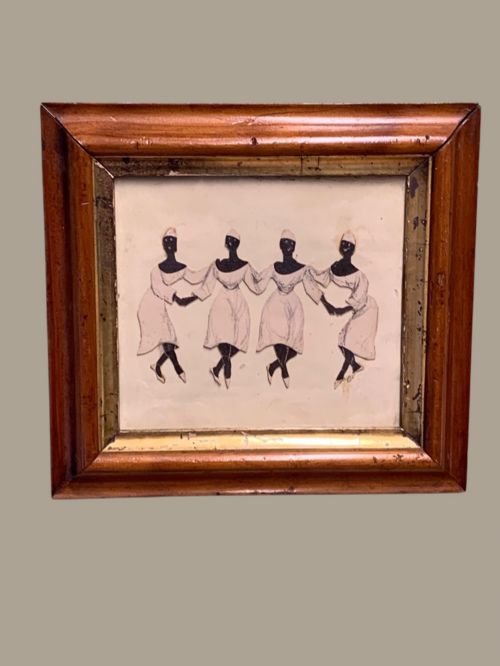
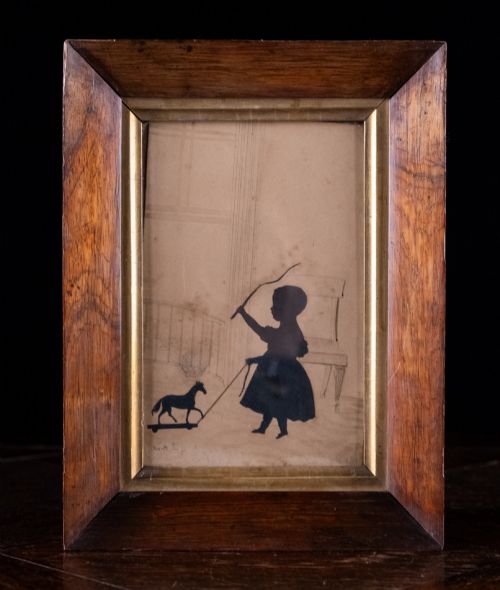
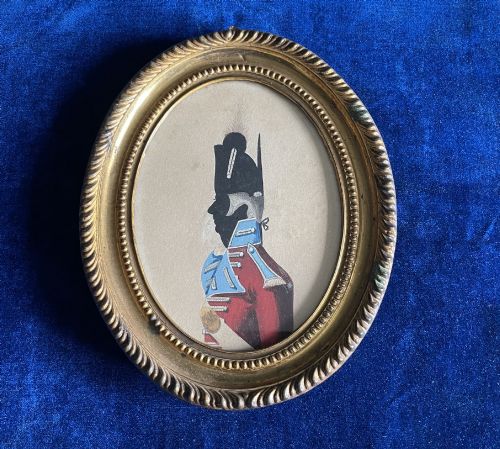
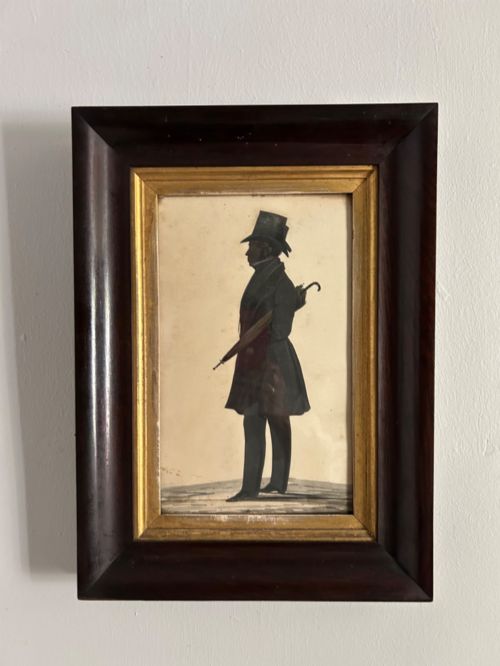
An antique silhouette picture presents a profile likeness, ranging from simple cut paper portraits to complex conversation pieces featuring multiple figures and animals. When exploring an antique silhouette picture, the visitor encounters works predominantly spanning the eighteenth and nineteenth centuries, including Regency and Victorian examples.
Originating as affordable alternatives to painted miniatures, these pieces vary from delicate hollow-cut paper works to detailed painted profiles on glass. Collectors find both signed professional works and anonymous family pieces representing diverse social strata.
Materials and techniques
Maker's workshops employed specialised techniques, frequently cutting black paper freehand or utilising hollow-cut methods where the silhouette forms the negative space against a contrasting background. Artists also painted profiles directly onto glass, reversing the image to achieve depth, or applied delicate gold leaf embellishments to highlight costume details.
Framing materials played a crucial role in presentation and survival, with dark ebonised wood, rosewood, maple and papier-mache providing strong visual contrast. Brass mounts and gilt details further enhanced the appearance of portraits produced during the Regency and Victorian periods.
Listings feature paper, glass, wood, brass, and gold leaf alongside ebonised wood and papier-mache.
Markers of distinction
Quality rests heavily on the crispness of the cutting, the precision of the painted brushwork and the subtlety of added highlights such as bronze or gold leaf. Superior examples demonstrate a lifelike capture of posture and expression within the strict confines of a profile.
The presence of contemporary framing, original glass, and legible signature or studio stamps elevates a piece. Documentation regarding the sitter, particularly when linked to known galleries or notable artists, distinguishes standard vernacular works from exceptional collector pieces.
William James Hubard·Augustin Edouart·John Miers·J. Deacon
The Antique Silhouette Picture Glossary
- Hollow-cut
- A silhouette technique where the profile is cut out from a sheet of paper, which is then laid over a dark background fabric or paper to reveal the image.
- Reverse painting on glass
- An artistic method where the silhouette and details are painted directly onto the reverse side of the glass, viewed from the front for a glossy finish.
- Conversation piece
- An informal group portrait, often showing family members or associates engaged in a common activity within a domestic or landscape setting.
- Ebonised wood
- Timber treated with a finish to imitate expensive ebony, commonly used for the dark, slender frames surrounding profile portraits.
- Bronze-shade
- A technique adding metallic powder or gold leaf to highlight clothing, hair or jewellery on a black paper or painted silhouette.
Antique Silhouette Picture: Frequently Asked Questions
How do I date an antique silhouette picture?
Dating relies on costume details, hair styles, framing materials and any inscribed dates or studio stamps on the reverse. Regency and Victorian fashions provide clear chronological markers for profile portraits.
Techniques also evolved from simple hollow-cuts and ink works towards elaborate painted glass and collage compositions as the nineteenth century progressed.
Were silhouettes always portraits of individuals?
While single profile portraits of gentlemen and ladies are most common, makers also produced conversation pieces and narrative scenes. These larger works feature multiple people, children, animals and domestic objects.
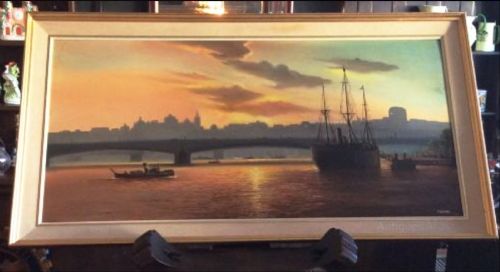
Subject matter occasionally extends to landscapes, marine seascapes, botanical studies and literary illustrations executed in cut paper or print formats.
How should I display silhouettes at home?
Silhouettes look best hung in groups on neutral walls where their dark profiles command attention. Avoid placing them in direct sunlight to protect fragile paper, watercolours and backing materials from fading.
Original frames with convex glass require gentle dusting with a dry cloth and should be kept away from areas of high humidity.