
Antique Side Cabinet Shelf
These antique side cabinet shelf pieces combine display space and concealed storage, bringing period character and practical utility to any room.
Antique Side Cabinet Shelf
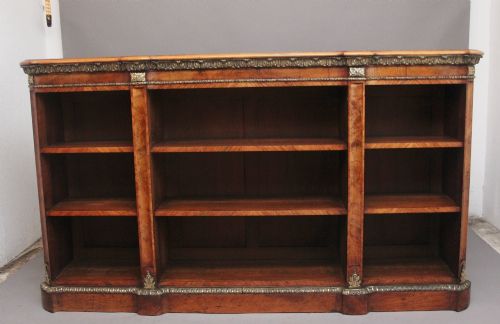
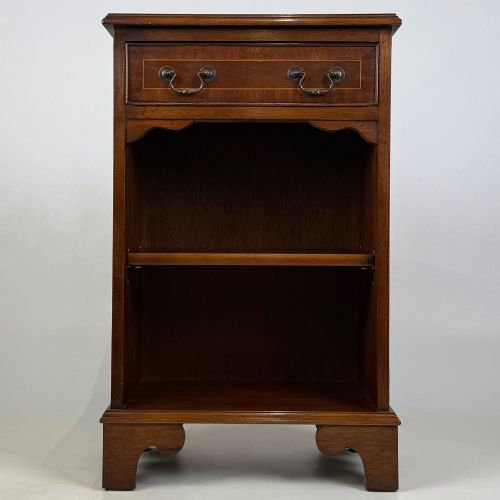
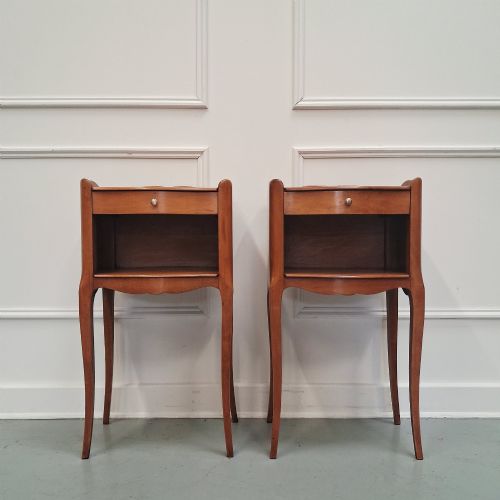
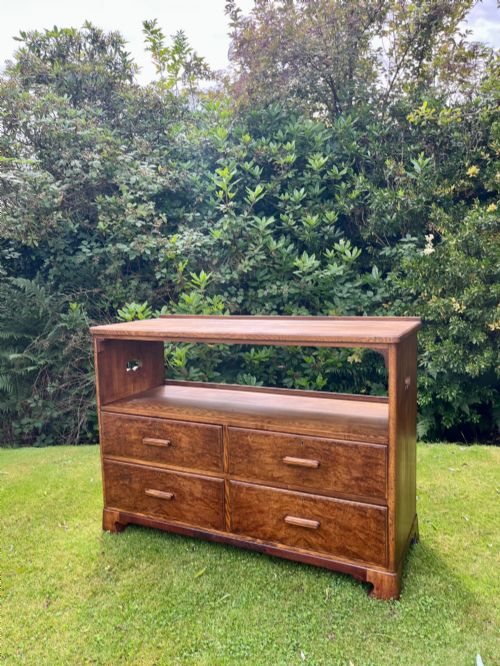
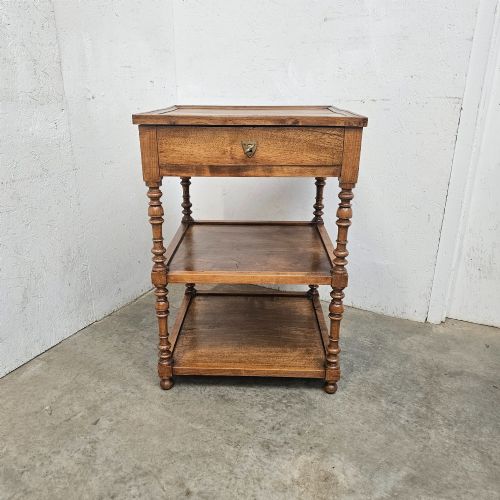
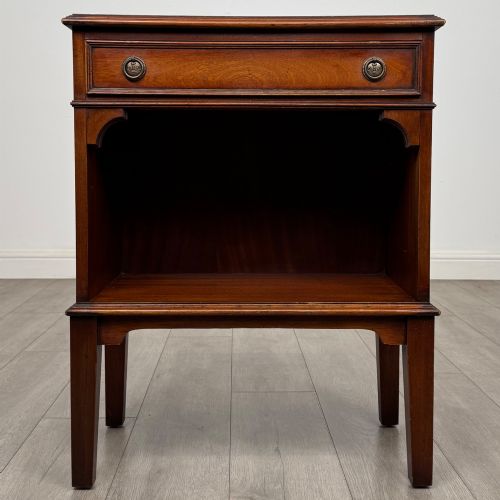
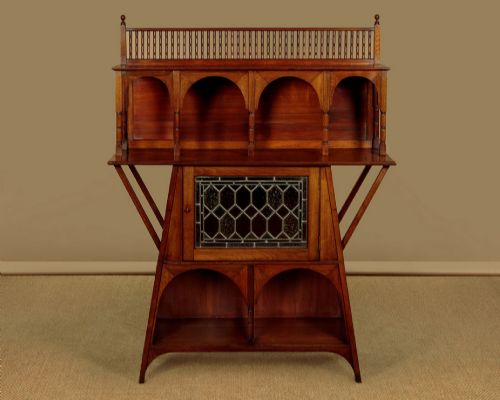
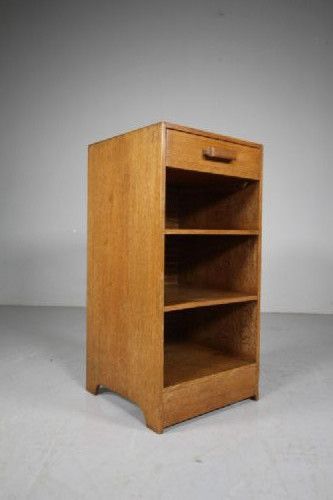
When you search for an antique side cabinet shelf, you encounter a diverse group of compact storage furniture spanning several centuries. The selection includes chiffoniers, credenzas, open bookcases, etageres, and bedside cabinets alongside dedicated wall shelves.
Victorian and nineteenth-century examples dominate the offerings, appearing frequently alongside Georgian, Regency, Edwardian, and nineteen-thirties pieces. These items served various domestic functions, from holding books and displaying porcelain to storing household items.
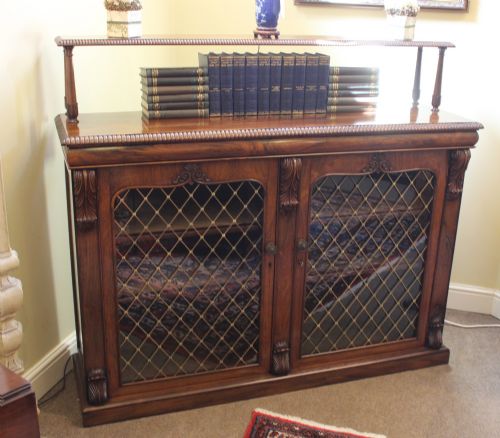
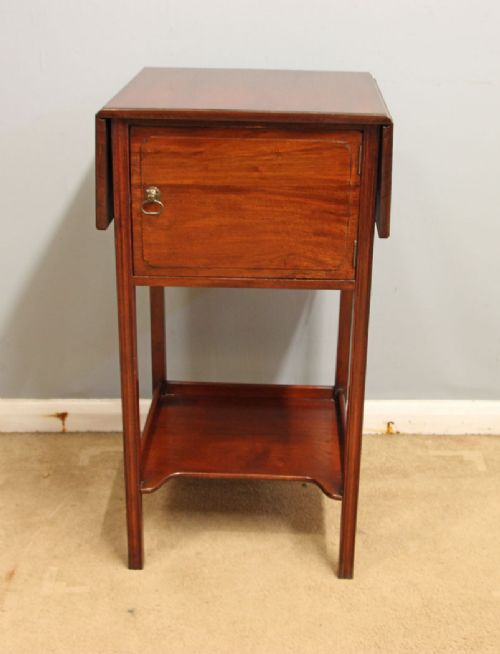
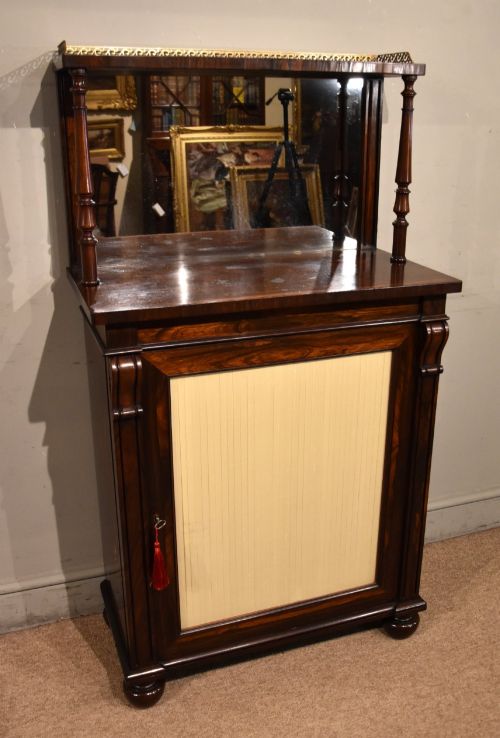
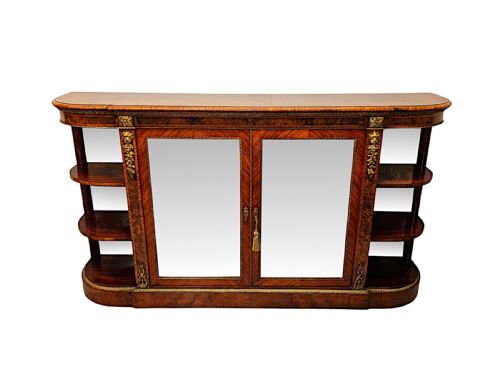
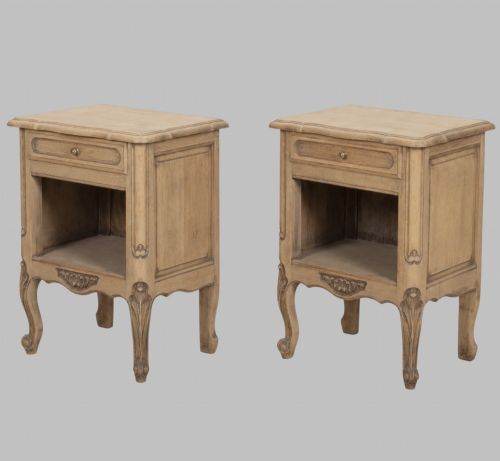
The forms range from simple oak cupboards and mahogany bedside tables to elaborate rosewood and burr walnut credenzas mounted in ormolu. Buyers find both British craftsmanship and French regional designs represented across the inventory.
Materials and construction methods
Cabinet makers utilised a rich palette of timbers, relying heavily on mahogany, walnut, rosewood, and oak for structural integrity and visual depth. Burr walnut and satinwood veneers added decorative grain patterns to drawer fronts and door panels.
Metal mounts in brass and ormolu often accent the timber carcasses, while glass panels appear in bookcase doors and display sections. Intricate marquetry and inlaid banding demonstrate detailed surface ornamentation across various styles.
Listings feature woods including mahogany, burr walnut, rosewood, and oak across styles from Georgian to the nineteen-thirties.
Measures of craftsmanship and distinction
The grade of a piece rests upon the selection of timber veneers and the precision of the joinery. Figured grains like burr walnut and rosewood show careful matching by the cabinet maker.
Ornate additions such as hand-chased ormolu mounts, delicate satinwood inlay, and branded maker signatures elevate standard storage items into exceptional decorative arts.
Johnstone and Jeanes·Whytock and Reid·Gillows·Liberty and Co·Pauly et Cie
The Antique Side Cabinet Shelf Glossary
- Chiffonier
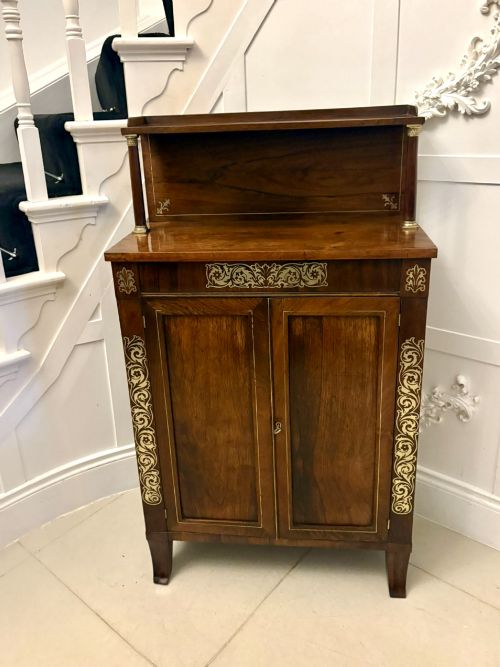
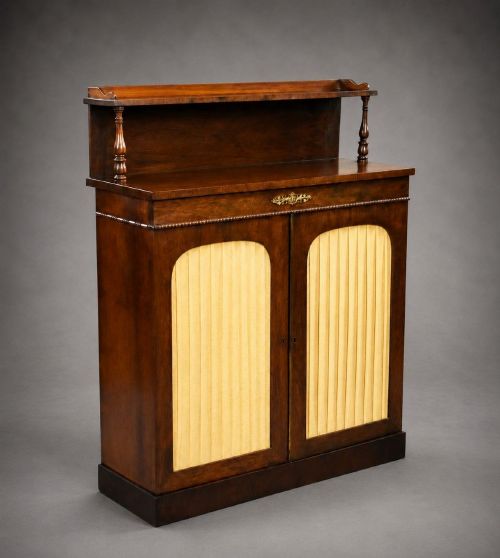
- A low sideboard or cabinet with a shelf standing on the back, typically featuring enclosed storage beneath. This form evolved during the nineteenth century to store books and tableware.
- Credenza
- A grand display cabinet, often featuring elaborate marquetry and ormolu mounts. These pieces frequently incorporate glazed doors to exhibit fine objects.
- Ormolu
- Gilded bronze applied as decorative mounts to furniture edges and panels. This technique adds metallic contrast to dark woods like mahogany and rosewood.
- Marquetry
- The art of applying pieces of veneer to a structure to form decorative patterns. Craftsmen utilised various exotic timbers to create floral or geometric designs.
- Etagere
- A piece of furniture consisting of a set of open shelves for displaying small objects. These open frameworks provide airy display space in principal rooms.
Antique Side Cabinet Shelf: Frequently Asked Questions
What is the difference between a chiffonier and a credenza?
A chiffonier is generally a smaller, practical piece featuring a low cupboard base with a raised shelf upon the top. It suits smaller living spaces for general storage.
A credenza is a larger, more formal display cabinet often embellished with elaborate marquetry and metal mounts. These were designed for reception rooms to display precious ceramics.
How do I distinguish Regency pieces from Victorian ones?
Regency items date from the early nineteenth century and typically display clean neoclassical lines, brass inlay, and restrained mahogany or rosewood surfaces.
Victorian pieces often exhibit heavier proportions, darker woods, extensive carving, and richer marquetry patterns reflecting later nineteenth-century tastes.
Where were these cabinets placed in a historic home?
Chiffoniers and side cabinets were traditionally positioned against dining room or parlour walls to hold serving dishes and books. Bedside versions stood next to sleeping quarters for nighttime essentials.
Open bookcases and etageres occupied libraries and drawing rooms to display bound volumes and decorative ornaments.
How should I care for antique veneered furniture?
Keep wooden cabinets away from direct sunlight and steady heat sources to prevent the delicate veneers from drying and cracking. Maintaining stable indoor humidity preserves the old timbers.
Apply traditional beeswax polish sparingly and buff with a soft cloth to nourish the wood without building up heavy residue.