


Antique Shop Showcase
An antique shop showcase presents retail history through glazed cabinetry designed to protect and display trade goods.
Antique Shop Showcase
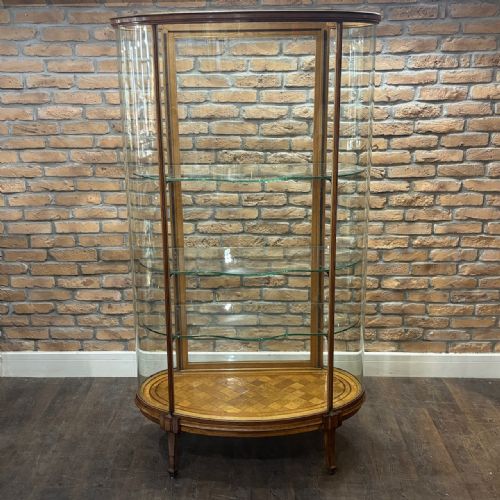
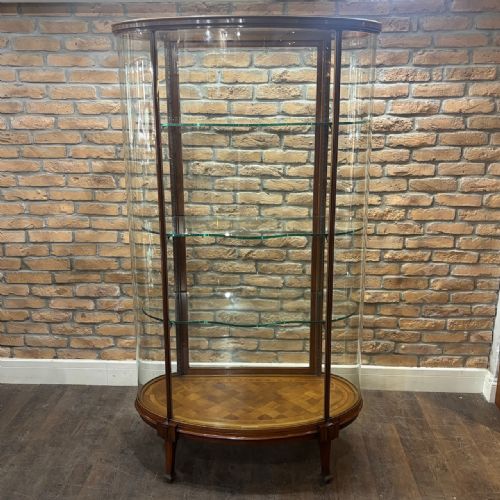
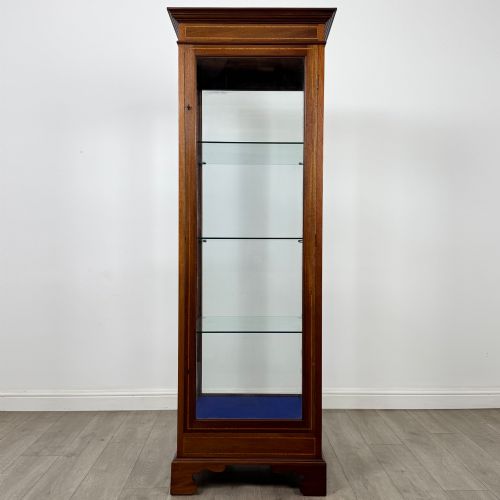
An antique shop showcase encompasses functional commercial furniture intended for merchandise presentation, spanning countertop cases to large floor-standing cabinetry. Buyers searching for an antique shop showcase will frequently encounter Edwardian and 1920s mahogany or oak units designed for general retail or specific confectioners.
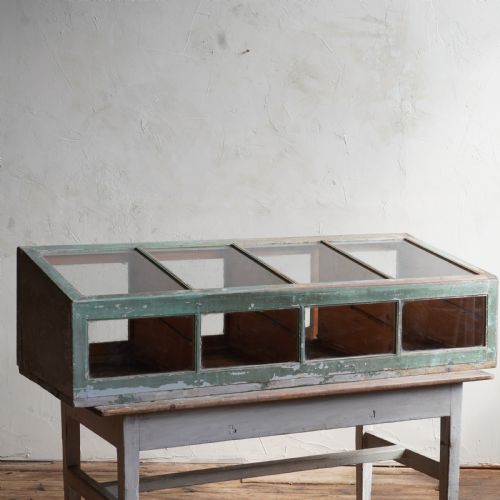
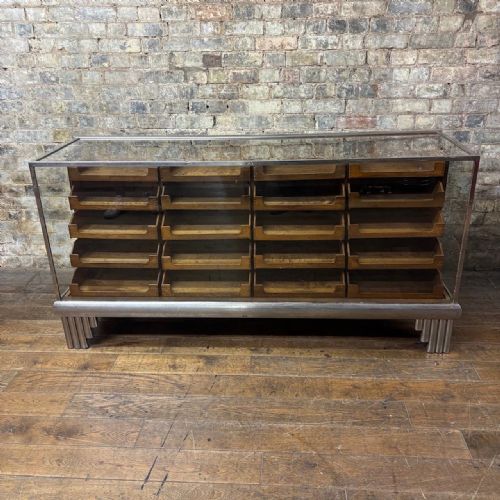
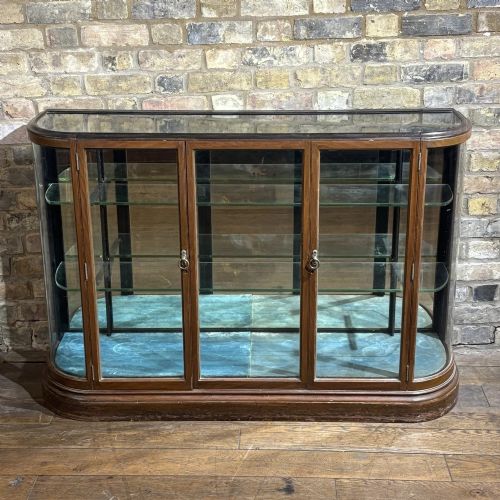
The selections include tall freestanding display cabinets, multi-tiered haberdashery counters, and smaller glazed tabletop or wall units. Many examples reflect commercial origins from makers such as F. Sage and Co or Dudley and Co, alongside branded sweet shop cabinets for manufacturers like Fry and Rowntree.
How they were made
Construction relies heavily on timbers such as mahogany and oak, frequently paired with extensive glass panels to maximise visibility of the contents. Heavier commercial pieces utilise sturdy wood frames, occasionally enhanced with brass, bronze, aluminium, or chrome hardware.
The documented periods span from the late 19th century through the 1930s.
What varies in quality
Distinction across the range arises from the integration of specialised maker signatures, such as stamped brass plaques from established shopfitters, and the sophistication of the timber framing. Substantial proportions, bow ends, and intact original mirrored or glazed elements elevate the construction above utilitarian workshop standards.
The refinement of original hardware, such as brass framing and smooth-sliding or hinged doors, dictates the calibre of the piece. Retained period lettering, whether hand-painted shop signage or original confectionery branding, alters the historical character of the showcase.
F. Sage and Co·Dudley and Co·Cadbury·Rowntree·Fry
The Antique Shop Showcase Glossary
- Haberdashery counter
- A long retail cabinet featuring numerous small drawers or glazed compartments intended for organising and displaying small sewing goods and accessories. These units provide extensive tabletop surface area alongside internal display depth.
- Vitrine
- A glass-sided display cabinet designed primarily for the preservation and viewing of delicate objects and merchandise. The term denotes a refined presentation case utilised in both domestic and commercial environments.
- Bow end
- A cabinet design featuring a curved, convex front glass panel and matching frame. This shaping softens the linear geometry of standard retail counters and expands the viewing angles.
- Ebonised wood
- Timber treated with a dark stain or finish to imitate ebony. This dark surface treatment provides a stark, formal contrast to the bright merchandise displayed within the case.
- Countertop display cabinet
- A smaller glazed case engineered to sit directly upon a shop counter to attract customer attention at the point of sale. These portable showcases bring goods to eye level for transactions.
Antique Shop Showcase: Frequently Asked Questions
What is an antique shop showcase?
An antique shop showcase is a glazed commercial cabinet or counter built to exhibit retail goods in 19th and early 20th-century shops. These pieces range from countertop cases to large freestanding units used by merchants.
They were engineered to protect merchandise while offering maximum visibility to customers browsing the shop interior. Many feature specialised adaptations for specific trades, including haberdashery and confectionery.
How were these cabinets used?
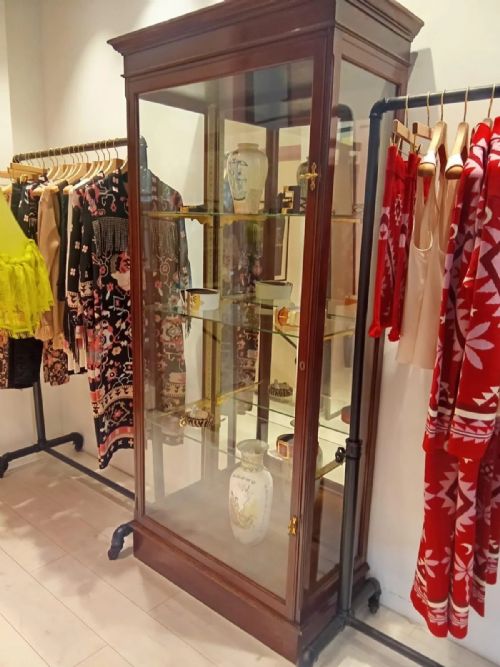
Merchants utilised these cabinets to store and present high-value items, textiles, and sweets securely on the retail floor. Countertop models placed goods directly in front of buyers during transactions.
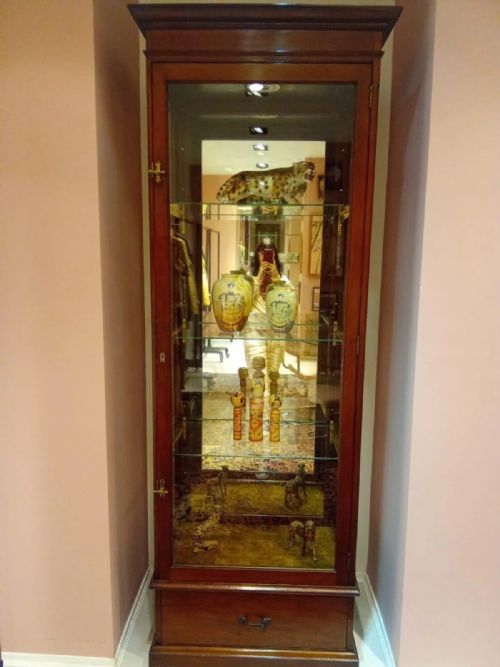
Larger freestanding towers and museum cases housed broader selections of stock away from customer handling. Mirrored interiors and adjustable glass shelves helped distribute light evenly across the displayed wares.
How do I date an antique showcase?
Dating relies on identifying the prevailing timber choices, hardware materials, and construction styles recorded in the piece. Edwardian and 1920s examples frequently combine mahogany frames with extensive plate glass and metal branding.
Victorian pieces often display heavier oak or walnut construction with simpler linear geometry. Maker plaques and manufacturer stamps provide definitive chronological markers for specific commercial workshops.
How do I live with a shop showcase?
Integrating a shop showcase into a modern interior involves utilising the internal shelving to display collections of ceramics, glassware, or books. The glazed panels and mirrored backs naturally brighten room spaces by reflecting ambient light.
Floor-standing units function well as principal focal points in living areas or studies, while smaller countertop models sit easily on sideboards. The sturdy timber frames pair naturally with both period and contemporary furniture.