



Antique Shiraz Carpet
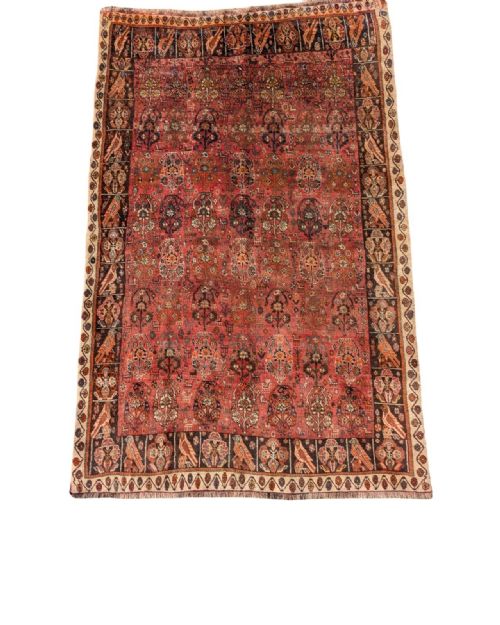
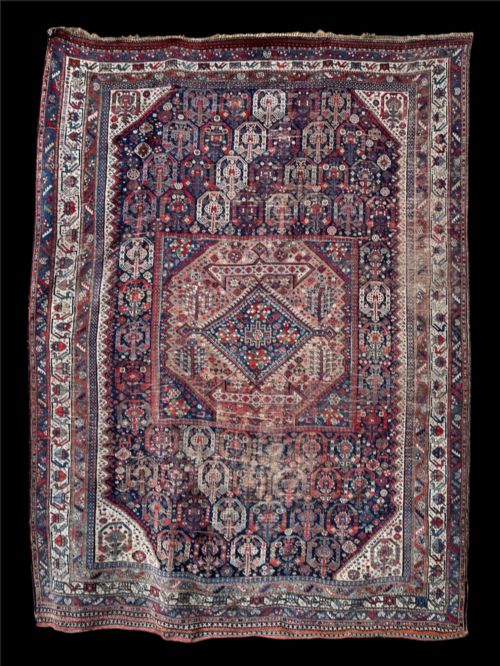
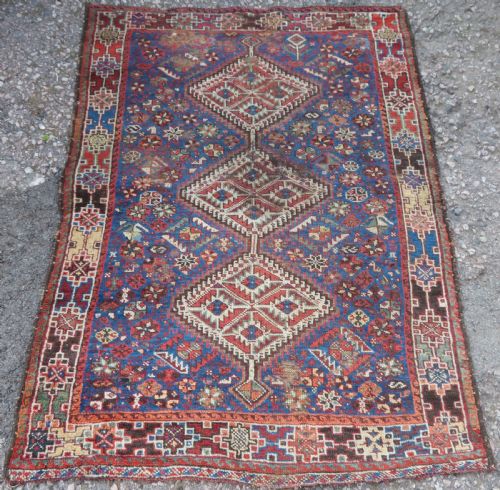
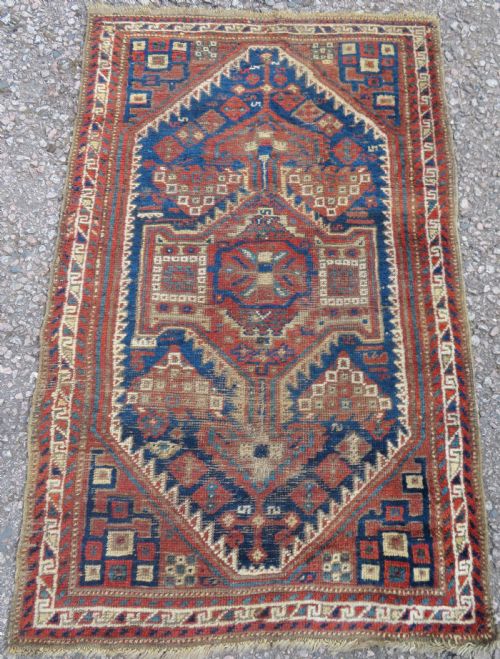
An antique shiraz carpet brings the rich visual heritage of South Persian nomadic weavers directly into your home.
Antique Shiraz Carpet
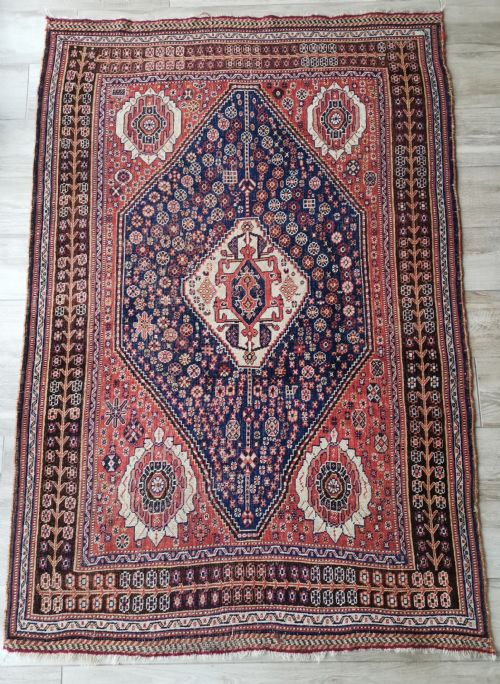
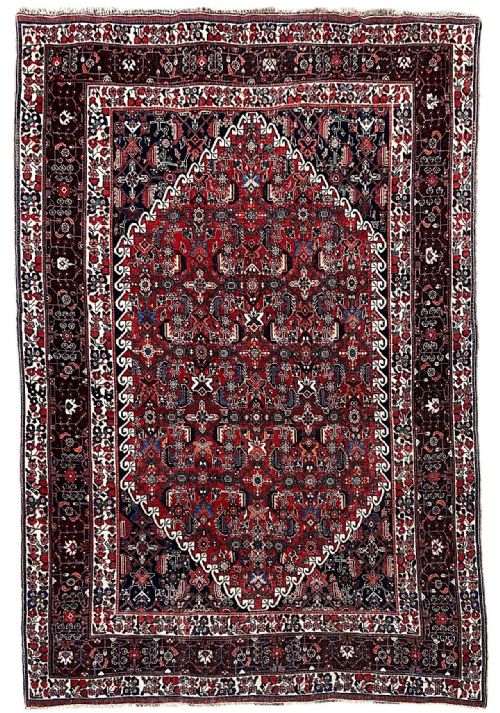
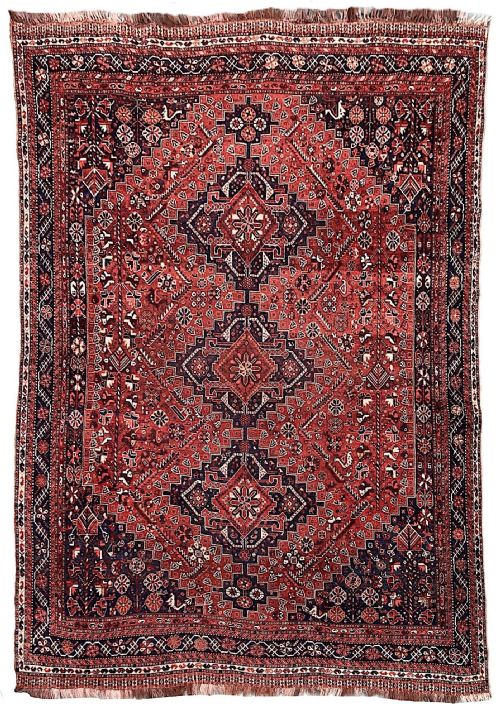
When searching for an antique shiraz carpet, collectors encounter South Persian tribal weaving traditions that encompass Qashqai, Khamseh, and Kashgai styles. These pieces range from compact village rugs to large main carpets featuring characteristic medallions and regional motifs.
The selection predominantly showcases work from the nineteenth and early twentieth centuries, spanning periods from the eighteen-eighties through the nineteen-thirties. Tribal groupings such as the Baharlu and Khamseh confederacies frequently share stylistic traits with Qashqai makers, creating a unified regional aesthetic.
Materials and construction
Weavers constructed these carpets using wool foundations and surface piles, often supported by cotton structural elements in later pieces. Natural dyes provided the deep palette that defines these tribal and nomadic textiles.
Hand-weaving techniques executed on portable or village horizontal looms ensured tight knotting and robust structures. The reliance on locally sourced wool and botanical or mineral colourants accounts for the resilience and depth found in the surviving examples.
Antique Shiraz Carpet Retail Price Guide 2026
Typical asking prices for shiraz carpet among the pieces listed under this phrase on Sellingantiques today, from the lower quarter to the upper quarter. They describe what is for sale here now, not the wider market.
Listings span production dates from the eighteen-eighties through the nineteen-thirties, documenting traditional wool, cotton, and natural dye usage.
Judging the weave
Knot density and structural integrity separate standard village production from superior tribal work. Pieces retaining full piles and crisp geometric precision command greater attention than heavily worn alternatives.
The vibrancy and complexity of the natural dye palette also dictate overall standing. Rich saturation and balanced secondary motifs elevate individual rugs above simpler regional outputs.
The Antique Shiraz Carpet Glossary
- Medallion
- A central ornamental motif dominating the field of the carpet. These designs often incorporate geometric or floral elements characteristic of South Persian nomadic weaving.
- Kashkuli
- A finer grade of Qashqai weaving traditionally associated with tribal khans or leaders. These pieces typically display superior wool quality and tighter knot counts.
- Main carpet
- A large format floor covering intended for principal rooms rather than smaller tent spaces. They usually measure significantly longer and wider than standard tribal rugs.
- Baharlu
- A sub-tribe belonging to the Khamseh confederacy of South West Persia. Their textile output shares close visual links with neighbouring nomadic groups.
Antique Shiraz Carpet: Frequently Asked Questions
How do I care for my rug?
Vacuum gently without a rotating brush head to protect the old wool pile.
Keep the textile out of direct sunlight to prevent natural dye fading over time.
Are these carpets suitable for heavy traffic?
Traditional wool and cotton construction provides strong durability for daily domestic use.
Heavily distressed or finely knotted antique examples require more careful placement in low-traffic areas.
Where were these textiles made?
Nomadic and village tribes produced these pieces across South West Persia and the Shiraz region.
Weavers travelled seasonal migration routes or settled in local villages while maintaining traditional patterns.
How do I identify a Qashqai weave?
Look for distinctive repeating geometric medallions, peacock motifs, and rich blue or red colour fields.
The inclusion of specific tribal signatures helps separate them from other regional Persian groups.