







Antique Ship in Glass
An antique ship in glass brings maritime history indoors, combining delicate craftsmanship with the romance of the open sea.
Antique Ship in Glass
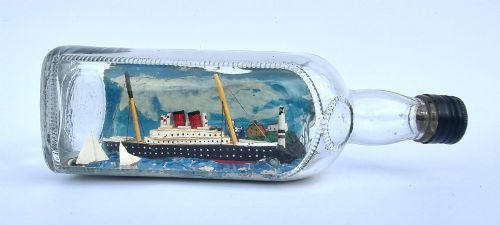
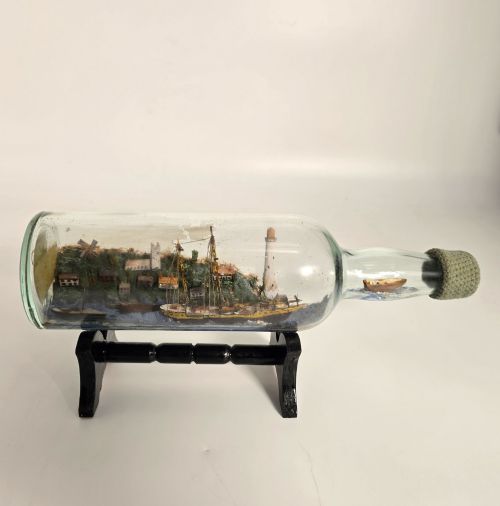
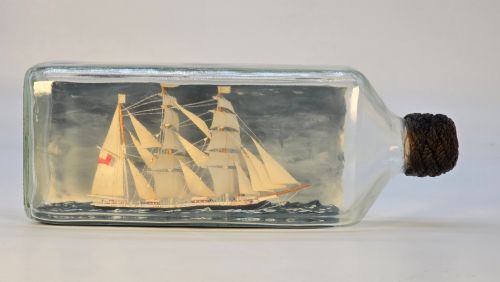
An antique ship in glass encompasses intricate folk art dioramas housed inside bottles, cased ship models protected by glass, and practical objects associated with seafaring vessels. When searching for an antique ship in glass, collectors frequently encounter nineteenth-century bottle dioramas, cased sailing ship models, and specialised glassware bearing maritime engravings.
The objects span multiple periods, with nineteenth-century Victorian pieces and early twentieth-century examples appearing alongside Georgian decanters and barometers. Maritime folk art dominates the selection, reflecting the deep connection between naval trades and domestic decorative arts during these eras.
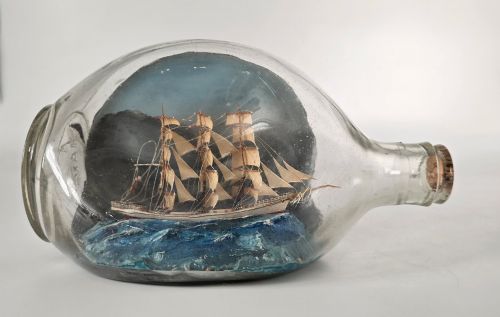
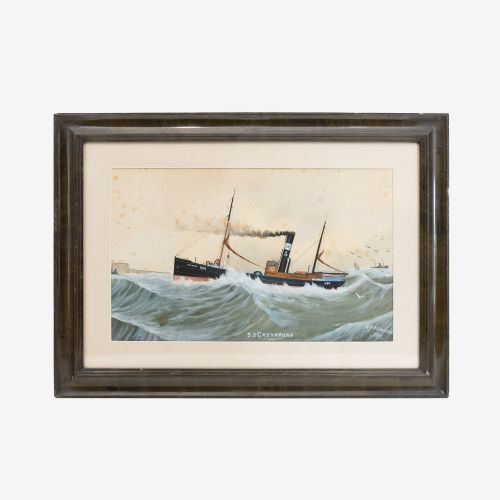
Forms range from miniature three-masted vessels carefully constructed within glass vessels to cased clipper models and framed shipping scenes. Each piece demonstrates the ingenuity required to assemble complex rigging and hulls through narrow bottle necks or display them safely within glass enclosures.
Materials and technique
Glass forms the primary protective medium, whether blown into decanters, shaped into display cases, or worked into the traditional bottles used for dioramas. Wood provides the structural hulls and masts of the miniature ships, paired with thread for rigging and paint or gouache to supply coastal backgrounds.
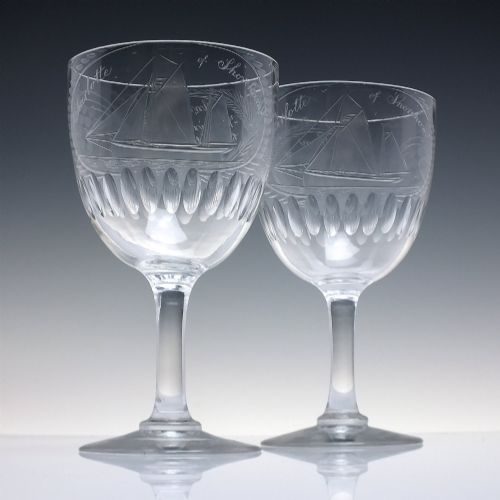
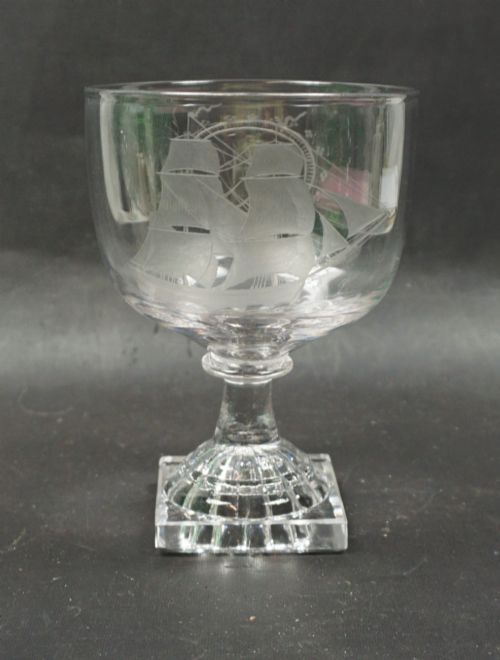
Makers utilised brass fittings, silver plate, copper, and pewter for hardware on barometers, inkwells, and lighting fixtures associated with naval life. Crystal and glass are shaped into heavy-bottomed decanters and rummers, sometimes decorated with wheel engraving to depict specific vessels and bridges.
Antique Ship in Glass Retail Price Guide 2026
Typical asking prices for ship in glass among the pieces listed under this phrase on Sellingantiques today, from the lower quarter to the upper quarter. They describe what is for sale here now, not the wider market.
Listings feature 19th Century, Victorian, Georgian, and 1920 periods alongside materials such as glass, wood, brass, and thread.
What separates the finest examples
The standard of execution in rigging and hull construction dictates the quality of a bottle diorama or cased model. Finer pieces demonstrate precise scale and neat knots, whereas simpler folk art versions rely on charm rather than strict accuracy.
The clarity and age of the glass housing also influence the character of the piece, alongside the preservation of original painted backgrounds and thread work. Engraved glassware relies on the depth and crispness of the wheel-cut maritime motifs.
PH Vogel·Alexander Harwood·Bate of London
The Antique Ship in Glass Glossary
- Diorama
- A three-dimensional scene depicting ships at sea, enclosed within a glass case or bottle. These displays often incorporate painted backdrops and plaster waves to simulate movement.
- Rummer
- A large, heavy drinking glass popular during the Georgian and nineteenth centuries. They are frequently engraved with sailing ships, bridges, and initials.
- Decanter
- A vessel designed to hold wine or spirits, with ship's decanters featuring a broad base to prevent tipping at sea. Regency and Victorian examples often utilise heavy crystal and cut glass.
- Barometer
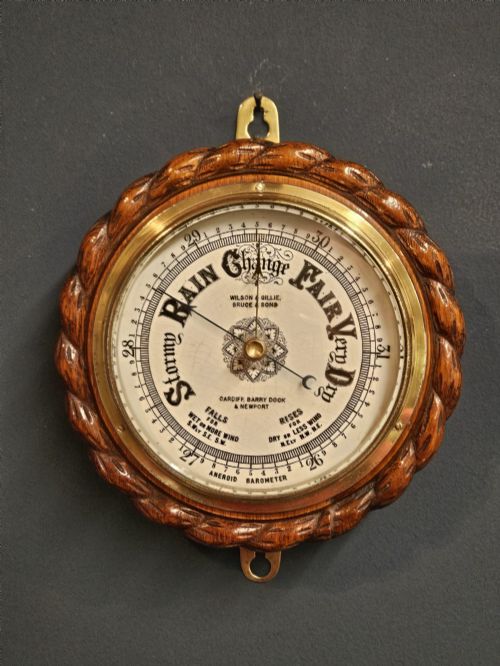
- An instrument used to measure atmospheric pressure, often mounted in wood with marine applications. Victorian marine stick barometers are typical of the category.
Antique Ship in Glass: Frequently Asked Questions
How did sailors get ships into bottles?
Makers constructed the masts and rigging with hinged joints that folded flat against the hull. Once the assembly passed through the narrow bottle neck, strings attached to the masts pulled them upright.
Wax and putty concealed the base where the ship met the glass, and painted elements or sand added depth to the sea floor.
How do I clean a cased ship model?
Glass cases should be cleaned externally with standard glass cleaner applied to a cloth rather than sprayed directly. This prevents moisture from seeping inside the seals and damaging the delicate interior materials.
Dust within sealed cases is best left undisturbed to avoid snagging fragile thread rigging. Professional restoration is recommended for internal cleaning.
Are ship decanters safe to use?
Antique crystal and glass decanters can hold liquids, provided they lack internal cracks or lead leaching concerns. The wide base originally prevented rolling on ship tables during rough weather.
Hand washing with warm water and soft bottle brushes protects the old glass. Abrasive cleaners and dishwashers should be avoided entirely.
How can I date a ship diorama?
Dating relies on the style of the vessel, the construction materials, and the type of glass used for the bottle or case. Nineteenth-century examples often feature hand-blown glass with distinct pontil marks and traditional sailing riggings.
Written dates on the base or associated labels provide direct evidence, while the clothing and flags depicted offer further chronological clues.