


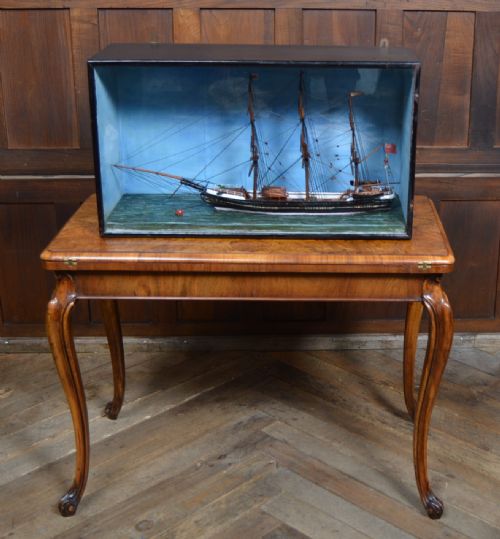
Nautical Scale Model Ship
A nautical scale model ship brings the intricate artistry of historic maritime craft straight into your study, offering a tangible connection to ocean-going heritage.
Nautical Scale Model Ship
A nautical scale model ship represents historical watercraft, ranging from wooden boats and sailing ketches to barques and schooners. These maritime objects capture the detailed architecture of vessels through carefully proportioned representations.
You are most likely to encounter Victorian and Edwardian examples on this page, dating across the nineteenth and early twentieth centuries. These period pieces encompass both full hulls and half hulls, alongside related marine hardware like anchor models.
The assortment includes scratch-built creations and cased clipper models that preserve the visual legacy of historical fleets. Such pieces reflect the enduring fascination with sailing ships and maritime engineering.
How they were made
Makers constructed these models primarily from wood, shaping hulls and decks with precision before adding intricate detailing. Paint provided surface protection and colour, while metal and brass components formed functional fittings and anchors.
Rigging required careful manual labour using cordage and thread to replicate the complex lines of real sailing vessels. Canvas served for sails, completing the authentic appearance of ships like the Scottish two-masted schooner or the racing yacht.
Nautical Scale Model Ship Retail Price Guide 2026
Typical asking prices for nautical scale model ship among the pieces listed under this phrase on Sellingantiques today, from the lower quarter to the upper quarter. They describe what is for sale here now, not the wider market.
Model makers occasionally included tiny anchor replicas alongside full ships to prove their metalworking patience.
What varies in quality
The fidelity of the scale proportions and the precision of the rigging separate simpler items from superior examples. Scratch-built models often demonstrate exceptional individual craftsmanship in the replication of deck fittings and structural elements.
The presence of a protective glass case enhances preservation and indicates a higher grade of presentation for pieces like cased clipper models. Material selection, from finely turned brass to aged wood, further distinguishes finer works.
Liverpool Ship Building Co.
The Nautical Scale Model Ship Glossary
- Half hull ship model
- A three-dimensional representation of one side of a ship's hull, traditionally used by shipbuilders to visualise vessel lines.
- Ketch
- A two-masted sailing boat where the smaller mizzenmast is stepped forward of the rudder post.
- Barque
- A sailing vessel with three or more masts having square sails on the foremast and mainmast, and gaff rigging on the rear mizzenmast.
- Clipper
- A very fast nineteenth-century merchant sailing ship with three masts and a square rig.
- Scratch built
- A model constructed entirely from raw materials and components rather than assembled from a commercial kit.
Nautical Scale Model Ship: Frequently Asked Questions
What is a nautical scale model ship?
A nautical scale model ship is a miniature representation of a historical watercraft, constructed to accurate proportions using traditional materials like wood, brass, and canvas.
These pieces were created to document vessel designs, commemorate specific ships, or serve as decorative maritime objects.
How were these ship models displayed?
Many fine models were housed in dedicated glass cases to protect the delicate rigging, cordage, and painted wooden surfaces from dust and damage.
Others remained uncased as desk accessories or decorative objects placed directly on furniture surfaces.
How do I identify the period of a model?
Dating relies on stylistic clues, construction methods, and documentation associated with the specific vessel type, such as Edwardian barques or nineteenth-century hulls.
Examining the materials, including early brass components and period paints, helps confirm the era of origin.
How do I care for a wooden ship model?
Keep the model away from direct sunlight and fluctuating humidity to prevent the wood from warping and the canvas or thread from degrading.
Dust the piece gently with a soft brush, taking care not to catch or strain the delicate rigging lines.