



Antique Shell Tray
An antique shell tray unites the natural curves of marine forms with the disciplined craft of Georgian, Victorian, and Edwardian metalwork, porcelain, and timber.
Antique Shell Tray
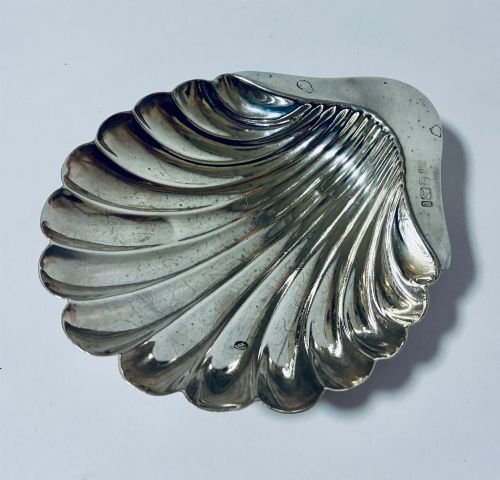
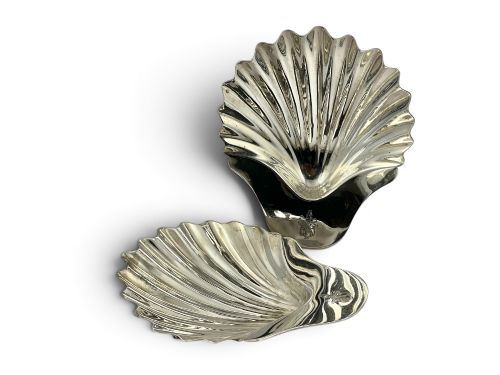
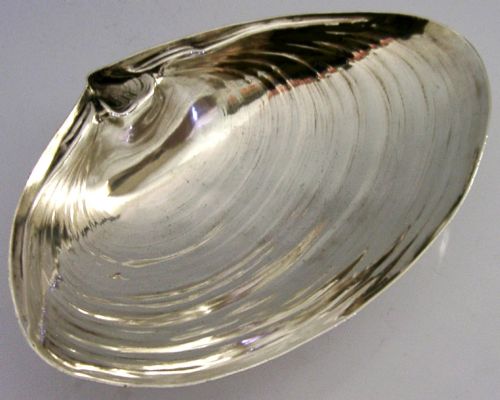
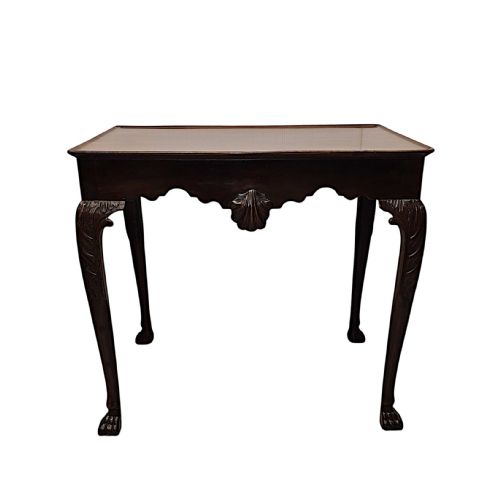
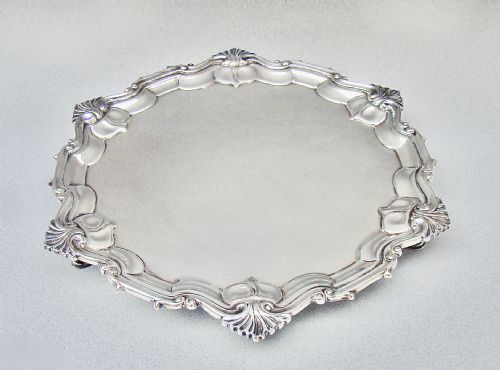
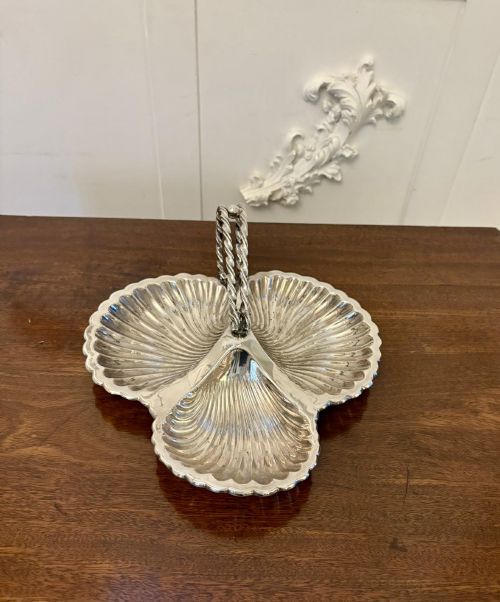
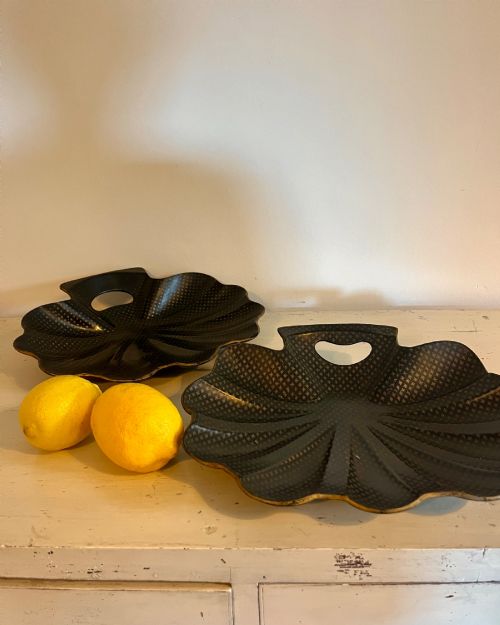
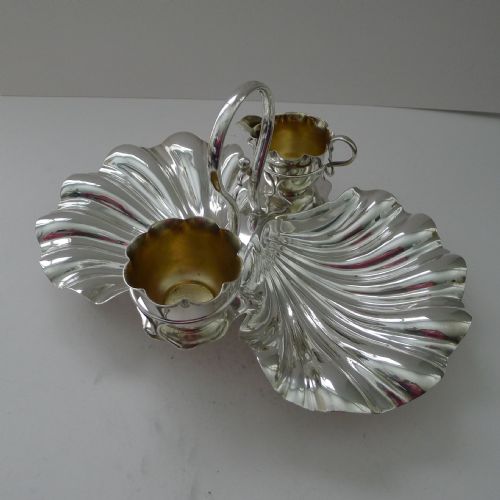
When you search for an antique shell tray, you encounter objects fashioned directly from tortoiseshell, shaped as marine scallops, or decorated with shell inlay and maritime motifs. These pieces span the eighteenth, nineteenth, and early twentieth centuries, appearing in forms ranging from silver dressing trays and porcelain pickle dishes to mahogany serving platters.
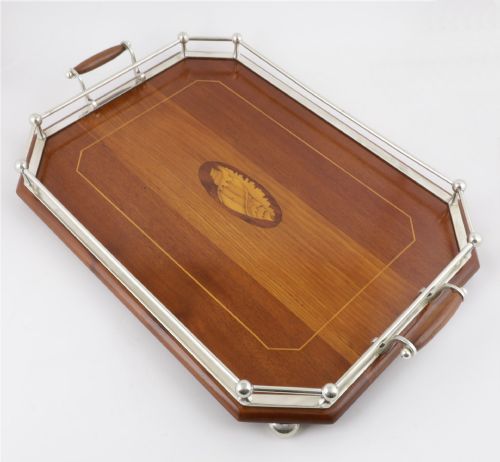
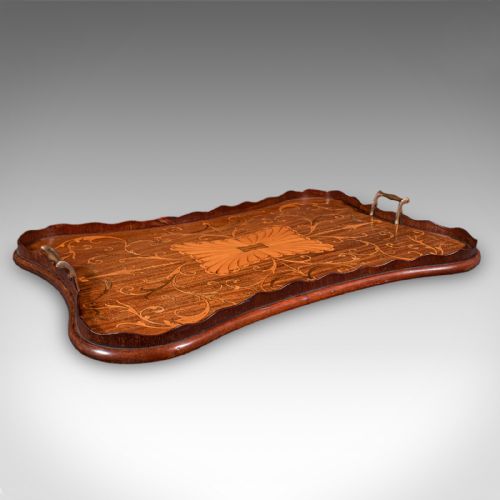
The most common versions on this page are Edwardian and Victorian silver-plated or sterling silver dressing trays paired with tortoiseshell, alongside mahogany tea trays featuring delicate shell marquetry. Alongside these, porcelain and glass dishes shaped explicitly as scallop shells emerge from English and European kilns.
How they were made
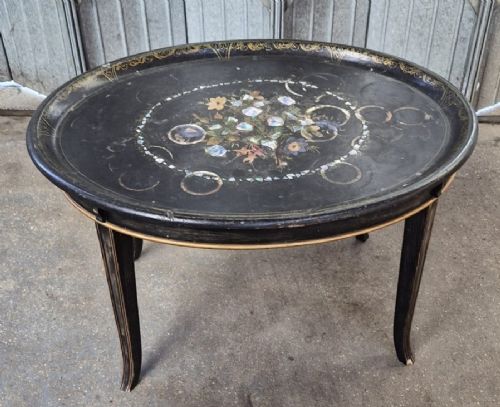
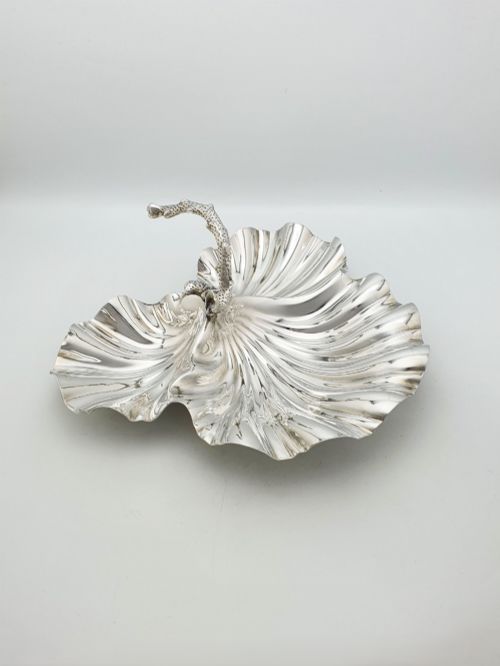
Craftsmen built wooden trays from mahogany, burr walnut, and satinwood, frequently employing fine stringing and contrasting timber veneers to form shell inlay motifs. Metalsmiths worked in sterling silver and silver plate, casting intricate coral handles or hammering borders with shell and scroll repoussé work.
Ceramic pieces relied on porcelain and ironstone, moulded into marine contours and hand-painted with enamels, gilt edges, and floral sprays. Tortoiseshell sections were polished and mounted within silver frames, securing organic material with precise metal mounts.
Antique Shell Tray Retail Price Guide 2026
Typical asking prices for shell tray among the pieces listed under this phrase on Sellingantiques today, from the lower quarter to the upper quarter. They describe what is for sale here now, not the wider market.
A porcelain maiden leans permanently against her giant shell, holding watch over centuries of visiting cards and stray trinkets.
What varies in quality
Quality rests in the crispness of the casting or the precision of the marquetry, where hand-cut shell veneers fit flush into the surrounding timber without gaps. Superior silver and silver-plated examples display deep, distinct chasing along the shell borders rather than shallow, uniform stamping.
In porcelain and glass, the refinement of the glaze, the delicacy of the hand-painted enamel work, and the integrity of the original gilt edges separate standard utilitarian vessels from cabinet pieces produced by notable makers.
William Hutton & Sons·Daniel Arter·Charles Boyton·Mappin & Webb·Atkin Brothers·Paul Storr
The Antique Shell Tray Glossary
- Marquetry
- Decorative inlay using thin slices of wood, shell, or ivory to create pictorial designs on a wooden surface. This technique frequently forms the shell motifs seen on Georgian and Edwardian mahogany trays.
- Repoussé
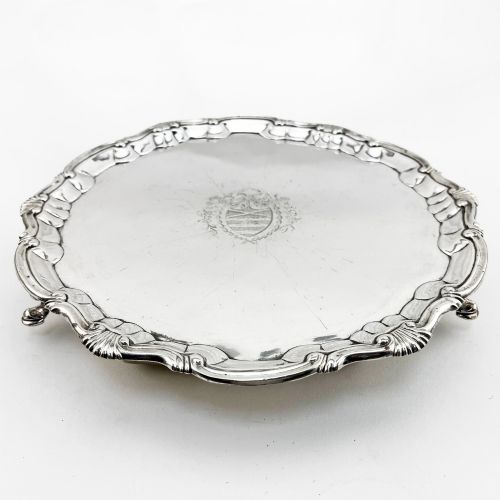
- Metalworking technique where a design is hammered into relief from the reverse side. This method creates the raised shell and scroll borders on silver salvers and dressing trays.
- Vide-poche
- Small receptacle designed for emptying pockets of small items such as coins or keys. These French dishes often take the form of porcelain or faience shells.
- Salver
- Flat metal tray or dish, typically supported on small feet, used for serving food or presenting cards. Examples range from eighteenth-century George II silver to late Victorian plated versions.
- Tortoiseshell
- The mottled brown and amber shell of certain turtle species, utilised in Victorian and Edwardian dressing trays. It is often combined with sterling silver mounts and tortoiseshell backing.
Antique Shell Tray: Frequently Asked Questions
What is a shell tray used for?
These pieces served practical roles in the dining room, parlour, and dressing room, functioning as tea platters, card trays, or vide-poches for personal effects.
Over time, their decorative marine motifs shifted their primary role from utility to display, making them focal points on side tables and coffee tables.
How do I care for tortoiseshell?
Tortoiseshell requires gentle treatment, avoiding direct sunlight and excessive heat that can cause the organic material to warp or dry out.
Dusting with a soft, dry cloth is sufficient for maintenance, keeping moisture away from any exposed metal mounts or wooden backings.
How do I date a silver tray?
Sterling silver items carry hallmark stamps indicating the assay office, date letter, and maker's mark, allowing precise dating down to the exact year.
Silver-plated pieces rely on style, manufacturer marks, and construction methods to determine whether they belong to the Georgian, Victorian, or Edwardian eras.