
Antique Shelf Timepiece
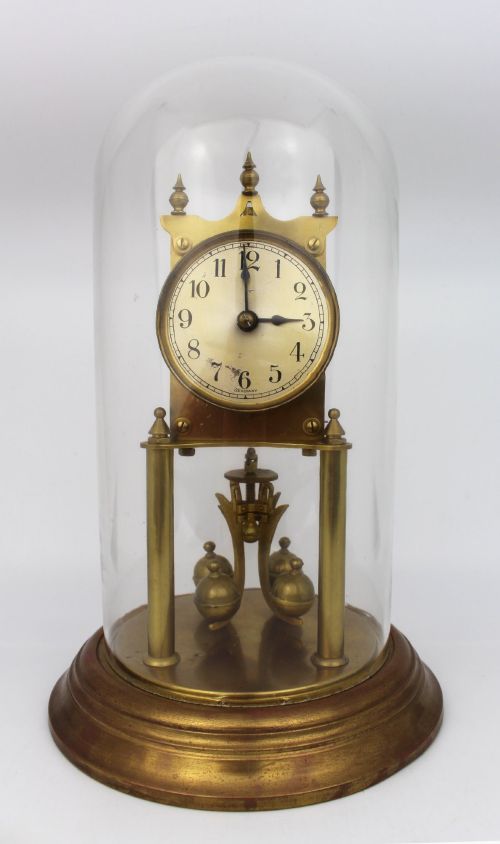
An antique shelf timepiece rests firmly on domestic mantelpieces, offering dependable timekeeping encased in period mahogany, marble, or bronze.
Antique Shelf Timepiece
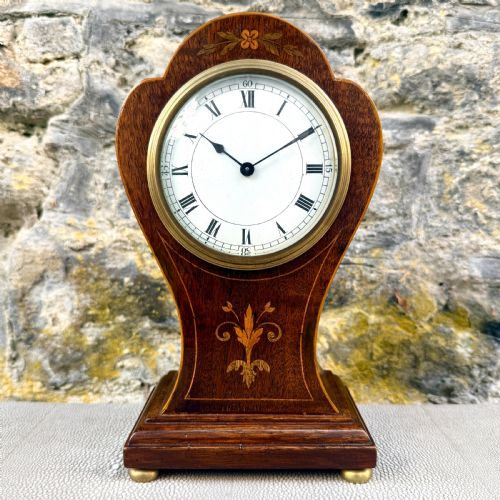
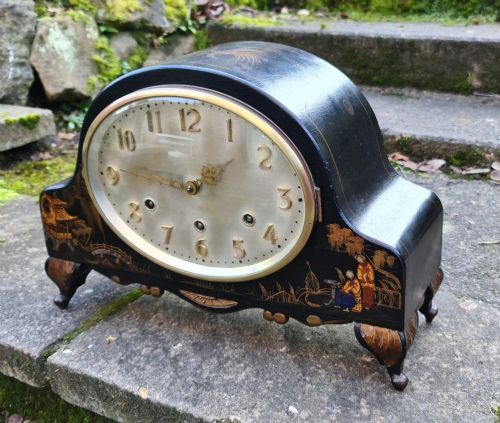
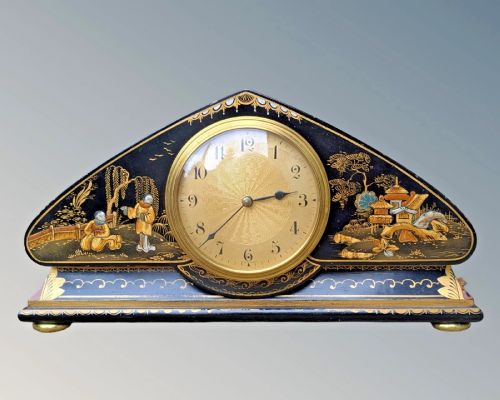
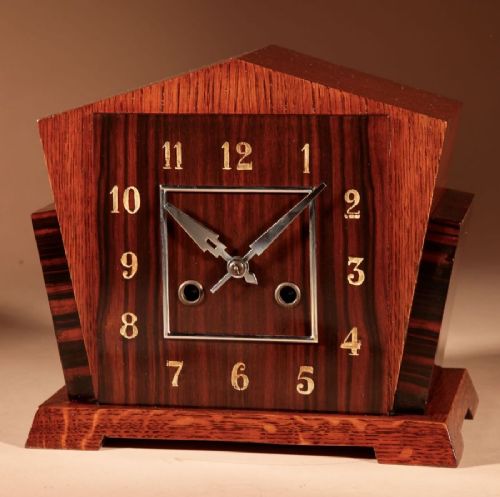
When you search for an antique shelf timepiece, you encounter a variety of mantle clocks and bracket clocks originating from the nineteenth and early twentieth centuries. These pieces span periods from the Regency era through Victorian, Edwardian, and Art Deco designs, reflecting diverse aesthetic movements.
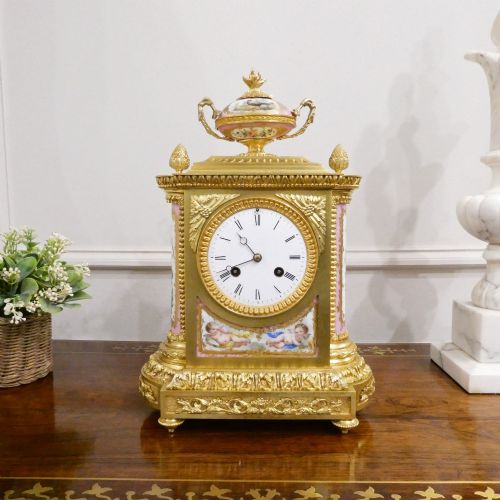
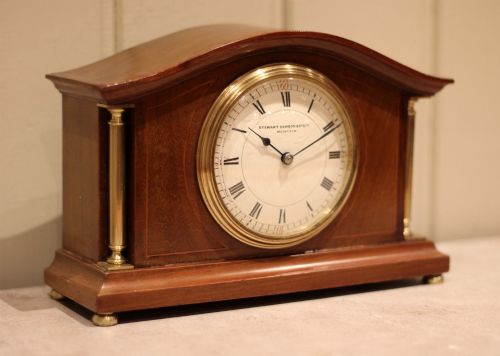
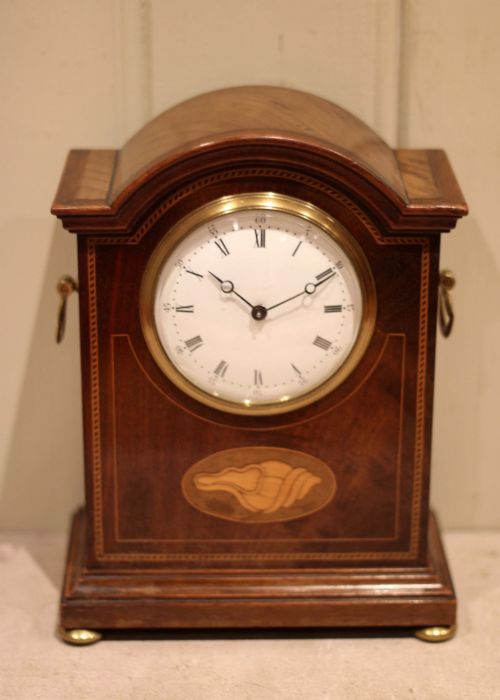
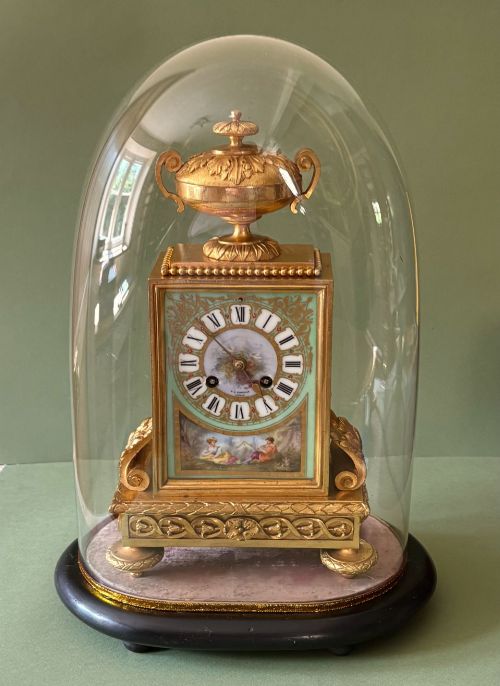
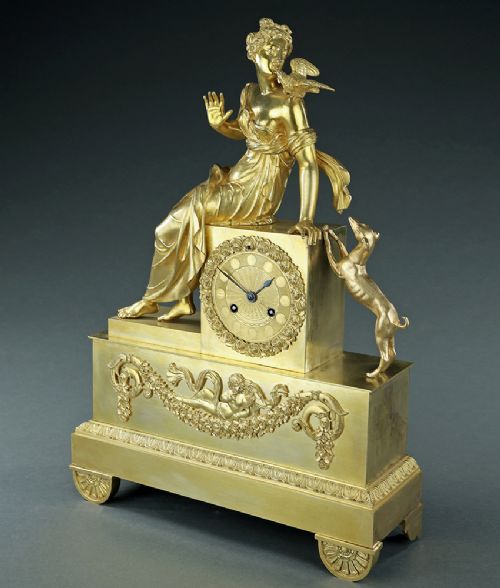
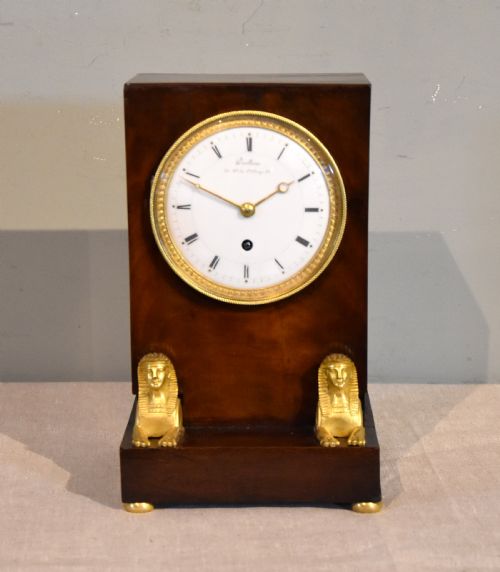
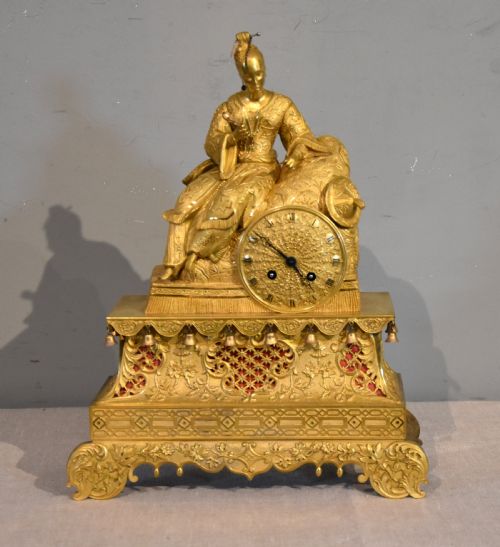
The most common versions on this page are mahogany Edwardian timepiece mantel clocks and ornate French ormolu or marble designs from the nineteenth century. Makers and manufacturers across England, France, and Germany produced these domestic timepieces for desks, shelves, and drawing rooms.
Materials and Technique
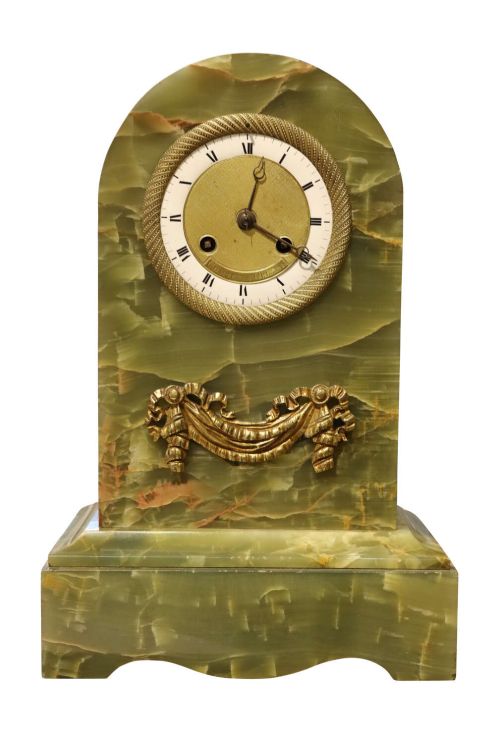
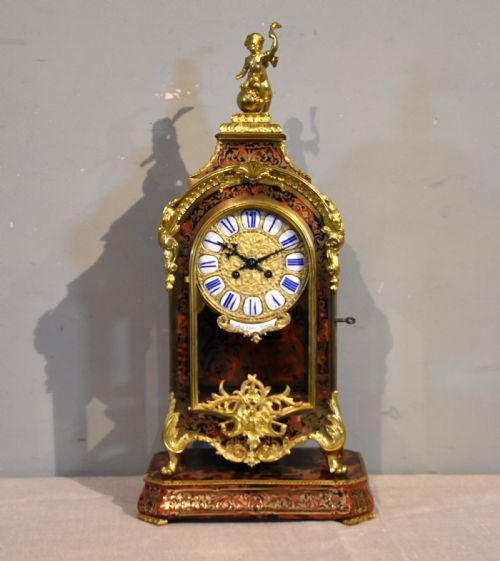
Cabinetmakers utilised rich timbers such as mahogany, oak, and rosewood, frequently incorporating marquetry inlay, gilt bronze mounts, or polished brass. Marble and green onyx versions showcase heavy stone housings paired with cast metal figures and enamel dials.
Movements rely on precision metal components, often driven by fusee mechanisms or eight-day escapements housed within glazed brass bezels. Artisans combined joinery, metal casting, and porcelain painting to produce cohesive decorative objects.
Certain French mantel clocks feature playful putti figures lounging beside the dial, watching the hours pass.
Craftsmanship and Proportion
The distinction between ordinary and superior pieces rests in the sharpness of the cast bronze, the depth of the timber grain, and the fineness of the enamel dial. Master clockmakers signed their movements, ensuring mechanical reliability alongside artistic merit.
Proportion and decorative restraint elevate certain models above mass-produced alternatives. Elaborate details like figural mounts, perpetual calendars, or hand-painted porcelain panels indicate higher workshop standards.
Jean-Baptiste Delettrez·Charles à Orléans·Howell & James London·David Veasey for Liberty & Co·Samuel Marti
The Antique Shelf Timepiece Glossary
- Timepiece
- A clock that indicates the time without striking hours or quarters. It contains a movement focused solely on keeping and displaying the hour.
- Ormolu
- Gilt bronze created by applying a finely ground high-carat gold-mercury amalgam to a bronze object. This technique imparts a rich, metallic golden finish popular in French decorative arts.
- Fusee
- A conical pulley used in better clocks to maintain an even pull on the movement as the mainspring unwinds. It ensures consistent timekeeping accuracy throughout the power reserve.
- Boulle
- Marquetry work utilising tortoiseshell and brass inlay developed in France. It creates a distinctive patterned surface texture on clock cases.
- Enamel
- A glassy substance fused to metal dials through firing at high temperatures. It provides a durable, glossy white background for painted numerals.
Antique Shelf Timepiece: Frequently Asked Questions
How do I wind an antique shelf timepiece?
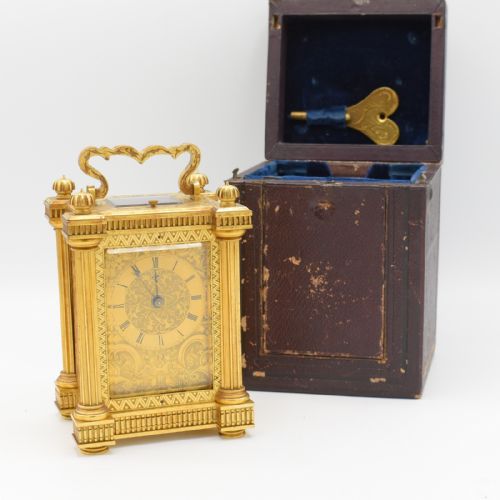
Most mechanical clocks require a specialised key inserted into the dial to tension the spring inside the movement. Care must be taken not to overwind the mechanism.
Consulting the specific winding instructions for your clock type ensures the movement continues running smoothly without damaging internal gears.
Where should I place a mantel clock?
These clocks sit securely on flat surfaces such as mantelpieces, shelves, or sideboards away from direct heat sources and drafts. A level surface keeps the pendulum swinging evenly.
Placement should also consider visibility and accessibility for regular winding and adjustment.
How can I identify the period of a clock?
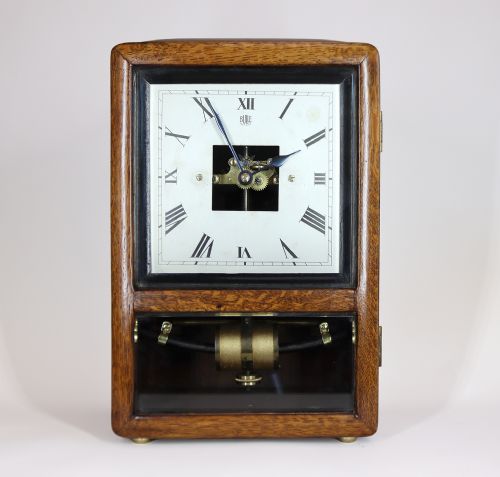
Stylistic clues such as Edwardian mahogany inlay, Art Deco geometric oak cases, or French Empire gilt bronze figures point to specific decades. Materials and dial design also help narrow down the date.
Examining the backplate of the movement often reveals maker marks or stamps corresponding to known active production years.
What is the difference between a timepiece and a striking clock?
A timepiece simply tells the time of day through its hands and dial without making sound. Striking clocks include additional gear trains to ring bells or gongs on the hour.
Both styles share similar cabinet construction but serve different auditory functions within the home.