


Antique Server Table Drawers
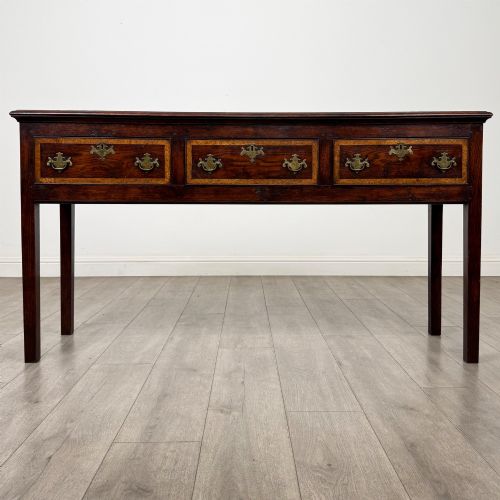
These antique server table drawers bring practical utility and period character to a hallway or dining room.
Antique Server Table Drawers
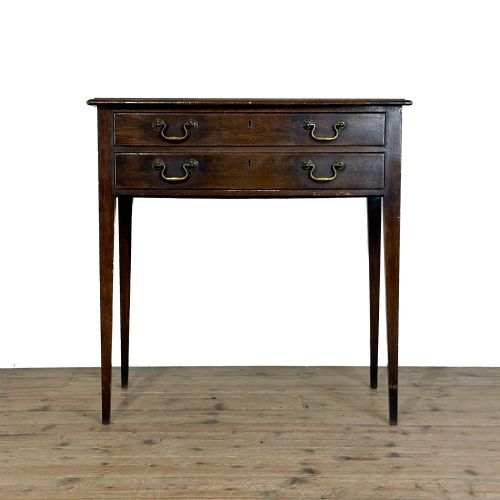
When you search for antique server table drawers, you encounter a robust selection of lowboards, side tables, and dresser bases designed for storage and display. The pieces span several distinct periods, with eighteenth-century and nineteenth-century examples appearing alongside early twentieth-century revivals.
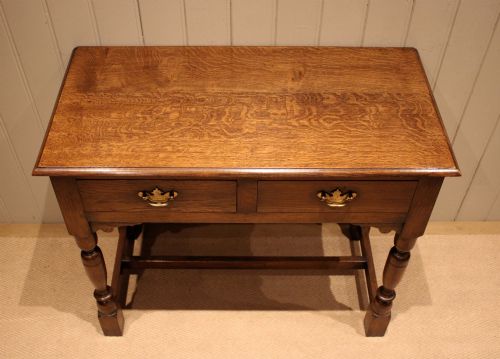
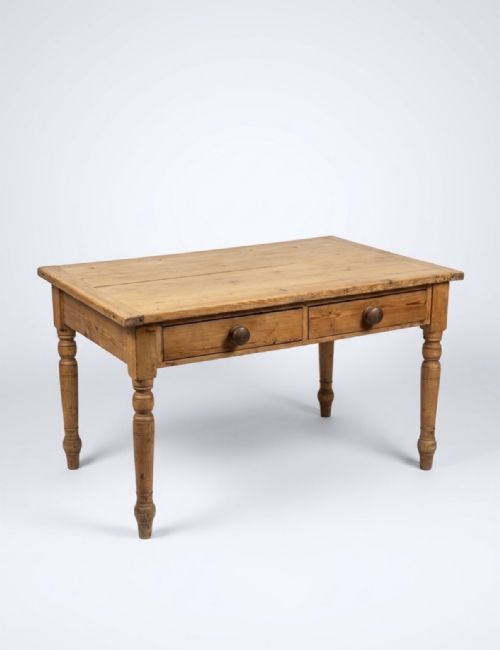
Oak dominates the selection, frequently taking the form of sturdy dresser bases and lowboys fitted with functional drawer arrangements. Walnut, mahogany, and pine also appear, accompanied by occasional painted surfaces and marble tops.
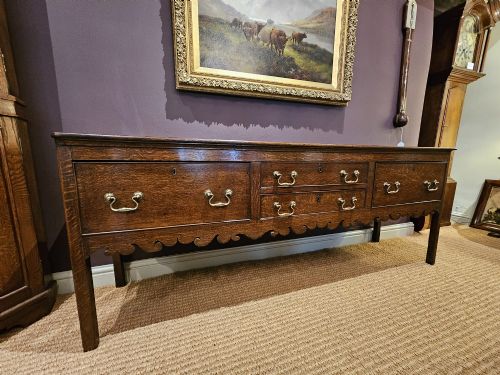
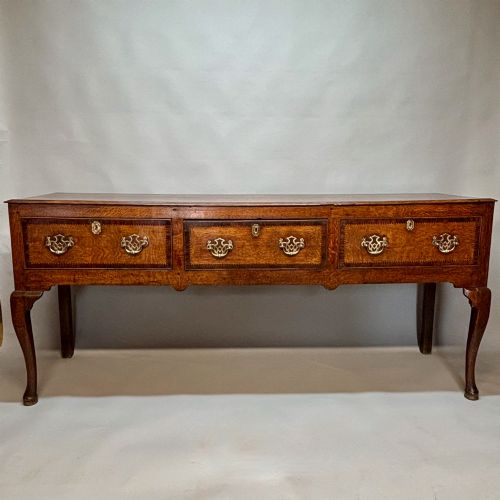
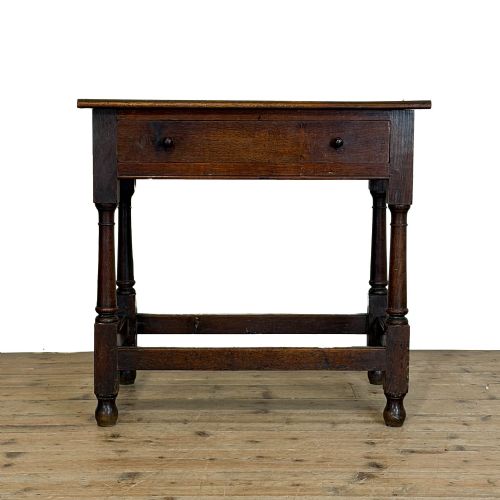
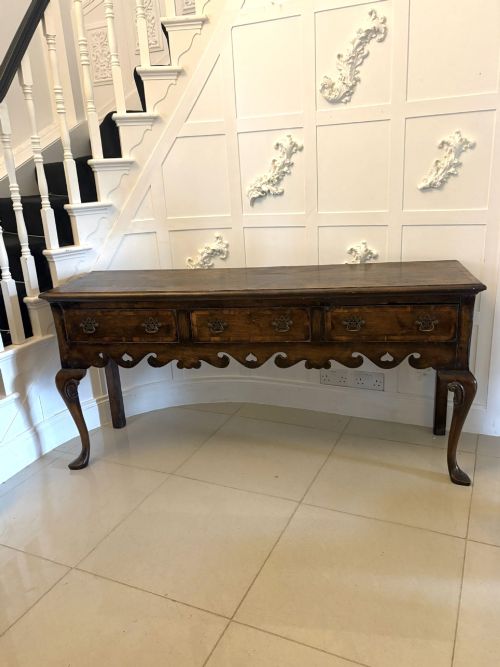
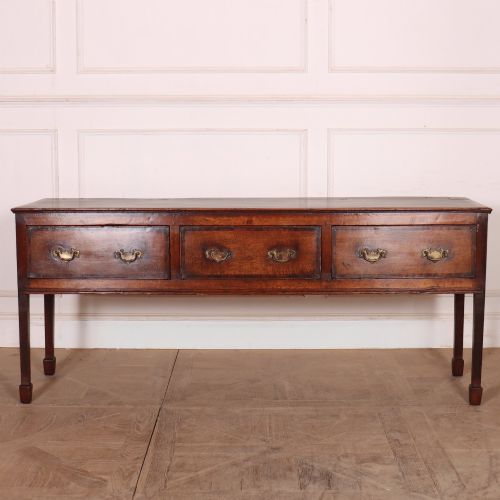
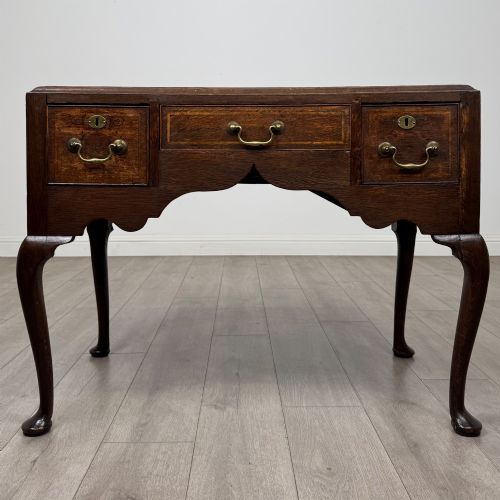
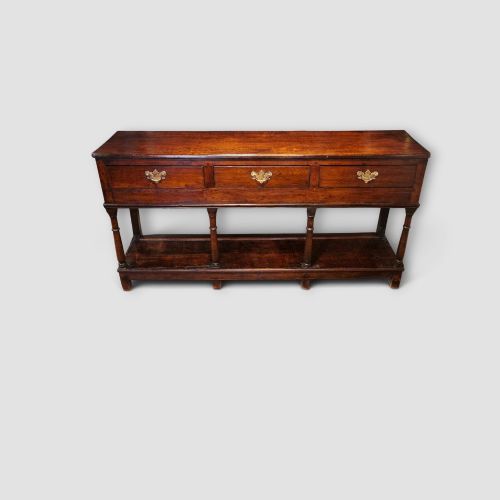
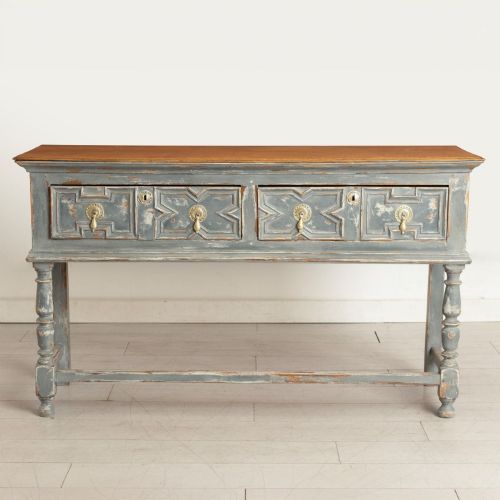
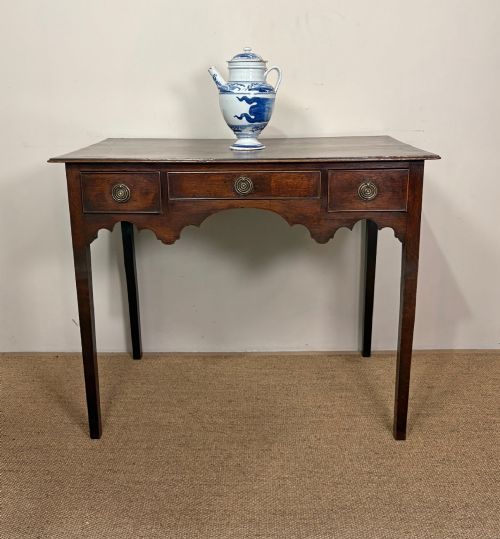
The most common form on this page is the oak dresser base or side table, often retaining original brass hardware and standing on cabriole or straight legs. Buyers find formats ranging from compact lowboys to substantial serving tables with multiple drawers.
How they were made
Cabinet makers relied primarily on solid timbers such as oak, mahogany, and walnut, frequently constructing carcases with traditional pegged or dovetailed joints. Drawer construction often reveals hand-cut dovetails, while timber selection encompasses plain boards as well as burr walnut veneers.
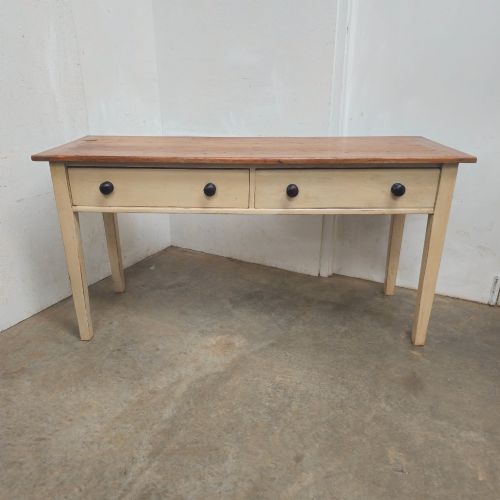
Surface treatments vary from polished natural grain to painted finishes, incorporating applied geometric mouldings and hand-carved details in revival styles. Iron and brass hardware, including drop handles and backplates, complete the construction.
Listings feature oak, mahogany, walnut, and pitch pine across eighteenth, nineteenth, and early twentieth-century periods.
What varies in quality
The distinction between standard and exceptional pieces rests upon the integrity of the timber and the crispness of any carved or moulded detail. Superior examples display well-figured grain, particularly in burr walnut or quarter-sawn oak, alongside harmonious proportions.
Originality of hardware, drawer linings, and structural elements heavily influences the standing of a piece. Finer items retain their original brass work and uncompromised lower potboards or stretchers.
Beresford & Hicks London
The Antique Server Table Drawers Glossary
- Dresser base
- A low wooden sideboard fitted with drawers, originally used in kitchens or dining rooms for food preparation and storage.
- Lowboy
- A small oak or walnut table with one or more rows of drawers, commonly standing on four tall legs.
- Potboard
- An open lower shelf built into a dresser base, traditionally used for storing pots and heavy tableware.
- Cabriole leg
- A furniture leg that curves out and then in, resembling the leg of an animal.
- Geometric moulding
- Raised wooden profiling applied in repeating patterns to drawer fronts or panels, typical of seventeenth-century and revival design.
Antique Server Table Drawers: Frequently Asked Questions
What is the difference between a lowboy and a server table?
A lowboy is typically a compact table featuring a low profile with one or more tiers of drawers, originally designed for personal grooming or domestic storage.
Server tables and dresser bases are generally longer formats intended for dining rooms and hallways to hold serving dishes or household items.
How do I date an oak server table?
Dating relies on examining construction methods, timber characteristics, and hardware styles. Eighteenth-century pieces often show hand-cut dovetails and pegged joints.
Revival pieces from the early twentieth century mimic these older styles but utilise machine-cut elements and twentieth-century secondary woods.
Where should I place a dresser base at home?
These tables suit narrow circulation areas like hallways, where their shallow depth provides surface space without blocking passage. They also function well in dining rooms as serving surfaces or beneath wall-mounted plate racks.
The inclusion of drawers makes them practical for storing table linens, cutlery, or everyday items.
Are marble-topped servers original to the period?
Marble-topped server tables, particularly those from the late nineteenth century, were manufactured with stone surfaces to provide a cool, durable space for food preparation.
Continental workshops frequently paired marble slabs with oak or walnut bases to create robust serving furniture.